 YardMate


Winter Squash
Cucurbita maxima
Medium · Some experienceAbout Winter Squash
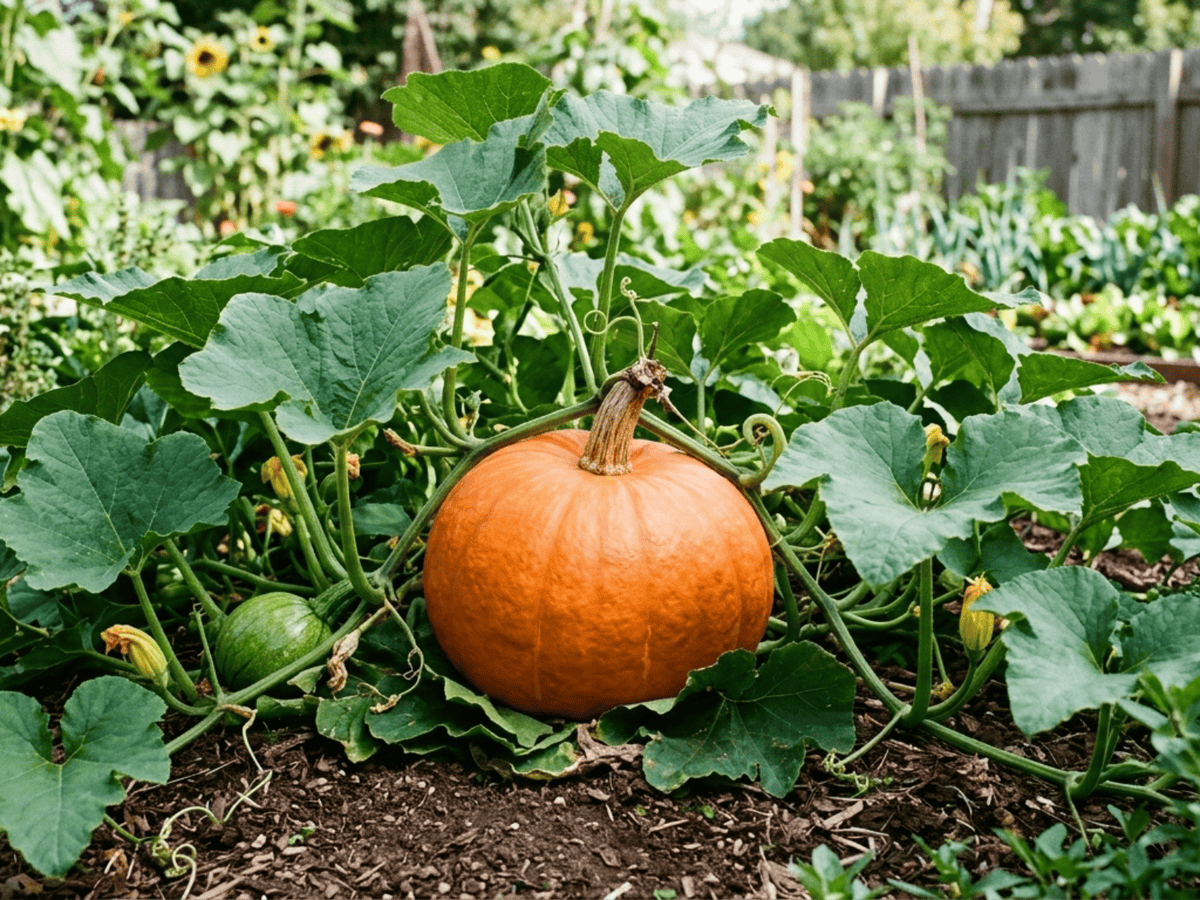
Cucurbita maxima, the giant pumpkin and winter squash species, is a vigorous annual vine in the Cucurbitaceae family native to South America. This species includes some of the largest fruits in the plant kingdom—the current world record exceeds 1,200 kg—as well as beloved culinary squashes like Hubbard, Buttercup, Kabocha, and Turban. The vines can spread 6–10 metres, producing enormous round leaves and large yellow flowers.
Giant pumpkin and maxima squash cultivation requires full sun, deeply enriched soil, and copious water. These are among the heaviest-feeding garden plants. Competitive growers invest heavily in soil preparation, using compost, fish emulsion, and mycorrhizal inoculants. For kitchen gardens, varieties like 'Red Kuri' and 'Queensland Blue' offer dense, sweet flesh ideal for soups, roasting, and baking.
The species was domesticated in the Andes about 4,000 years ago and was among the crops that sustained Inca civilization. Today, giant pumpkin competitions are a beloved autumn tradition in North America and Europe, with dedicated growing clubs, weigh-off festivals, and even pumpkin boat races. The dense, sweet flesh of culinary varieties has significantly more flavour and nutrition than the watery carving pumpkins of C. pepo.
- Edible
- Fast-growing
- Pollinator-friendly
How to care for Winter Squash
Watering
- Springevery 3 days
- Summerevery 2 days
- Fallevery 4 days
- Winterevery 7 days
Soil · Rich & well-draining
- Top dressingCompost10%
- Main mixPotting soil + compost 3:180%
- DrainageGravel10%
Top up the compost layer each season.
FERTILIZER
Balanced Feed 14-14-14
An even feed covers all three needs at once, keeping leaves, roots and blooms moving together with nothing pushed out of balance.
- Nitrogen · Leaves
- Phosphorus · Roots + Blooms
- Potassium · Strength
- Springevery 14 days
- Summerevery 14 days
- Fallevery 21 days
At a Glance
- NativeSouth America
- Height1–2 ft (0.3–0.6 m)
- Spread10–20 ft (3–6.1 m)
- Flower colorYellow, Orange
- Foliage colorGreen
- Fruit colorOrange
- SoilLoamy, Moisture-retentive, Rich
- LocationsYard
Bloom time
BLOOM CYCLE
Peak bloom
Jun–Aug
Hand-pollinate for competition squash; for kitchen varieties, bees handle the job well.
Fragrance
NO FRAGRANCE
No notable fragrance.
Toxicity
Humans Slight
Unknown toxic principle
Slight
- Fruit
- Ingestion
EXPOSURE Eating fruit.
EFFECT Rare cucurbitacin toxicity from bitter hybrids.
NOTE Generally regarded as safe.
Safe
EXPOSURE No exposure route is reported.
EFFECT Not listed as toxic and cooked pumpkin widely used in dog diets.
NOTE Listed as non-toxic for dogs; avoid eating ornamental plants unless confirmed edible.
Safe
EXPOSURE No exposure route is reported.
EFFECT Not listed as toxic.
NOTE Listed as non-toxic for cats; avoid eating ornamental plants unless confirmed edible.
Educational information, not medical or veterinary advice. If exposure is suspected, contact a doctor or veterinarian.
DISTRIBUTION

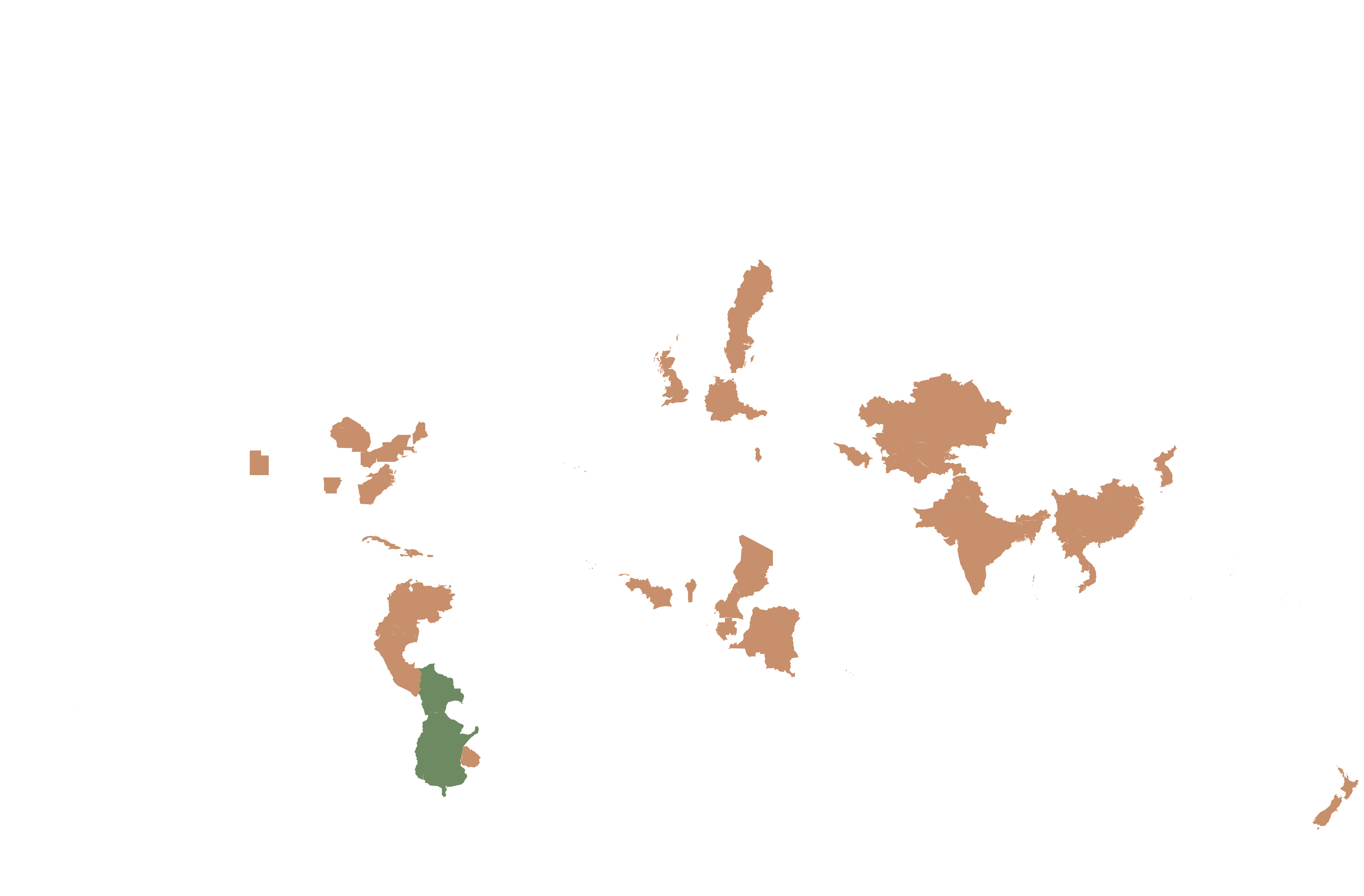
- Native
- Introduced
- South America
History
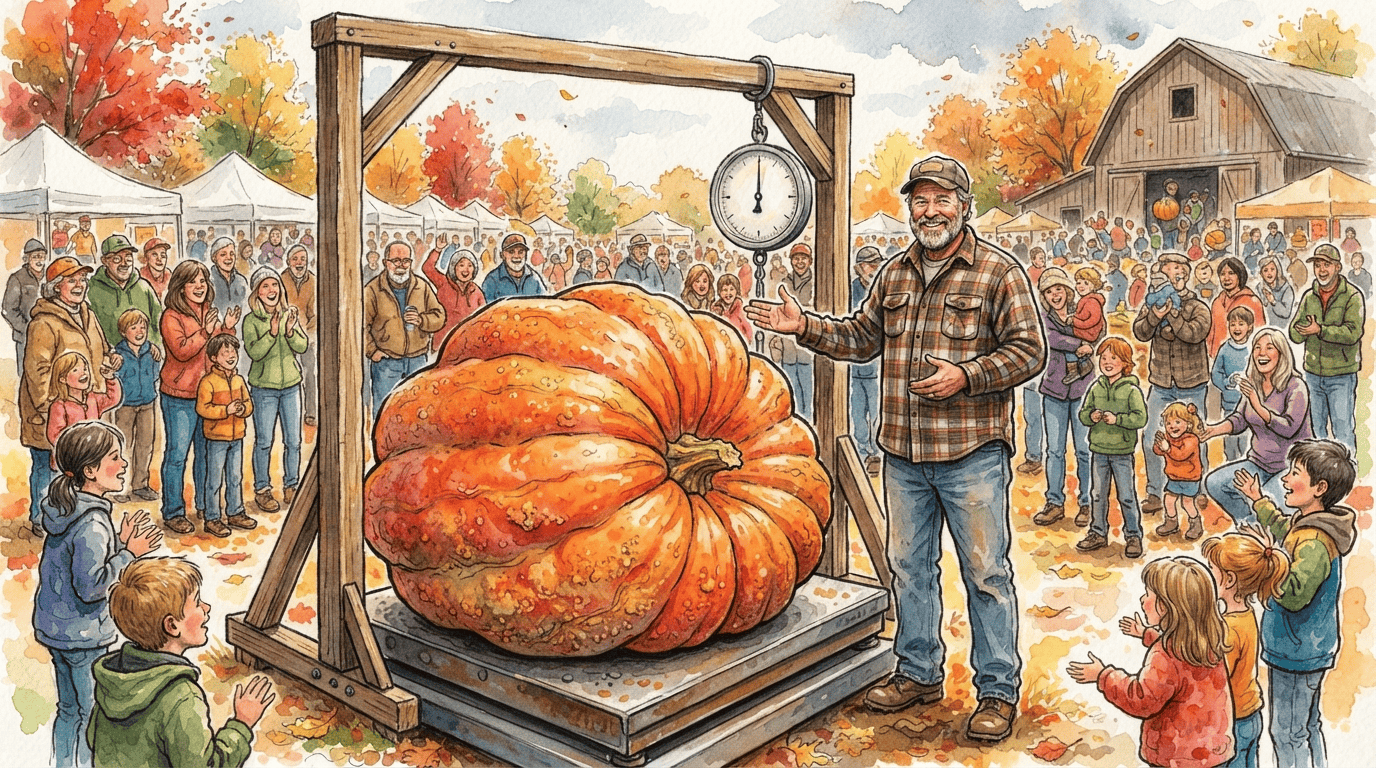
Cucurbita maxima originates in the lowlands of what is now Argentina, Bolivia, Uruguay, and Chile, with domestication around 4,000 years ago. It differs from the Mexican C. pepo lineage and includes cultivars such as Hubbard, Atlantic Giant, Kabocha (Japanese kabocha squash), Turban, Jarrahdale, and Buttercup. All modern competition-winning giant pumpkins descend from a single variety — "Dill's Atlantic Giant" — bred by Howard Dill of Windsor, Nova Scotia, who patented it in 1979 (plant patent has since expired, enabling widespread breeding).
Successive generations of enthusiast breeding, accelerated by the Great Pumpkin Commonwealth association founded in 1999, have steadily pushed the world record upward: the current world record (as of the early 2020s) exceeds 1,250 kg, with speculation that a 2,000-kg fruit is biologically achievable within a decade. Japanese Kabocha squash, a C. maxima cultivar developed in Japan, has become a global premium winter squash for roasting and soups.
maxima was a staple of Inca agriculture. European explorers introduced it to the Old World in the 16th century. Today the world record exceeds 1,200 kg, set in competitive weigh-off events.
Symbolism & meaning
What It Symbolizes
Winter Squash carries grandeur, producing the largest fruits on Earth and embodying impressive scale and generous abundance with every swelling pumpkin. Around its grows community, the giant pumpkin festivals and weigh-offs that bring small towns together each autumn in a collective celebration of size and harvest. It is often read as a flower of shared spectacle, agriculture turned into festival, a single fruit drawing a whole village to the scale.
- Grandeur — Producing the largest fruits on Earth, C. maxima symbolizes impressive scale and generous abundance
- Community — Giant pumpkin festivals and competitions bring communities together in celebration
Where the Name Comes From
Cucurbita from Latin for gourd; 'maxima' means greatest or largest, perfectly describing this species' potential fruit size.
Uses & Fun Facts
- Dense squash flesh roasts well and cooks into soups, pies, and purees
- Giant-pumpkin competitions are American autumn tradition
- Massive blooms fed by squash bees and bumblebees
Related plants
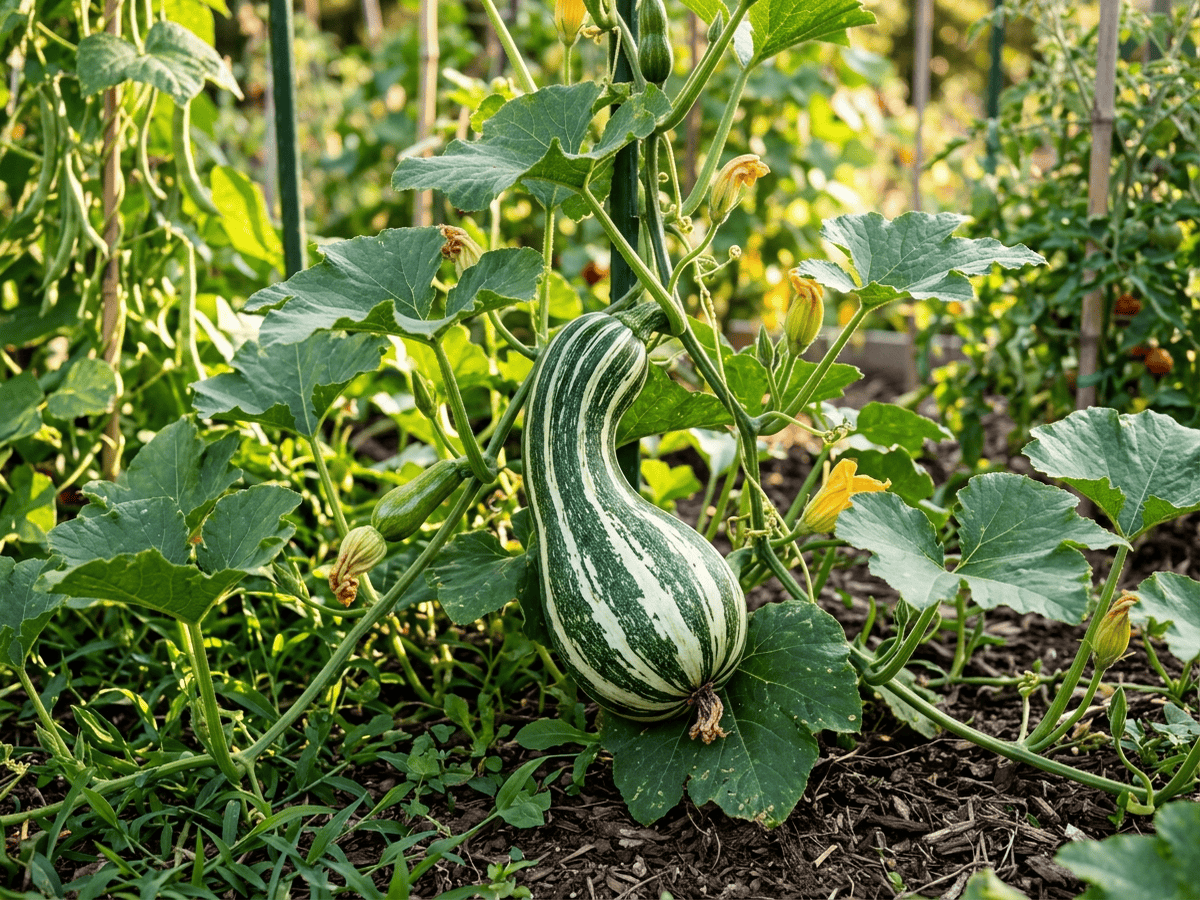
More Cucurbita plants
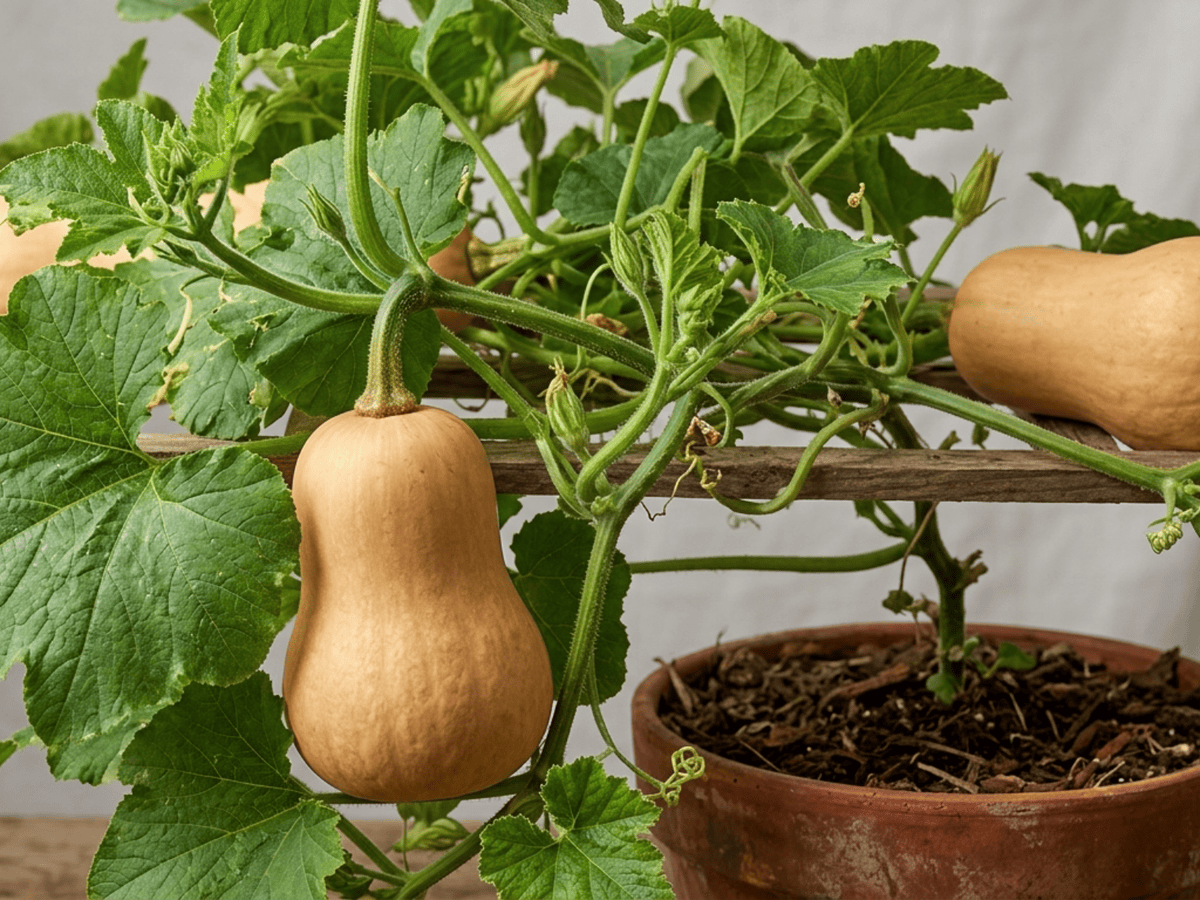
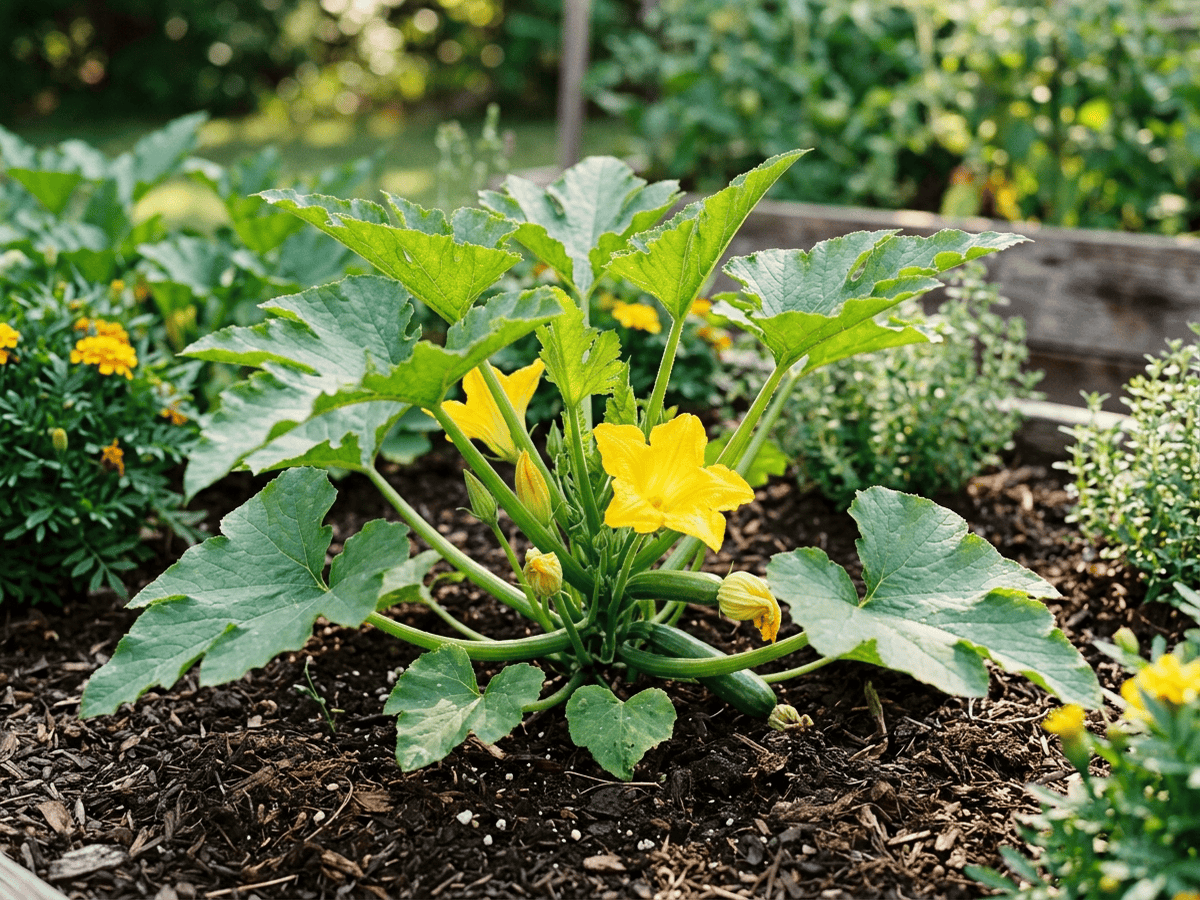
Plants with similar care
 Mexican AbeliaAbelia floribunda
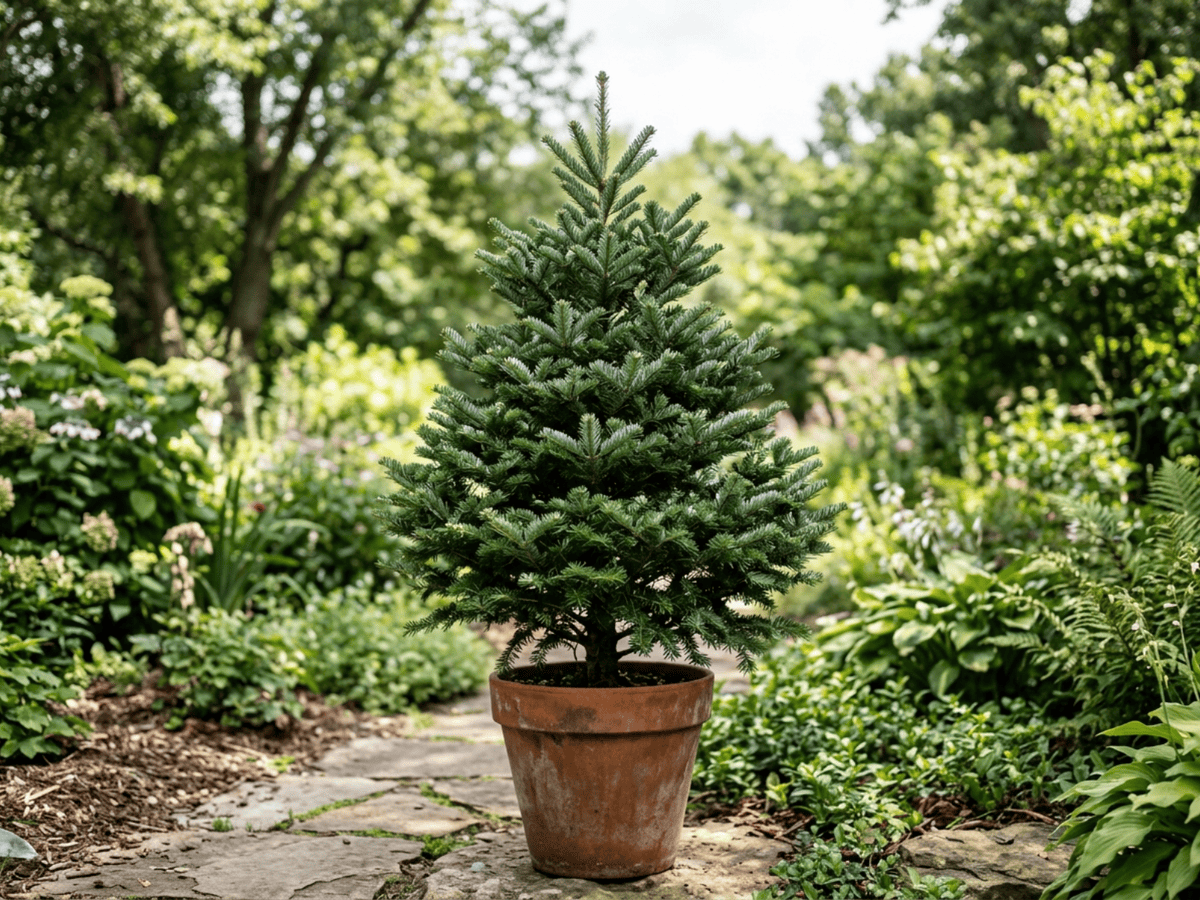 Fraser FirAbies fraseri
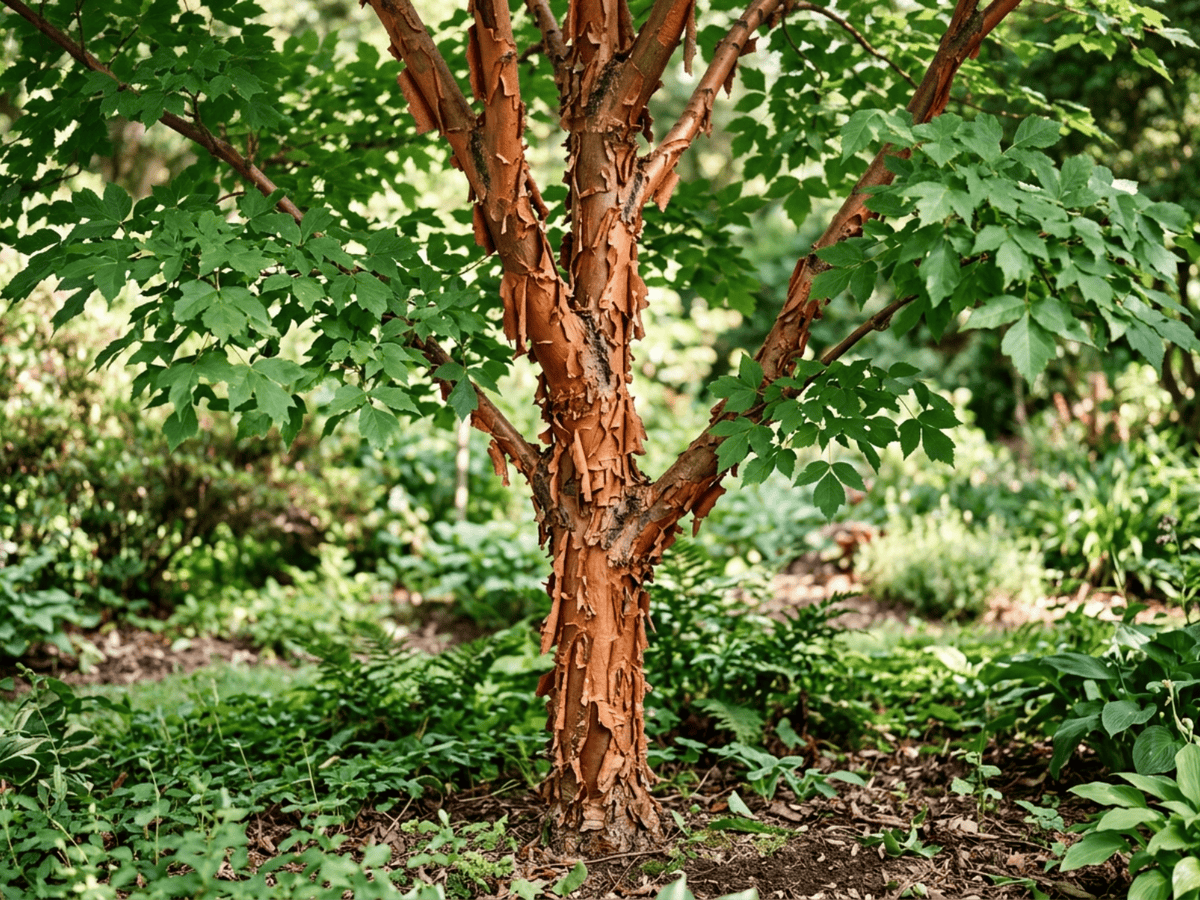 Paperbark MapleAcer griseum
 Sugar MapleAcer saccharum
Frequently asked questions
How often should I water Winter Squash?
In summer, water about every 2 days; in winter, about every 7 days. Adjust for heat, pot size and drainage.
How much light does Winter Squash need?
Full sun: 6+ hrs direct. Watch the leaves — scorching or stretching means the light needs adjusting.
Is Winter Squash toxic to cats or dogs?
Pets Safe (Dogs Safe · Cats Safe) Educational information, not medical or veterinary advice. If exposure is suspected, contact a doctor or veterinarian.
Is Winter Squash easy to grow?
It is moderately demanding: a good choice once you have a little experience.
When does Winter Squash bloom?
It typically blooms Jun–Aug in the Northern Hemisphere.
YardMate
Identify any plant in seconds
Snap a photo — YardMate names the plant, diagnoses problems, and reminds you when to water.
Download on the App Store