 YardMate

Cushaw Pumpkin
Cucurbita argyrosperma
Easy · Beginner friendlyAbout Cushaw Pumpkin
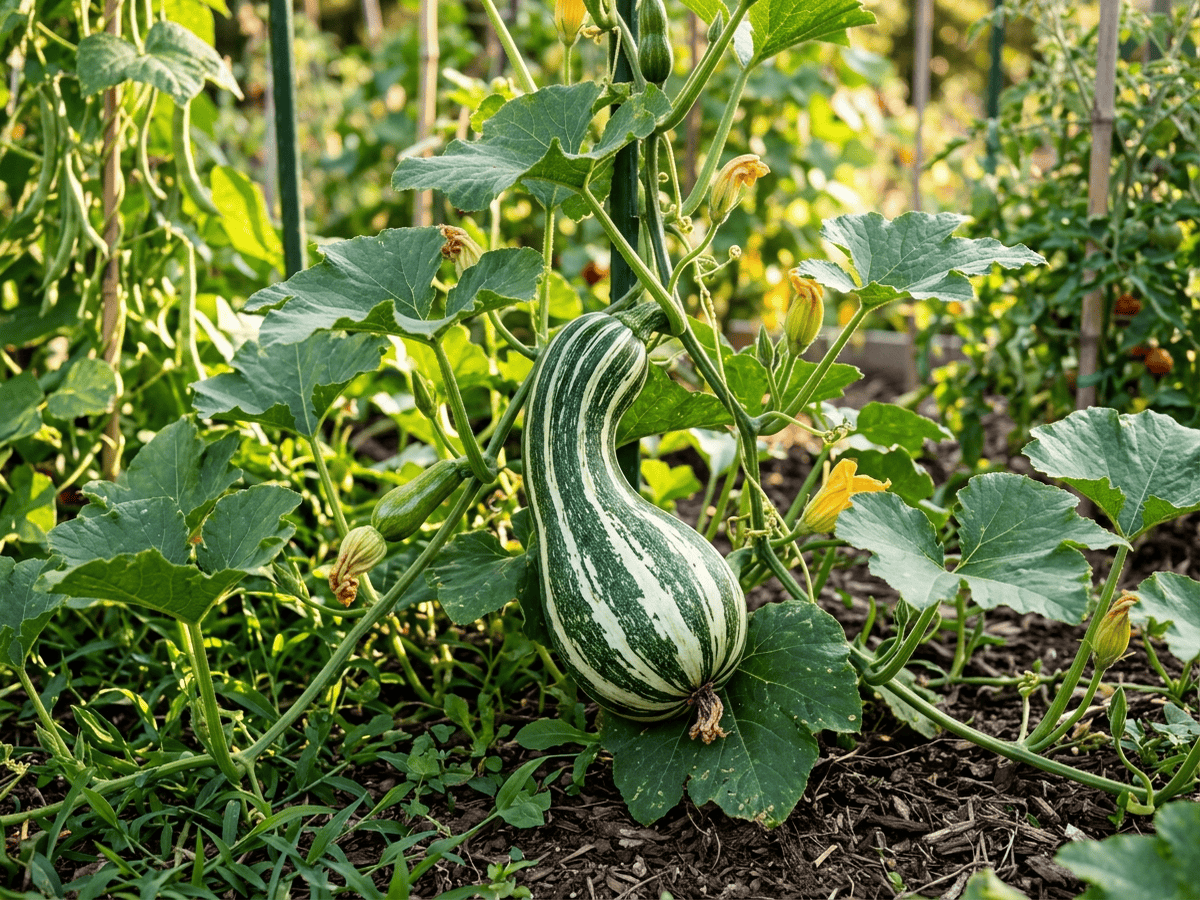
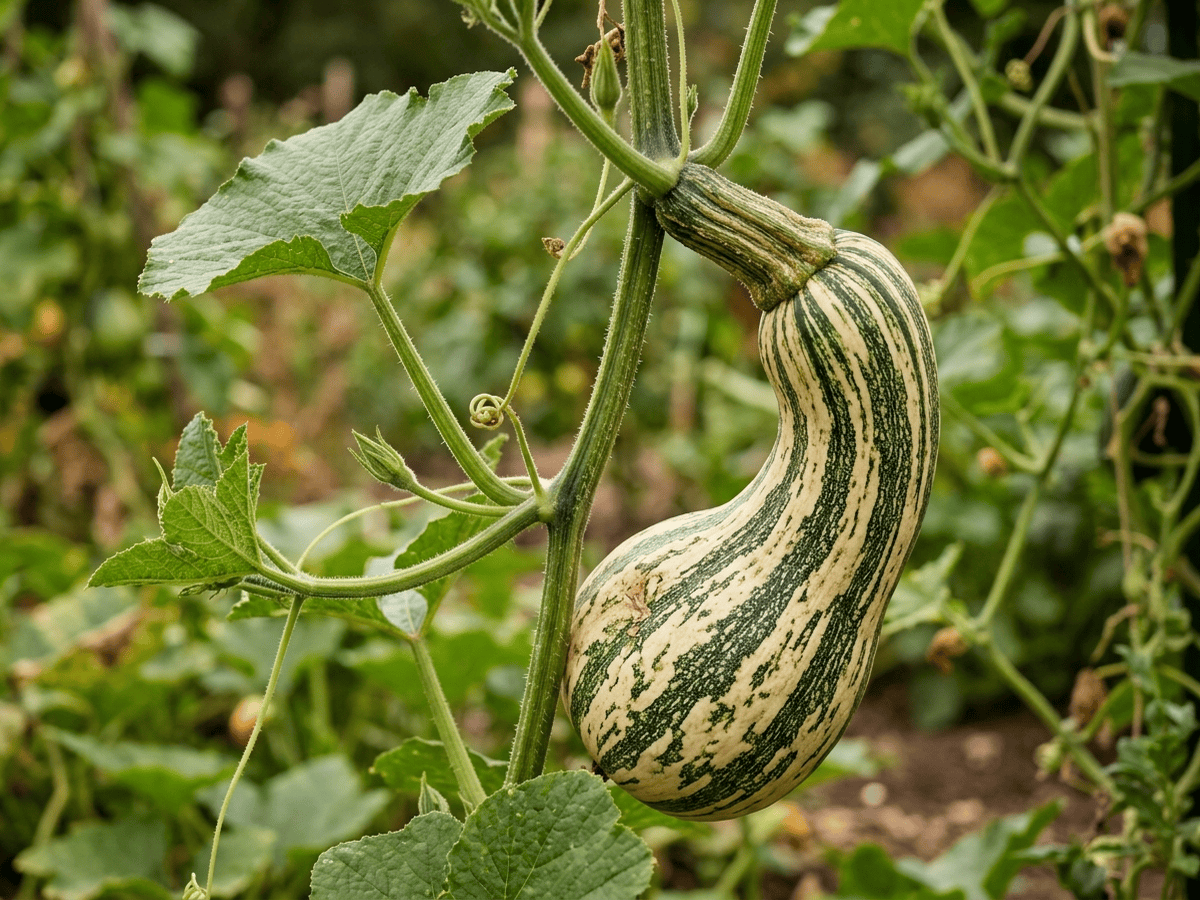
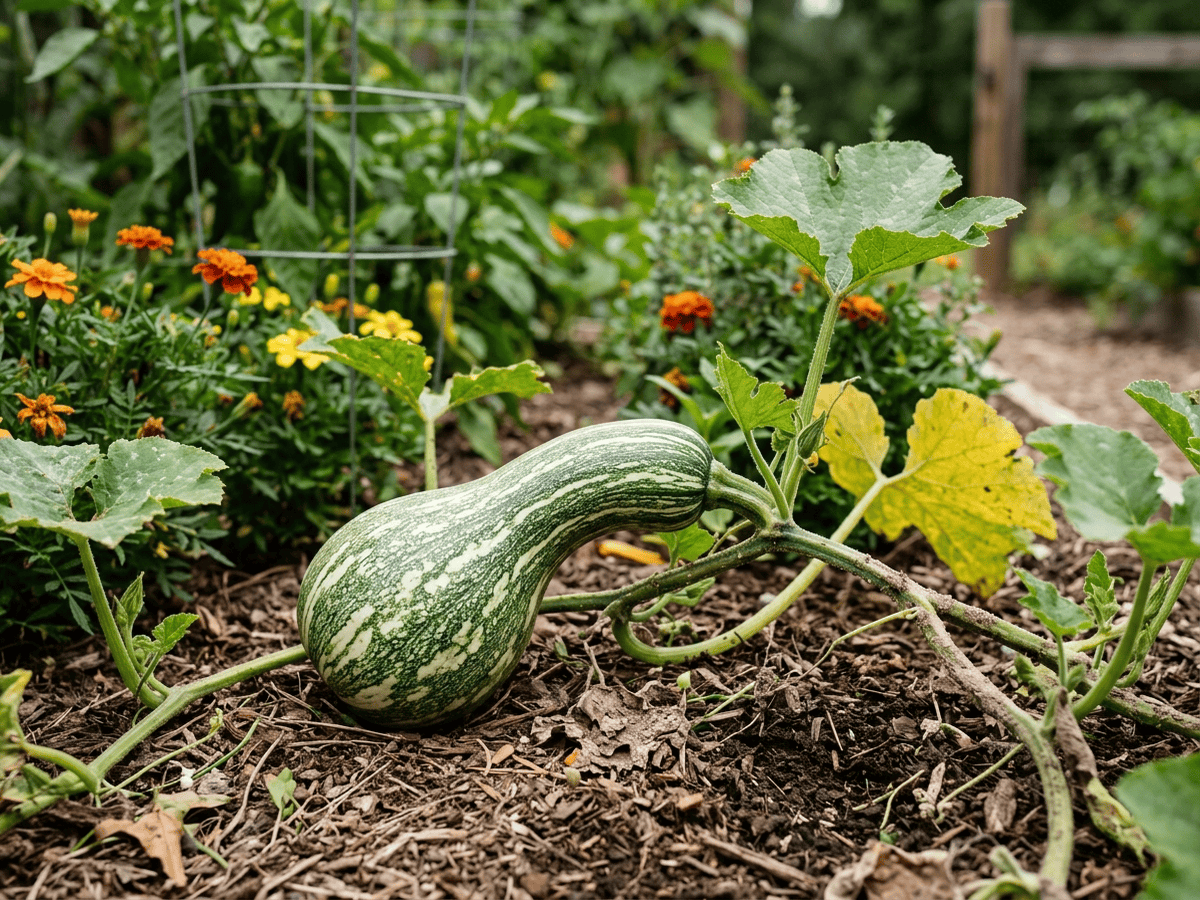
Silver-Seed Gourd or Cushaw Squash is a North American native winter squash with vining habit reaching 10-20 feet, producing large striped green-and-white pear-shaped fruits with sweet orange flesh. Among the four domesticated Cucurbita species, it has been grown by Indigenous peoples of Mexico and the American Southwest for thousands of years. The 'Green-Striped Cushaw' is a heritage Southern American variety prized for pies and traditional cooking.
- Edible
- Climbing
How to care for Cushaw Pumpkin
Watering
- Springevery 3 days
- Summerevery 3 days
- Fallevery 7 days
- Winterpause watering
Soil · Rich & well-draining
- Top dressingCompost10%
- Main mixPotting soil + compost 3:180%
- DrainageGravel10%
Top up the compost layer each season.
FERTILIZER
Balanced Feed 14-14-14
An even feed covers all three needs at once, keeping leaves, roots and blooms moving together with nothing pushed out of balance.
- Nitrogen · Leaves
- Phosphorus · Roots + Blooms
- Potassium · Strength
- Springevery 30 days
- Summerevery 30 days
At a Glance
- NativeNorth America, Central America
- Height1–2 ft (0.3–0.6 m)
- Spread10–20 ft (3–6.1 m)
- Flower colorYellow
- Foliage colorGreen
- Fruit colorGreen, White
- SoilLoamy, Rich, Well-drained
- LocationsYard
Bloom time
BLOOM CYCLE
Peak bloom
Jun–Aug
Large yellow flowers in summer
Toxicity
Humans Safe · Pets Safe
None reported
Safe
EXPOSURE No exposure route is reported.
EFFECT No toxic effect is reported.
NOTE Listed as non-toxic for humans; avoid eating ornamental plants unless confirmed edible.
Safe
EXPOSURE No exposure route is reported.
EFFECT No toxic effect is reported.
NOTE Listed as non-toxic for dogs; avoid eating ornamental plants unless confirmed edible.
Safe
EXPOSURE No exposure route is reported.
EFFECT No toxic effect is reported.
NOTE Listed as non-toxic for cats; avoid eating ornamental plants unless confirmed edible.
Educational information, not medical or veterinary advice. If exposure is suspected, contact a doctor or veterinarian.
DISTRIBUTION


- Native
- Introduced
- North America
- Central America
History

Cucurbita argyrosperma, commonly called cushaw pumpkin or silver-seed gourd (calabaza pipiana in Mexico), is a large vining annual squash in the gourd family (Cucurbitaceae) native to Mexico and Central America. French botanist Carl Huber formally described it in 1867. The epithet argyrosperma means silver-seeded, referring to the distinctive large silvery-white-edged seeds.
The species is one of the five domesticated species of Cucurbita (along with C. pepo, moschata, maxima, and ficifolia), though less globally widespread than the others. Archaeological evidence places domestication at least 5000-7000 years ago in southern Mexico. Plants grow as sprawling vines 3-6 meters long with large lobed leaves and yellow bell-shaped flowers, producing distinctive large pear-shaped green-and-white-striped fruits 25-50 cm long with hard rinds.
In traditional Mexican cuisine the large silver-white seeds are the primary product, ground to make pipián sauces and traditional moles in Oaxaca, Puebla, and other states, while the relatively bland flesh is used in stews and sweets. The 'Green-Striped Cushaw' is one of the most important heirloom Southern American winter squashes, a staple of Appalachian and Cherokee cooking traditions. The species is among the hardiest traditional American pumpkins, tolerating heat and poor soils.
Symbolism & meaning
What It Symbolizes
The Cushaw Pumpkin carries deep heritage as one of the ancient Mesoamerican domesticated squashes, cultivated long before contact across what is now Mexico and the American Southwest. Its meaning extends to sustenance — a long-keeping winter food source that fed families through lean months. To grow it is to keep a piece of pre-Columbian agriculture alive and feeding still.
- Heritage — ancient Mesoamerican domesticated squash
- Sustenance — long-keeping winter food source
Where the Name Comes From
'Cucurbita' is the classical Latin name for gourd; 'argyrosperma' from Greek meaning silver-seeded.
Uses & Fun Facts
- Cushaw squash flesh and protein-rich seeds used in Mexican cooking
- Long vines train onto sturdy trellises to save garden space
- Ancient Mesoamerican Three Sisters crop alongside corn and beans
Related plants
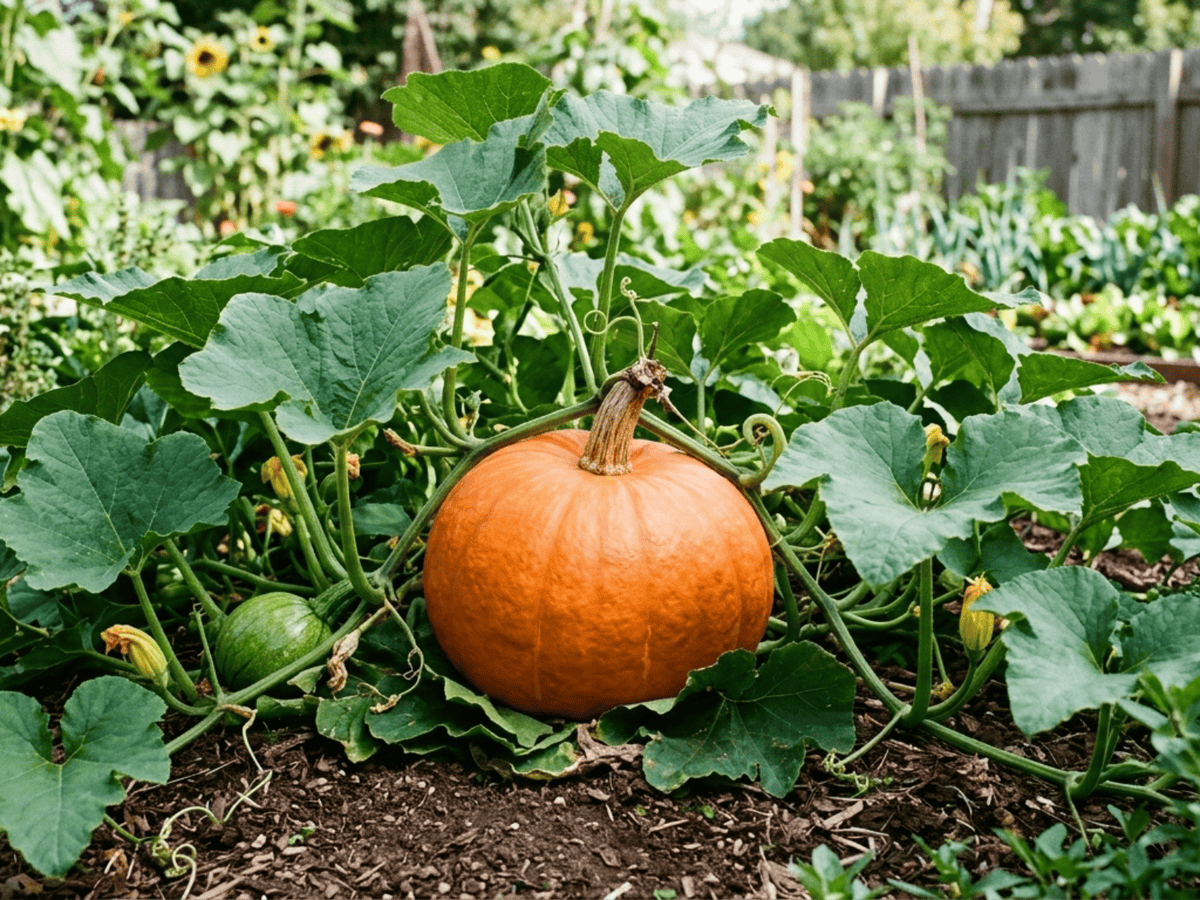
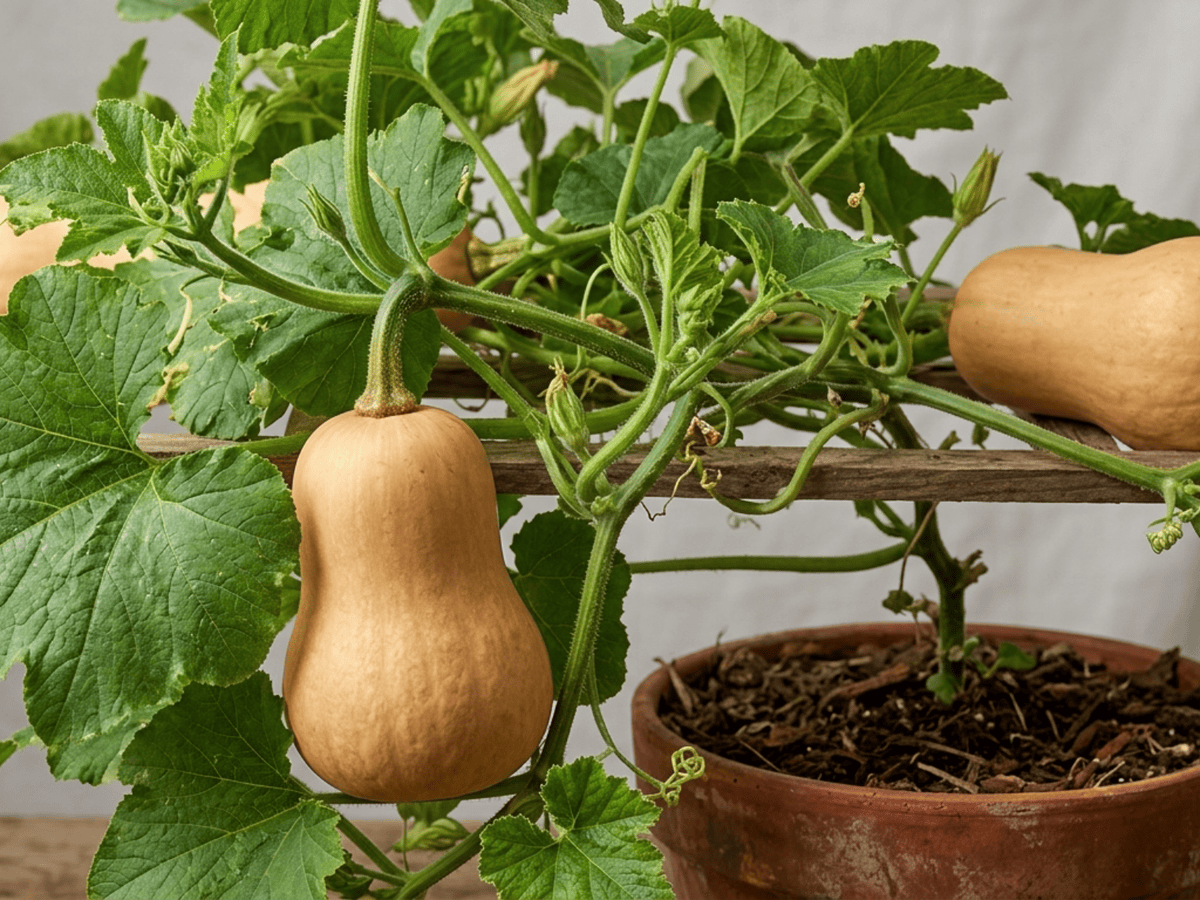
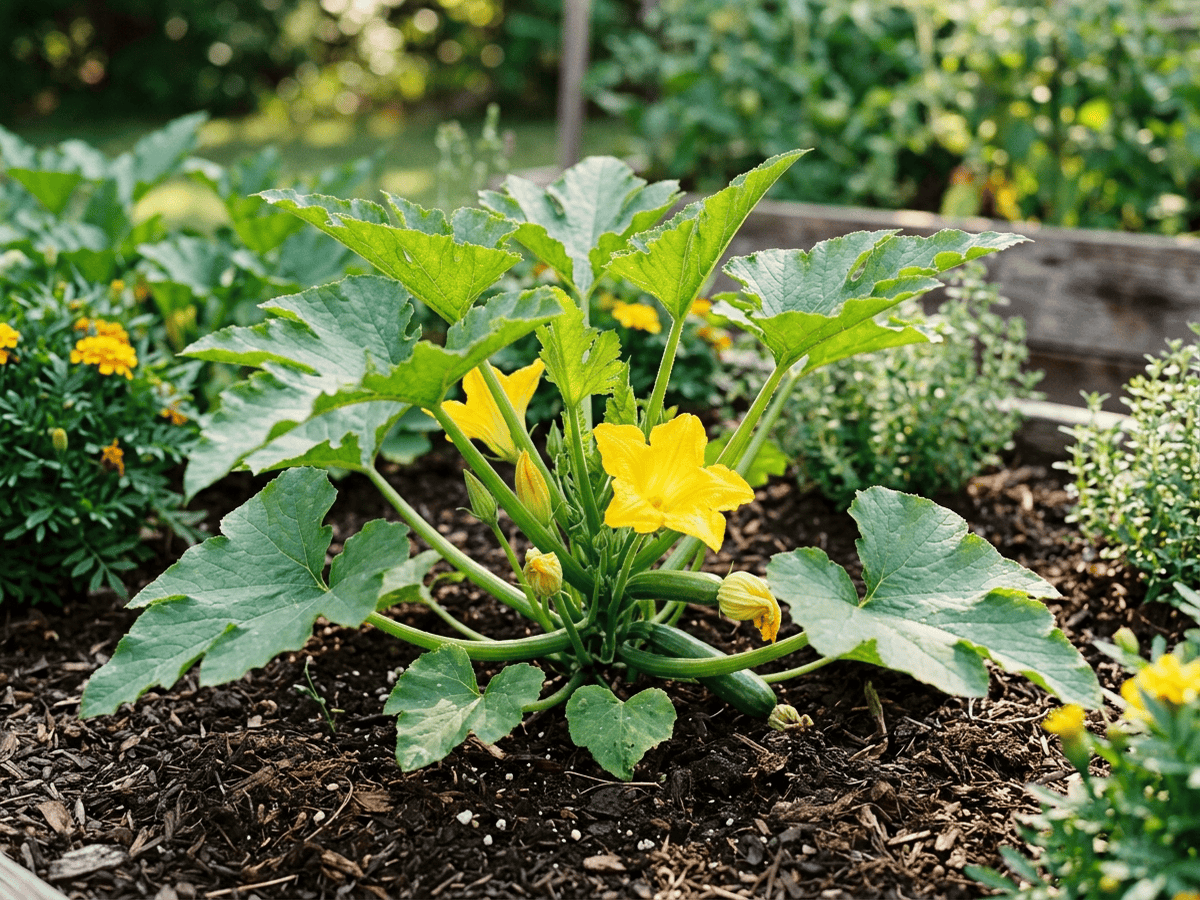
More Cucurbita plants
Plants with similar care
 Chinese AbeliaAbelia chinensis
 Fragrant AbeliaAbelia mosanensis
 Large-Flowered AbeliaAbelia uniflora
 Glossy AbeliaAbelia x grandiflora
Frequently asked questions
How often should I water Cushaw Pumpkin?
Water about every 3 days during the growing season, and always let excess water drain away.
How much light does Cushaw Pumpkin need?
Full sun: 6+ hrs direct. Watch the leaves — scorching or stretching means the light needs adjusting.
Is Cushaw Pumpkin toxic to cats or dogs?
Pets Safe (Dogs Safe · Cats Safe) Educational information, not medical or veterinary advice. If exposure is suspected, contact a doctor or veterinarian.
Is Cushaw Pumpkin easy to grow?
Yes — it is considered an easy, beginner-friendly plant.
When does Cushaw Pumpkin bloom?
It typically blooms Jun–Aug in the Northern Hemisphere.
YardMate
Identify any plant in seconds
Snap a photo — YardMate names the plant, diagnoses problems, and reminds you when to water.
Download on the App Store