 YardMate

American Pumpkin
Cucurbita pepo
Easy · Beginner friendlyAbout American Pumpkin
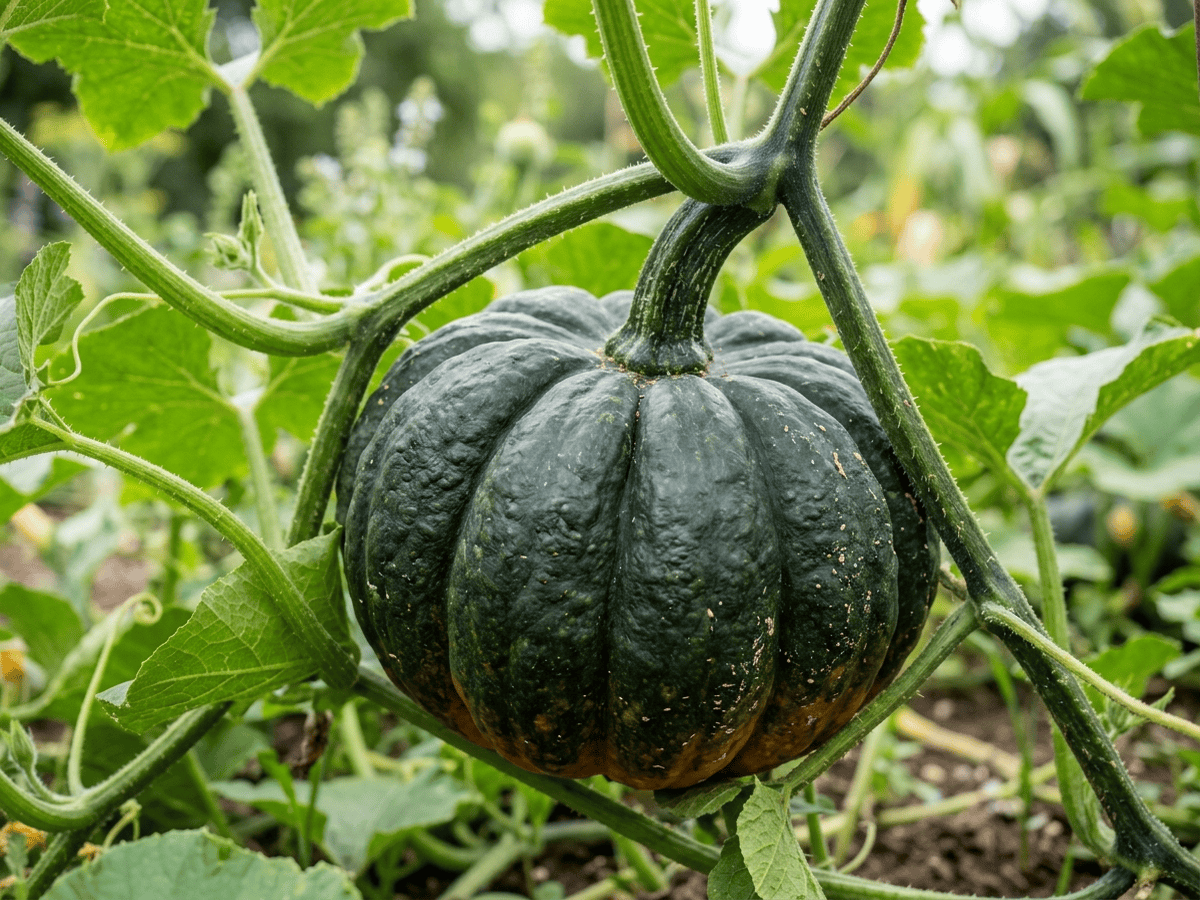
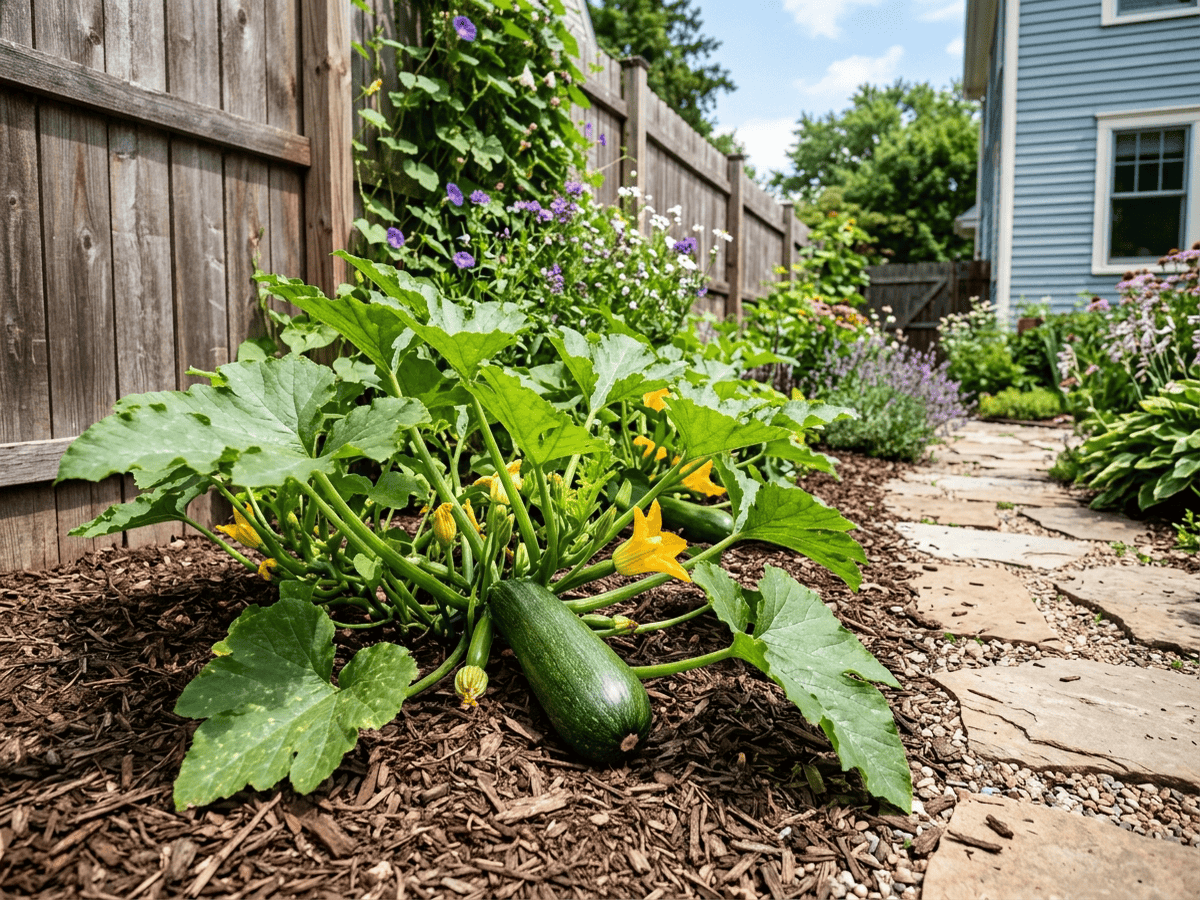
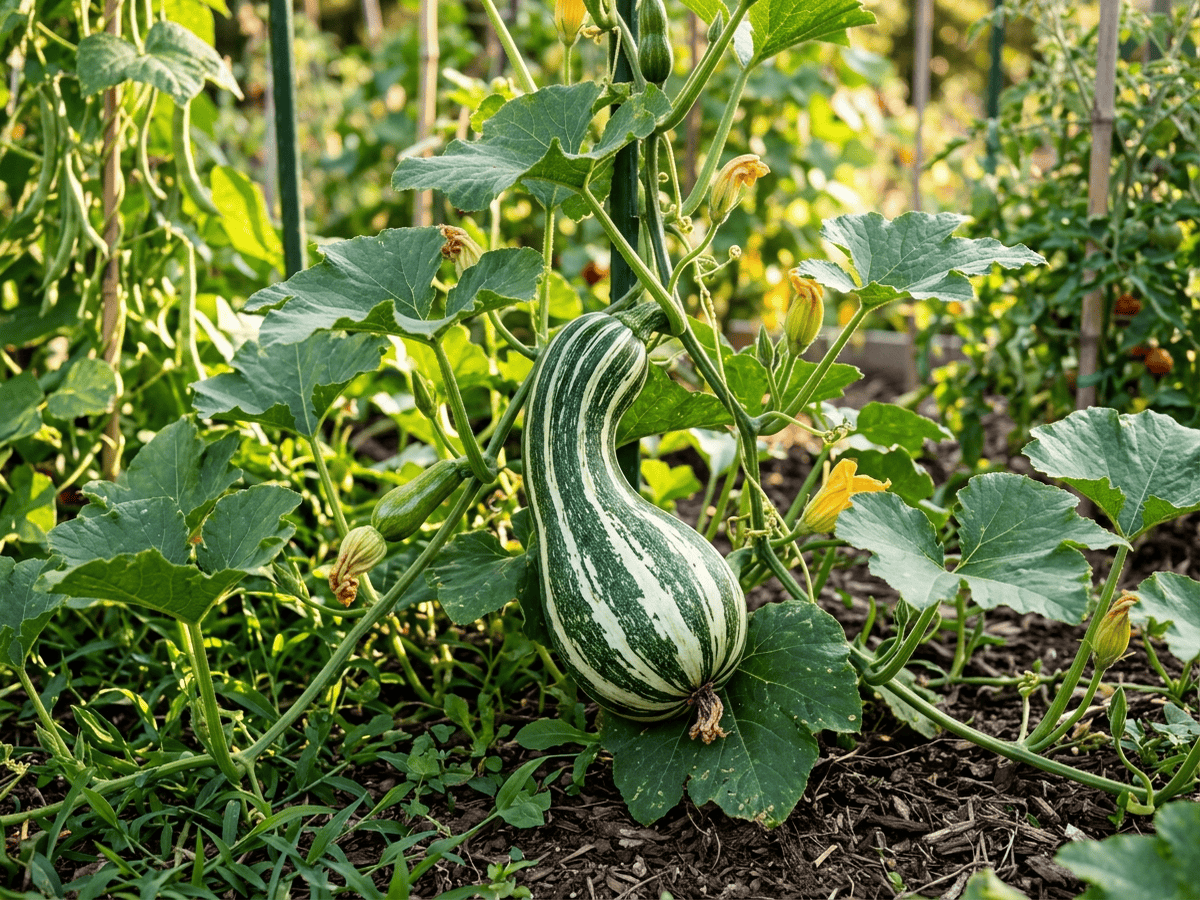
Cucurbita pepo is one of the most diverse and ancient cultivated plant species in the Cucurbitaceae family, native to North America and Mesoamerica. It encompasses an extraordinary range of forms: zucchini (courgette), acorn squash, yellow crookneck, pattypan, spaghetti squash, and—most iconically—the Halloween pumpkin. No other single species provides such variety of shapes, sizes, and culinary uses.
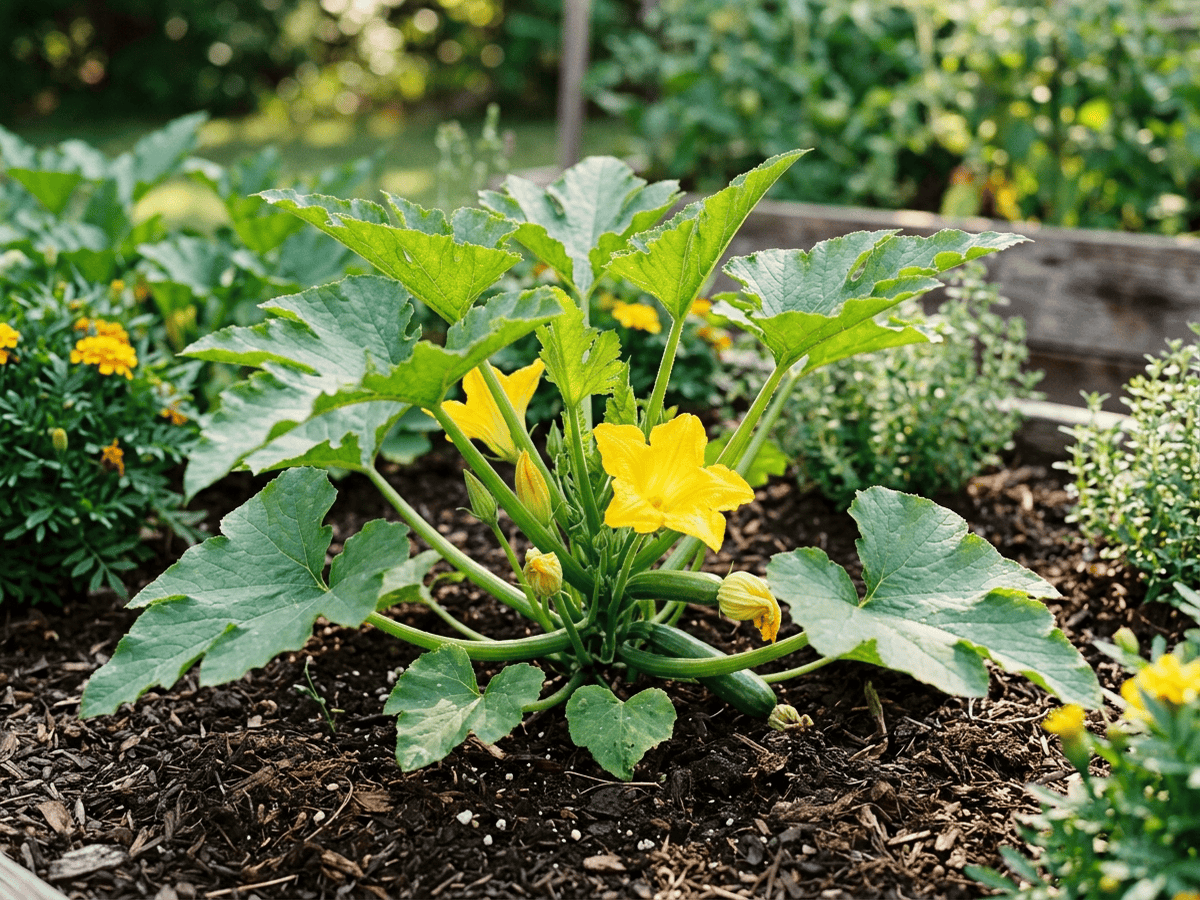
Plants are vigorous warm-season annuals requiring full sun, rich soil, and ample water. Bush types suit smaller gardens and containers, while vining types need significant space. Seeds germinate quickly in warm soil (above 18°C) and plants grow rapidly, with some cultivars producing fruit within 50 days. Pollination depends on bees visiting separate male and female flowers on the same plant.
Cucurbita pepo is one of the 'Three Sisters' of Native American agriculture, grown alongside maize and beans in a mutually beneficial polyculture. Archaeobotanical evidence places its domestication at over 10,000 years ago in Mexico, making it one of the earliest cultivated plants in the Americas. Today, zucchini is a summer garden staple worldwide, and pumpkins anchor autumn traditions from jack-o'-lanterns to Thanksgiving pie. The flowers are edible, stuffed and fried as a delicacy in Italian and Mexican cuisines.
- Edible
- Fast-growing
- Pollinator-friendly
How to care for American Pumpkin
Watering
- Springevery 3 days
- Summerevery 2 days
- Fallevery 4 days
- Winterevery 7 days
Soil · Rich & well-draining
- Top dressingCompost10%
- Main mixPotting soil + compost 3:180%
- DrainageGravel10%
Top up the compost layer each season.
FERTILIZER
Balanced Feed 14-14-14
An even feed covers all three needs at once, keeping leaves, roots and blooms moving together with nothing pushed out of balance.
- Nitrogen · Leaves
- Phosphorus · Roots + Blooms
- Potassium · Strength
- Springevery 14 days
- Summerevery 14 days
- Fallevery 21 days
At a Glance
- NativeNorth America
- Height1.5–3 ft (0.5–0.9 m)
- Spread10–20 ft (3–6.1 m)
- Flower colorYellow, Orange
- Foliage colorGreen
- Fruit colorGreen
- SoilRich, Loamy, Well-drained
- LocationsYard
Bloom time
BLOOM CYCLE
Peak bloom
Jun–Aug
Large yellow flowers open in the morning; hand-pollinate if bee activity is low for better fruit set.
Fragrance
NO FRAGRANCE
No notable fragrance.
Toxicity
Humans Slight
cucurbitacins (rare)
Slight
- Fruit
- Ingestion
EXPOSURE Eating fruit.
EFFECT Rare toxic squash syndrome from cucurbitacin-bitter fruit (usually from cross-pollination with ornamental gourd) and severe GI effects.
NOTE Bitter-tasting squash should never be eaten — cucurbitacin concentrations can cause severe poisoning.
Not reported
EXPOSURE No exposure route is reported.
EFFECT Cooked plain pumpkin/squash is a common dog diet fiber supplement.
NOTE No toxicity is reported for dogs in this catalog; this is not evidence that the plant is edible or harmless.
Not reported
EXPOSURE No exposure route is reported.
EFFECT Not listed as toxic.
NOTE No toxicity is reported for cats in this catalog; this is not evidence that the plant is edible or harmless.
Educational information, not medical or veterinary advice. If exposure is suspected, contact a doctor or veterinarian.
DISTRIBUTION


- Native
- Introduced
- North America
History

Cucurbita pepo has one of the longest cultivation histories of any American crop. Archaeological evidence from Oaxaca, Mexico (Guilá Naquitz Cave) places domestication at 8,000-10,000 years ago, predating maize and beans in the archaeological record. Native American peoples grew squash as part of the Three Sisters companion planting (maize, beans, squash) across what is now the central and eastern US.
Spanish and Portuguese ships carried it to Europe in the 16th century. Italian farmers in the 18th-19th centuries selected the immature long-green-fruited form now called "zucchina" (little squash); this cultivar was reintroduced to North America by Italian immigrants in the early 20th century, where it became common by the 1920s-30s. The species also includes acorn squash, delicata, spaghetti squash, most orange pumpkins, pattypan summer squash, and pumpkins carved for Halloween.
The giant-pumpkin-growing tradition emerged from 19th-century New England agricultural fairs and now regularly produces individual fruit exceeding 1,000 kilograms. Domesticated over 10,000 years ago in the Oaxaca Valley, C. pepo is one of the first plants cultivated in the Americas. It was integral to the Three Sisters agricultural system. European explorers brought it back in the 16th century. The tradition of carving jack-o'-lanterns was brought to America by Irish immigrants, who switched from turnips to the larger American pumpkin.
Symbolism & meaning
What It Symbolizes
The American Pumpkin is the universal emblem of harvest, swelling on the vine in late summer and crowning autumn tables across the continent. Its generosity is real — a single plant can feed a family for weeks with squash, seeds, and pies. From jack-o'-lanterns to Thanksgiving, it stands for nature's abundant giving and the seasonal turn from labor to gathered plenty.
- Harvest — Pumpkins and squash are universal symbols of autumn bounty and the harvest season
- Generosity — A single plant can feed a family for weeks, representing nature's abundant giving
Where the Name Comes From
The name American Pumpkin points to North America. Cucurbita from Latin for gourd; 'pepo' from Greek 'pepon' (large melon), originally meaning sun-ripened.
Uses & Fun Facts
- Pumpkin flesh bakes into pies and soups; seeds roast as snacks
- Large yellow blooms feed squash bees and bumblebees
- Iconic American fall harvest and Halloween jack-o-lantern
Related plants
More Cucurbita plants
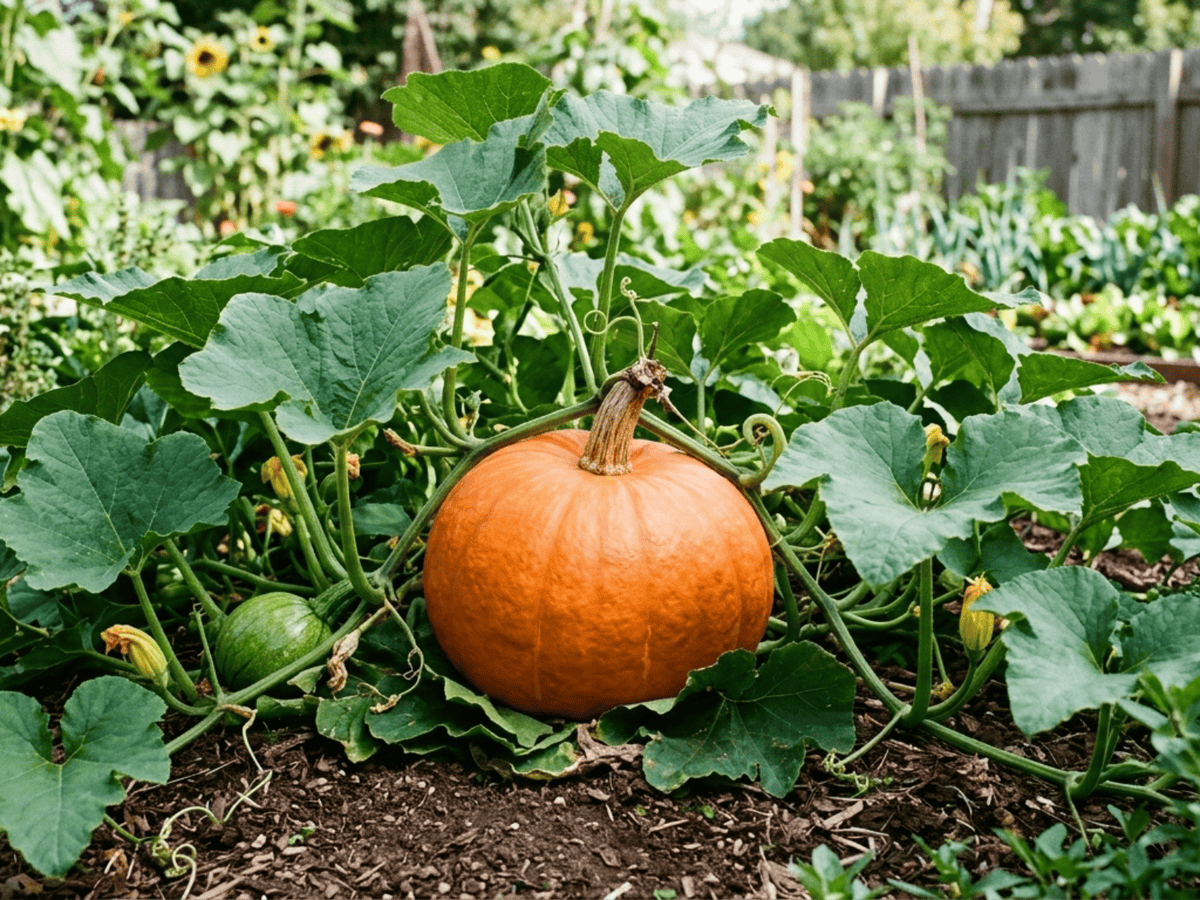
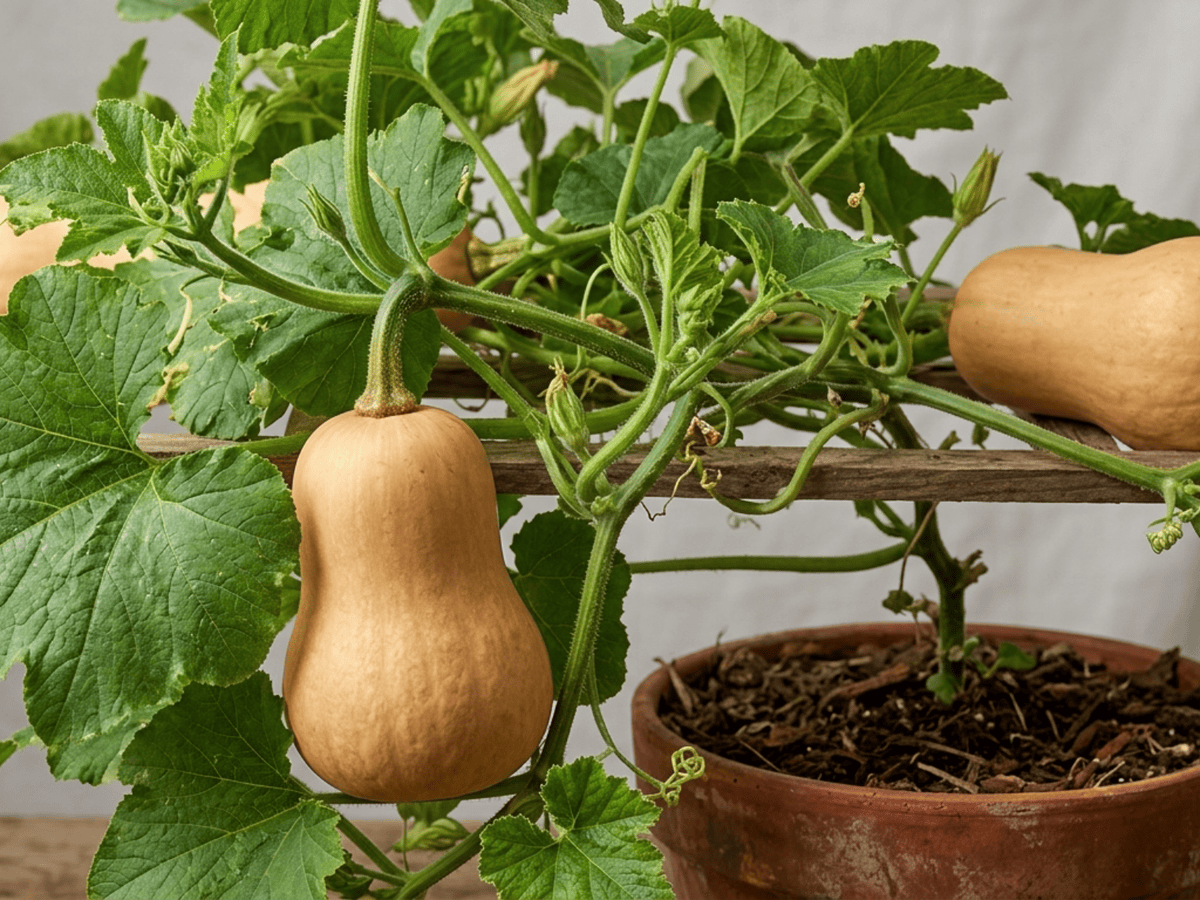
Plants with similar care
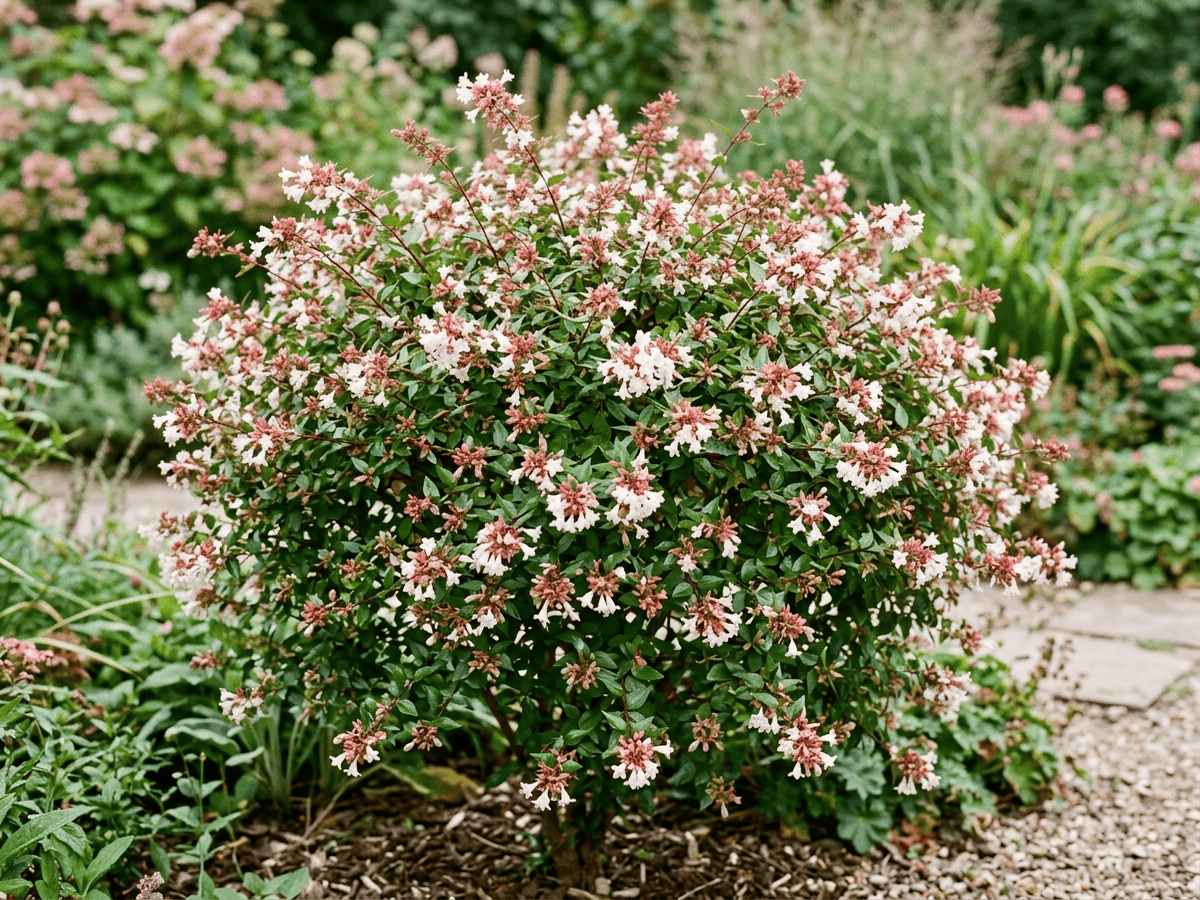 Chinese AbeliaAbelia chinensis
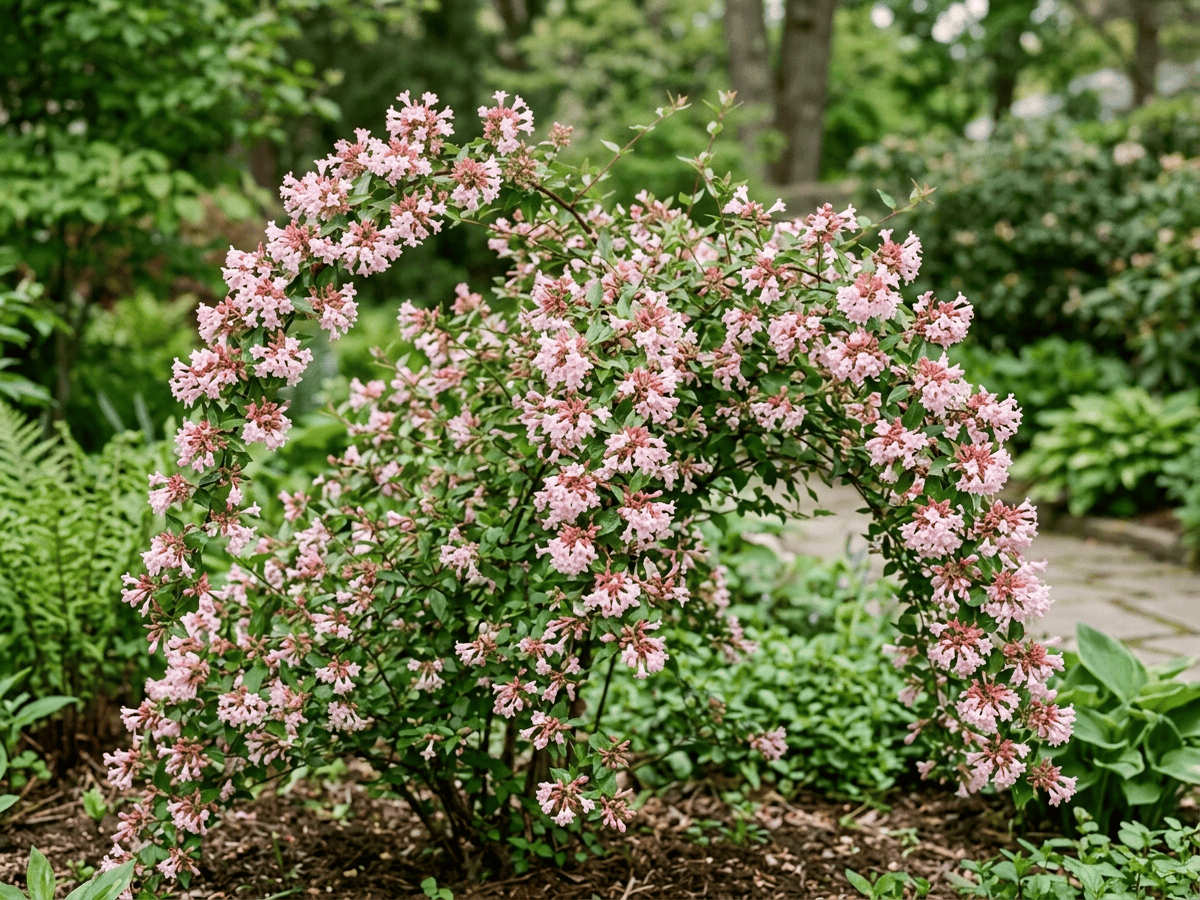 Fragrant AbeliaAbelia mosanensis
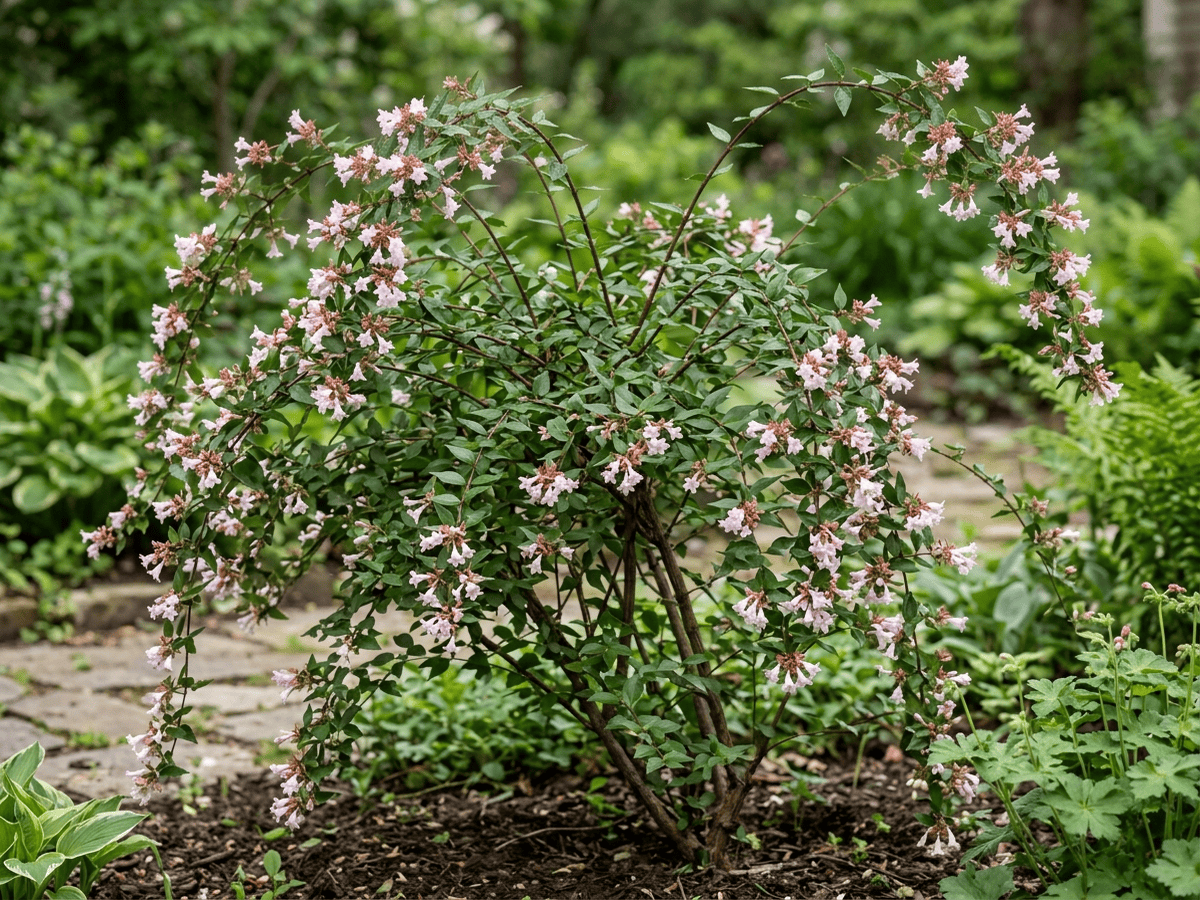 Large-Flowered AbeliaAbelia uniflora
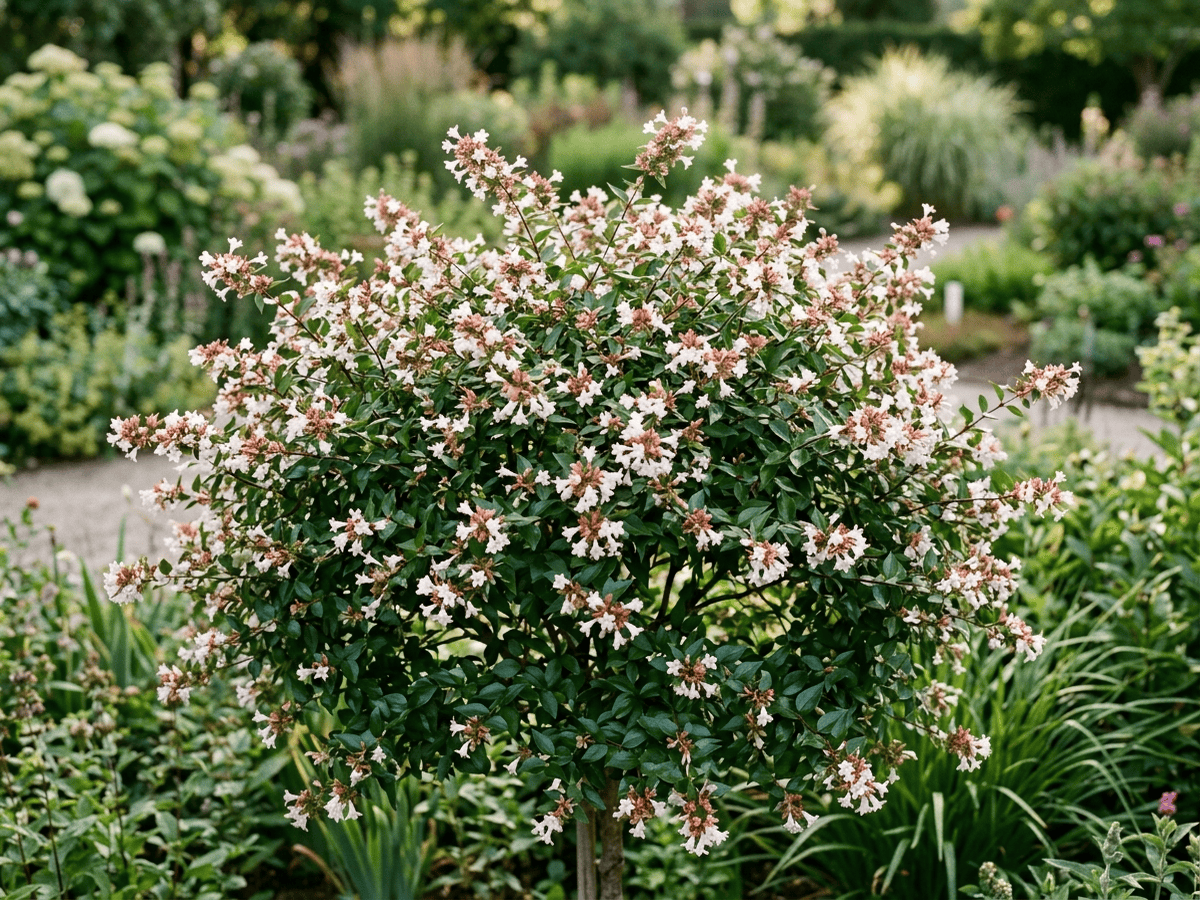 Glossy AbeliaAbelia x grandiflora
Frequently asked questions
How often should I water American Pumpkin?
In summer, water about every 2 days; in winter, about every 7 days. Adjust for heat, pot size and drainage.
How much light does American Pumpkin need?
Full sun: 6+ hrs direct. Watch the leaves — scorching or stretching means the light needs adjusting.
Is American Pumpkin toxic to cats or dogs?
Pets Not reported (Dogs Not reported · Cats Not reported) Educational information, not medical or veterinary advice. If exposure is suspected, contact a doctor or veterinarian.
Is American Pumpkin easy to grow?
Yes — it is considered an easy, beginner-friendly plant.
When does American Pumpkin bloom?
It typically blooms Jun–Aug in the Northern Hemisphere.
YardMate
Identify any plant in seconds
Snap a photo — YardMate names the plant, diagnoses problems, and reminds you when to water.
Download on the App Store