 YardMate


Squash
Cucurbita moschata
Medium · Some experienceAbout Squash
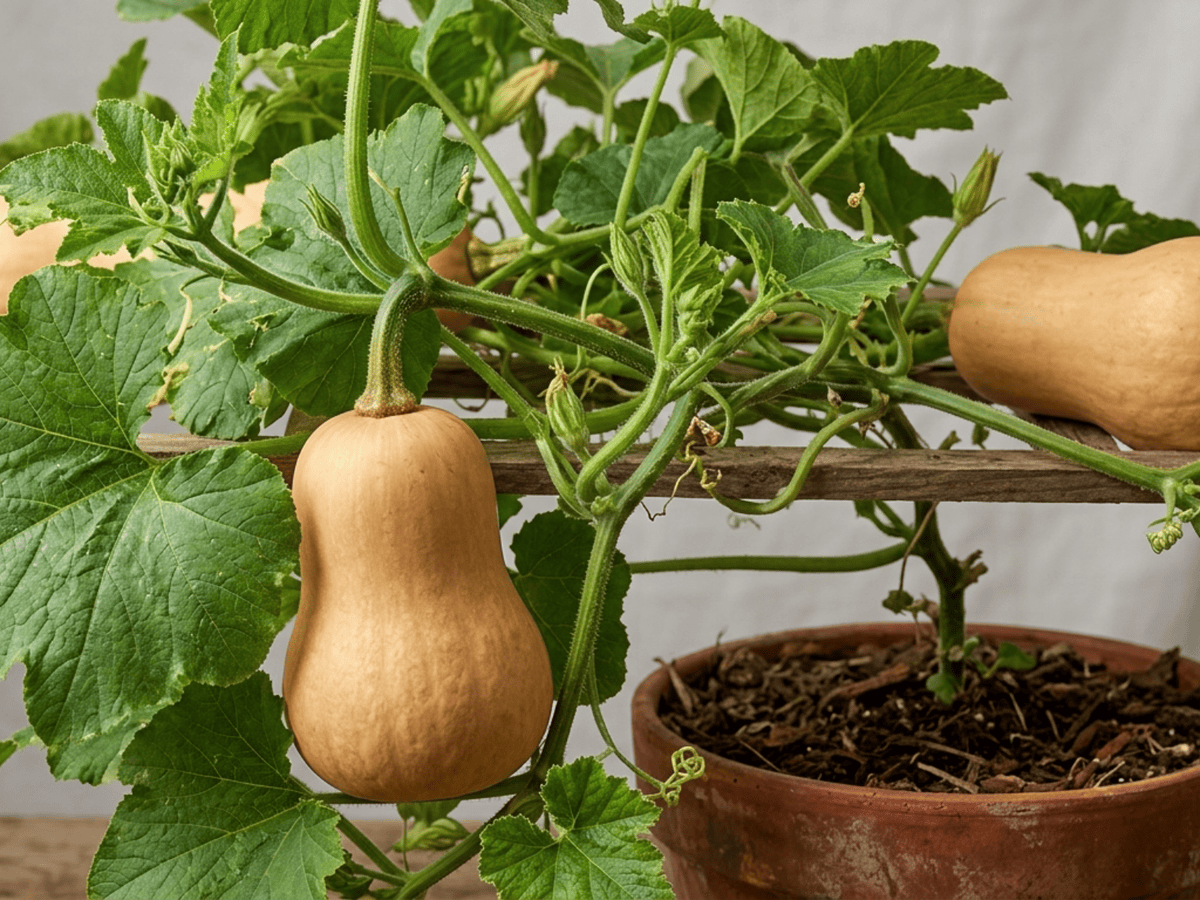
Cucurbita moschata, the butternut squash species, is a warm-season annual vine in the Cucurbitaceae family, likely originating from Central America or northern South America. This species includes butternut squash, Musquée de Provence, Long Island Cheese, and many tropical varieties. The plants produce long, trailing vines with large, softly hairy leaves and golden-yellow flowers.
C. moschata is the most heat-tolerant and pest-resistant of the major squash species, making it ideal for southern gardens (USDA zones 6–12). It requires 100–120 frost-free days, full sun, and rich, well-drained soil. The species shows natural resistance to squash vine borer—the nemesis of C. pepo—and better tolerance of powdery mildew, making it lower-maintenance in warm, humid climates.
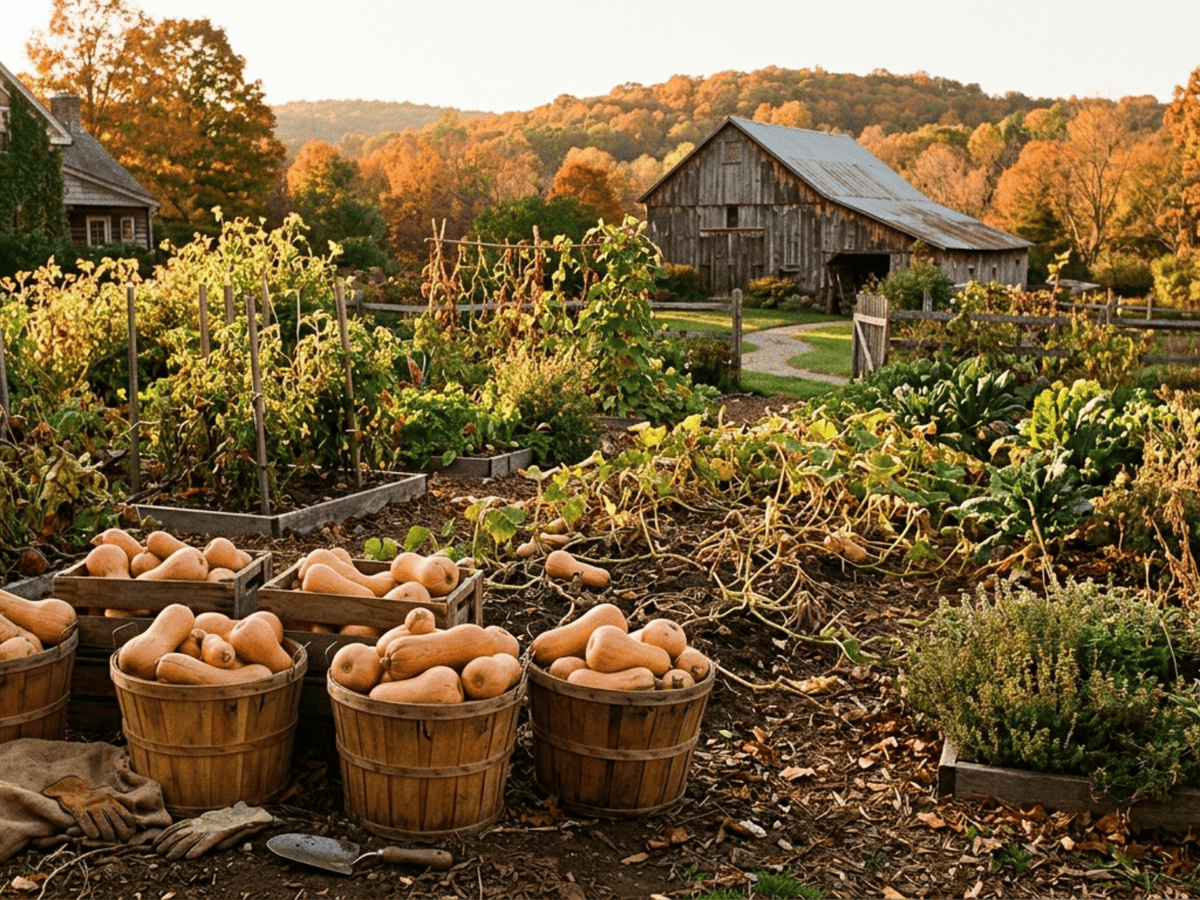
Butternut squash is arguably the most popular winter squash in modern kitchens: its smooth, tan skin, small seed cavity, and dense, sweet, nutty orange flesh make it versatile for soups, risottos, gratins, and baby food. The species stores exceptionally well—4 to 6 months in cool conditions. In tropical regions, the young shoots and leaves are eaten as a green vegetable. The 'Waltham Butternut,' developed at the University of Massachusetts in the 1960s, remains the gold standard cultivar.
- Edible
- Heat-tolerant
How to care for Squash
Watering
- Springevery 3 days
- Summerevery 2 days
- Fallevery 4 days
- Winterevery 7 days
Soil · Rich & well-draining
- Top dressingCompost10%
- Main mixPotting soil + compost 3:180%
- DrainageGravel10%
Top up the compost layer each season.
FERTILIZER
Balanced Feed 14-14-14
An even feed covers all three needs at once, keeping leaves, roots and blooms moving together with nothing pushed out of balance.
- Nitrogen · Leaves
- Phosphorus · Roots + Blooms
- Potassium · Strength
- Springevery 14 days
- Summerevery 14 days
- Fallevery 21 days
At a Glance
- NativeNorth America, Central America
- Height1–2 ft (0.3–0.6 m)
- Spread10–20 ft (3–6.1 m)
- Flower colorYellow, Orange
- Foliage colorGreen
- Fruit colorBrown
- SoilLoamy, Rich, Well-drained
- LocationsYard
Bloom time
BLOOM CYCLE
Peak bloom
Jun–Aug
Separate male and female flowers; hand-pollinate in the morning for reliable fruit set.
Fragrance
NO FRAGRANCE
No notable fragrance.
Toxicity
Humans Safe · Pets Safe
None reported
Safe
EXPOSURE No exposure route is reported.
EFFECT Widely consumed and no significant toxicity.
NOTE Listed as non-toxic for humans; avoid eating ornamental plants unless confirmed edible.
Safe
EXPOSURE No exposure route is reported.
EFFECT Not listed as toxic.
NOTE Listed as non-toxic for dogs; avoid eating ornamental plants unless confirmed edible.
Safe
EXPOSURE No exposure route is reported.
EFFECT Not listed as toxic.
NOTE Listed as non-toxic for cats; avoid eating ornamental plants unless confirmed edible.
Educational information, not medical or veterinary advice. If exposure is suspected, contact a doctor or veterinarian.
DISTRIBUTION

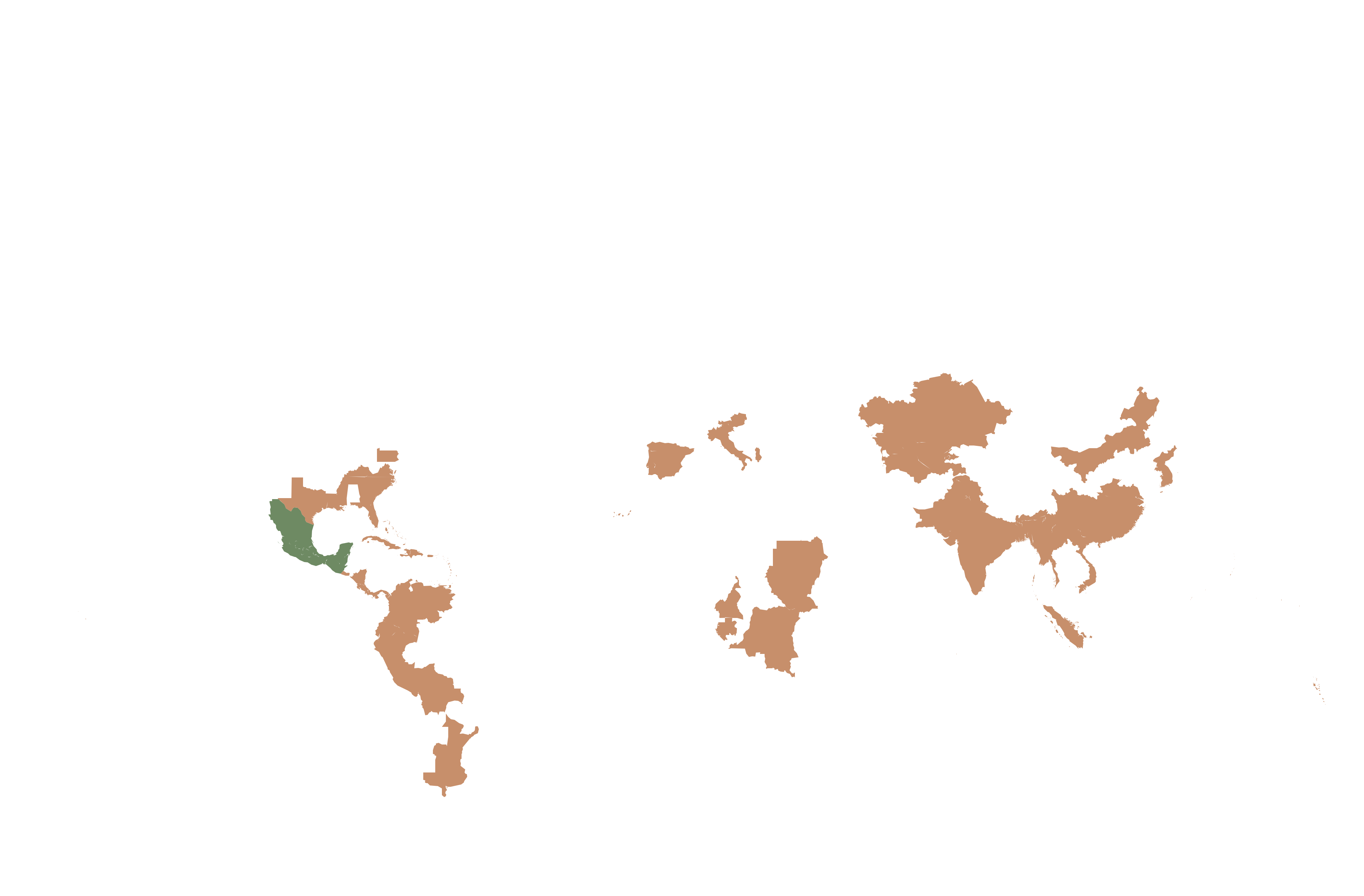
- Native
- Introduced
- North America
- Central America
History
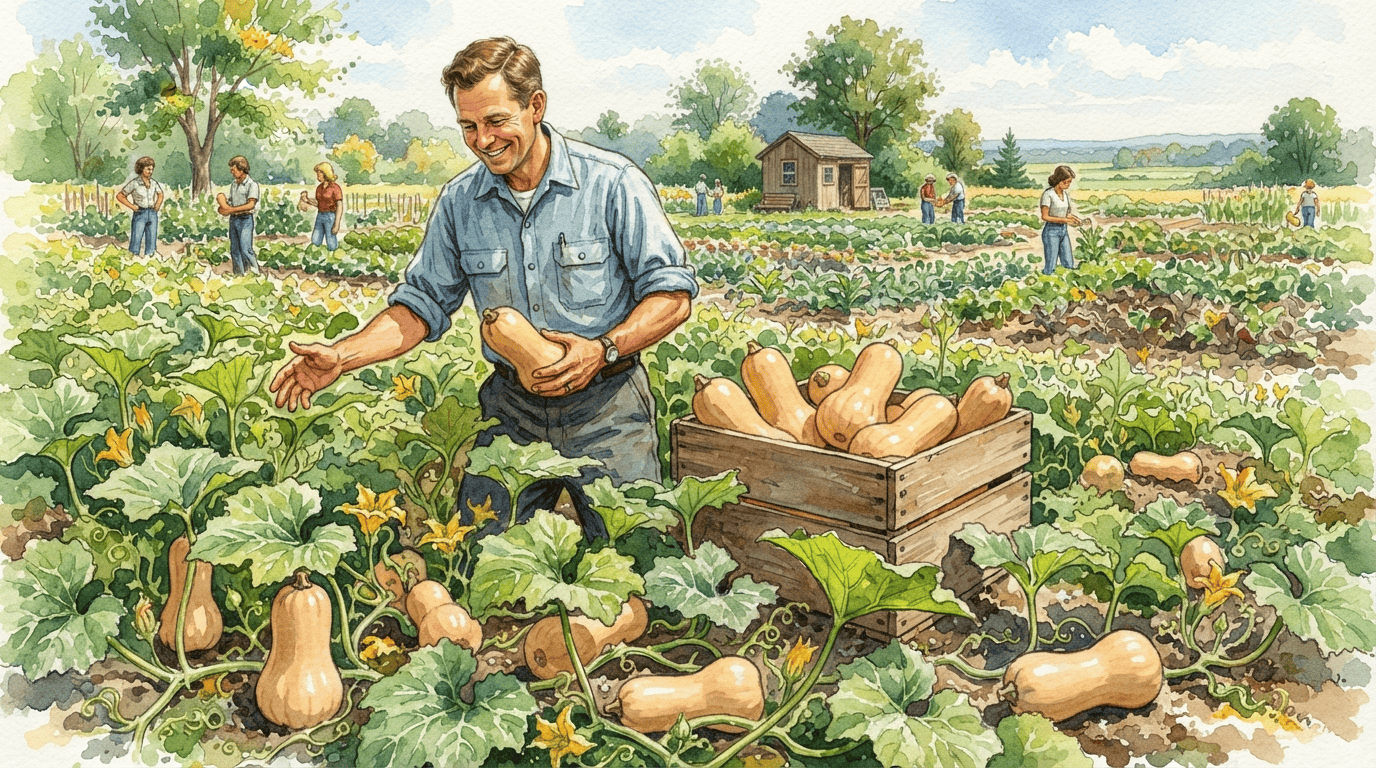
Cucurbita moschata is native to tropical Mexico and Central America and was domesticated at least 5,000 years ago. Unlike C. pepo and C. maxima, which struggle in hot humid climates, C. moschata's heat tolerance and disease resistance made it the dominant pumpkin across the American South, Central America, the Caribbean, tropical Africa, India, and Southeast Asia. Traditional cultivars include Crookneck, Cheese pumpkin (the original Thanksgiving pumpkin before bright orange Halloween C. pepo took the role), Tromboncino (Italian trombone zucchini), Waltham Butternut (developed at the University of Massachusetts in 1970 and now globally dominant in the butternut category), and the massive Caribbean calabaza.
Most canned pumpkin in North America is actually not orange C. pepo but C. moschata (specifically Dickinson cultivar grown by Libby's/Nestlé in Illinois), because of superior flavor and texture. Modern molecular-marker breeding has accelerated development of disease-resistant, high-yielding cultivars adapted to varied climates.
Archaeobotanical evidence from Peru and Mexico dates C. moschata cultivation to 4000–3000 BC. It was one of the first New World crops adopted across tropical Africa and Asia during the Columbian Exchange. The 'Waltham Butternut' was bred in 1968 and quickly became the world's most planted butternut variety.
Symbolism & meaning
What It Symbolizes
Butternut Squash expresses nourishment, its dense, sweet flesh feeding families through long winters and symbolizing sustenance and quiet care. Beyond the table it carries resilience — pest-resistant in the field and storing for months in the pantry, a plant that keeps providing long after harvest ends. A vegetable that turns a gardener's autumn into many people's January dinners.
- Nourishment — Butternut's dense, sweet flesh feeding families through winter symbolizes sustenance and care
- Resilience — Its pest resistance and long storage represent strength and enduring provision
Where the Name Comes From
Cucurbita from Latin for gourd; 'moschata' means musky, describing the ripe fruit's sweet, musky aroma.
Uses & Fun Facts
- Butternut-type fruits roast sweetly and thicken soups, curries, and pies
- Sprawling vines trained on sturdy trellises to save space
- Indigenous Three Sisters crop grown across the Americas
Related plants
More Cucurbita plants
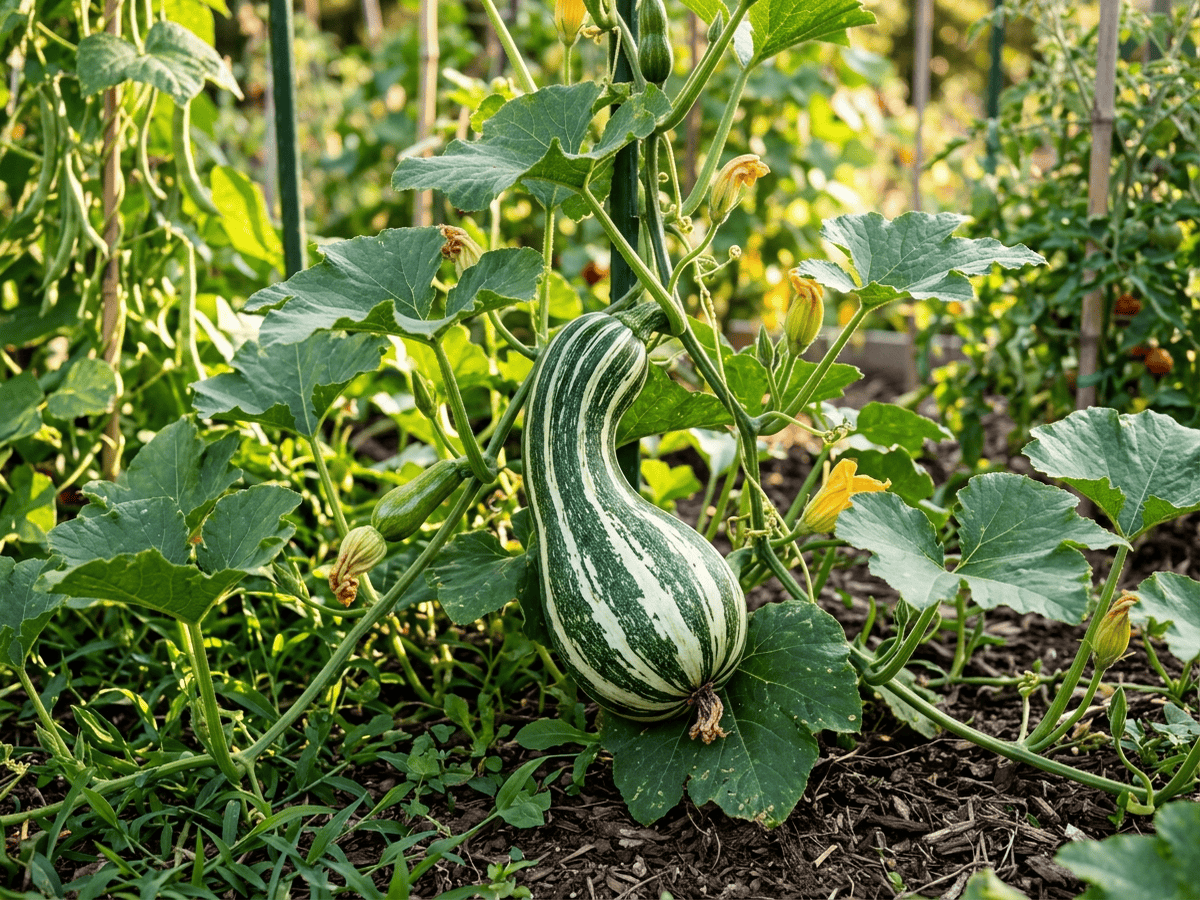
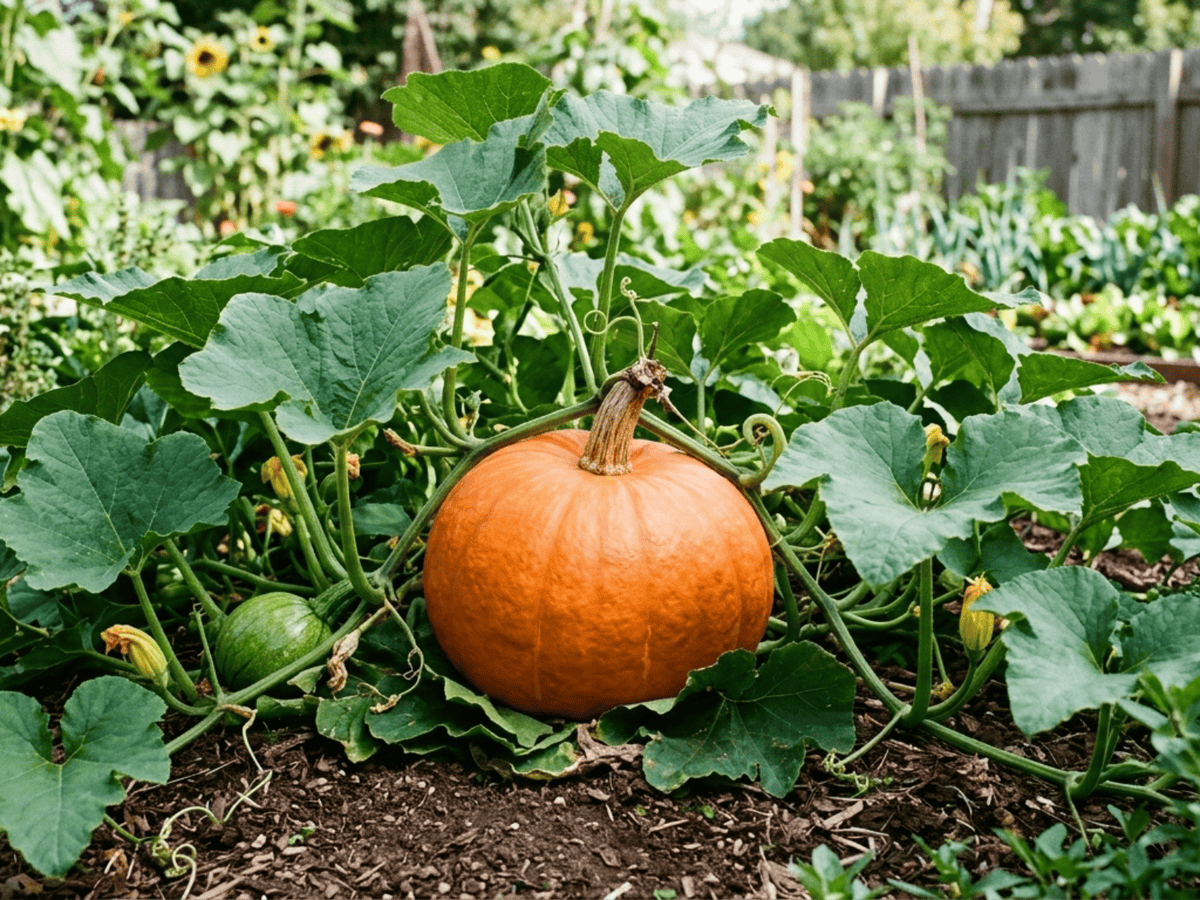
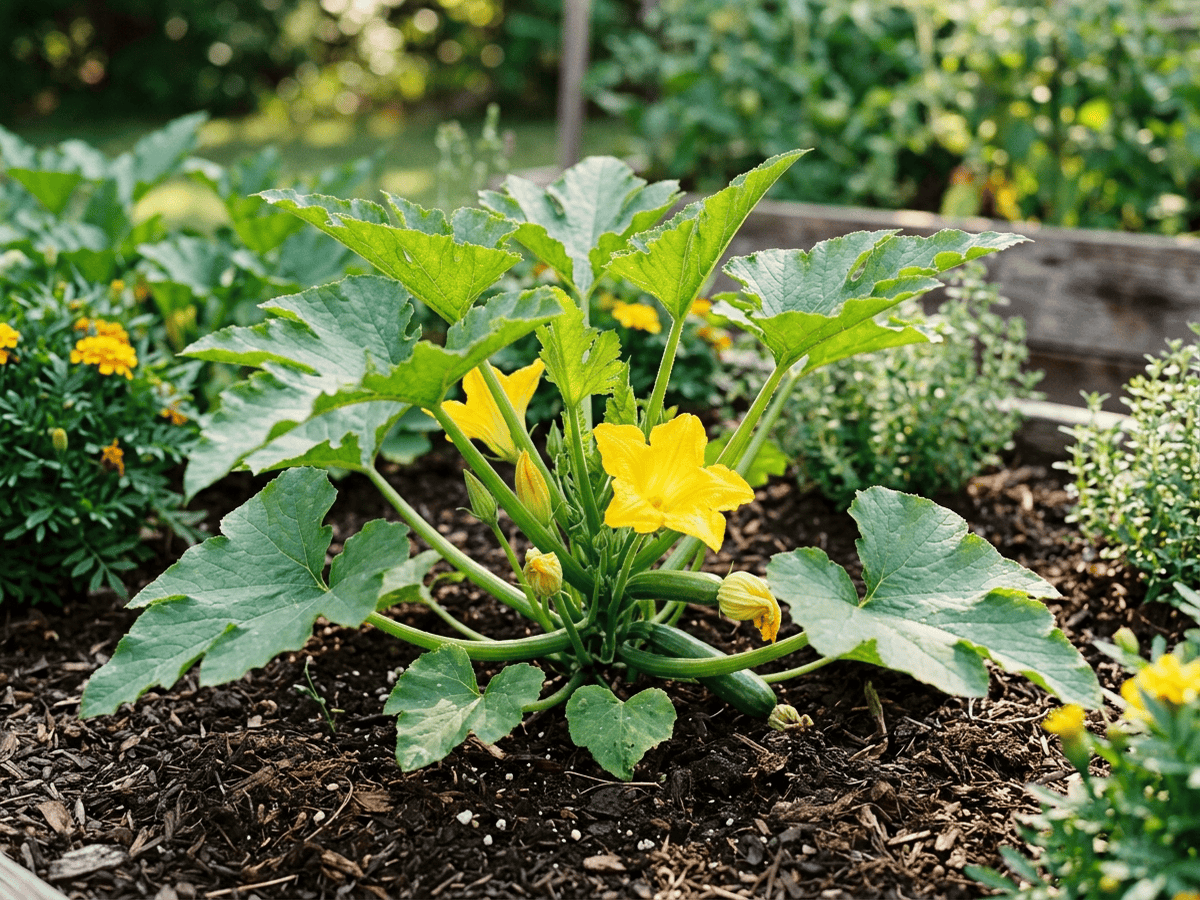
Plants with similar care
 Mexican AbeliaAbelia floribunda
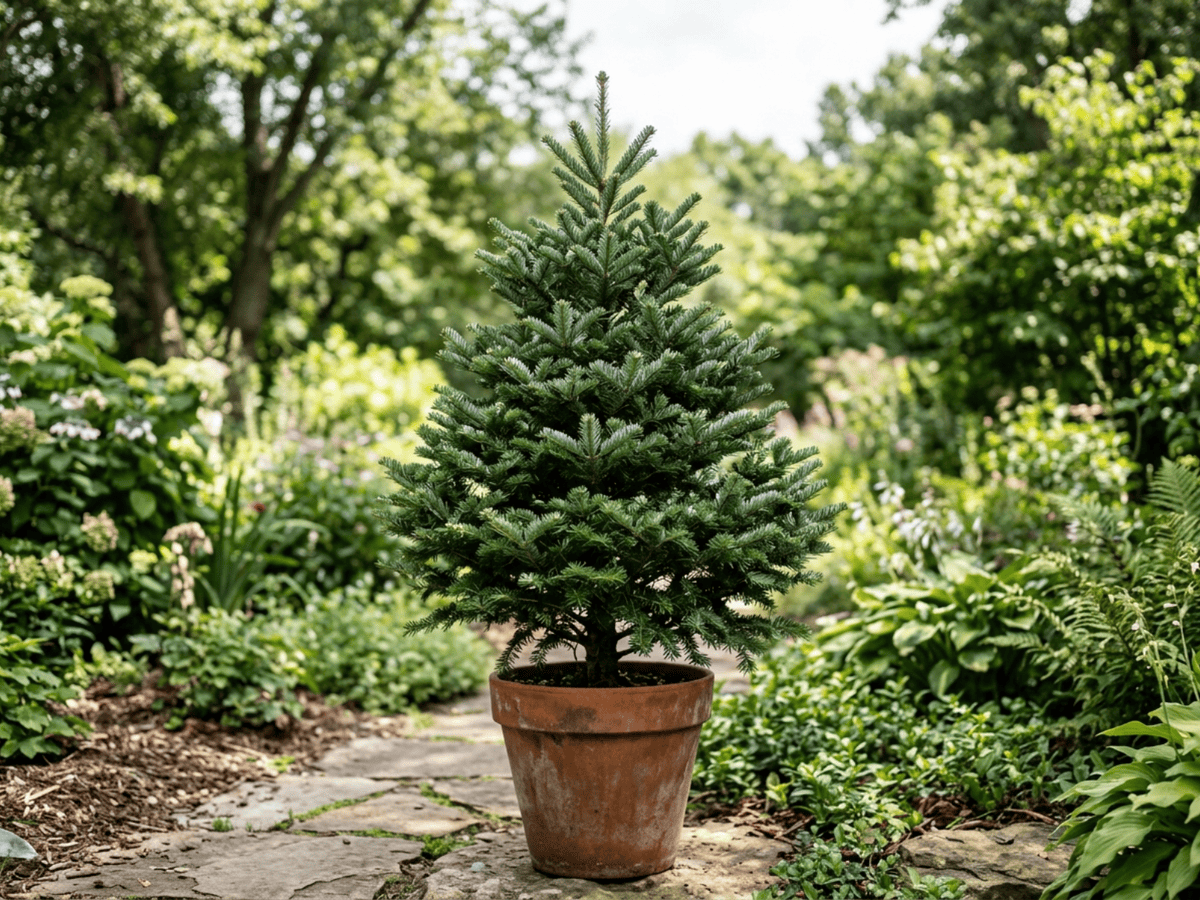 Fraser FirAbies fraseri
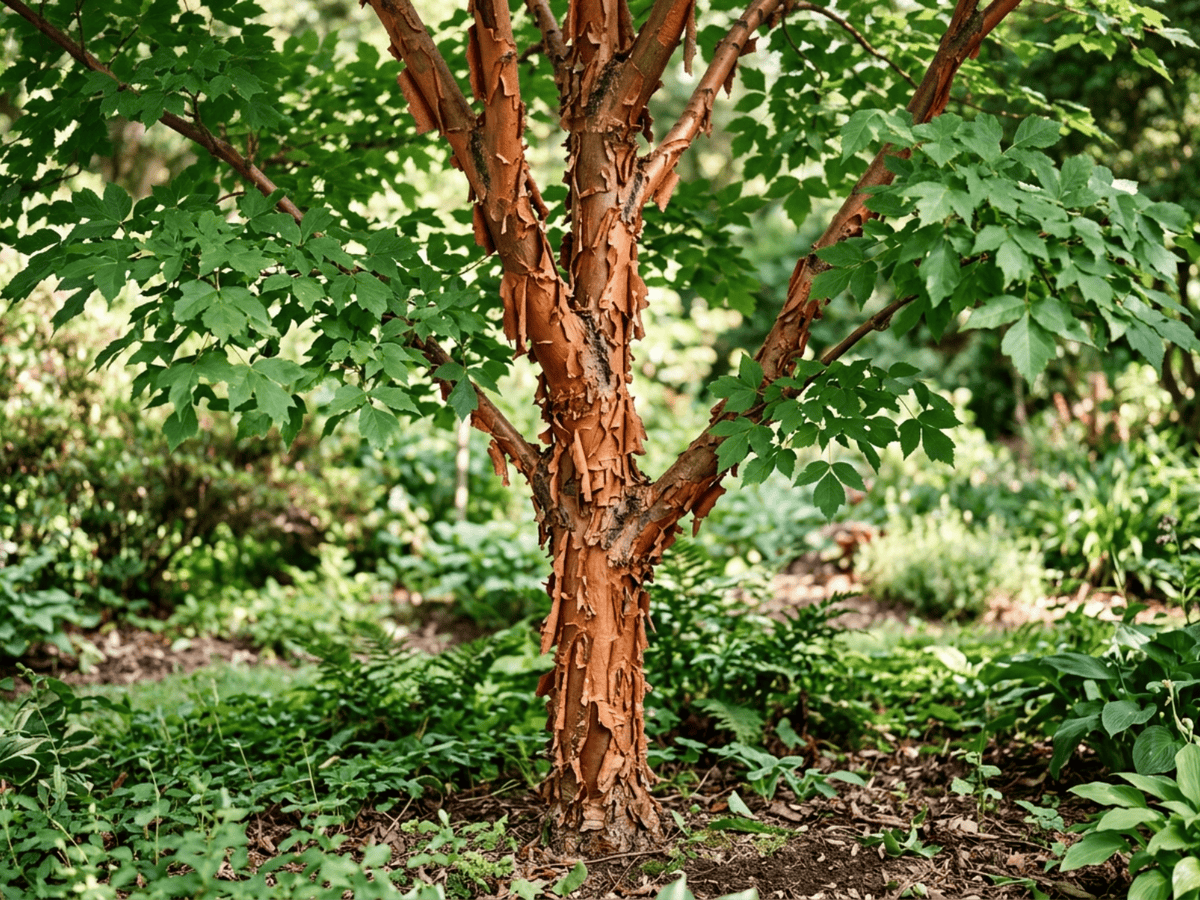 Paperbark MapleAcer griseum
 Sugar MapleAcer saccharum
Frequently asked questions
How often should I water Squash?
In summer, water about every 2 days; in winter, about every 7 days. Adjust for heat, pot size and drainage.
How much light does Squash need?
Full sun: 6+ hrs direct. Watch the leaves — scorching or stretching means the light needs adjusting.
Is Squash toxic to cats or dogs?
Pets Safe (Dogs Safe · Cats Safe) Educational information, not medical or veterinary advice. If exposure is suspected, contact a doctor or veterinarian.
Is Squash easy to grow?
It is moderately demanding: a good choice once you have a little experience.
When does Squash bloom?
It typically blooms Jun–Aug in the Northern Hemisphere.
YardMate
Identify any plant in seconds
Snap a photo — YardMate names the plant, diagnoses problems, and reminds you when to water.
Download on the App Store