 YardMate



Arugula
Eruca sativa
Easy · Beginner friendlyAbout Arugula
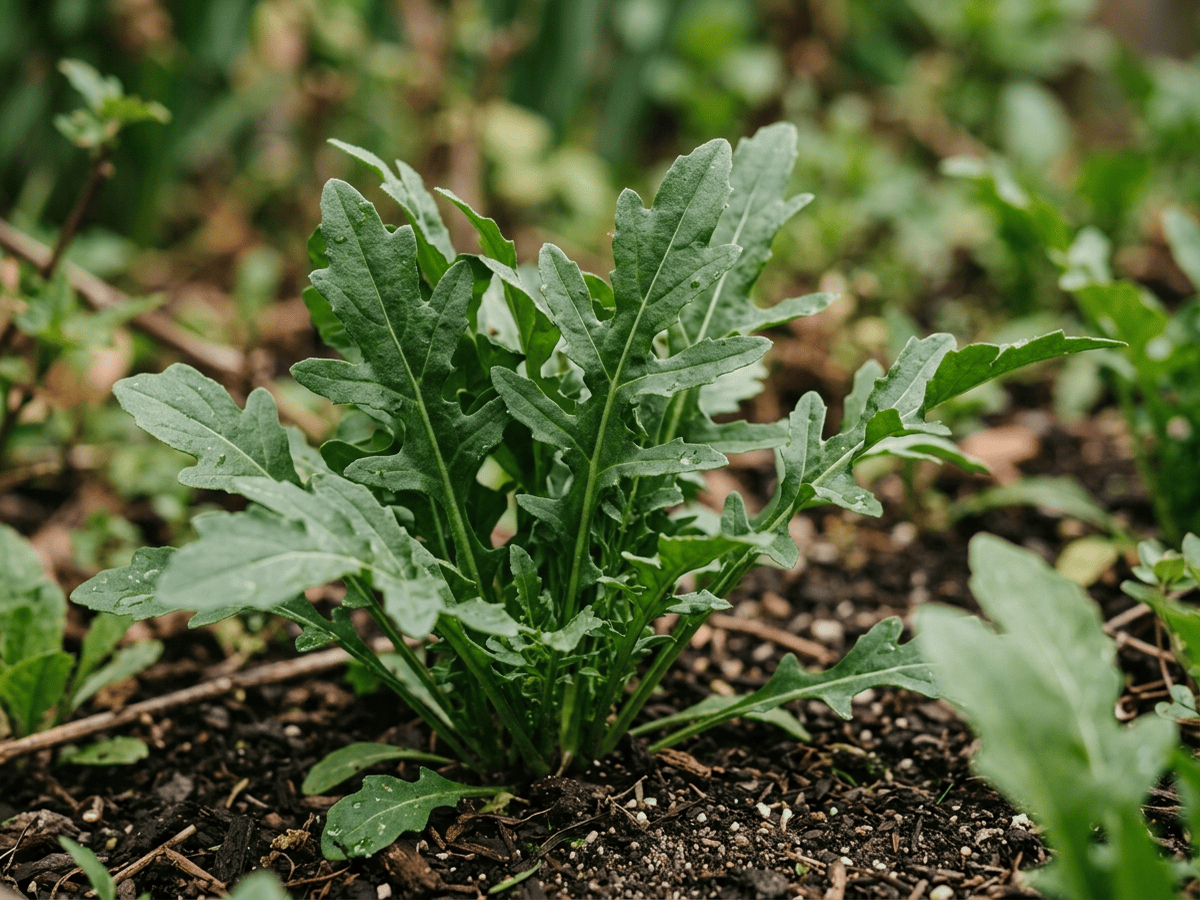
Arugula or Rocket is a Mediterranean cool-season annual leafy green reaching 12-24 inches tall, with deeply lobed peppery-flavored green leaves and small cream-colored flowers veined with purple. A defining green of Italian cuisine—essential in pizza arugula, pasta dishes, and salads. Quick to grow and harvest in 30-40 days, it has become one of the most popular salad greens in modern American kitchen gardens.
- Edible
- Fast-growing
How to care for Arugula
Watering
- Springevery 3 days
- Summerevery 3 days
- Fallevery 5 days
- Winterevery 7 days
Soil · Rich & well-draining
- Top dressingCompost10%
- Main mixPotting soil + compost 3:180%
- DrainageGravel10%
Top up the compost layer each season.
FERTILIZER
Balanced Feed 14-14-14
An even feed covers all three needs at once, keeping leaves, roots and blooms moving together with nothing pushed out of balance.
- Nitrogen · Leaves
- Phosphorus · Roots + Blooms
- Potassium · Strength
- Springevery 30 days
- Summerevery 30 days
- Fallevery 30 days
At a Glance
- NativeMediterranean, Africa, Western Asia
- Height1–3 ft (0.3–0.9 m)
- Spread0.5–1 ft (0.2–0.3 m)
- Flower colorCream, Purple
- Foliage colorGreen
- SoilLoamy, Well-drained
- LocationsYard · Balcony
Bloom time
BLOOM CYCLE
Peak bloom
Jun–Aug
Cream flowers veined with purple if bolted
Fragrance
MODERATE FRAGRANCE
The foliage has a peppery-mustard aroma when bruised scent.
Toxicity
Humans Safe · Pets Safe
glucosinolates (glucoerucin)
Safe
EXPOSURE No exposure route is reported.
EFFECT No toxic effect is reported.
NOTE Listed as non-toxic for humans; avoid eating ornamental plants unless confirmed edible.
Safe
EXPOSURE No exposure route is reported.
EFFECT No toxic effect is reported.
NOTE Listed as non-toxic for dogs; avoid eating ornamental plants unless confirmed edible.
Safe
EXPOSURE No exposure route is reported.
EFFECT No toxic effect is reported.
NOTE Listed as non-toxic for cats; avoid eating ornamental plants unless confirmed edible.
Educational information, not medical or veterinary advice. If exposure is suspected, contact a doctor or veterinarian.
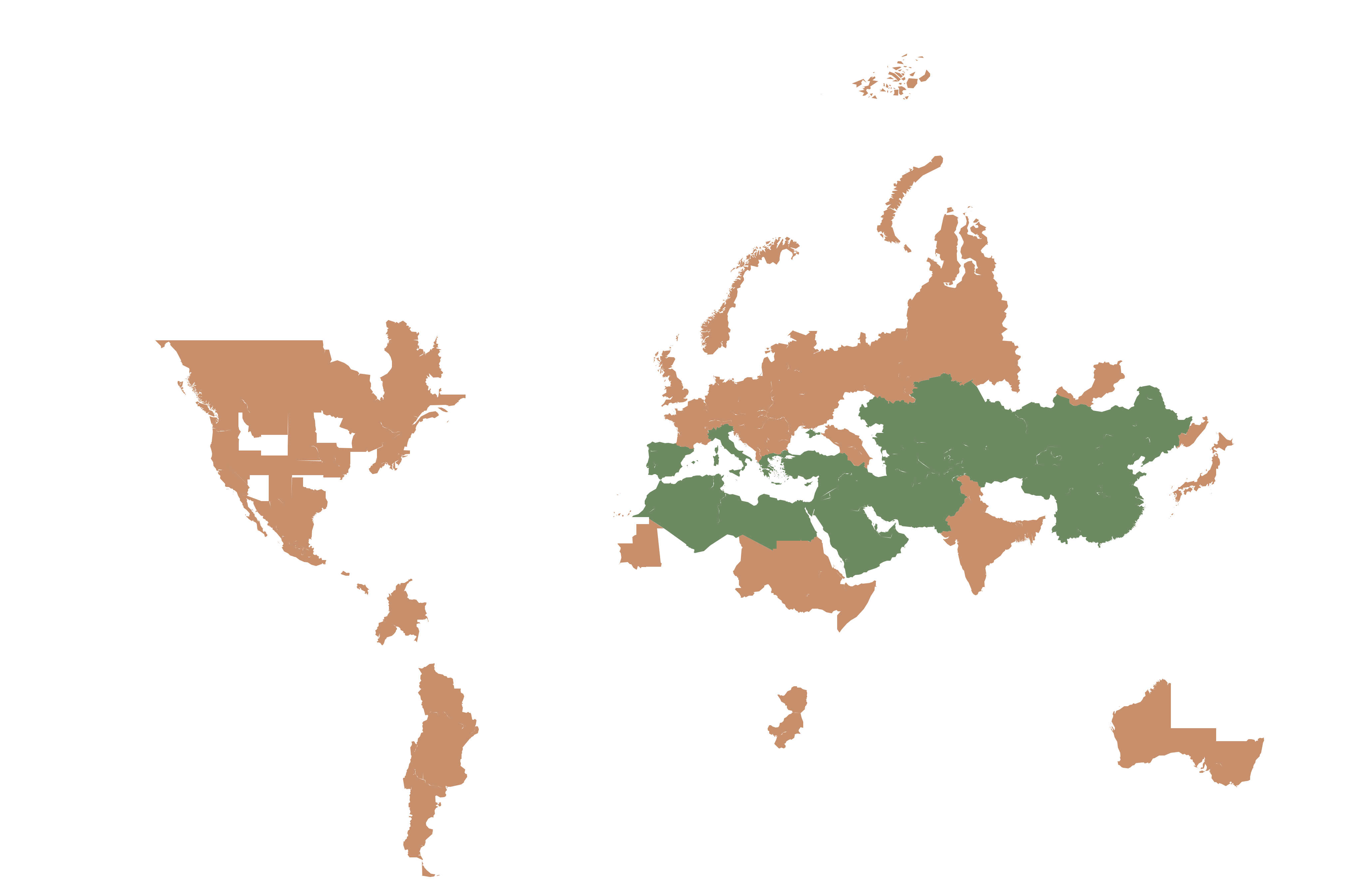
DISTRIBUTION

- Native
- Introduced
- Mediterranean
- Africa
- Western Asia
History

Eruca sativa, commonly called arugula, rucola, rucula, rocket, or garden rocket, is an annual herb in the cabbage family (Brassicaceae) native to the Mediterranean basin, North Africa, and western Asia from Morocco and the Iberian Peninsula east through the Caucasus to Iran and Pakistan. Scottish botanist Philip Miller described it in 1768 in the Gardeners Dictionary. Modern molecular and morphological studies treat Eruca as a monospecific or bispecific genus; many contemporary treatments classify cultivated arugula as Eruca vesicaria subsp. sativa.
The plant has been cultivated since Ancient Greek and Roman times—Pliny the Elder recommended it, and the Romans valued the seeds as an aphrodisiac (leading medieval monastic orders to ban it from cloister gardens). Plants grow 30-90 cm tall with deeply lobed pinnate green leaves that carry the species' trademark sharp peppery mustard-like flavor, and produce cross-shaped creamy-white to pale-yellow four-petaled flowers with characteristic purple-brown veining.
After declining from mainstream European cuisine for centuries, arugula experienced a major resurgence from the 1990s onward and is now a global salad staple. Long obscure in American kitchens until the gourmet food movement of the 1980s-90s made it ubiquitous in salads, pasta, and pizza.
Symbolism & meaning
What It Symbolizes
Rocket salad is liveliness on the plate — a peppery, slightly bitter zing that the Romans believed could quicken the senses and the spirits alike. As a piece of culinary heritage it traveled from Roman tables through Italian kitchens and into modern American salads, where its old name survives in arugula. Few greens carry so direct a line from antiquity to the supermarket bag.
- Liveliness — peppery zing animates salads
- Heritage — Roman culinary tradition reborn in modern American cuisine
Where the Name Comes From
The name Rocket Salad points to rocky habitats. 'Eruca' is the Latin name for the plant; 'sativa' means cultivated.
Uses & Fun Facts
- Peppery young arugula leaves eaten raw in salads and pesto
- Pale yellow flowers attract bees when allowed to bolt
Related plants
Plants with similar care
 Chinese AbeliaAbelia chinensis
 Fragrant AbeliaAbelia mosanensis
 Large-Flowered AbeliaAbelia uniflora
 Glossy AbeliaAbelia x grandiflora
Frequently asked questions
How often should I water Arugula?
In summer, water about every 3 days; in winter, about every 7 days. Adjust for heat, pot size and drainage.
How much light does Arugula need?
Full sun: 6+ hrs direct. Watch the leaves — scorching or stretching means the light needs adjusting.
Is Arugula toxic to cats or dogs?
Pets Safe (Dogs Safe · Cats Safe) Educational information, not medical or veterinary advice. If exposure is suspected, contact a doctor or veterinarian.
Is Arugula easy to grow?
Yes — it is considered an easy, beginner-friendly plant.
When does Arugula bloom?
It typically blooms Jun–Aug in the Northern Hemisphere.
YardMate
Identify any plant in seconds
Snap a photo — YardMate names the plant, diagnoses problems, and reminds you when to water.
Download on the App Store