 YardMate

Apple
Malus domestica
Medium · Some experienceAbout Apple
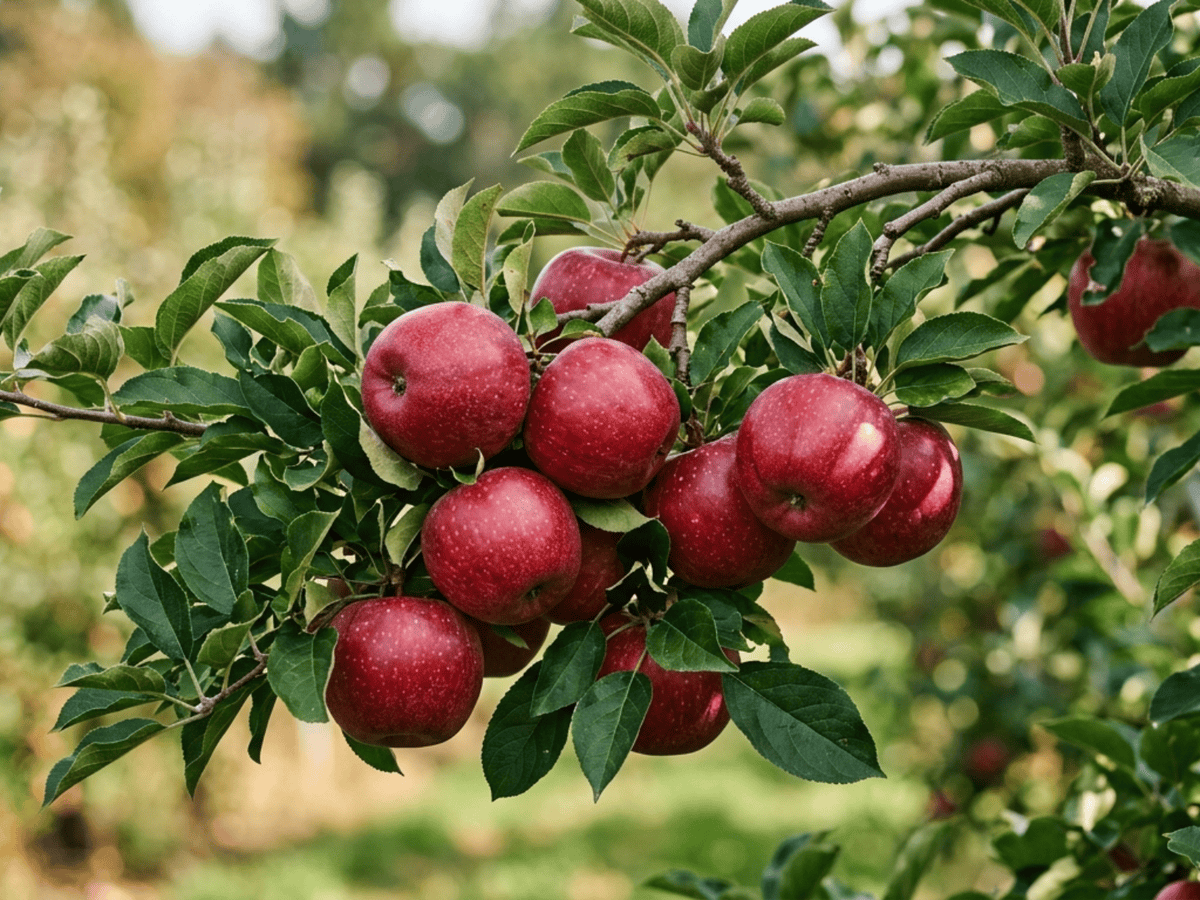
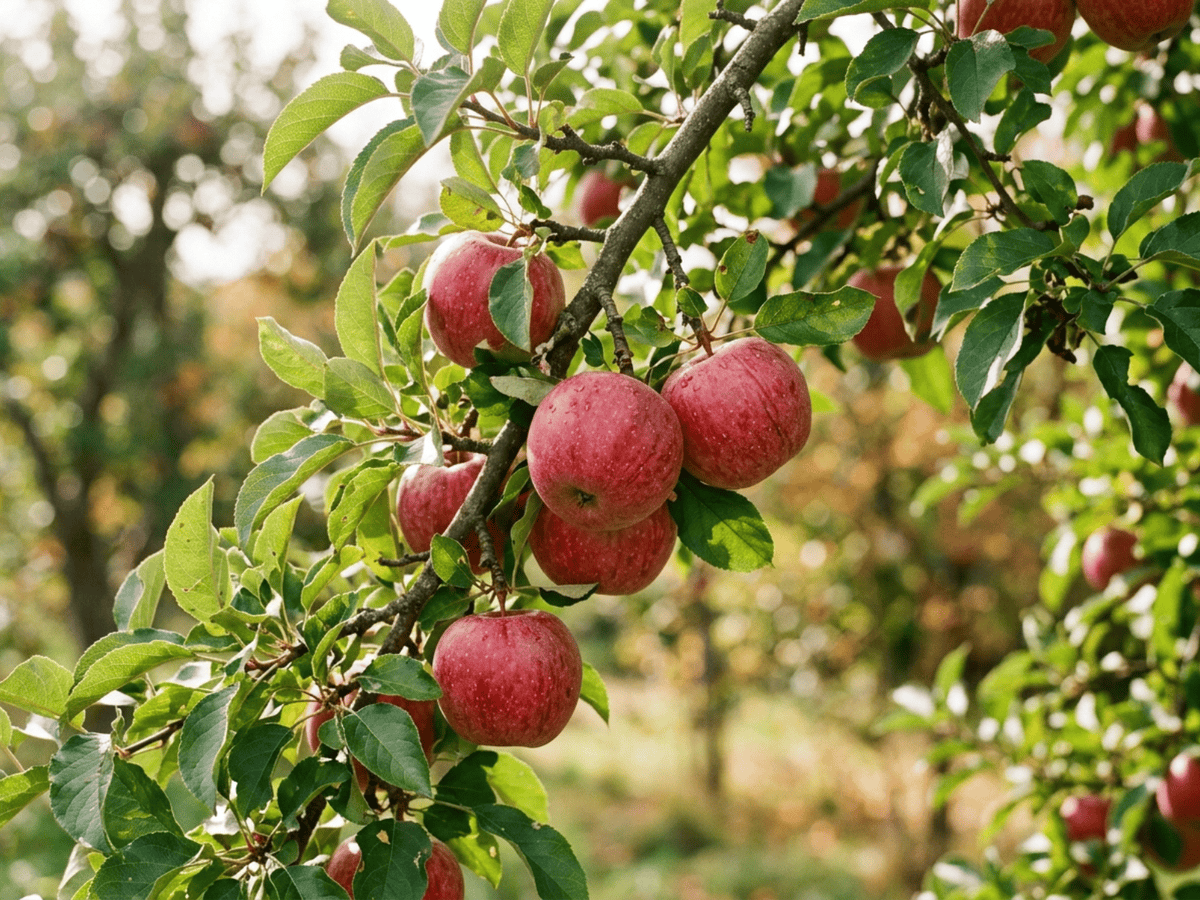
Malus domestica, the domestic apple, is a small deciduous fruit tree descended largely from wild apples of Central Asia, especially the forests of Kazakhstan. Thousands of cultivars now exist, from crisp dessert apples to cider, sauce, and storage types. Spring blossoms feed pollinators, while autumn fruit reflects centuries of grafting, selection, and orchard craft. Apples need winter chill, full sun, well-drained soil, and often a second compatible cultivar for pollination. Their culinary range is immense: fresh eating, pies, cider, vinegar, drying, and preserves. Nutritionally, apples provide fiber, polyphenols, and vitamin C, making them a steady everyday fruit rather than a miracle food. Modern breeding continues to produce new cultivars such as Honeycrisp, Cosmic Crisp, and SweeTango.
- Edible
- Cold-hardy
- Pollinator-friendly
How to care for Apple
Watering
- Springevery 7 days
- Summerevery 5 days
- Fallevery 10 days
- Winterevery 21 days
Soil · Well-draining
- Top dressingPine bark mulch10%
- Main mixPotting soil + perlite 2:170%
- DrainageLECA / gravel20%
Never skip the drainage layer — standing water is the top cause of root rot.
FERTILIZER
Balanced Feed 14-14-14
An even feed covers all three needs at once, keeping leaves, roots and blooms moving together with nothing pushed out of balance.
- Nitrogen · Leaves
- Phosphorus · Roots + Blooms
- Potassium · Strength
- Springevery 30 days
- Summerevery 30 days
- Fallevery 45 days
At a Glance
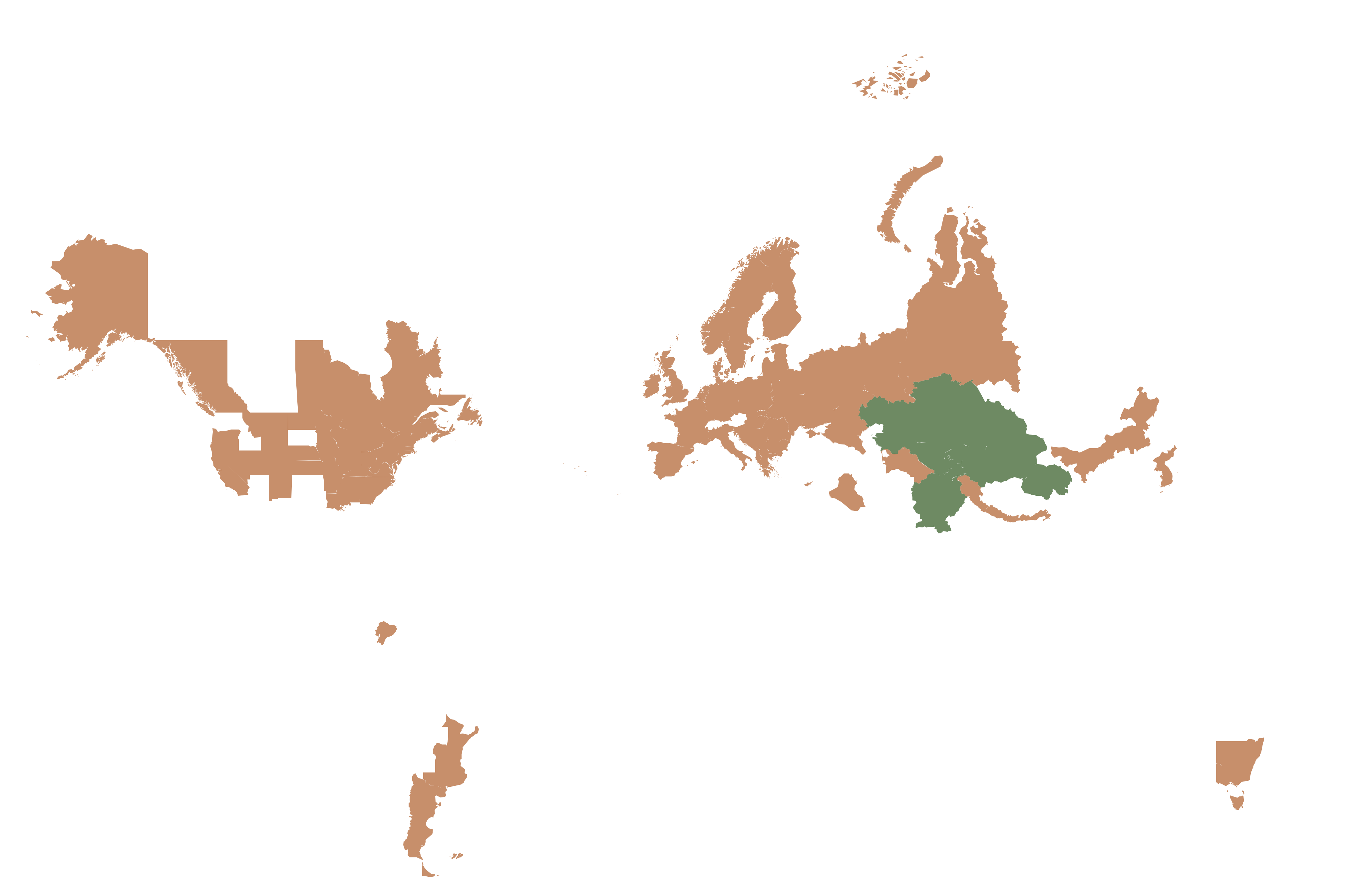
- NativeWestern Asia
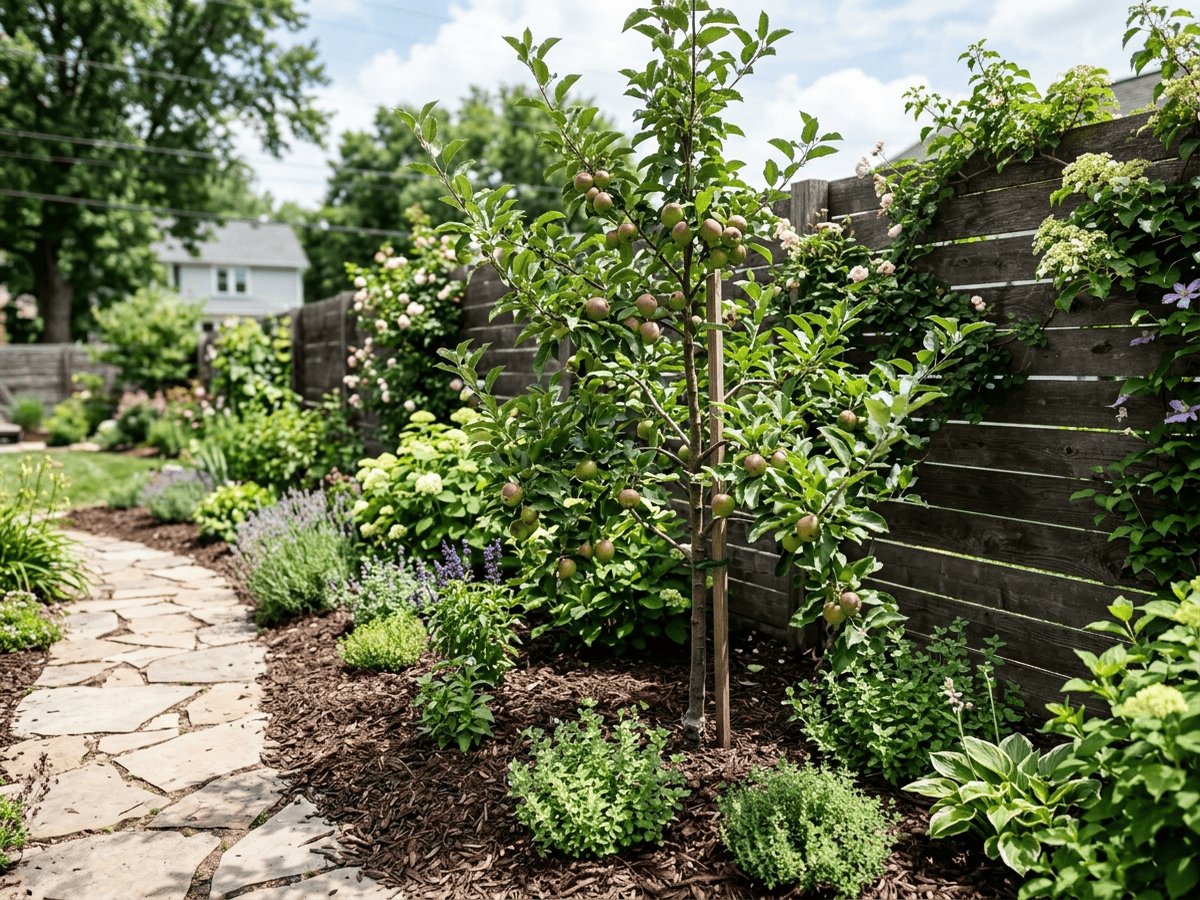
- Height15–30 ft (4.6–9.1 m)
- Spread15–30 ft (4.6–9.1 m)
- Flower colorWhite, Pink
- Foliage colorGreen
- Fruit colorRed
- SoilLoamy, Well-drained
- LocationsYard
Bloom time
BLOOM CYCLE
Peak bloom
Mar–May
Beautiful pink-white blossoms in spring; need a different cultivar nearby for cross-pollination (most varieties).
Fragrance
MODERATE FRAGRANCE
Sweet spring apple-blossom scent; ripe fruit has varietal aroma from esters and alcohols.
Toxicity
Humans Slight · Pets Slight
amygdalin (seeds)
Slight
- Seed
- Ingestion
EXPOSURE Eating seeds.
EFFECT Seeds contain amygdalin (cyanogenic), chewed in quantity can release hydrogen cyanide, and flesh safe.
NOTE Flesh widely and safely consumed; discard cores from pet-accessible trash.
Slight
- Seed
- Core
- Ingestion
EXPOSURE Eating seeds and core.
EFFECT Seeds contain cyanogenic glycosides and flesh safe.
NOTE Flesh widely and safely consumed; discard cores from pet-accessible trash.
Slight
- Seed
- Core
- Ingestion
EXPOSURE Eating seeds and core.
EFFECT Seeds contain cyanogenic glycosides and flesh safe.
NOTE Flesh widely and safely consumed; discard cores from pet-accessible trash.
Educational information, not medical or veterinary advice. If exposure is suspected, contact a doctor or veterinarian.
DISTRIBUTION

- Native
- Introduced
- Western Asia
History
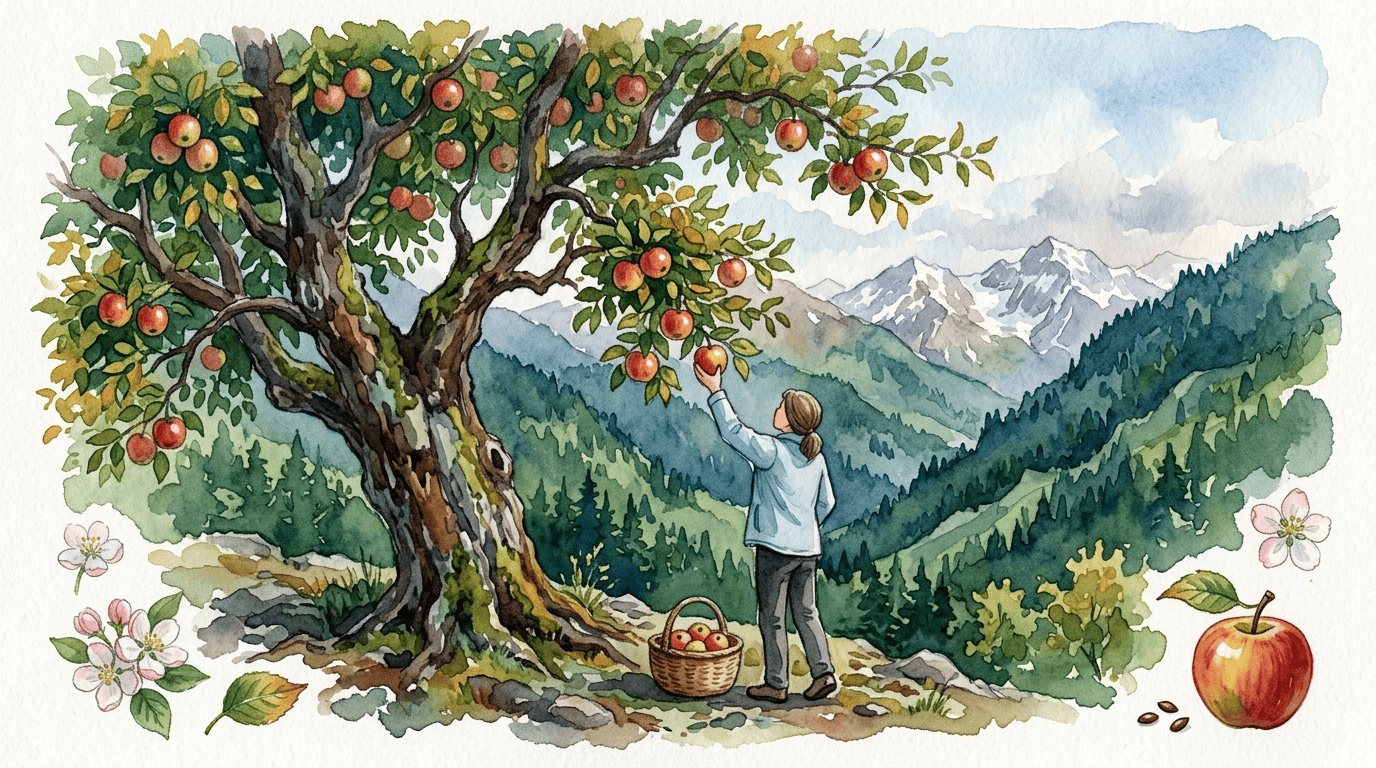
Malus domestica descends primarily from Malus sieversii, a wild apple species whose wild forests still stand in the Tien Shan mountains of Kazakhstan near Almaty — the city's name literally means "apple" in Kazakh. Molecular studies have shown that domestic apples also incorporate genes from M. sylvestris (European crab apple) through millennia of hybridization as apples moved west along the Silk Road. Ancient Mesopotamian, Egyptian, Greek, and Roman cultures all cultivated apples.
Roman expansion carried apple cultivation across Europe; medieval European monasteries preserved and developed varieties. John Chapman (1774-1845), known as "Johnny Appleseed," planted apple nurseries across the American Midwest in the late 18th and early 19th centuries — but his apples were not the eating apples that US legend often depicts. Most 19th-century American apples were grown for hard cider, and Chapman's mission had a combined commercial/religious motivation (he was a Swedenborgian missionary).
US Prohibition (1920-1933) saw the FBI chop down apple orchards, and American apple growers responded by promoting eating apples with the slogan "An apple a day keeps the doctor away" (first recorded 1913). Modern production tops 80 million tonnes globally. Wild Malus sieversii in Kazakhstan's Tian Shan mountains is the primary ancestor. Apples spread via the Silk Road and were cultivated by ancient Greeks and Romans.
Symbolism & meaning
What It Symbolizes
The apple is the fruit of knowledge, woven into Eden, into Newton's gravity-stricken garden, into countless myths of temptation, learning, and discovery — perhaps no other fruit carries so much intellectual baggage. It is also the fruit of health, immortalized in the proverb that an apple a day keeps the doctor away. Few foods stand at the crossroads of myth, science, and homely wisdom so squarely.
- Knowledge — From the Tree of Knowledge to Newton's apple, the fruit symbolizes learning, discovery, and temptation
- Health — 'An apple a day' has made it the universal symbol of wholesome well-being
Where the Name Comes From
Malus from Latin for apple tree; 'domestica' means cultivated/of the household. The English 'apple' comes from Old English 'æppel,' one of the most ancient words in the Germanic languages.
Uses & Fun Facts
- Crisp sweet-tart fruit eaten fresh, baked, juiced, and dried
- Pink-and-white spring blossoms are prime honeybee orchard forage
- Fallen fruit feeds deer, foxes, and many bird species
Related plants
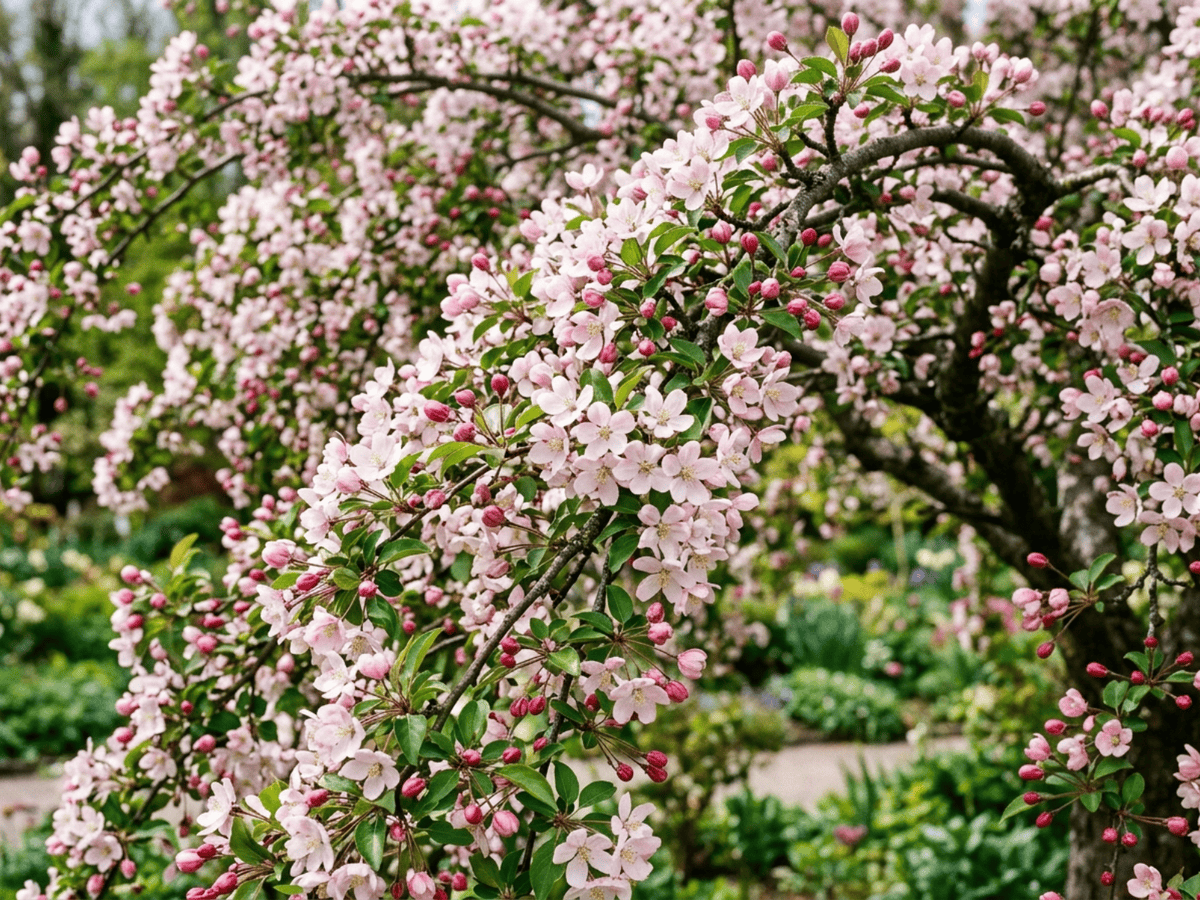
More Malus plants
Plants with similar care
 Mexican AbeliaAbelia floribunda
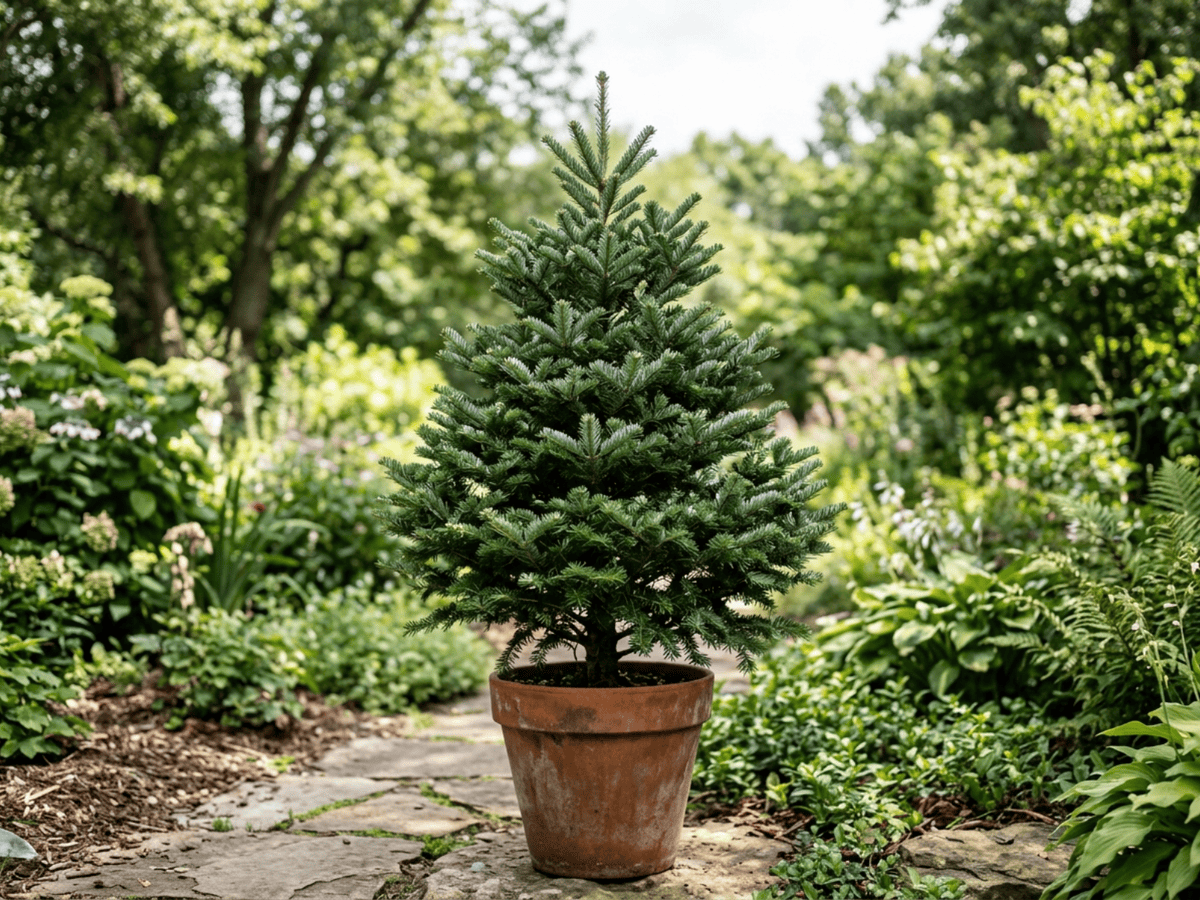 Fraser FirAbies fraseri
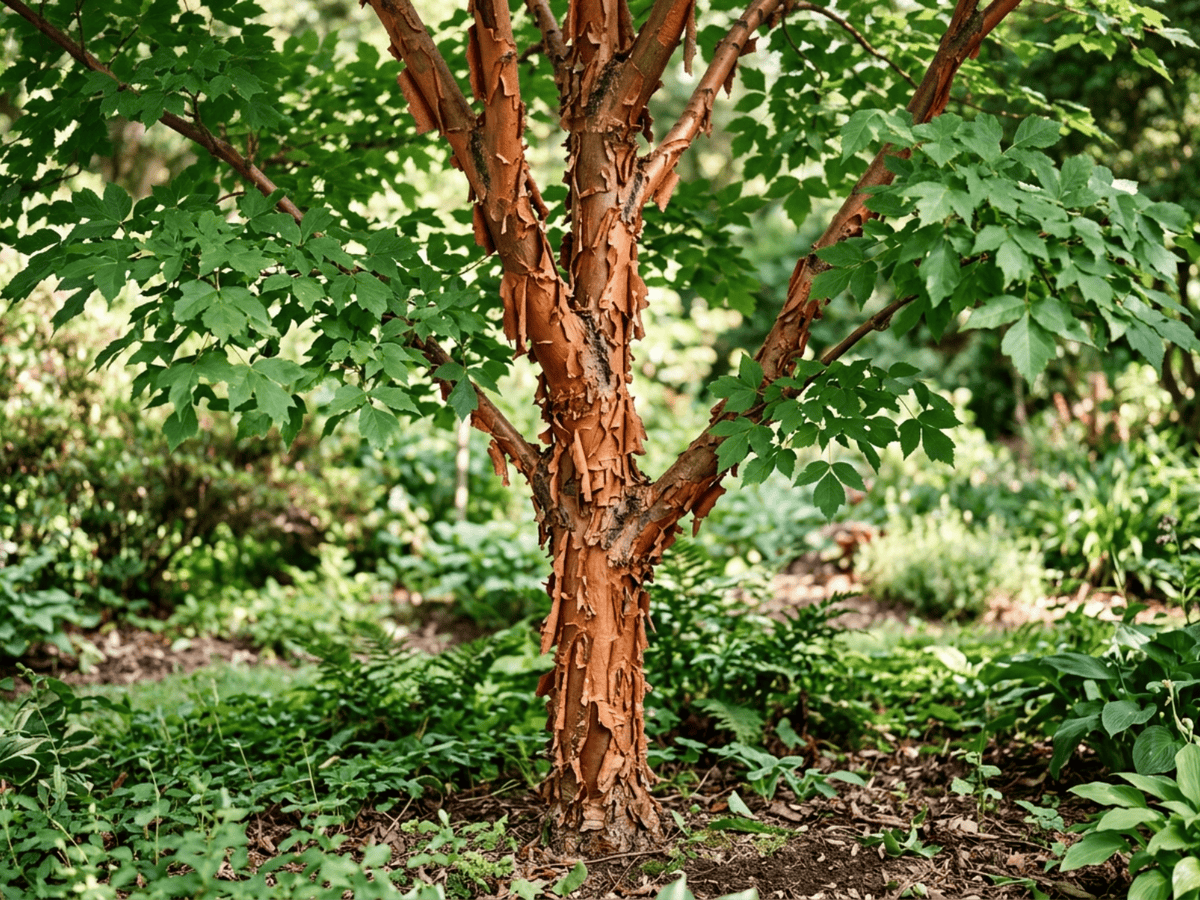 Paperbark MapleAcer griseum
 Sugar MapleAcer saccharum
Frequently asked questions
How often should I water Apple?
In summer, water about every 5 days; in winter, about every 21 days. Adjust for heat, pot size and drainage.
How much light does Apple need?
Full sun: 6+ hrs direct. Watch the leaves — scorching or stretching means the light needs adjusting.
Is Apple toxic to cats or dogs?
Pets Slight (Dogs Slight · Cats Slight) Educational information, not medical or veterinary advice. If exposure is suspected, contact a doctor or veterinarian.
Is Apple easy to grow?
It is moderately demanding: a good choice once you have a little experience.
When does Apple bloom?
It typically blooms Mar–May in the Northern Hemisphere.
YardMate
Identify any plant in seconds
Snap a photo — YardMate names the plant, diagnoses problems, and reminds you when to water.
Download on the App Store