 YardMate


Sweet Cicely
Myrrhis odorata
Easy · Beginner friendlyAbout Sweet Cicely
Sweet Cicely is a European perennial herb reaching 3-4 feet tall, with finely divided fern-like aromatic green foliage and pretty white flower umbels in late spring to early summer. Every part of the plant—leaves, stems, seeds, and roots—has a sweet anise flavor. Used as a natural sweetener in pies, jams, and rhubarb dishes (it reduces the need for added sugar). Tolerates partial shade and is among the few herbs that thrive in cooler shaded American gardens.
- Edible
- Fragrant
- Shade-tolerant
How to care for Sweet Cicely
Watering
- Springevery 7 days
- Summerevery 10 days
- Fallevery 14 days
- Winterevery 30 days
Soil · Rich & well-draining
- Top dressingCompost10%
- Main mixPotting soil + compost 3:180%
- DrainageGravel10%
Top up the compost layer each season.
FERTILIZER
- Springevery 60 days
At a Glance
- NativeMediterranean
- Height2–4 ft (0.6–1.2 m)
- Spread2–3 ft (0.6–0.9 m)
- Flower colorWhite
- Foliage colorGreen
- Fruit colorBlack
- SoilLoamy, Moisture-retentive, Rich
- LocationsYard
Bloom time
BLOOM CYCLE
Peak bloom
May–Jun
Pretty white flower umbels late spring to early summer
Fragrance
STRONG FRAGRANCE
The foliage has a sweet anise-myrrh aroma.
Toxicity
Humans Safe · Pets Safe
anethole
Safe
EXPOSURE No exposure route is reported.
EFFECT No toxic effect is reported.
NOTE Listed as non-toxic for humans; avoid eating ornamental plants unless confirmed edible.
Safe
EXPOSURE No exposure route is reported.
EFFECT No toxic effect is reported.
NOTE Listed as non-toxic for dogs; avoid eating ornamental plants unless confirmed edible.
Safe
EXPOSURE No exposure route is reported.
EFFECT No toxic effect is reported.
NOTE Listed as non-toxic for cats; avoid eating ornamental plants unless confirmed edible.
Educational information, not medical or veterinary advice. If exposure is suspected, contact a doctor or veterinarian.
DISTRIBUTION


- Native
- Introduced
- Mediterranean
History

Myrrhis odorata, commonly called sweet cicely, garden myrrh, or British myrrh, is an early-flowering perennial umbellifer in the carrot family (Apiaceae) native to mountainous regions of central and southern Europe from the Pyrenees through the Alps to the Caucasus, growing in moist meadows and forest edges at 500-2000 meters elevation. Carl Linnaeus originally described it as Scandix odorata in 1753; Italian botanist Giovanni Antonio Scopoli transferred it to the monotypic genus Myrrhis in 1772. The name alludes to the species' strong anise-myrrh fragrance.
Plants form 60-120 cm tall clumps of soft feathery bipinnate fern-like fresh green leaves that smell and taste strongly of sweet anise, with flat compound umbels of small white flowers in late spring, followed by distinctively long 2-3 cm ribbed black fruit. Historically important in European monastic and cottage gardens, used as a sugar-saving sweetener added to tart fruits during cooking (rhubarb, gooseberries), in cordials, and as a folk remedy.
Leaves and seeds flavor Chartreuse liqueur. One of the earliest spring herbs.
Symbolism & meaning
What It Symbolizes
Sweet Cicely can symbolize sweetness, its anise-flavored leaves long used as a natural sugar substitute for tart fruits like rhubarb and gooseberry in old kitchens. Another layer is heritage, for it was a fixture of medieval European monastic gardens, valued by infirmary herbalists as a gentle digestive. To grow myrrhis odorata today is to revive a small piece of cloister gardening, a plant whose meaning is bound to the slow, simple craft of cooking and caring at home.
- Sweetness — natural sugar substitute for tart fruits
- Heritage — monastic garden herb of medieval Europe
Where the Name Comes From
The name Sweet Cicely describes its sweet scent or flavor. 'Myrrhis' from Greek for myrrh (referring to fragrance); 'odorata' means fragrant.
Uses & Fun Facts
- Sweet cicely leaves used as natural sugar substitute
- Foliage smells strongly of anise when crushed
- White umbels attract hoverflies and beneficial insects
Related plants
Plants with similar care
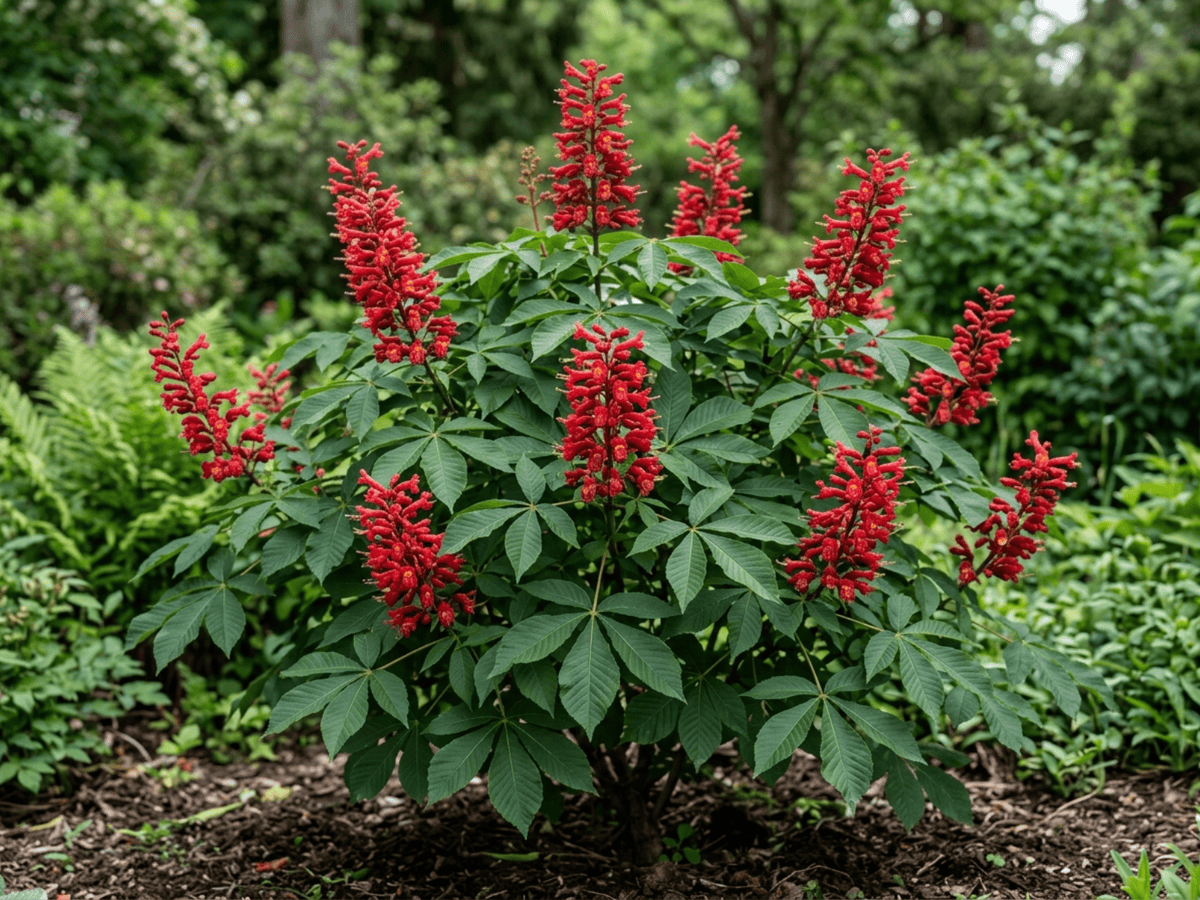 Red BuckeyeAesculus pavia
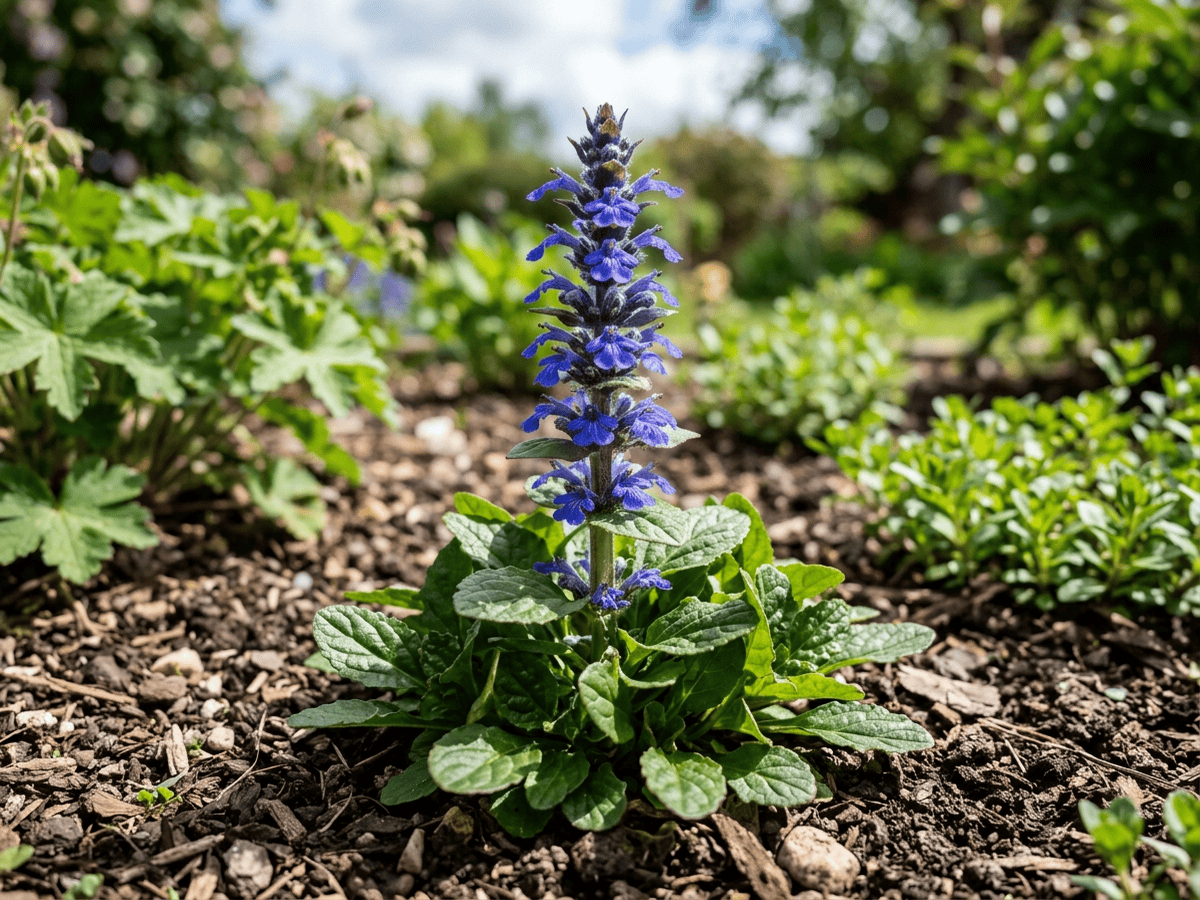 Blue BugleAjuga genevensis
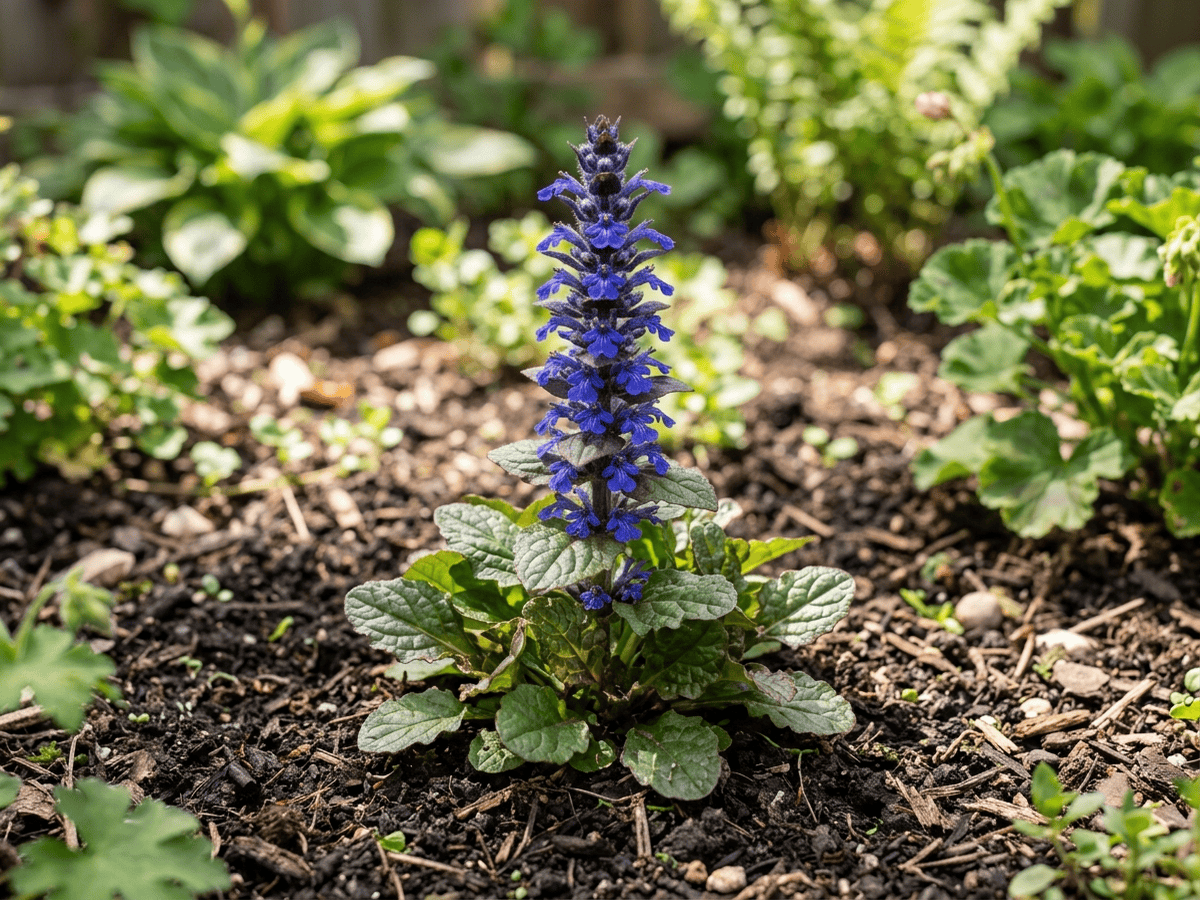 Pyramidal BugleAjuga pyramidalis
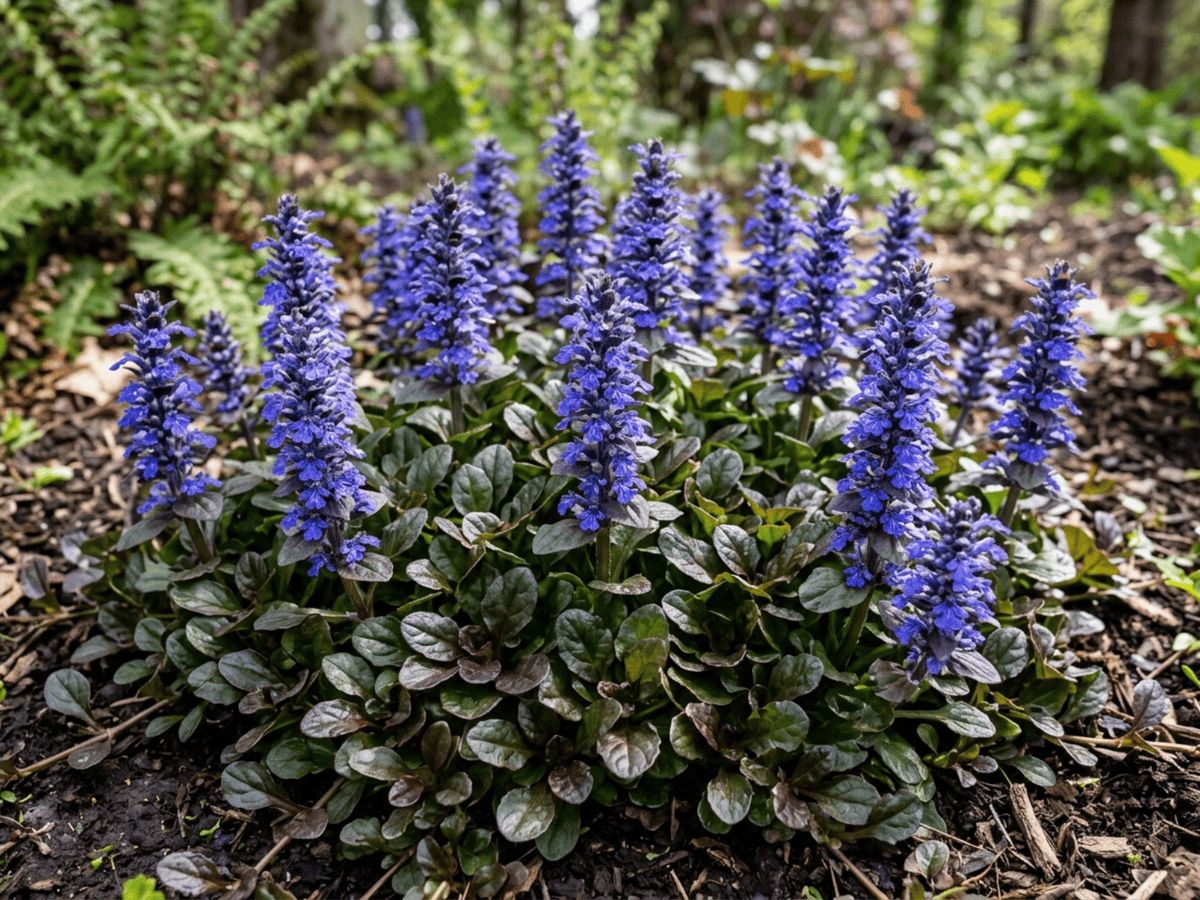 Carpet BugleAjuga reptans
Frequently asked questions
How often should I water Sweet Cicely?
In summer, water about every 10 days; in winter, about every 30 days. Adjust for heat, pot size and drainage.
How much light does Sweet Cicely need?
Part shade: 2–4 hrs direct. Watch the leaves — scorching or stretching means the light needs adjusting.
Is Sweet Cicely toxic to cats or dogs?
Pets Safe (Dogs Safe · Cats Safe) Educational information, not medical or veterinary advice. If exposure is suspected, contact a doctor or veterinarian.
Is Sweet Cicely easy to grow?
Yes — it is considered an easy, beginner-friendly plant.
When does Sweet Cicely bloom?
It typically blooms May–Jun in the Northern Hemisphere.
YardMate
Identify any plant in seconds
Snap a photo — YardMate names the plant, diagnoses problems, and reminds you when to water.
Download on the App Store