 YardMate


Garden Parsley
Petroselinum crispum
Easy · Beginner friendlyAbout Garden Parsley
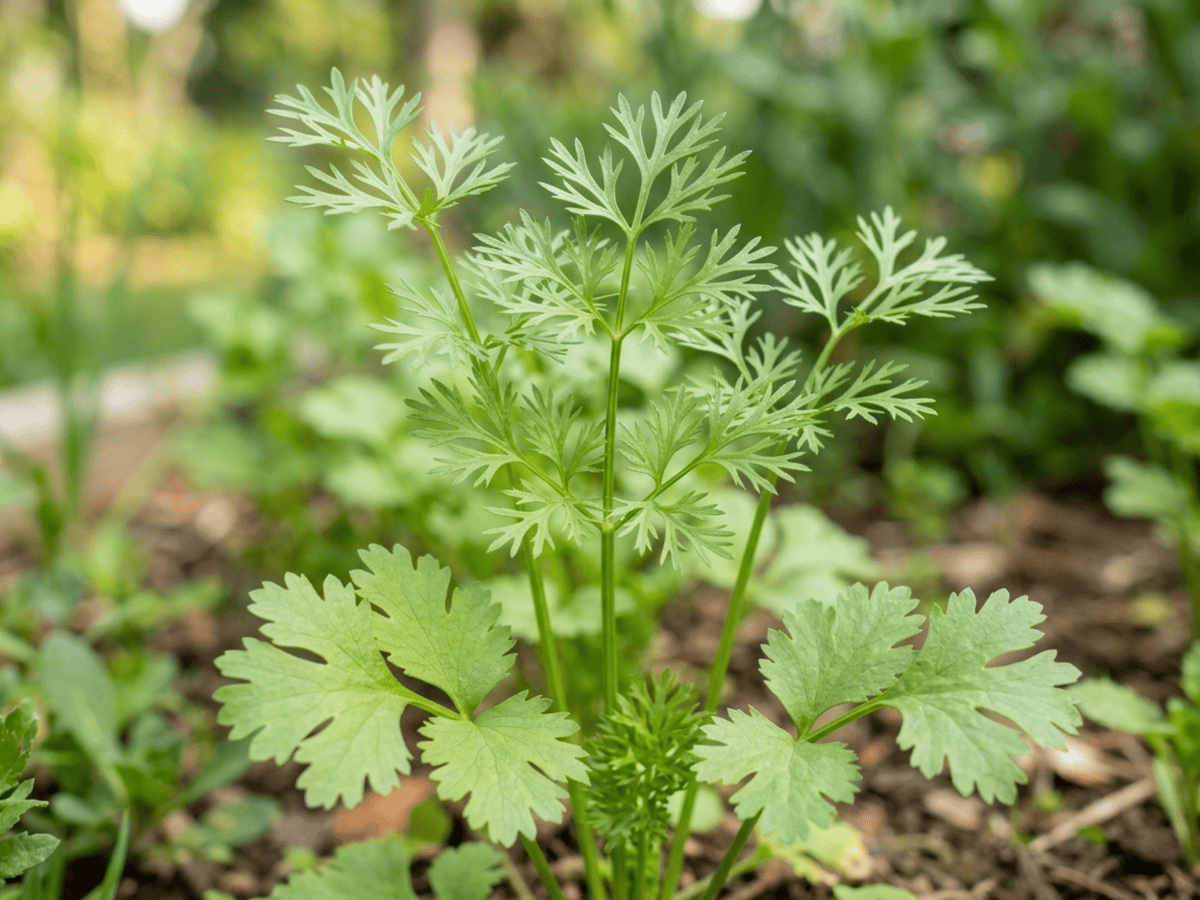
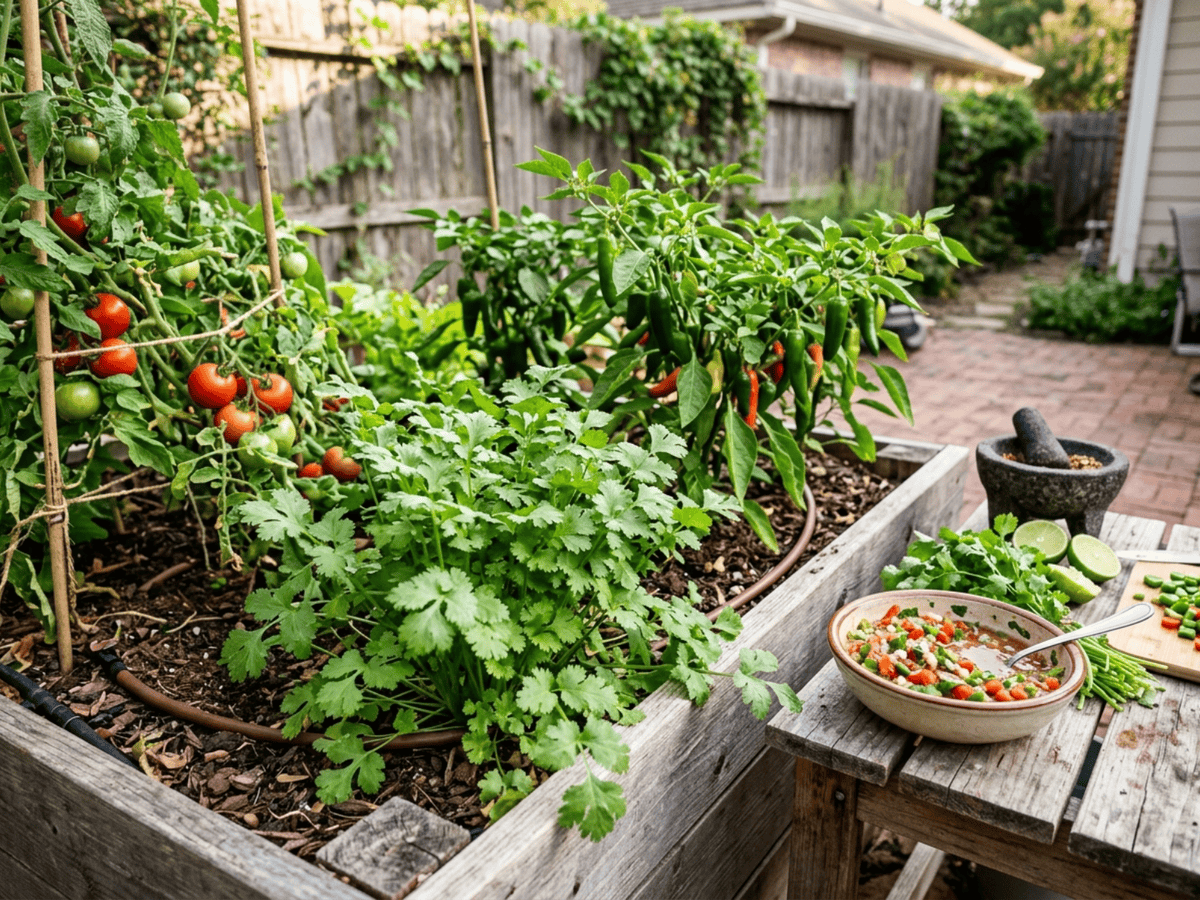
Petroselinum crispum, parsley, is the world's most widely used garnish and one of the most versatile culinary herbs. Flat-leaf (Italian) parsley has stronger flavor for cooking, while curly parsley is traditional for garnishing. A biennial that flowers in its second year, it is usually grown as an annual. Native to the central Mediterranean, it grows 30–60 cm tall. Rich in vitamins A, C, and K, and iron, it is far more nutritious than most people realize. The seeds are slow to germinate — folklore says they 'go to the Devil and back seven times before sprouting.'
- Edible
How to care for Garden Parsley
Watering
- Springevery 2 days
- Summerevery 2 days
- Fallevery 3 days
- Winterevery 5 days
Soil · Rich & well-draining
- Top dressingCompost10%
- Main mixPotting soil + compost 3:180%
- DrainageGravel10%
Top up the compost layer each season.
FERTILIZER
Balanced Feed 14-14-14
An even feed covers all three needs at once, keeping leaves, roots and blooms moving together with nothing pushed out of balance.
- Nitrogen · Leaves
- Phosphorus · Roots + Blooms
- Potassium · Strength
- Springevery 14 days
- Summerevery 14 days
- Fallevery 21 days
At a Glance
- NativeMediterranean
- Height0.8–1.5 ft (0.2–0.5 m)
- Spread0.5–1 ft (0.2–0.3 m)
- Flower colorYellow, Green
- Foliage colorGreen
- SoilMoisture-retentive, Rich, Loamy
- LocationsYard · Balcony
Bloom time
BLOOM CYCLE
Peak bloom
Jun–Aug
Biennial — flowers second year; harvest first-year leaves; slow germination (soak seeds first)
Fragrance
MODERATE FRAGRANCE
The foliage has a fresh green herbal aroma.
Toxicity
Pets Slight
apiole and myristicin
Not reported
EXPOSURE No exposure route is reported.
EFFECT Culinary herb and seeds and essential oil contain apiole and should be avoided in pregnancy.
NOTE No toxicity is reported for humans in this catalog; this is not evidence that the plant is edible or harmless.
Slight
- All
- Ingestion
EXPOSURE Eating any part of the plant.
EFFECT Large amounts may cause GI upset and spring parsley (different genus) more toxic.
NOTE Dietary use safe; avoid concentrated seed oil in pregnancy. Spring parsley (Cymopterus) is a different toxic plant.
Slight
- All
- Ingestion
EXPOSURE Eating any part of the plant.
EFFECT Large amounts may cause GI upset.
NOTE Dietary use safe; avoid concentrated seed oil in pregnancy. Spring parsley (Cymopterus) is a different toxic plant.
Educational information, not medical or veterinary advice. If exposure is suspected, contact a doctor or veterinarian.
DISTRIBUTION


- Native
- Introduced
- Mediterranean
History

Petroselinum crispum is native to the central and eastern Mediterranean, particularly Greece and the former Yugoslavia. The name derives from Greek "petros" (rock) + "selinon" (celery) — "rock celery." Ancient Greeks used it for funeral wreaths and grave offerings, associating it with Archemorus, the infant hero whose death prompted the founding of the Nemean Games; Roman generals fed it to horses and hung wreaths of it on victorious athletes. Medieval Europeans cultivated it extensively in monastery gardens.
The curly-leaf form (var. crispum) was selected in 16th-century Germany as a reliable identifier distinguishing cultivated parsley from toxic fool's parsley (Aethusa cynapium), which has plain leaves. Flat-leaf or Italian parsley (var. neapolitanum) is preferred in most Mediterranean and Middle Eastern cuisines and is considered by most chefs to have superior flavor. Parsley is central to tabbouleh, Italian gremolata, French bouquet garni and persillade, and Argentine chimichurri.
Seeds are used for essential oil production. Ancient Greeks did not eat parsley — they considered it sacred to the dead, using it in funeral wreaths and to decorate tombs. Eating parsley was taboo, and offerings were placed on graves. This funerary association may explain the superstition that transplanting parsley brings bad luck. The Romans broke the taboo and began eating it, eventually making it the world's most used herb. Parsley's breath-freshening ability is due to chlorophyll, which neutralizes sulfur compounds from garlic and onions. The traditional Middle Eastern salad tabbouleh is more parsley than grain — a healthy inversion of the typical herb-to-grain ratio.
Symbolism & meaning
What It Symbolizes
Garden Parsley carries Festivity — a herb that has marked important meals from ancient Greek banquets to modern Sunday tables. Once braided into funeral wreaths and scattered at feasts, it has been present at humanity's most ceremonious moments for well over two thousand years. Few culinary plants are so quietly steeped in ritual.
- Festivity — From Greek funeral rites to global cuisine, parsley marks important occasions and meals
Where the Name Comes From
Petroselinum from Greek 'petros' (rock) and 'selinon' (celery) — rock celery. Crispum means 'curled.'
Uses & Fun Facts
- Fresh leaves garnish dishes and flavor sauces worldwide
- Used traditionally as diuretic and breath freshener
- Reliable culinary herb for kitchen window pots
Related plants
Plants with similar care
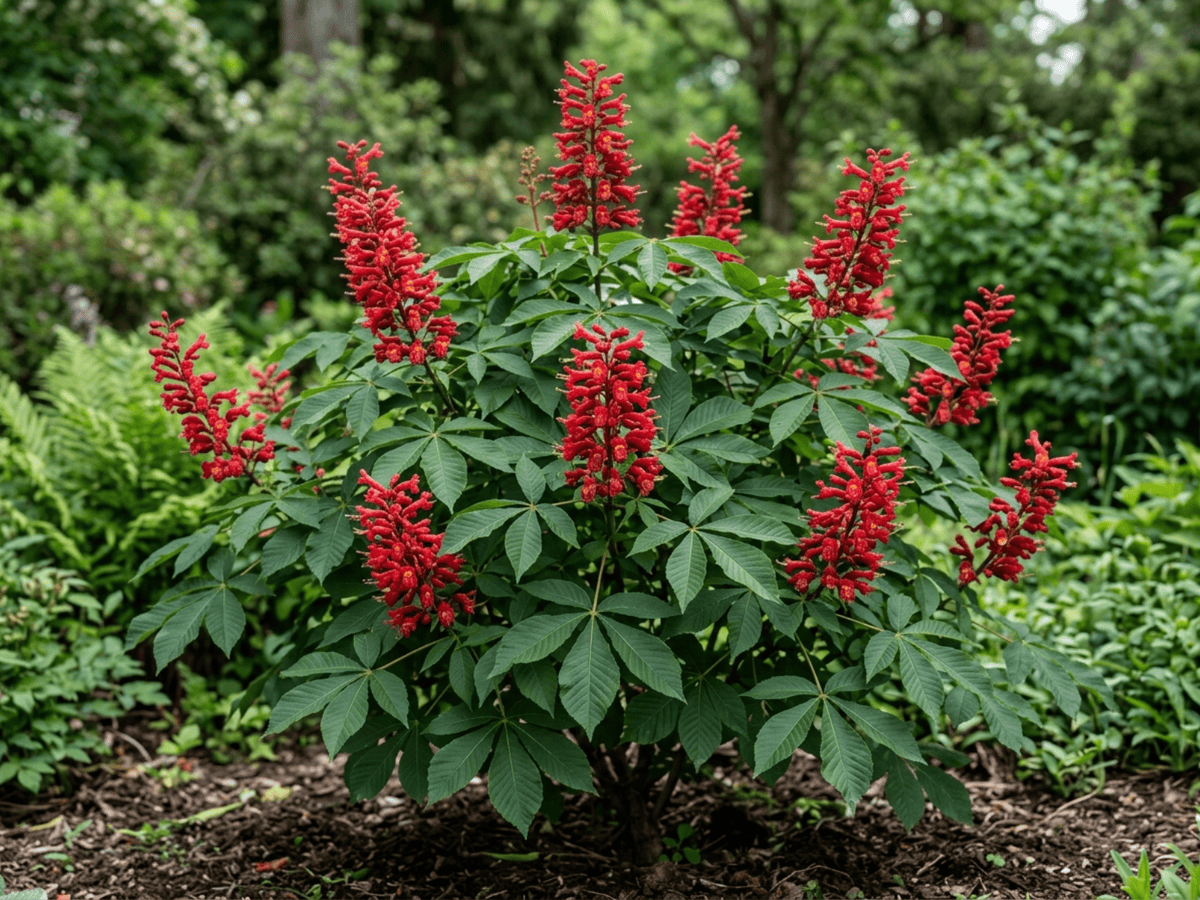 Red BuckeyeAesculus pavia
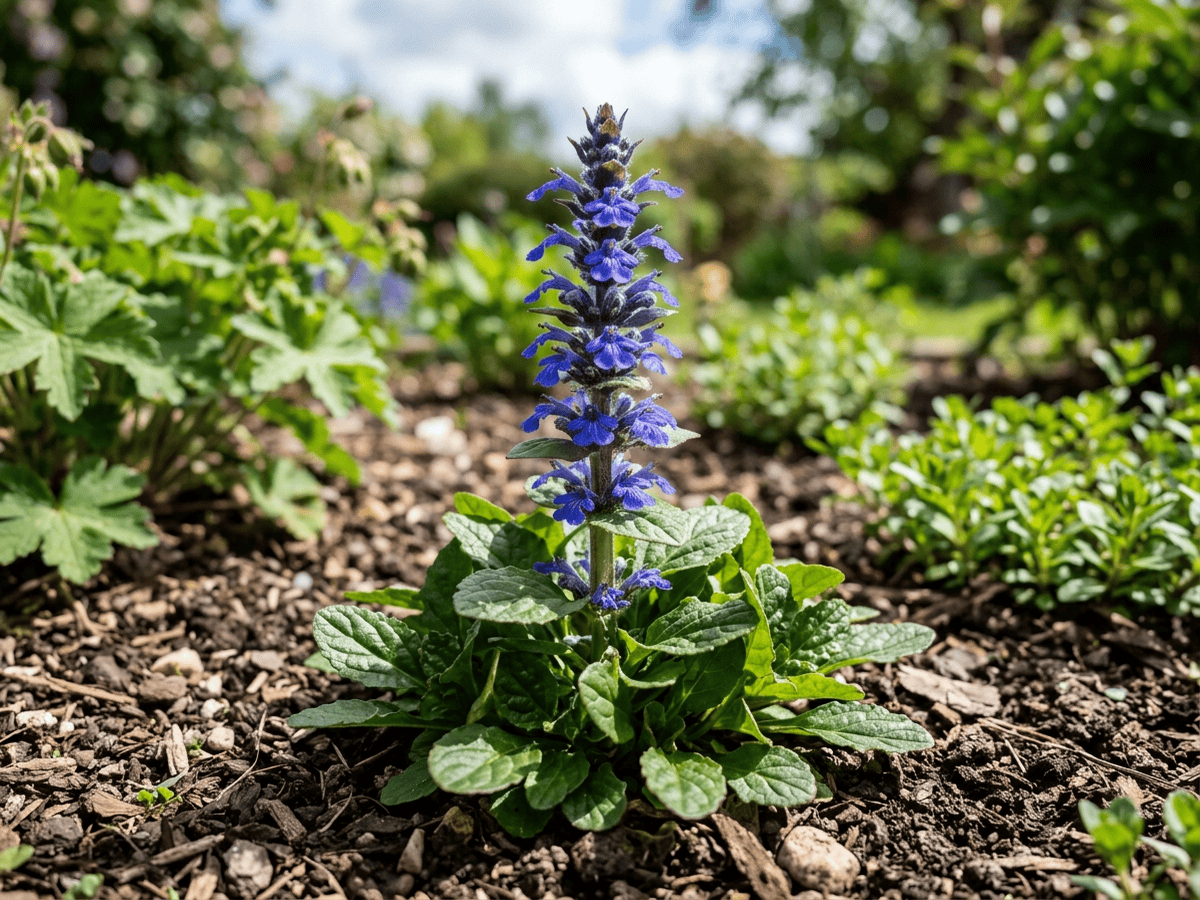 Blue BugleAjuga genevensis
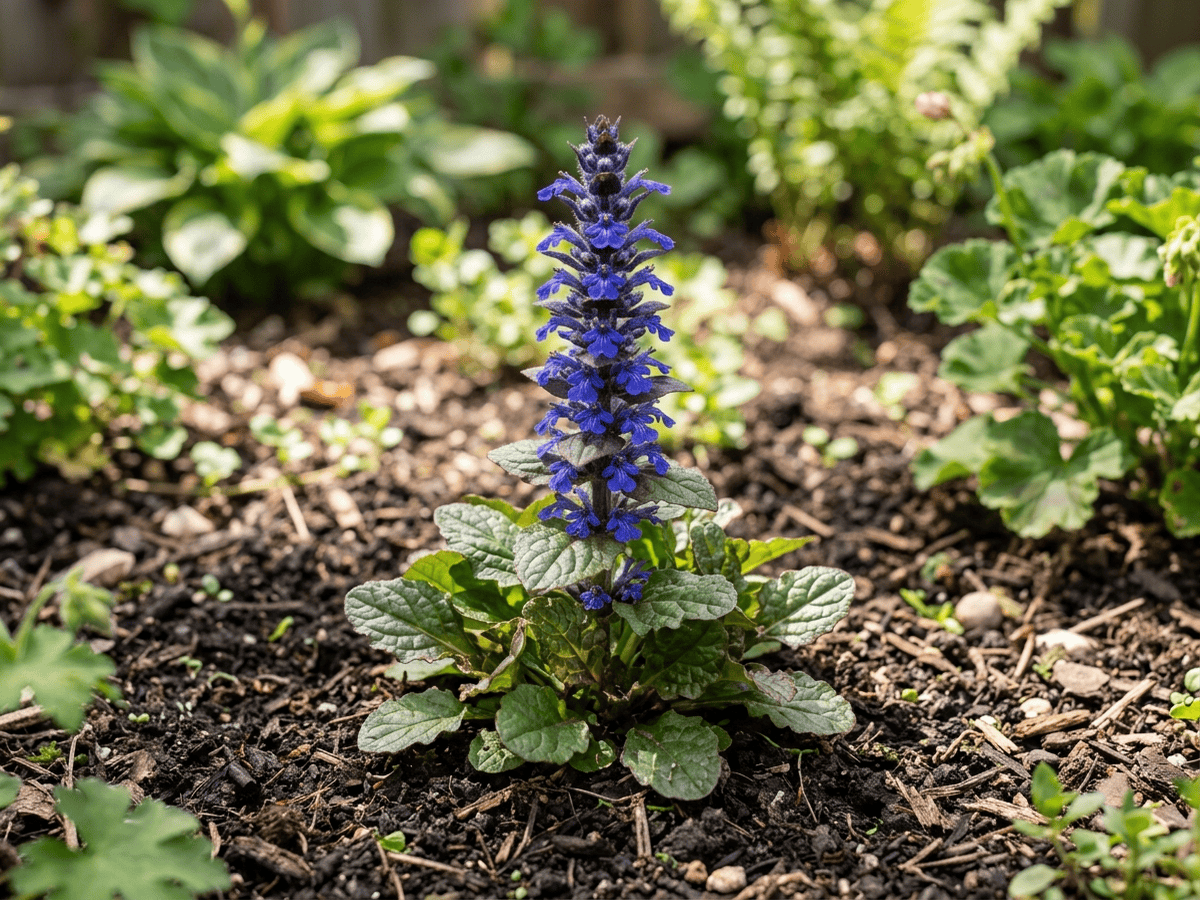 Pyramidal BugleAjuga pyramidalis
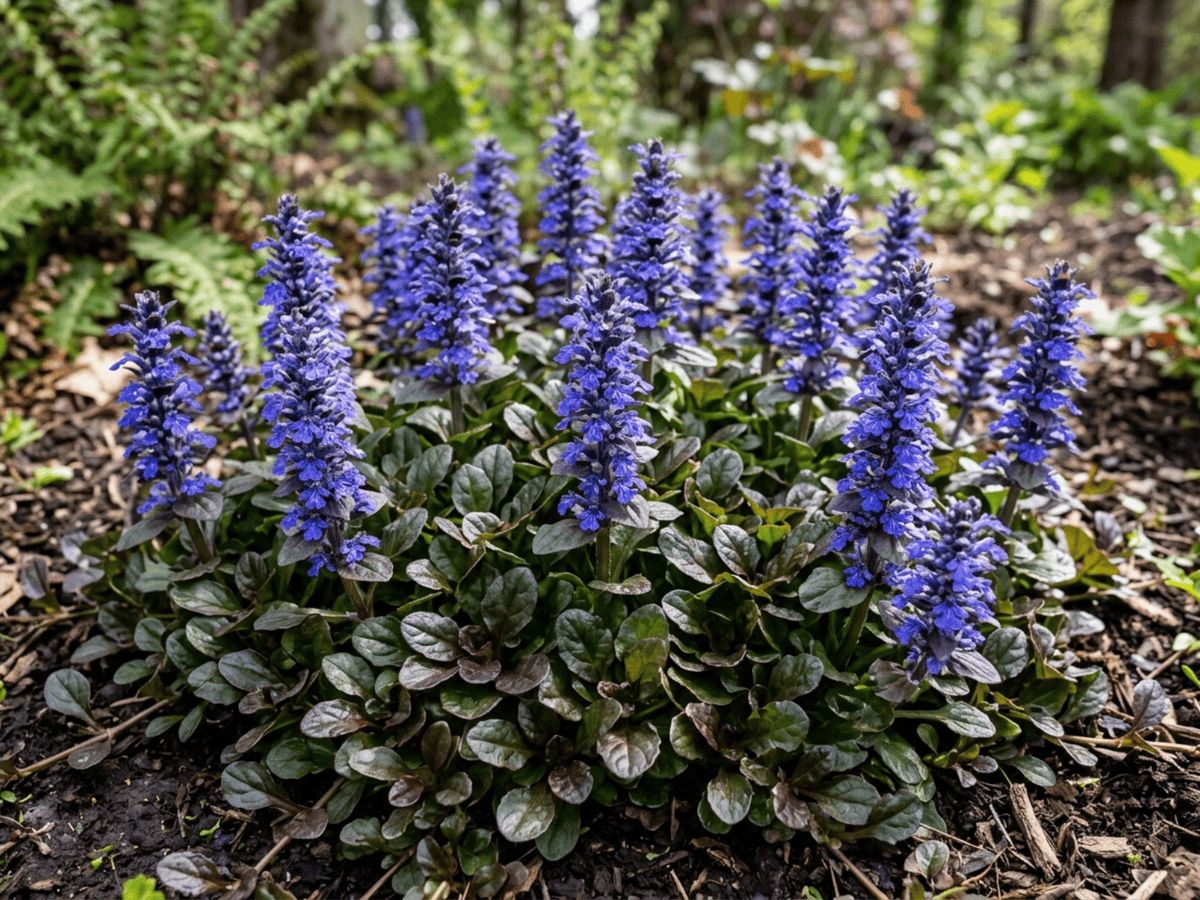 Carpet BugleAjuga reptans
Frequently asked questions
How often should I water Garden Parsley?
In summer, water about every 2 days; in winter, about every 5 days. Adjust for heat, pot size and drainage.
How much light does Garden Parsley need?
Part shade: 2–4 hrs direct. Watch the leaves — scorching or stretching means the light needs adjusting.
Is Garden Parsley toxic to cats or dogs?
Pets Slight (Dogs Slight · Cats Slight) Educational information, not medical or veterinary advice. If exposure is suspected, contact a doctor or veterinarian.
Is Garden Parsley easy to grow?
Yes — it is considered an easy, beginner-friendly plant.
When does Garden Parsley bloom?
It typically blooms Jun–Aug in the Northern Hemisphere.
YardMate
Identify any plant in seconds
Snap a photo — YardMate names the plant, diagnoses problems, and reminds you when to water.
Download on the App Store