 YardMate


Garden Sage
Salvia officinalis
Easy · Beginner friendlyAbout Garden Sage
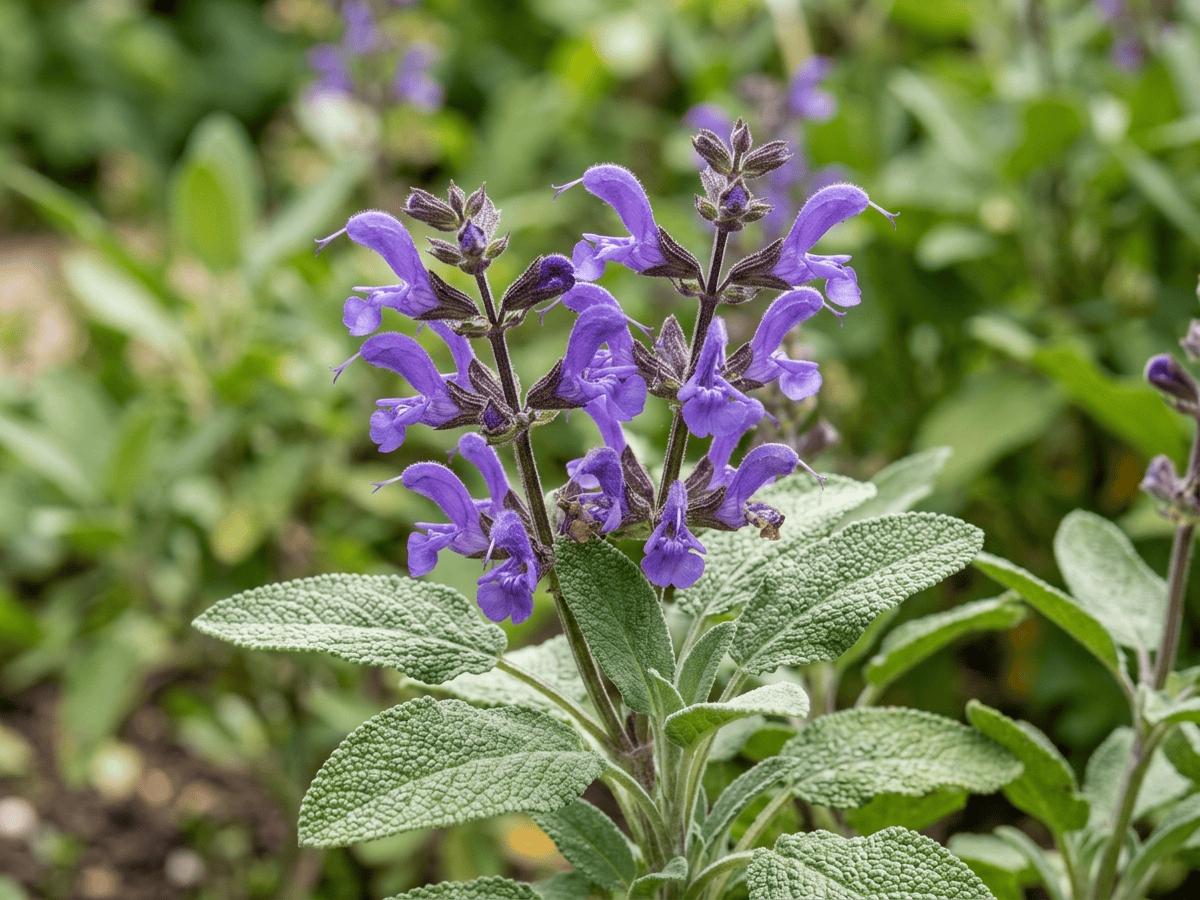
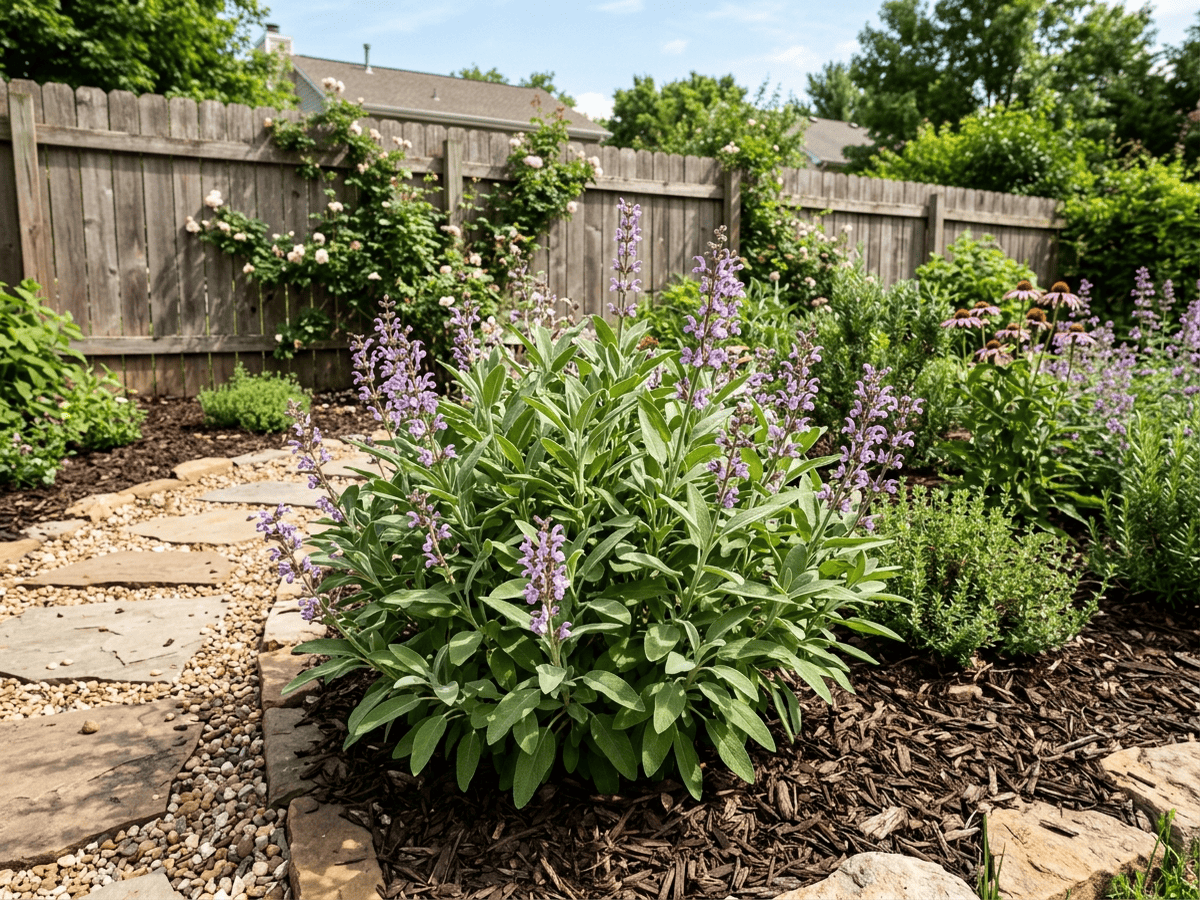
Salvia officinalis, common sage, is a woody Mediterranean herb with velvety gray-green leaves and a deep savory fragrance. It is essential in stuffing, sausage, brown butter, bean dishes, and saltimbocca, where a few leaves can shape an entire meal. Plants grow 40-60 cm tall, bloom with blue-violet flower spikes, and prefer full sun, sharp drainage, and modest fertility. Purple, golden, and tricolor cultivars make the plant ornamental even before it reaches the kitchen. Sage's Latin name is linked to salvere, to save, a reminder of its long life in old herbals, but its everyday greatness is simpler: drought tolerance, silver foliage, bee flowers, and a flavor that belongs to autumn.
- Edible
- Fragrant
- Drought-tolerant
- Evergreen
How to care for Garden Sage
Watering
- Springevery 5 days
- Summerevery 4 days
- Fallevery 7 days
- Winterevery 14 days
Soil · Rich & well-draining
- Top dressingCompost10%
- Main mixPotting soil + compost 3:180%
- DrainageGravel10%
Top up the compost layer each season.
FERTILIZER
Balanced Feed 14-14-14
An even feed covers all three needs at once, keeping leaves, roots and blooms moving together with nothing pushed out of balance.
- Nitrogen · Leaves
- Phosphorus · Roots + Blooms
- Potassium · Strength
- Springevery 30 days
- Summerevery 30 days
- Fallevery 45 days
At a Glance
- NativeMediterranean, Europe
- Height1.5–2.5 ft (0.5–0.8 m)
- Spread2–3 ft (0.6–0.9 m)
- Flower colorPurple, Blue, Pink, White
- Foliage colorGreen, Variegated, Purple
- SoilLoamy, Well-drained
- LocationsYard · Balcony
Bloom time
BLOOM CYCLE
Peak bloom
Jun
Blue-violet spikes early summer; prune woody growth in spring; don't overwater
Fragrance
STRONG FRAGRANCE
Pungent warm herbal aroma from crushed leaves.
Toxicity
Pets Safe
thujone, camphor, and rosmarinic acid
Not reported
EXPOSURE No exposure route is reported.
EFFECT Widely used culinary herb and concentrated essential oil contains thujone and can cause seizures in high doses.
NOTE No human toxicity is reported in this catalog; avoid eating ornamental plants unless confirmed edible.
Safe
EXPOSURE No exposure route is reported.
EFFECT Not listed as toxic in dietary amounts.
NOTE Listed as non-toxic for dogs; avoid eating ornamental plants unless confirmed edible.
Safe
EXPOSURE No exposure route is reported.
EFFECT No toxic effect is reported.
NOTE Listed as non-toxic for cats; avoid eating ornamental plants unless confirmed edible.
Educational information, not medical or veterinary advice. If exposure is suspected, contact a doctor or veterinarian.
DISTRIBUTION

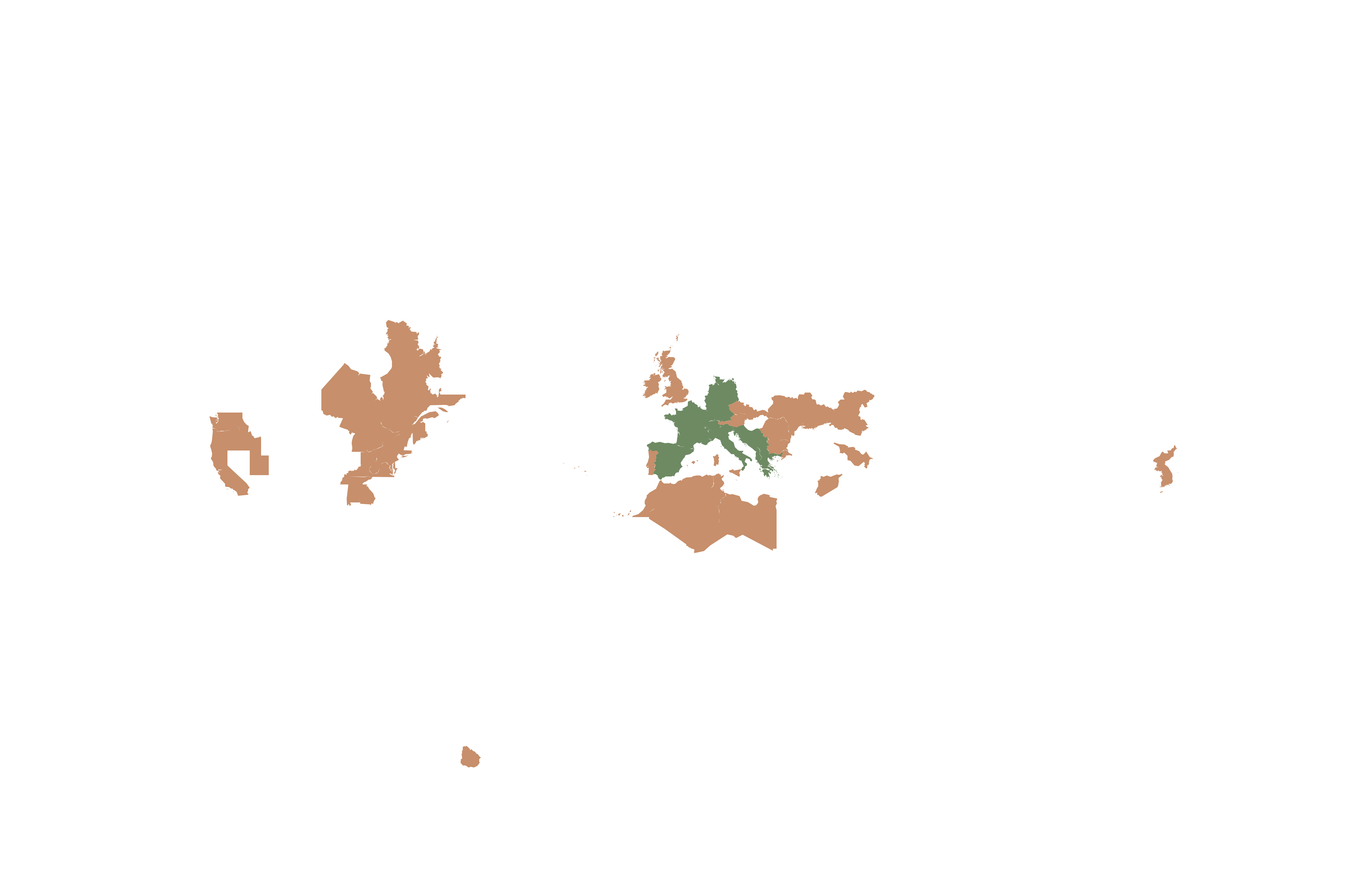
- Native
- Introduced
- Mediterranean
- Europe
History

Salvia officinalis is native to the northern Mediterranean coast, particularly the Balkans, and naturalized widely. The genus name derives from the Latin "salvare" (to save, heal), reflecting its classical reputation as a panacea — the medieval Regimen Sanitatis Salernitanum asked "Cur moriatur homo cui salvia crescit in horto?" ("Why should a man die while sage grows in his garden?").
Charlemagne's 8th-century Capitulare de villis mandated sage on all imperial estates. It is fundamental to Italian cuisine — saltimbocca, burro e salvia pasta sauces — and to traditional English cuisine, particularly the sage-and-onion stuffing that migrated to American Thanksgiving tradition. Modern research has validated many traditional uses, particularly antimicrobial and memory-enhancing effects.
The related white sage (S. apiana) used in Native American smudging and recent commercial "white sage" trade has raised indigenous sovereignty and sustainability concerns. Roman legions carried sage across Europe. European sage was a key ingredient in 'Four Thieves Vinegar,' supposedly used by grave robbers during plague outbreaks to protect themselves from infection. Modern research has validated some claims — a 2003 clinical trial showed sage extract significantly improved memory in Alzheimer's patients.
Symbolism & meaning
What It Symbolizes
Garden Sage belongs to autumn kitchens and old herbals, but its greatest symbolism is memory through flavor. A few gray leaves can call up stuffing, browned butter, beans, and winter meals before the pot is even warm. It stands for savory wisdom: restrained, durable, and never merely decorative.
- Wisdom — Its very name means 'sage' — representing accumulated wisdom and healing knowledge
Where the Name Comes From
'Garden sage' is the familiar culinary sage of herb gardens. Salvia comes from Latin 'salvere', to be well or to save; officinalis means of the apothecary shop, marking its medicinal past.
Uses & Fun Facts
- Aromatic gray-green leaves classic in stuffings, sausages, and brown butter
- Traditional remedy for sore throats and oral infections
- Velvety foliage releases warm savory scent when brushed
- Lavender-blue flower spikes attract bumblebees and honeybees
Related plants
More Salvia plants
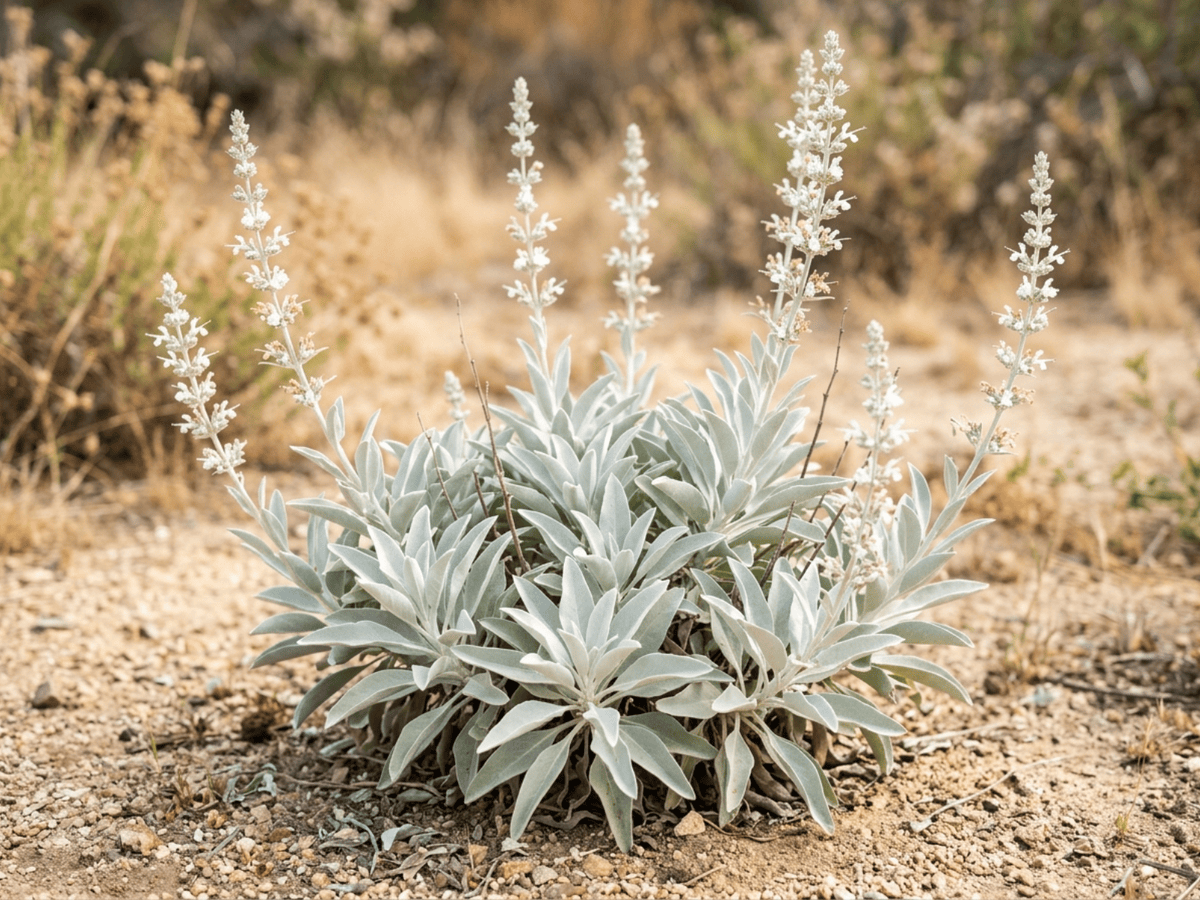 White SageSalvia apiana
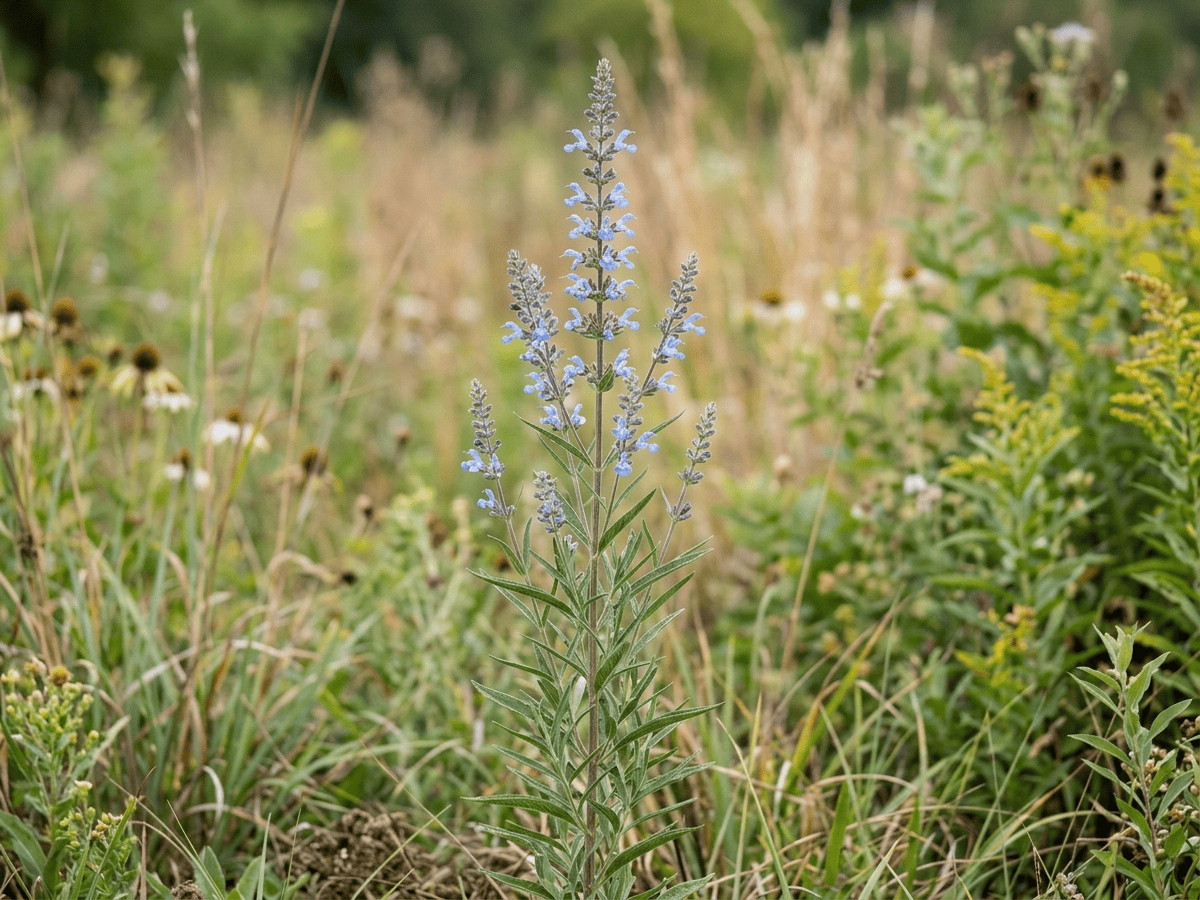 Giant Blue SageSalvia azurea
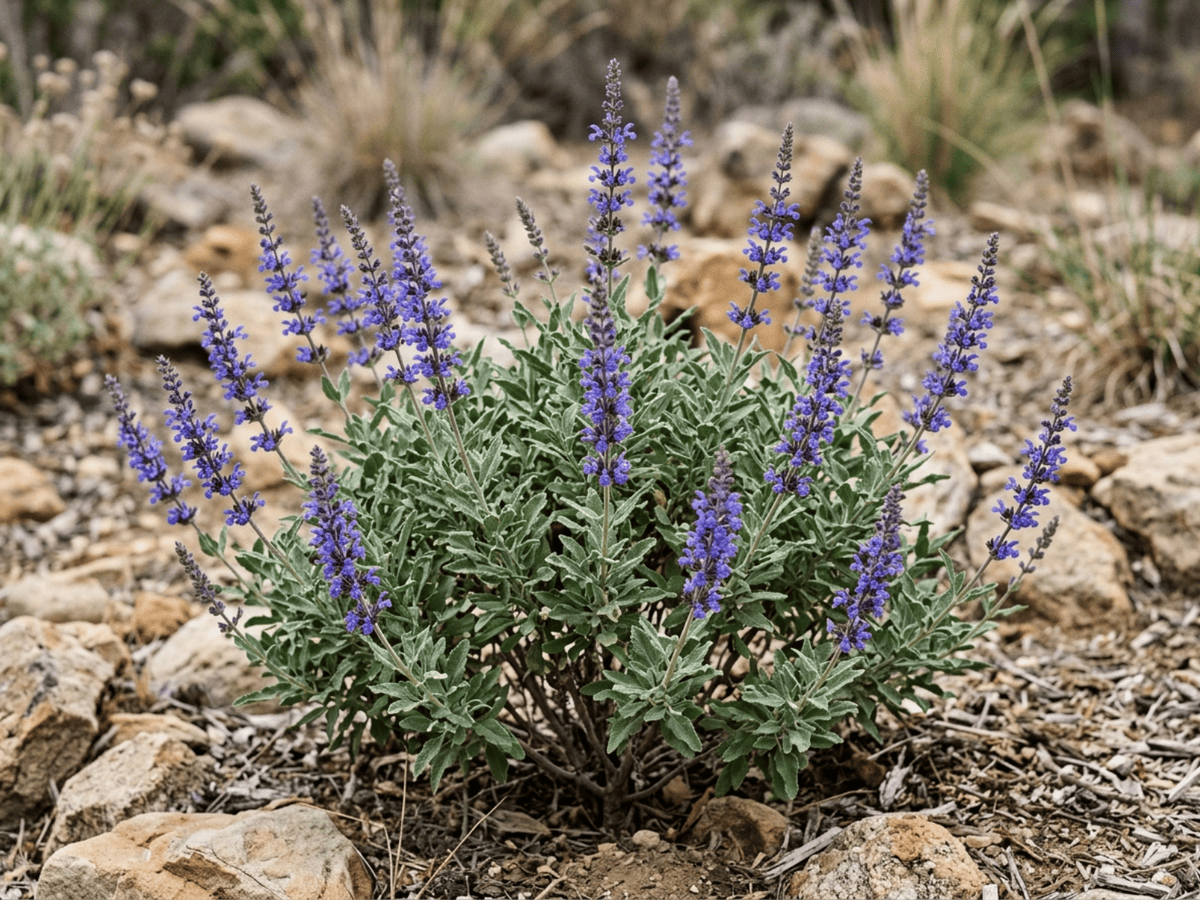 Cleveland SageSalvia clevelandii
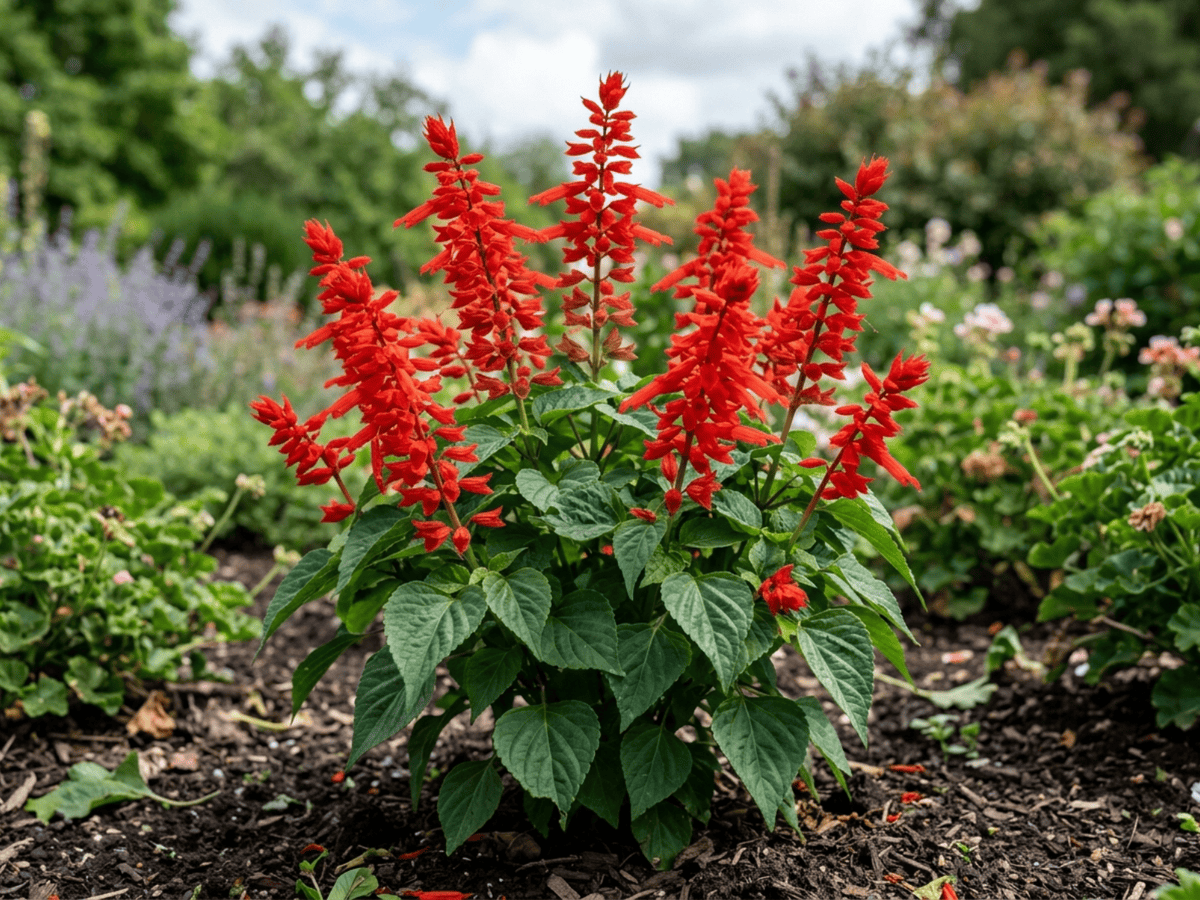 Tropical SageSalvia coccinea
Plants with similar care
 Chinese AbeliaAbelia chinensis
 Fragrant AbeliaAbelia mosanensis
 Large-Flowered AbeliaAbelia uniflora
 Glossy AbeliaAbelia x grandiflora
Frequently asked questions
How often should I water Garden Sage?
In summer, water about every 4 days; in winter, about every 14 days. Adjust for heat, pot size and drainage.
How much light does Garden Sage need?
Full sun: 6+ hrs direct. Watch the leaves — scorching or stretching means the light needs adjusting.
Is Garden Sage toxic to cats or dogs?
Pets Safe (Dogs Safe · Cats Safe) Educational information, not medical or veterinary advice. If exposure is suspected, contact a doctor or veterinarian.
Is Garden Sage easy to grow?
Yes — it is considered an easy, beginner-friendly plant.
When does Garden Sage bloom?
It typically blooms Jun in the Northern Hemisphere.
YardMate
Identify any plant in seconds
Snap a photo — YardMate names the plant, diagnoses problems, and reminds you when to water.
Download on the App Store