 YardMate

European Elderberry
Sambucus nigra
Easy · Beginner friendlyAbout European Elderberry
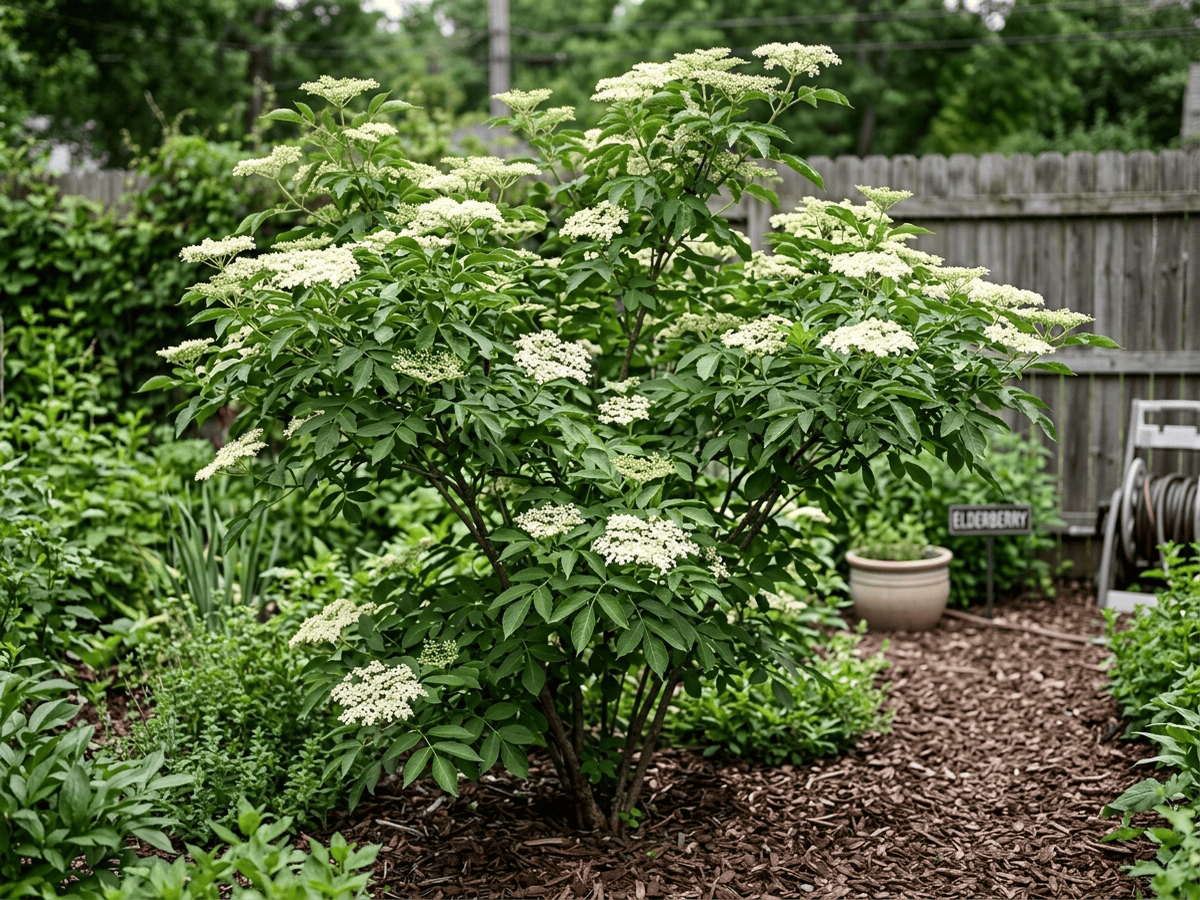
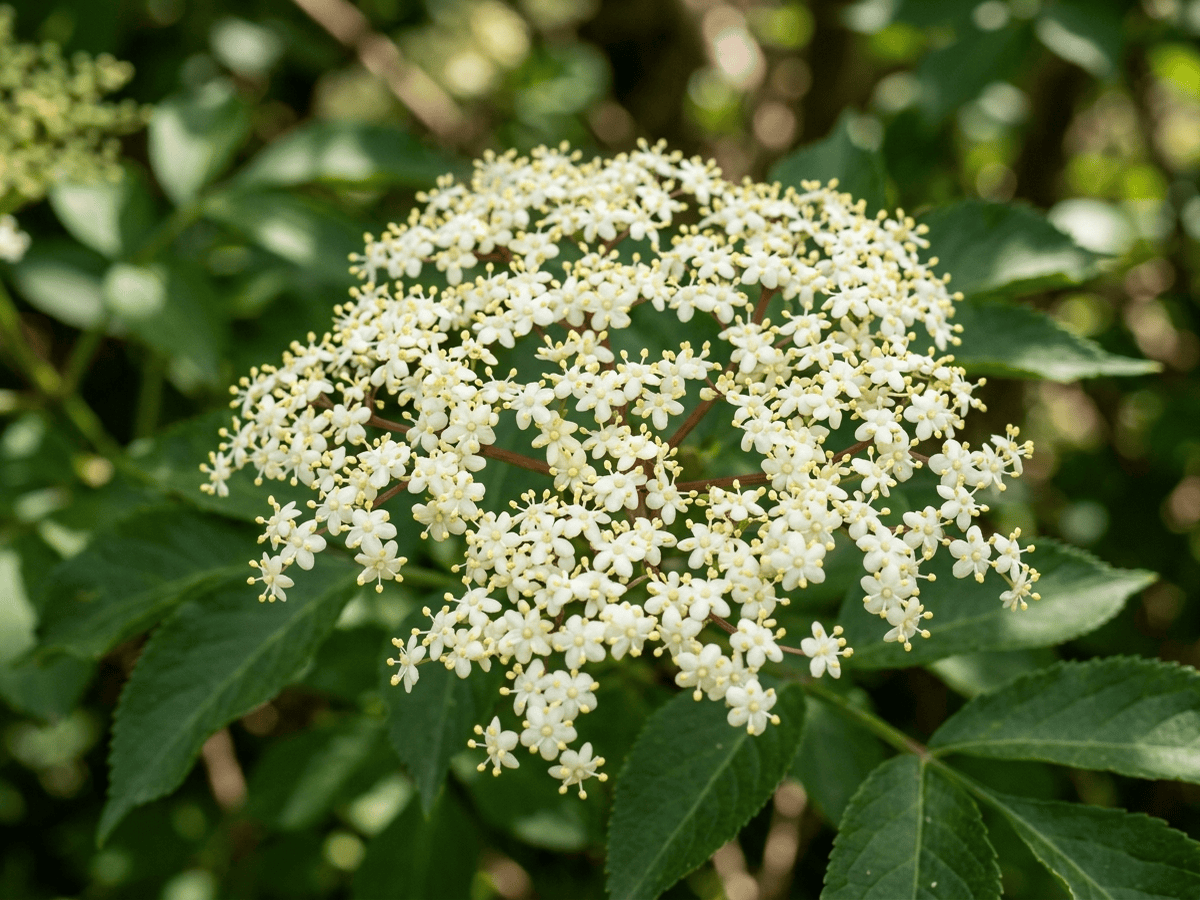
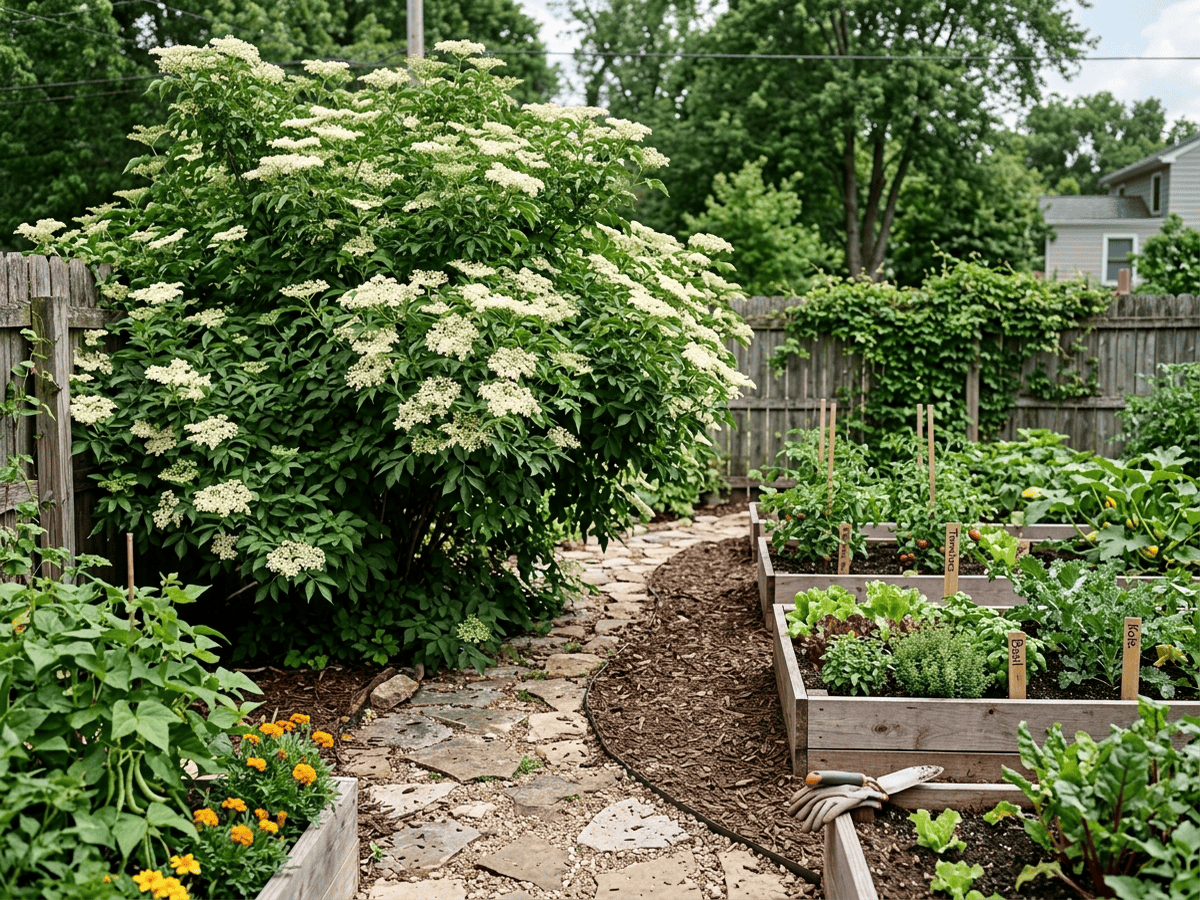
Sambucus nigra, European elderberry or black elder, is a vigorous deciduous shrub or small tree native to Europe, western Asia, and North Africa. Reaching 3-6 m, it produces huge flat creamy-white flower clusters in early summer followed by heavy sprays of shiny blue-black berries in late summer.
The species is one of Europe's most historically significant plants: flowers produce elderflower cordial and liqueur (St-Germain); ripe cooked berries make preserves, wine, and syrup; and modern research confirms antiviral activity of elderberry extracts against influenza.
Elder features heavily in European folklore — the 'Elder Mother' dwells in the tree and permission must be asked before cutting it. Hans Christian Andersen wrote 'The Elder-tree Mother' (1844). Raw berries, leaves, and bark contain cyanogenic glycosides and are toxic; cooking destroys the toxins.
- Edible
- Medicinal
How to care for European Elderberry
Watering
- Springevery 7 days
- Summerevery 5 days
- Fallevery 10 days
- Winterevery 21 days
Soil · Well-draining
- Top dressingPine bark mulch10%
- Main mixPotting soil + perlite 2:170%
- DrainageLECA / gravel20%
Never skip the drainage layer — standing water is the top cause of root rot.
FERTILIZER
Balanced Feed 14-14-14
An even feed covers all three needs at once, keeping leaves, roots and blooms moving together with nothing pushed out of balance.
- Nitrogen · Leaves
- Phosphorus · Roots + Blooms
- Potassium · Strength
- Springevery 30 days
- Summerevery 30 days
At a Glance
- NativeEurope, Western Asia, Africa
- Height10–20 ft (3–6.1 m)
- Spread10–20 ft (3–6.1 m)
- Flower colorWhite, Cream
- Foliage colorGreen
- Fruit colorBlack, Blue
- SoilLoamy, Moisture-retentive
- LocationsYard
Bloom time
BLOOM CYCLE
Peak bloom
Jun–Aug
Flat creamy-white flower clusters (for cordial) followed by blue-black berries (cook before eating).
Fragrance
MODERATE FRAGRANCE
Distinctive sweet muscat-honeyed elderflower scent.
Toxicity
Humans Moderate · Pets Moderate
sambunigrin
Moderate
- Leaf
- Stem
- Root
- Raw berry
- Ingestion
EXPOSURE Eating leaves, stems, roots, and raw berry.
EFFECT Sambunigrin (cyanogenic glycoside) causes nausea, vomiting. Cooking destroys. Ripe cooked berries safe.
NOTE Raw berries and vegetative parts toxic. Cooking destroys toxins. Cooked elderberry products safe.
Moderate
- Leaf
- Stem
- Raw berry
- Ingestion
EXPOSURE Eating leaves, stems, and raw berry.
EFFECT Vomiting, diarrhea.
NOTE Raw berries and vegetative parts toxic. Cooking destroys toxins. Cooked elderberry products safe.
Moderate
- Leaf
- Stem
- Raw berry
- Ingestion
EXPOSURE Eating leaves, stems, and raw berry.
EFFECT Vomiting, diarrhea.
NOTE Raw berries and vegetative parts toxic. Cooking destroys toxins. Cooked elderberry products safe.
Educational information, not medical or veterinary advice. If exposure is suspected, contact a doctor or veterinarian.
DISTRIBUTION

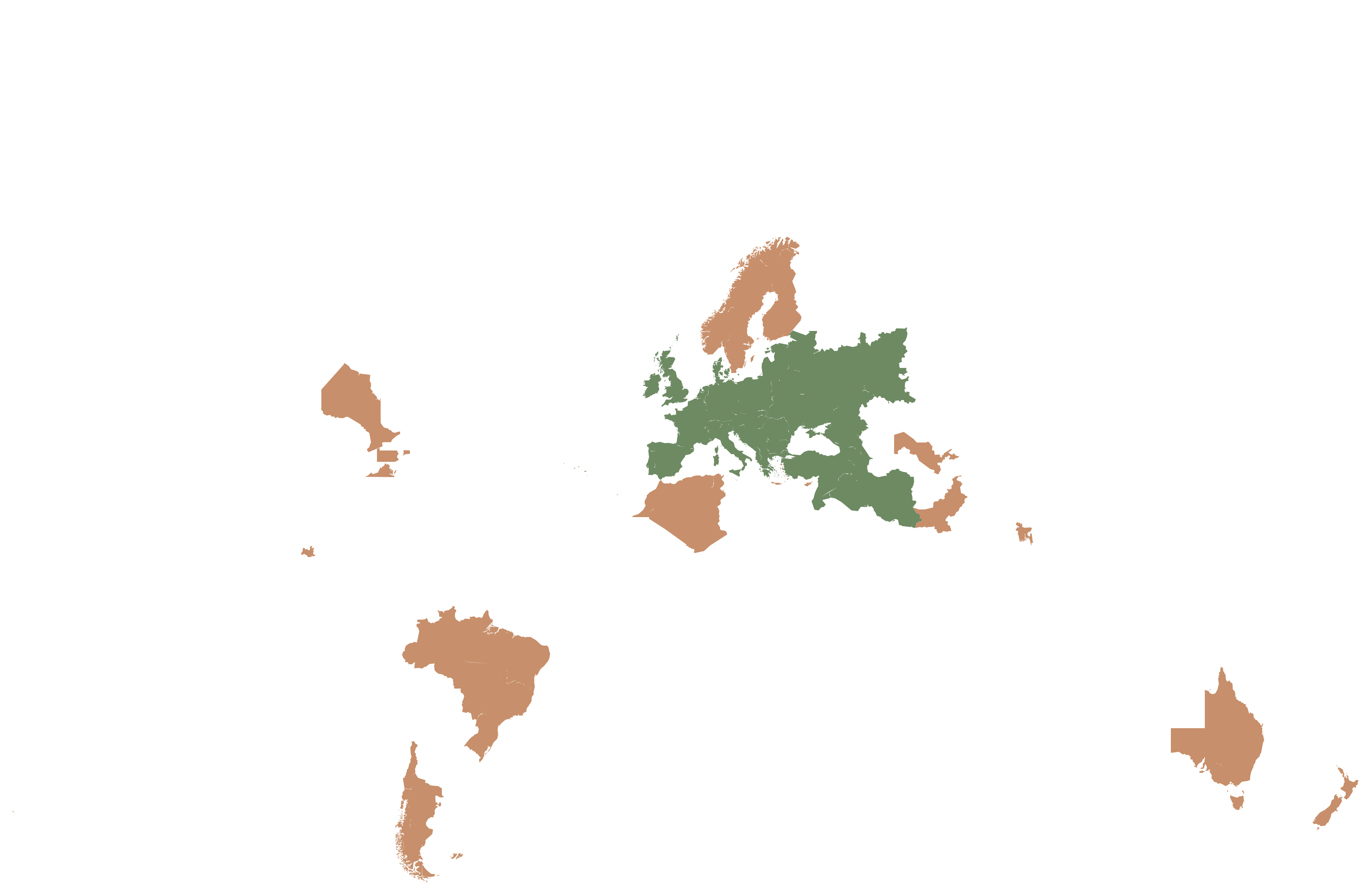
- Native
- Introduced
- Europe
- Western Asia
- Africa
History

Sambucus nigra is native to Europe, western Asia, and North Africa. It is among the most culturally significant plants of northern European folk tradition. Hippocrates (5th century BCE) called the elder his 'medicine chest' for its versatile healing uses.
Roman naturalist Pliny the Elder described numerous medicinal preparations. Throughout medieval Europe elder was grown at every cottage and monastery as a household medicine. Elderflower cordial (infused with lemon and sugar) remains a traditional British summer drink and the basis of the French St-Germain liqueur (2006).
Elderberry syrup has been used for centuries for colds and flu; modern randomized controlled trials confirm that cooked elderberry extract (Sambucol) meaningfully reduces duration and severity of influenza symptoms. Raw berries, leaves, bark, and roots contain cyanogenic glycosides (sambunigrin) and are toxic — cooking destroys the toxins. Folk tradition holds that the 'Elder Mother' (Frau Holle in German tradition, Hylde-Moer in Danish) inhabits the tree, and permission must be asked before cutting branches. Hans Christian Andersen's 1844 fairy tale 'The Elder-tree Mother' captured this belief. Cultivar 'Black Lace' (see separate entry) is widely grown ornamentally; the species remains crucial for edibles and folk medicine. Central plant of European folk medicine and folklore for 2000+ years. Modern research validates antiviral effect against flu.
Symbolism & meaning
What It Symbolizes
European Elderberry is elder wisdom at the hedge. Creamy flower heads become dark fruit, and both have shaped syrups, wines, cordials, and folklore across Europe for centuries. The shrub symbolizes threshold magic: planted near houses, watched by birds, and never quite separated from story.
- Compassion — Folk-medicine staple curing European winters
- Mystery — The 'Elder Mother' demands permission before cutting
Where the Name Comes From
The name European Elderberry points to Europe. Sambucus from Greek 'sambuke' (a stringed instrument, branches used for flutes); 'nigra' means black.
Uses & Fun Facts
- Cooked black elderberries used for syrups, wines, and preserves
- Berry syrup used traditionally for colds and flu symptoms
- Heavy berry crops feed many songbird and small mammal species
- Creamy flat flower umbels swarm with bees and hoverflies
Related plants
More Sambucus plants
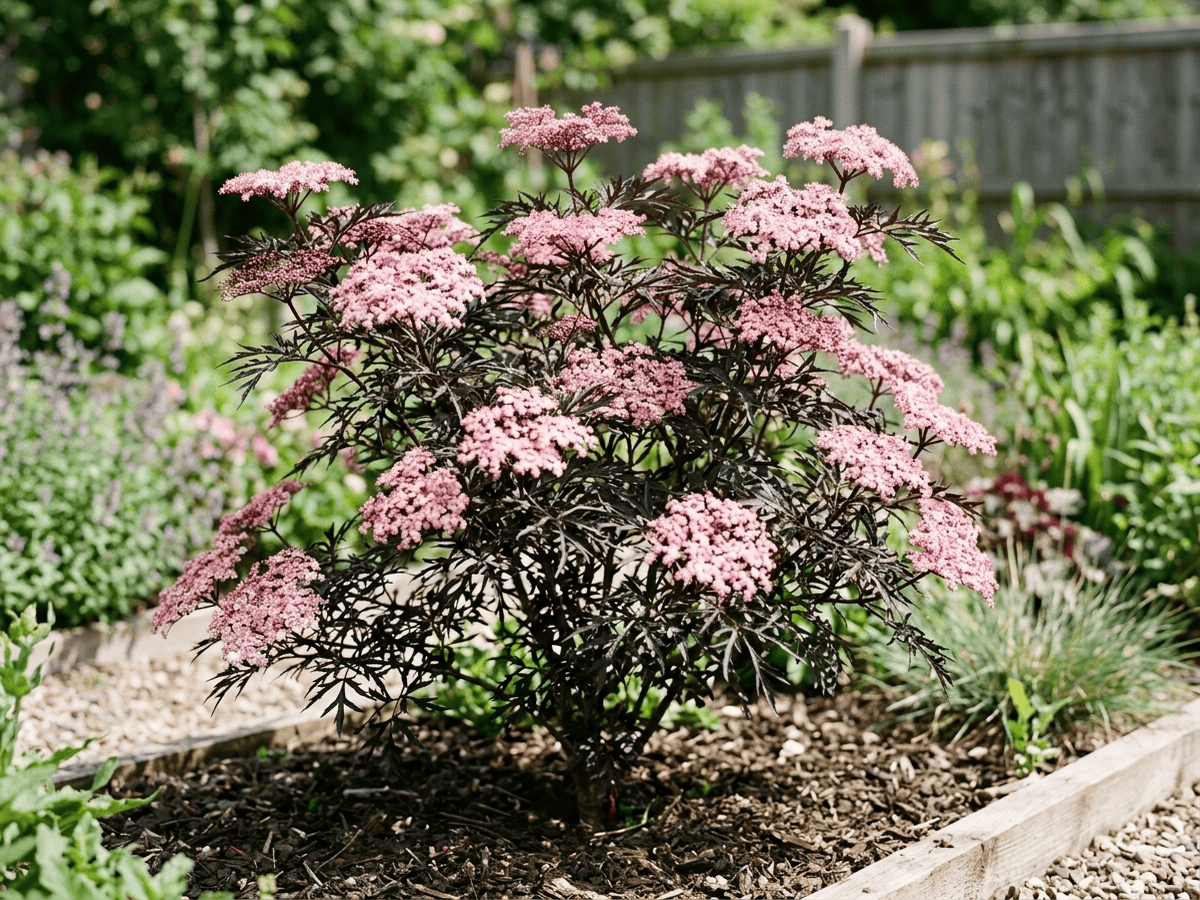
Plants with similar care
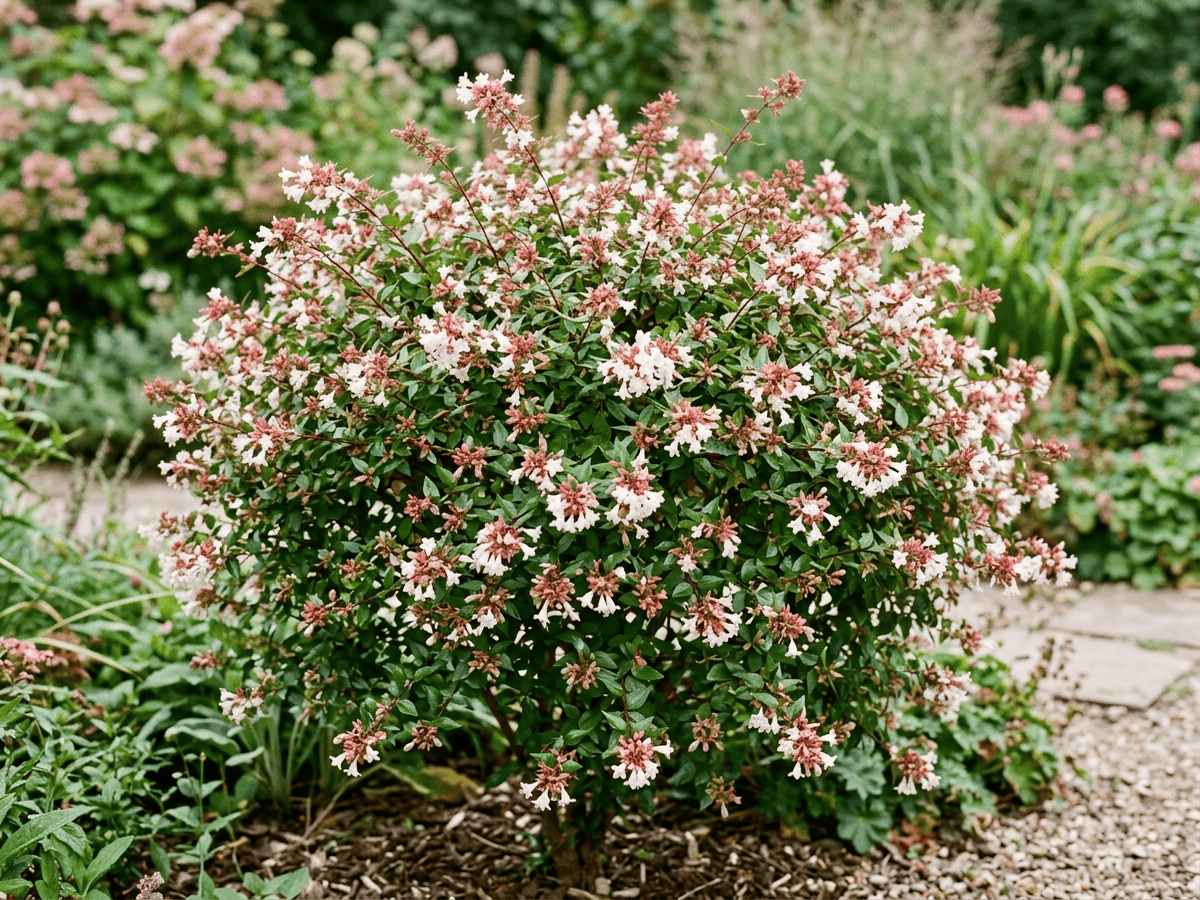 Chinese AbeliaAbelia chinensis
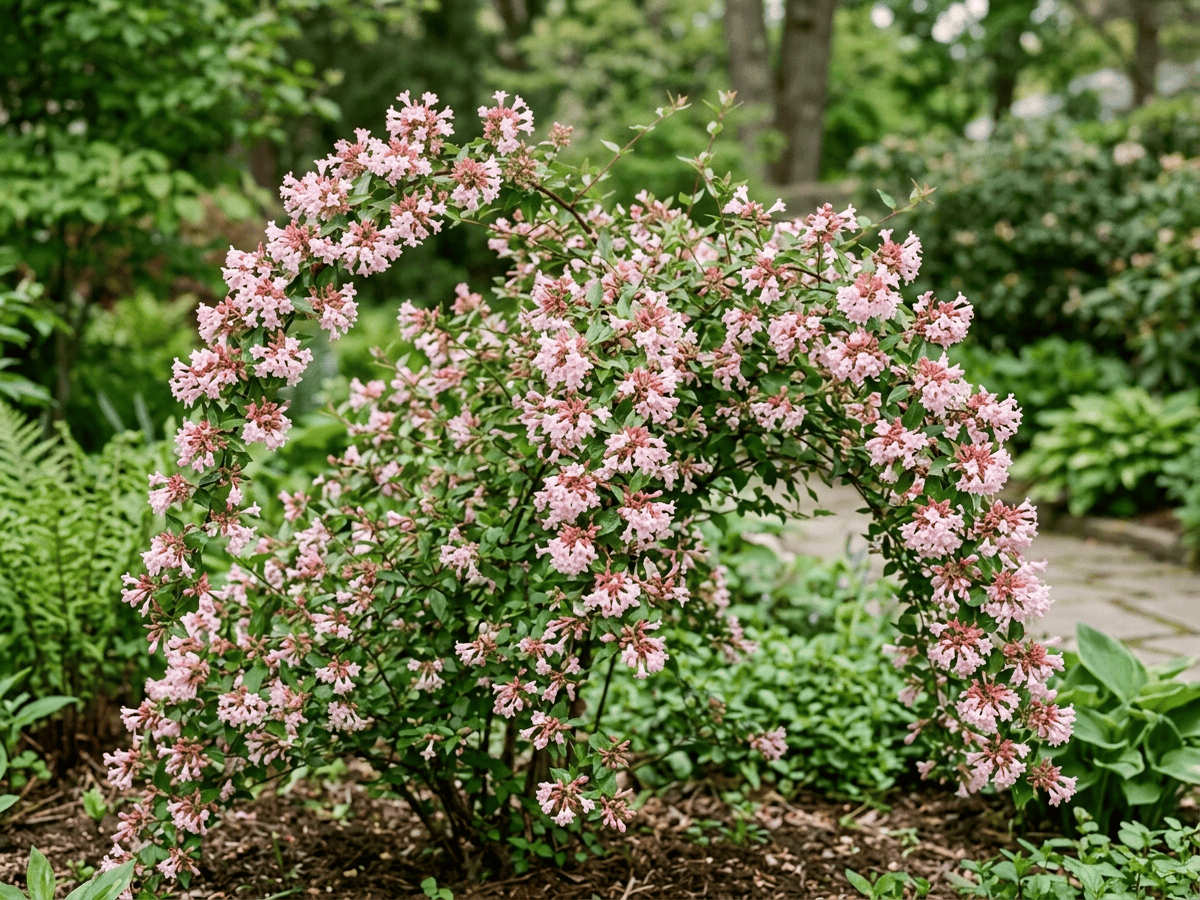 Fragrant AbeliaAbelia mosanensis
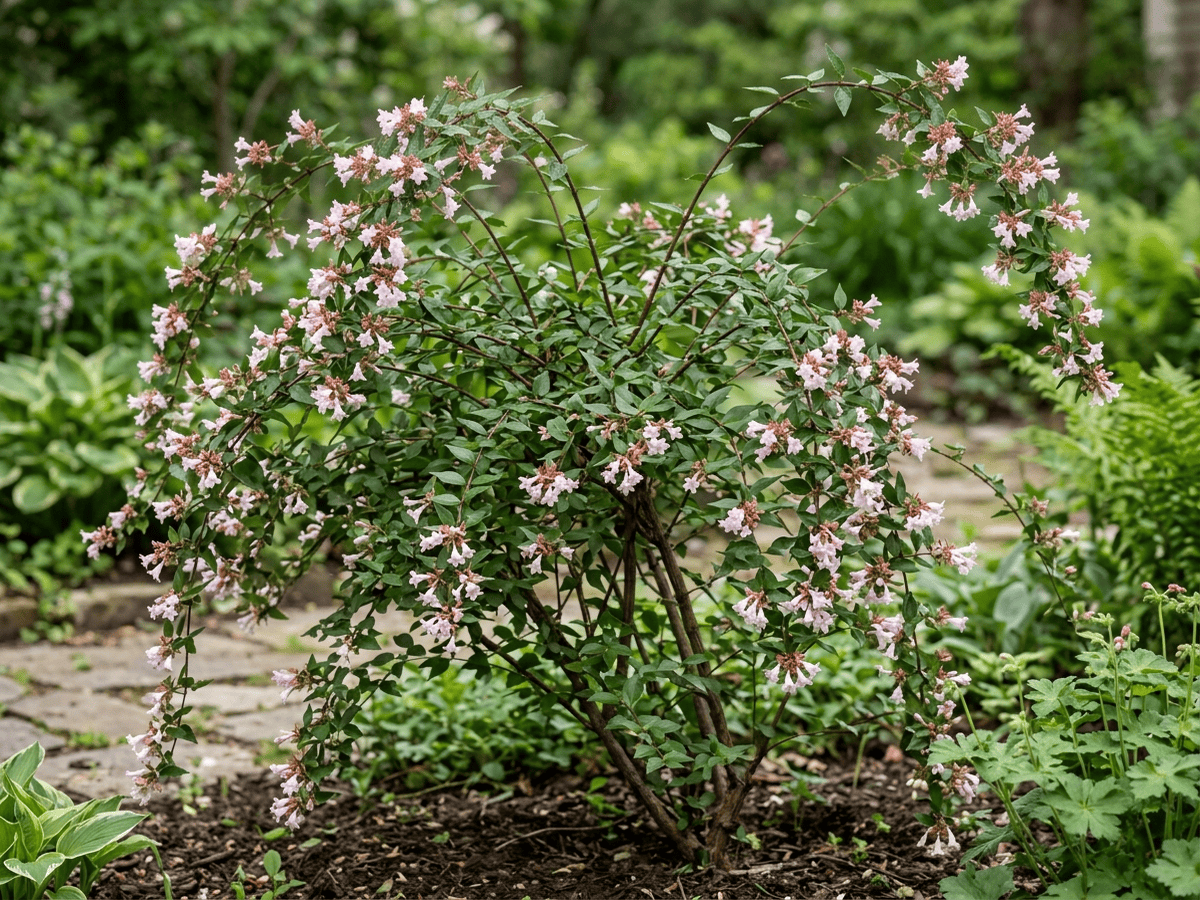 Large-Flowered AbeliaAbelia uniflora
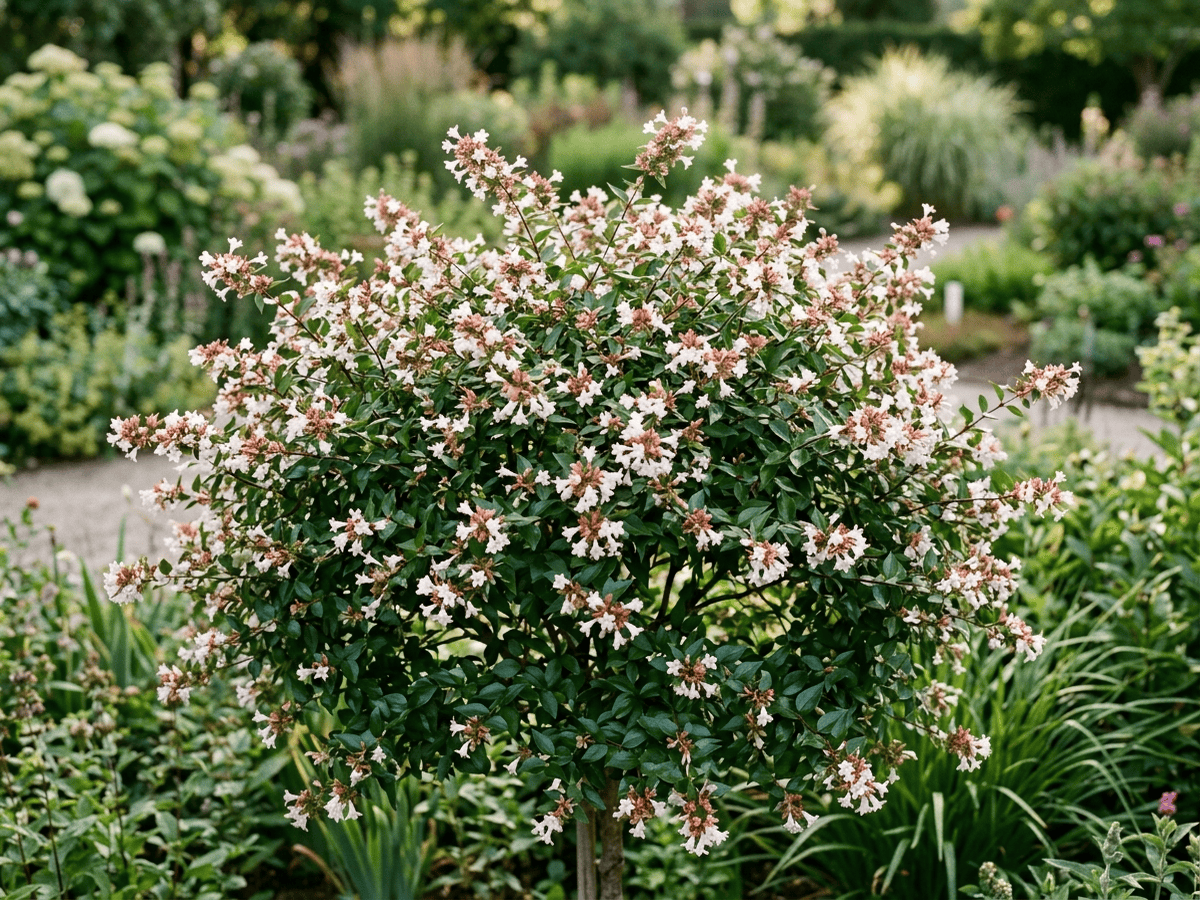 Glossy AbeliaAbelia x grandiflora
Frequently asked questions
How often should I water European Elderberry?
In summer, water about every 5 days; in winter, about every 21 days. Adjust for heat, pot size and drainage.
How much light does European Elderberry need?
Full sun: 6+ hrs direct. Watch the leaves — scorching or stretching means the light needs adjusting.
Is European Elderberry toxic to cats or dogs?
Pets Moderate (Dogs Moderate · Cats Moderate) Educational information, not medical or veterinary advice. If exposure is suspected, contact a doctor or veterinarian.
Is European Elderberry easy to grow?
Yes — it is considered an easy, beginner-friendly plant.
When does European Elderberry bloom?
It typically blooms Jun–Aug in the Northern Hemisphere.
YardMate
Identify any plant in seconds
Snap a photo — YardMate names the plant, diagnoses problems, and reminds you when to water.
Download on the App Store