 YardMate

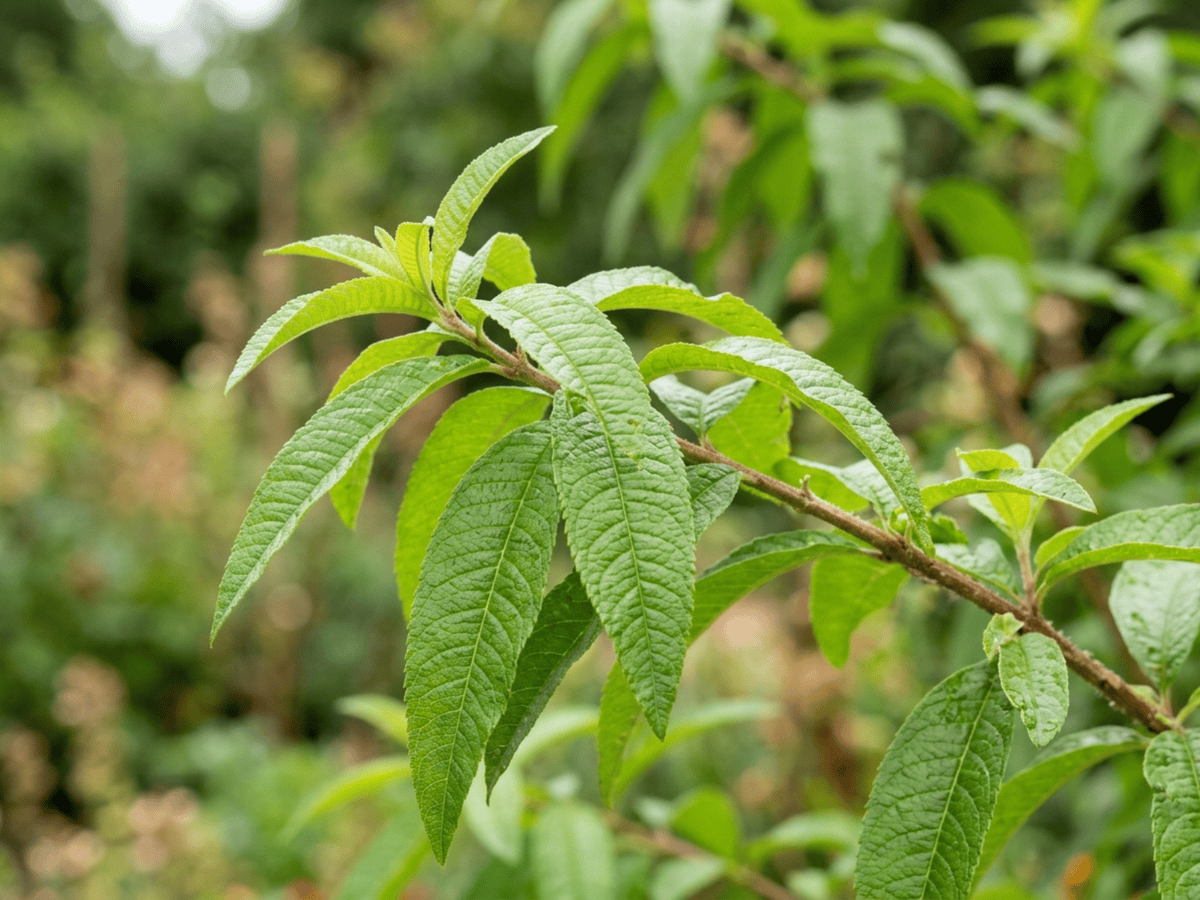


Stevia
Stevia rebaudiana
Medium · Some experienceAbout Stevia
Stevia rebaudiana is a subtropical herb whose leaves contain steviol glycosides — natural sweeteners 200–300 times sweeter than sugar with zero calories. Native to Paraguay, where the Guaraní people used it for centuries as 'ka'a he'ê' (sweet herb). Growing 30–60 cm tall with small white flowers, it is grown as an annual in temperate climates. Fresh leaves can be added directly to tea or dried and powdered. Commercial stevia extract has become one of the world's most important natural sweeteners, used in beverages, food products, and tabletop sweeteners.
- Edible
- Medicinal
How to care for Stevia
Watering
- Springevery 3 days
- Summerevery 2 days
- Fallevery 4 days
- Winterevery 7 days
Soil · Rich & well-draining
- Top dressingCompost10%
- Main mixPotting soil + compost 3:180%
- DrainageGravel10%
Top up the compost layer each season.
FERTILIZER
Balanced Feed 14-14-14
An even feed covers all three needs at once, keeping leaves, roots and blooms moving together with nothing pushed out of balance.
- Nitrogen · Leaves
- Phosphorus · Roots + Blooms
- Potassium · Strength
- Springevery 21 days
- Summerevery 21 days
- Fallevery 30 days
At a Glance
- NativeSouth America
- Height1.5–2.5 ft (0.5–0.8 m)
- Spread1–1.5 ft (0.3–0.5 m)
- Flower colorWhite
- Foliage colorGreen
- SoilWell-drained, Loamy, Sandy
- LocationsYard · Balcony
Bloom time
BLOOM CYCLE
Peak bloom
Jun–Aug
Small white flowers; pinch to encourage leaf growth; harvest leaves before flowering
Fragrance
LIGHT FRAGRANCE
Subtle sweet-herbal aroma when crushed.
Toxicity
Humans Safe · Pets Safe
stevioside and rebaudioside A
Safe
EXPOSURE No exposure route is reported.
EFFECT Approved as a food sweetener and generally regarded as safe.
NOTE Listed as non-toxic for humans; avoid eating ornamental plants unless confirmed edible.
Safe
EXPOSURE No exposure route is reported.
EFFECT Not listed as toxic.
NOTE Listed as non-toxic for dogs; avoid eating ornamental plants unless confirmed edible.
Safe
EXPOSURE No exposure route is reported.
EFFECT Not listed as toxic.
NOTE Listed as non-toxic for cats; avoid eating ornamental plants unless confirmed edible.
Educational information, not medical or veterinary advice. If exposure is suspected, contact a doctor or veterinarian.
DISTRIBUTION

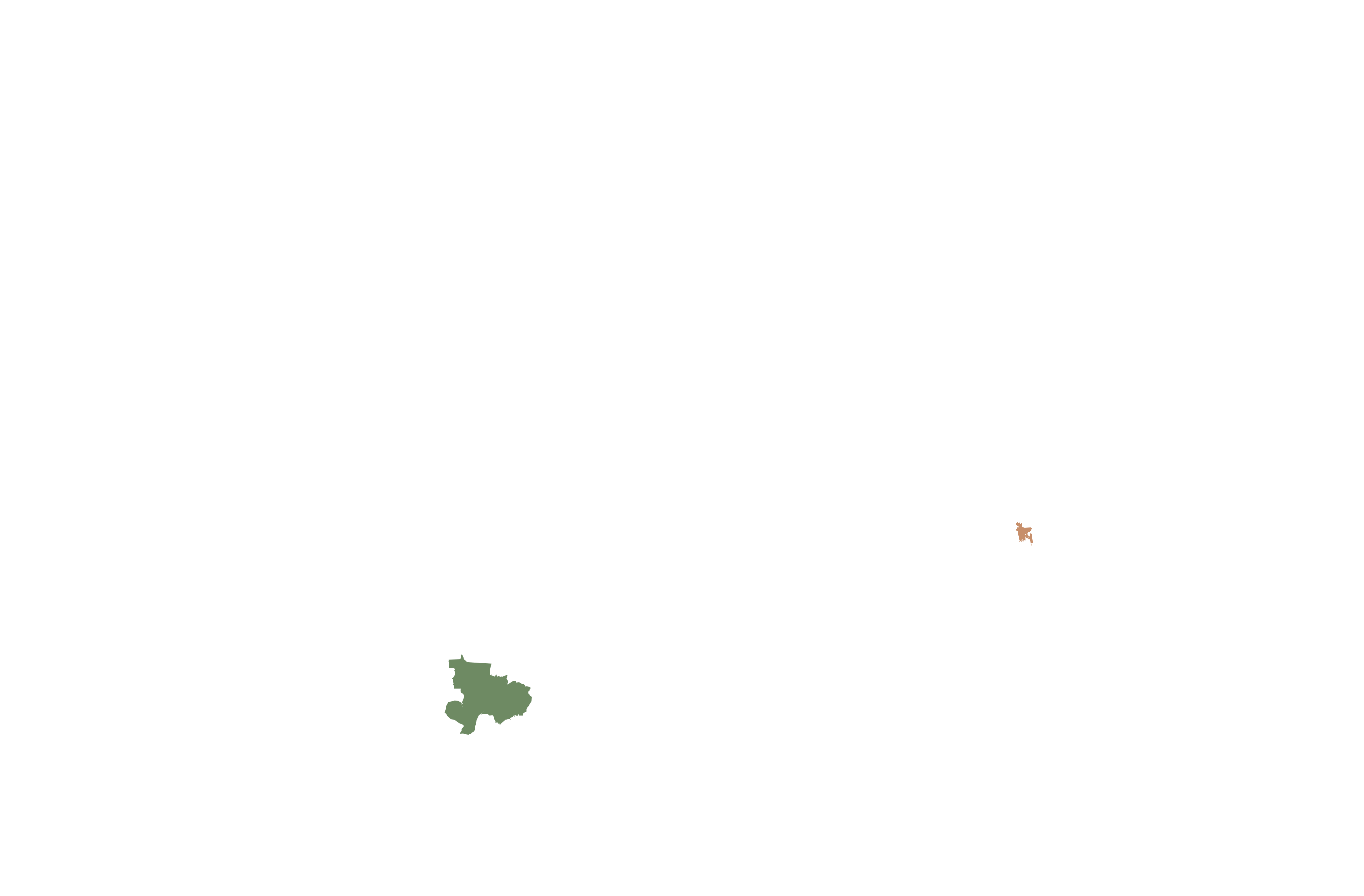
- Native
- Introduced
- South America
History

Stevia rebaudiana is native to the highlands of eastern Paraguay and adjacent Brazil. Indigenous Guaraní peoples used the leaves — which they called "ka'a he'ê" (sweet herb) — for centuries to sweeten yerba mate and as a traditional medicine. Swiss botanist Moisés Santiago Bertoni documented it formally in 1899, reporting that a single leaf sweetened a cup of bitter tea. Commercial cultivation and extraction began in Japan in the 1970s after concerns over aspartame and saccharin drove interest in plant-based sweeteners; Japan rapidly became both the largest producer and consumer of stevia extracts, which were approved for food use in 1971 — decades before approvals elsewhere.
Active sweet compounds are the steviol glycosides (stevioside, rebaudioside A), which are 200-300 times sweeter than sucrose per gram. EU approval came in 2011 and US GRAS status for specific glycosides in 2008, triggering a global market expansion. China is now the largest producer, with major cultivation also in Paraguay, India, and Kenya.
The Guaraní people of Paraguay have used stevia for at least 1,500 years to sweeten yerba maté tea. Japan was the first country to commercialize stevia extract in 1971, and it now sweetens about 40% of Japanese food products. The US and EU initially banned stevia (under pressure from artificial sweetener companies, critics allege), but approved purified steviol glycosides in 2008. Today, the global stevia market exceeds $700 million. Coca-Cola (Coca-Cola Life) and PepsiCo both use stevia blends.
Symbolism & meaning
What It Symbolizes
Stevia is often read as a flower of Sweetness — a modest South American herb whose leaves are some three hundred times sweeter than sugar, used by the Guaraní long before any food industry noticed. Each chewed leaf marks one of life's hidden pleasures, given freely without cost or calorie. A plant whose generosity quietly rewrites what we think sweetness has to be.
- Sweetness — Nature's sweetest plant — 300x sugar — represents life's hidden pleasures without cost
Where the Name Comes From
Stevia honors Pedro Jaime Esteve (Stevus), a 16th-century Spanish botanist. Rebaudiana honors Paraguayan chemist Ovidio Rebaudi who first analyzed its chemistry.
Uses & Fun Facts
- Leaves yield natural zero-calorie sweetener for drinks and food
- Used traditionally to support blood sugar regulation
- Tender perennial herb for sunny patio pots
Related plants
Plants with similar care
 Mexican AbeliaAbelia floribunda
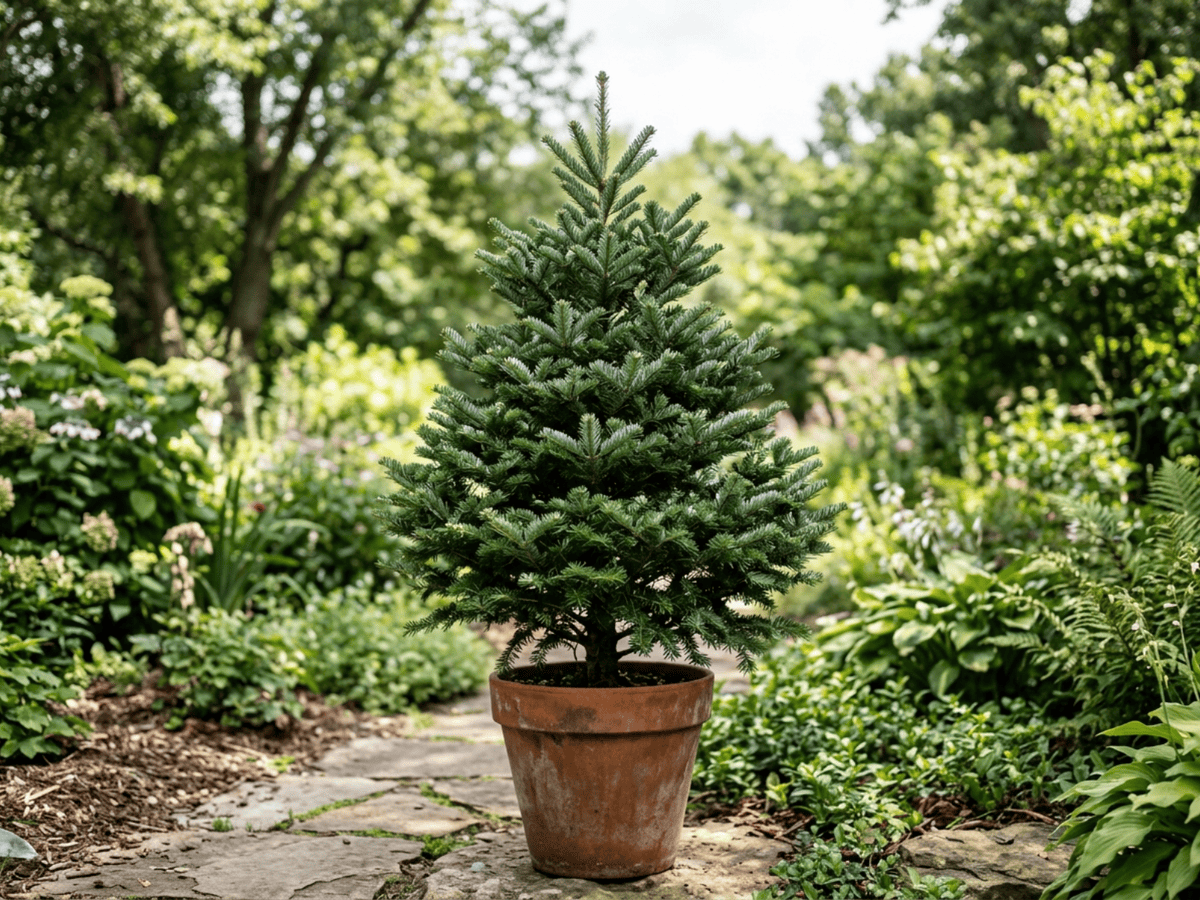 Fraser FirAbies fraseri
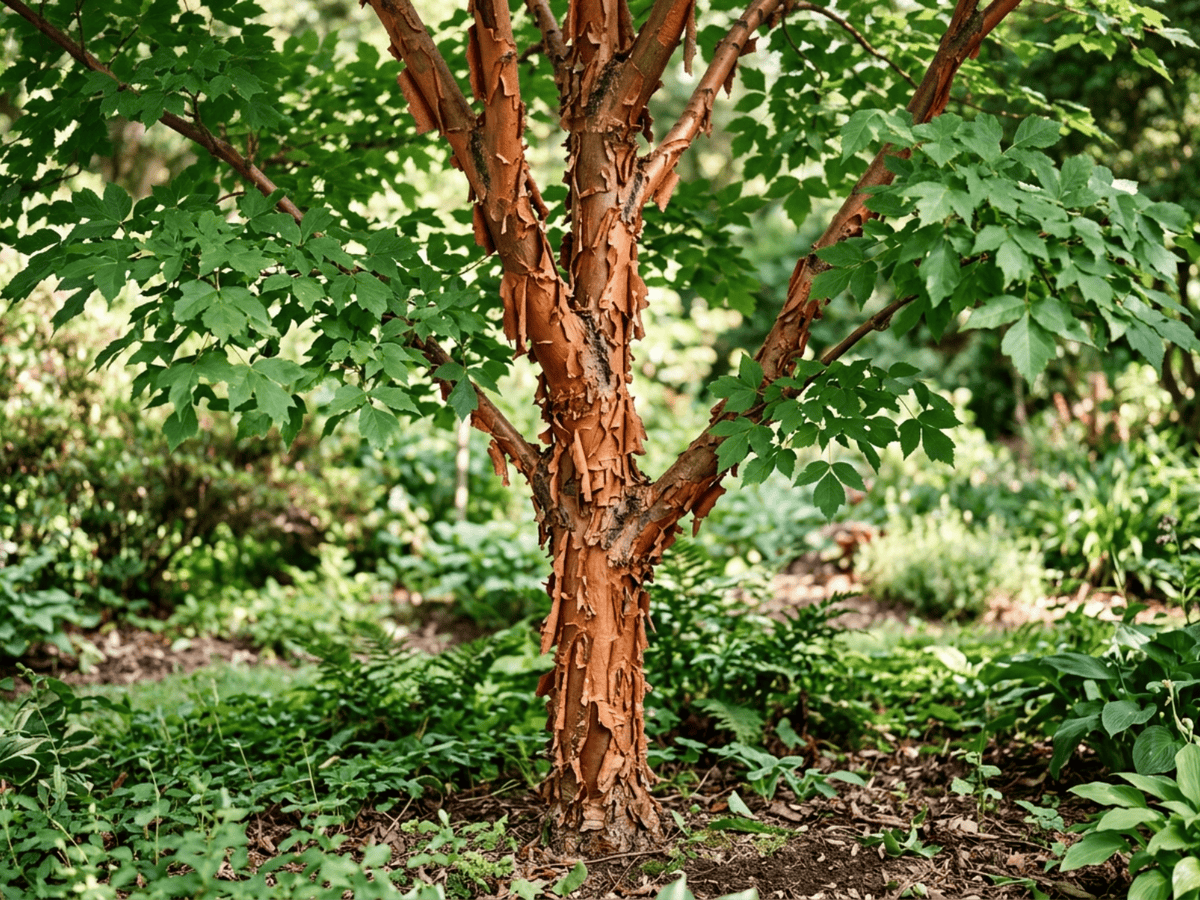 Paperbark MapleAcer griseum
 Sugar MapleAcer saccharum
Frequently asked questions
How often should I water Stevia?
In summer, water about every 2 days; in winter, about every 7 days. Adjust for heat, pot size and drainage.
How much light does Stevia need?
Full sun: 6+ hrs direct. Watch the leaves — scorching or stretching means the light needs adjusting.
Is Stevia toxic to cats or dogs?
Pets Safe (Dogs Safe · Cats Safe) Educational information, not medical or veterinary advice. If exposure is suspected, contact a doctor or veterinarian.
Is Stevia easy to grow?
It is moderately demanding: a good choice once you have a little experience.
When does Stevia bloom?
It typically blooms Jun–Aug in the Northern Hemisphere.
YardMate
Identify any plant in seconds
Snap a photo — YardMate names the plant, diagnoses problems, and reminds you when to water.
Download on the App Store