 YardMate


Taro
Colocasia esculenta
Medium · Some experienceAbout Taro
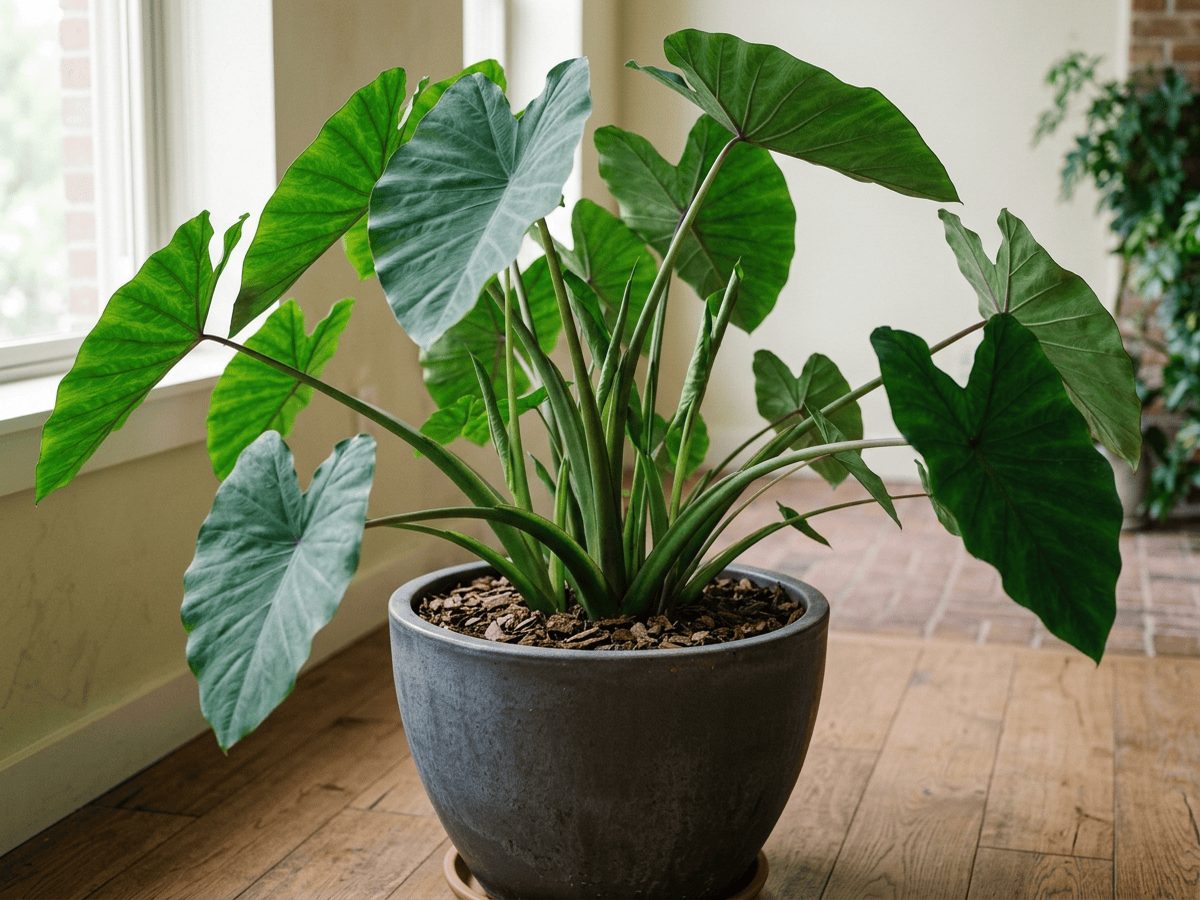
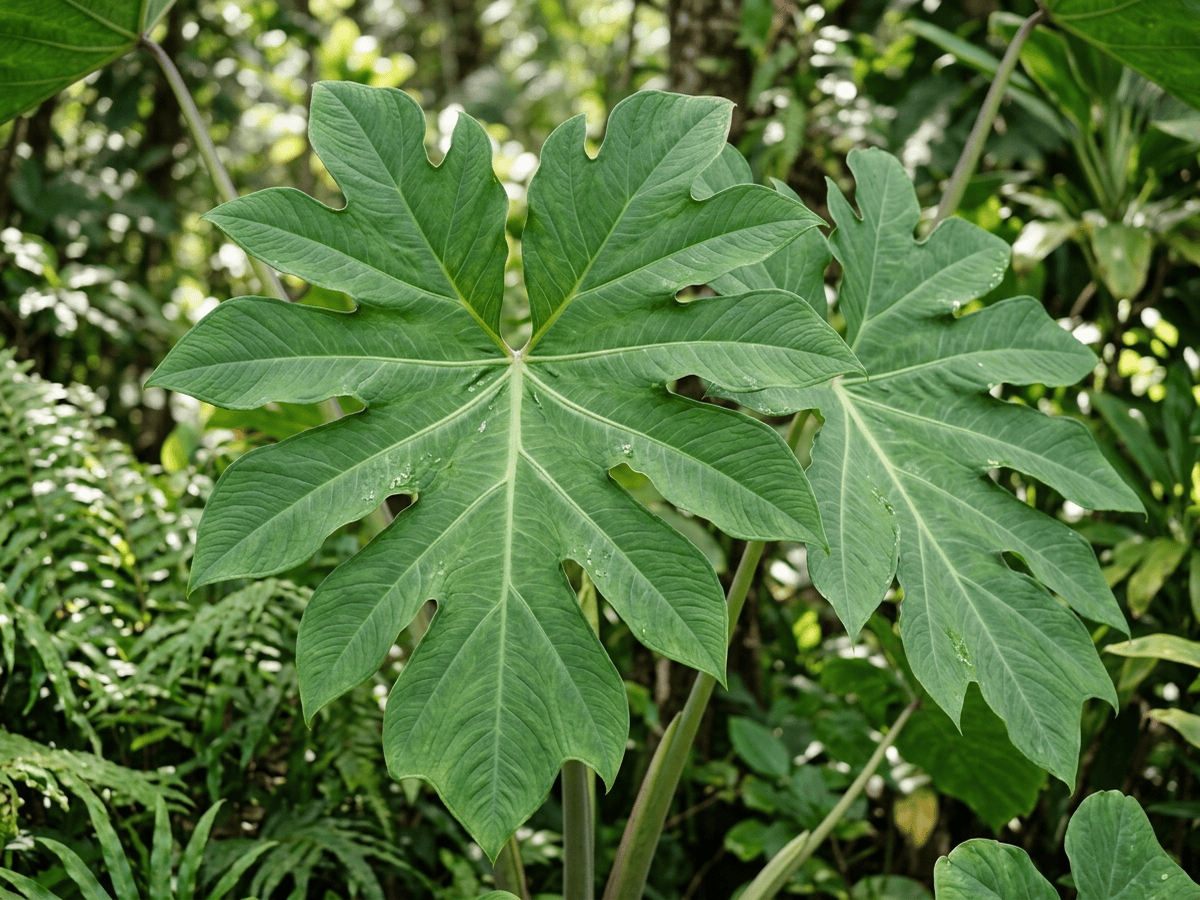
Colocasia esculenta, commonly known as taro, is one of humanity's oldest cultivated crops. Its massive heart-shaped leaves on tall petioles create a bold tropical statement, and the starchy underground corm is a staple food for hundreds of millions of people across Asia, Africa, and the Pacific Islands. In gardens, ornamental varieties like 'Black Magic' with dark purple leaves are grown for dramatic foliage. It thrives in moist to wet conditions — naturally a wetland plant — and can be grown at pond margins or in consistently moist garden soil.
- Edible
- Tropical
How to care for Taro
Watering
- Springevery 3 days
- Summerevery 2 days
- Fallevery 5 days
- Winterevery 10 days
Soil · Chunky & airy
- Top dressingBark chips10%
- Main mixBark + potting soil + perlite 1:1:170%
- DrainageLECA20%
Chunky pieces hold air pockets open so thick roots don't suffocate.
FERTILIZER
Foliage Feed 24-8-16
Nitrogen leads so the plant spends its energy on dense green growth. Phosphorus and potassium follow just far enough to keep roots and stems up to speed.
- Nitrogen · Leaves
- Phosphorus · Roots + Blooms
- Potassium · Strength
- Springevery 21 days
- Summerevery 21 days
- Fallevery 45 days
At a Glance
- NativeEast Asia
- Height3–6 ft (0.9–1.8 m)
- Spread3–6 ft (0.9–1.8 m)
- Flower colorYellow, White
- Foliage colorGreen, Purple
- SoilMoisture-retentive, Rich, Loamy
- LocationsYard · Balcony
Bloom time
BLOOM CYCLE
Peak bloom
Jun–Aug
Yellow spathe; uncommon
Fragrance
NO FRAGRANCE
Not fragrant.
Toxicity
Humans Moderate · Pets Moderate
insoluble calcium oxalate crystals (raphides)
Moderate
- Leaf
- Stem
- Root
- Contact
- Ingestion
EXPOSURE Touching leaves, stems, and roots. Eating leaves, stems, and roots.
EFFECT Intense oral burning and throat swelling if eaten raw and thorough cooking neutralizes the oxalates and renders the corm safe. Raw sap causes skin itch.
NOTE Only the raw plant is toxic; properly cooked taro is a staple food for hundreds of millions.
Moderate
- Leaf
- Stem
- Root
- Ingestion
EXPOSURE Eating leaves, stems, and roots.
EFFECT Oral burning, drooling, vomiting, difficulty swallowing and per ASPCA.
NOTE Only the raw plant is toxic; properly cooked taro is a staple food for hundreds of millions.
Moderate
- Leaf
- Stem
- Root
- Ingestion
EXPOSURE Eating leaves, stems, and roots.
EFFECT Oral burning, drooling, vomiting, difficulty swallowing and per ASPCA.
NOTE Only the raw plant is toxic; properly cooked taro is a staple food for hundreds of millions.
Educational information, not medical or veterinary advice. If exposure is suspected, contact a doctor or veterinarian.
DISTRIBUTION

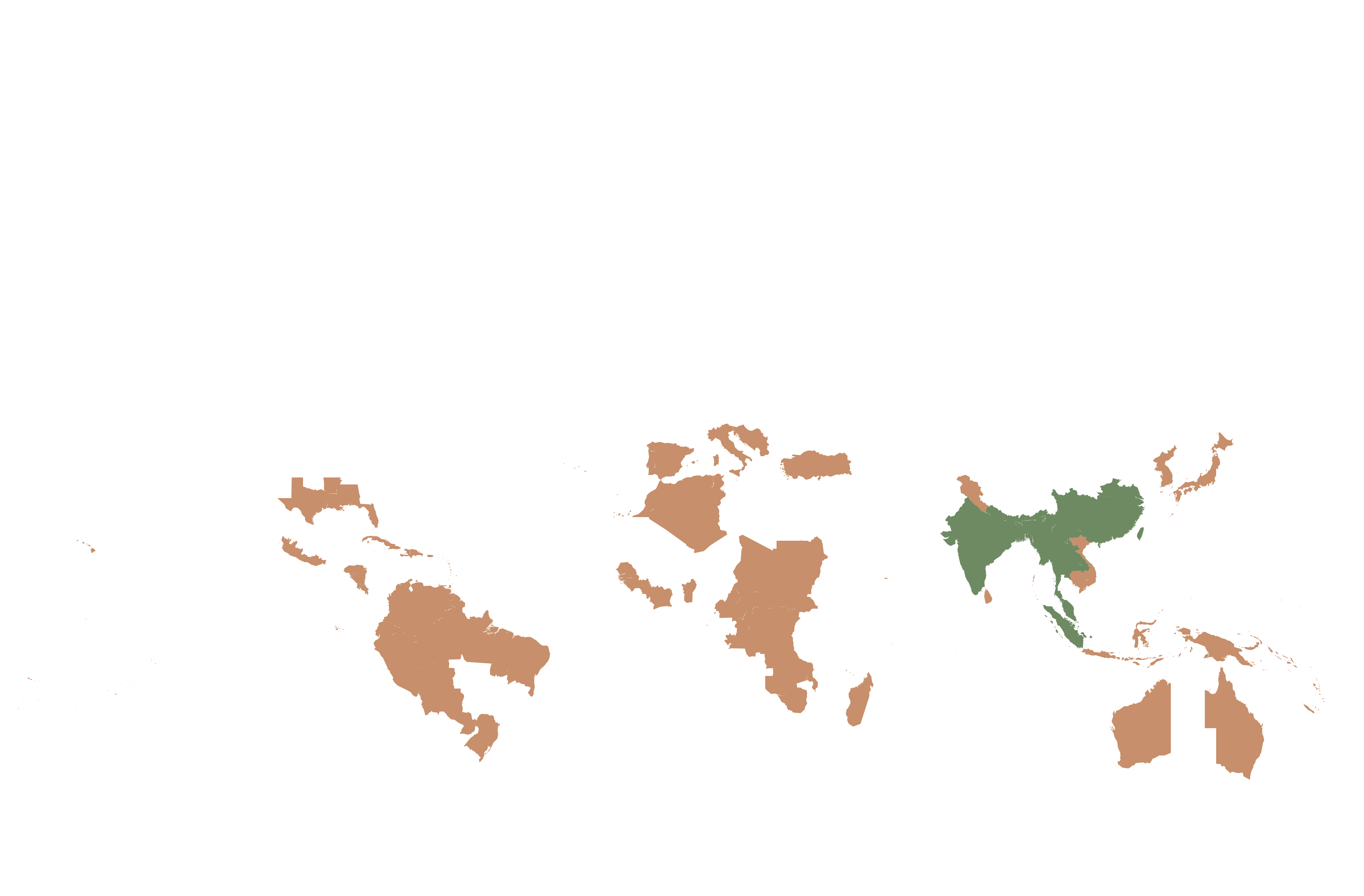
- Native
- Introduced
- East Asia
History
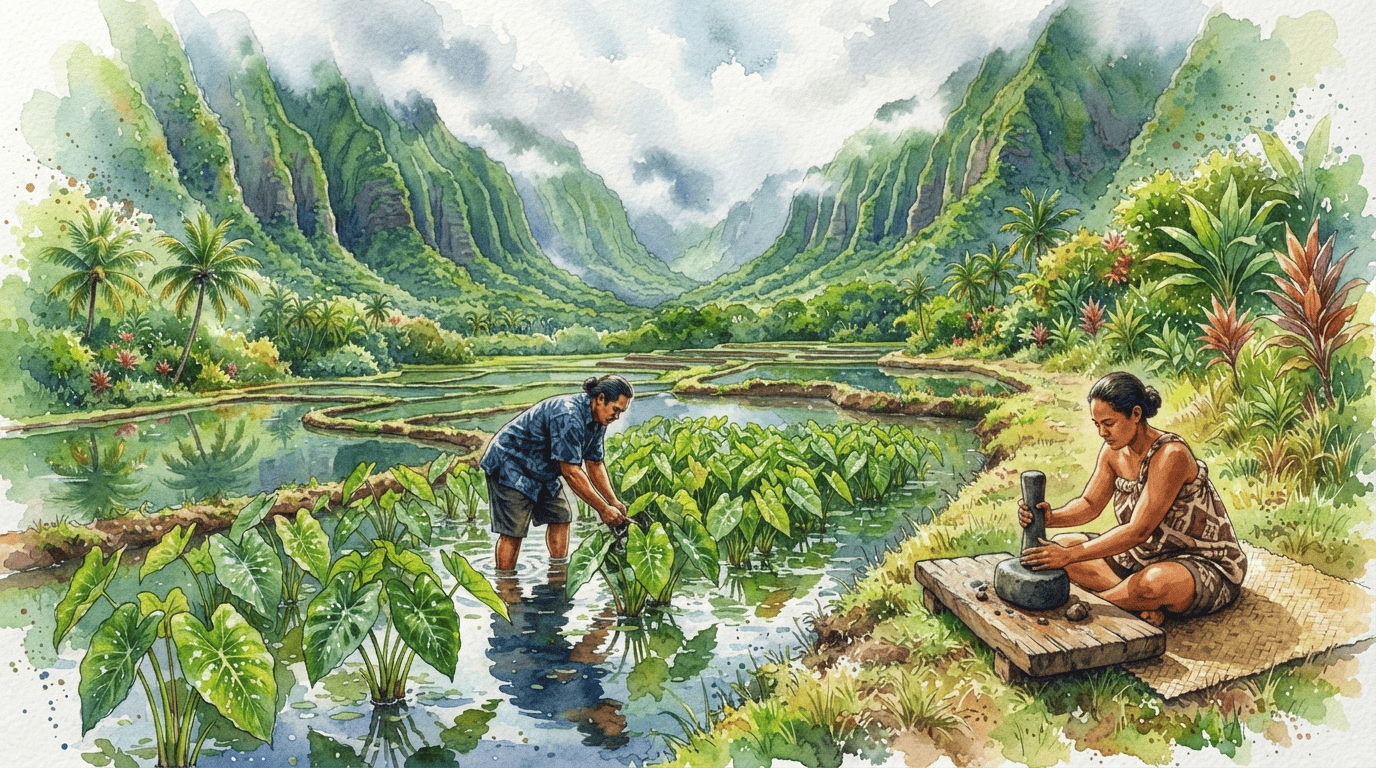
Colocasia esculenta — taro — is among the very earliest cultivated food plants in human history, with archaeological evidence of cultivation in New Guinea and Southeast Asia stretching back more than nine thousand years. It spread with Austronesian voyagers across the Pacific, where it remains a staple in Hawaii (kalo, the base of poi), Samoa, and Fiji; it became fundamental in parts of West Africa, the Caribbean (where it is known as dasheen, eddo, or malanga), and southern India and Japan (as satoimo). The corm must be cooked long enough to destroy its calcium oxalate raphides, which otherwise cause severe oral irritation.
Ornamental forms with black leaves ('Black Magic') and elephant-ear cultivars are popular summer garden plants in temperate regions. Taro is one of the oldest cultivated plants on Earth, domesticated in Southeast Asia at least 10,000 years ago — predating rice cultivation. Polynesian voyagers carried it across the Pacific in their canoes, making it foundational to Hawaiian, Samoan, and Maori diets.
In Hawaiian creation mythology, taro is the elder brother of humanity — the first-born child of the sky father Wakea, named Haloa, whose buried body sprouted into the first taro plant. This sacred relationship means taro is not merely food but family. Today, taro feeds over 400 million people worldwide.
Symbolism & meaning
What It Symbolizes
Taro is nourishment carried across millennia and oceans — one of humanity's oldest cultivated crops, fed to children in Hawaiian, West African, and Southeast Asian kitchens for thousands of years. Its enormous heart-shaped leaves and starchy corms speak of ancestral care, the hands that pounded poi and pounded fufu so the next generation would eat. It is the plant that quietly raised civilizations.
- Nourishment — One of humanity's oldest crops, it symbolizes sustenance and ancestral care
Where the Name Comes From
Colocasia from Greek 'kolokasia,' an ancient name for the edible root. Esculenta means 'edible' in Latin.
Uses & Fun Facts
- Starchy corms cooked as staple food across tropical cultures
- Massive heart-shaped leaves create tropical bog garden drama
- Ancient Polynesian and Asian crop central to traditional cuisines
Related plants
More Colocasia plants

Plants with similar care
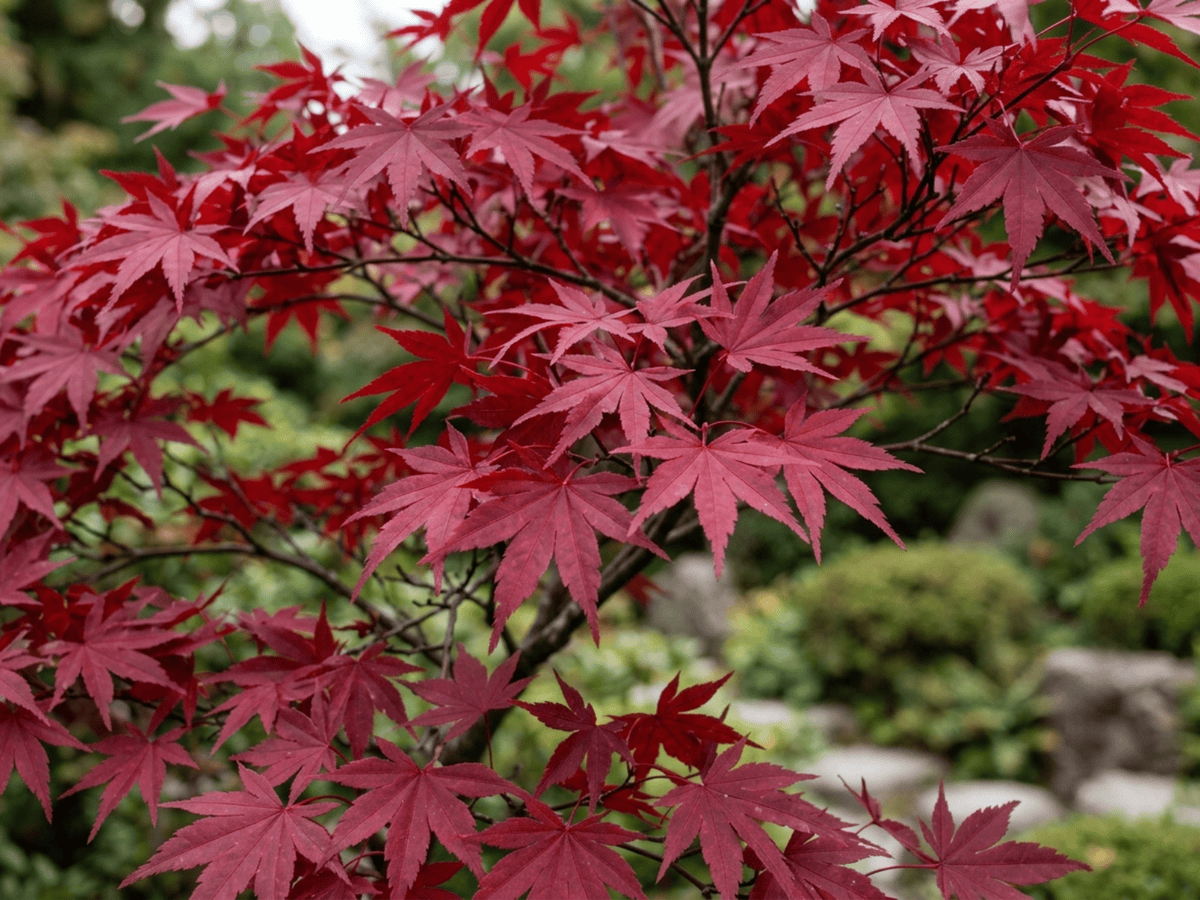 Japanese MapleAcer palmatum
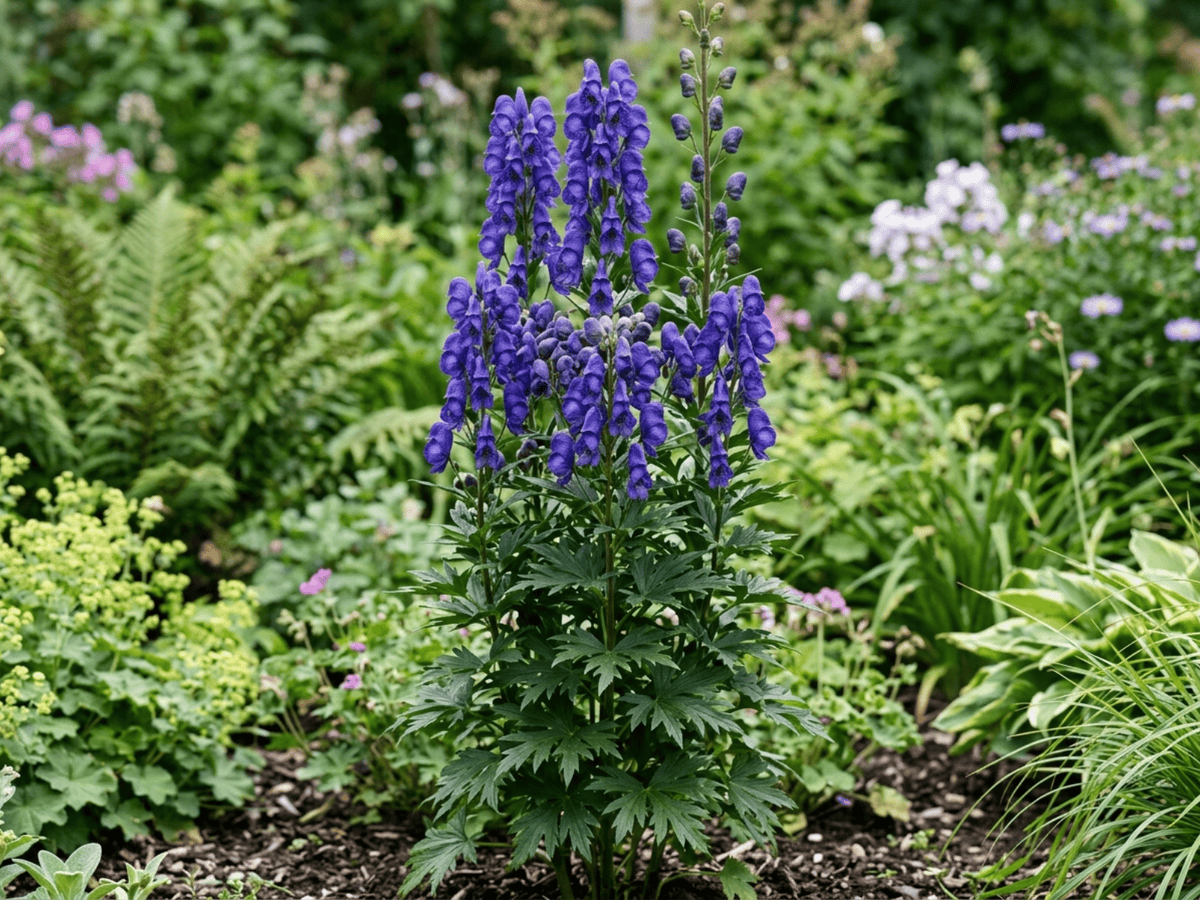 Azure MonkshoodAconitum carmichaelii
 Florida HobblebushAgarista populifolia
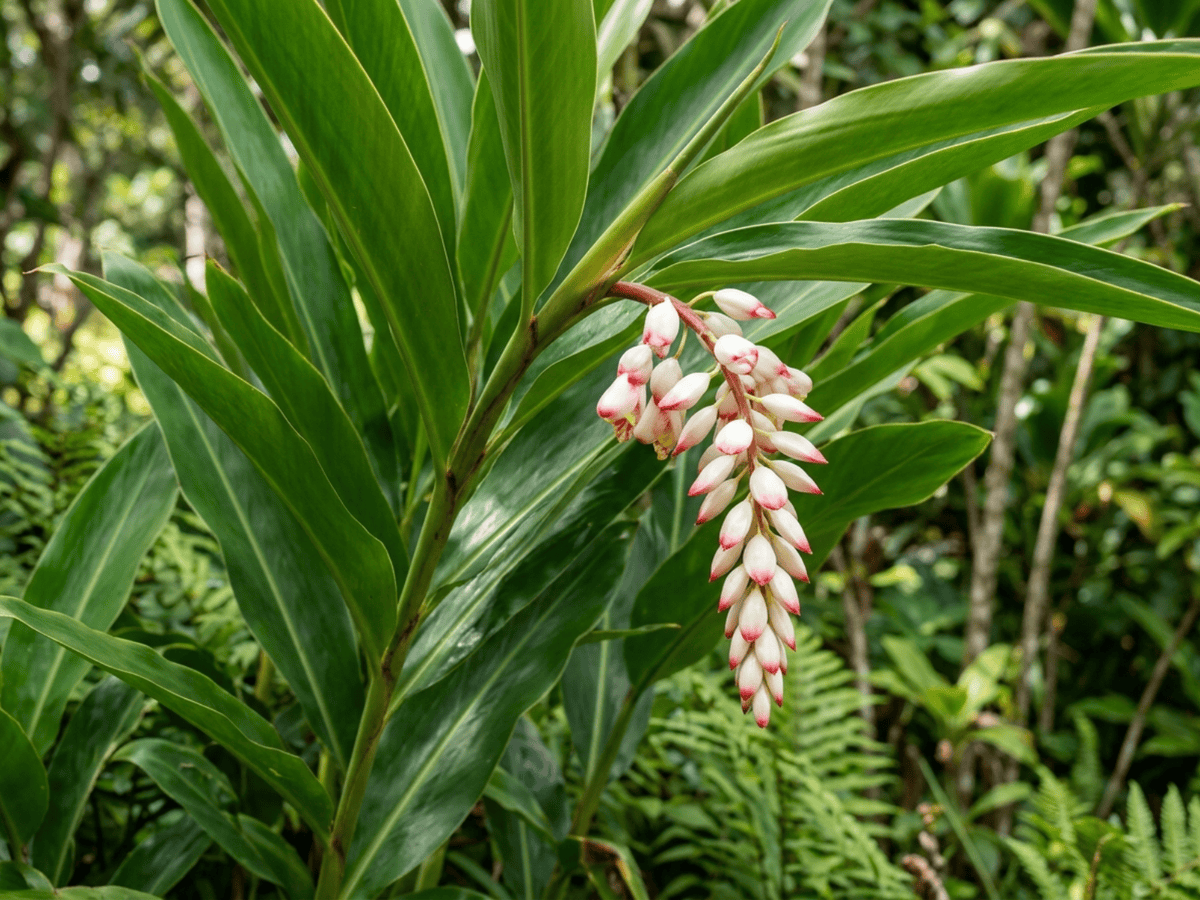 Shell GingerAlpinia zerumbet
Frequently asked questions
How often should I water Taro?
In summer, water about every 2 days; in winter, about every 10 days. Adjust for heat, pot size and drainage.
How much light does Taro need?
Part shade: 2–4 hrs direct. Watch the leaves — scorching or stretching means the light needs adjusting.
Is Taro toxic to cats or dogs?
Pets Moderate (Dogs Moderate · Cats Moderate) Educational information, not medical or veterinary advice. If exposure is suspected, contact a doctor or veterinarian.
Is Taro easy to grow?
It is moderately demanding: a good choice once you have a little experience.
When does Taro bloom?
It typically blooms Jun–Aug in the Northern Hemisphere.
YardMate
Identify any plant in seconds
Snap a photo — YardMate names the plant, diagnoses problems, and reminds you when to water.
Download on the App Store