 YardMate


Abyssinian Banana
Ensete ventricosum
Hard · Experienced growersAbout Abyssinian Banana
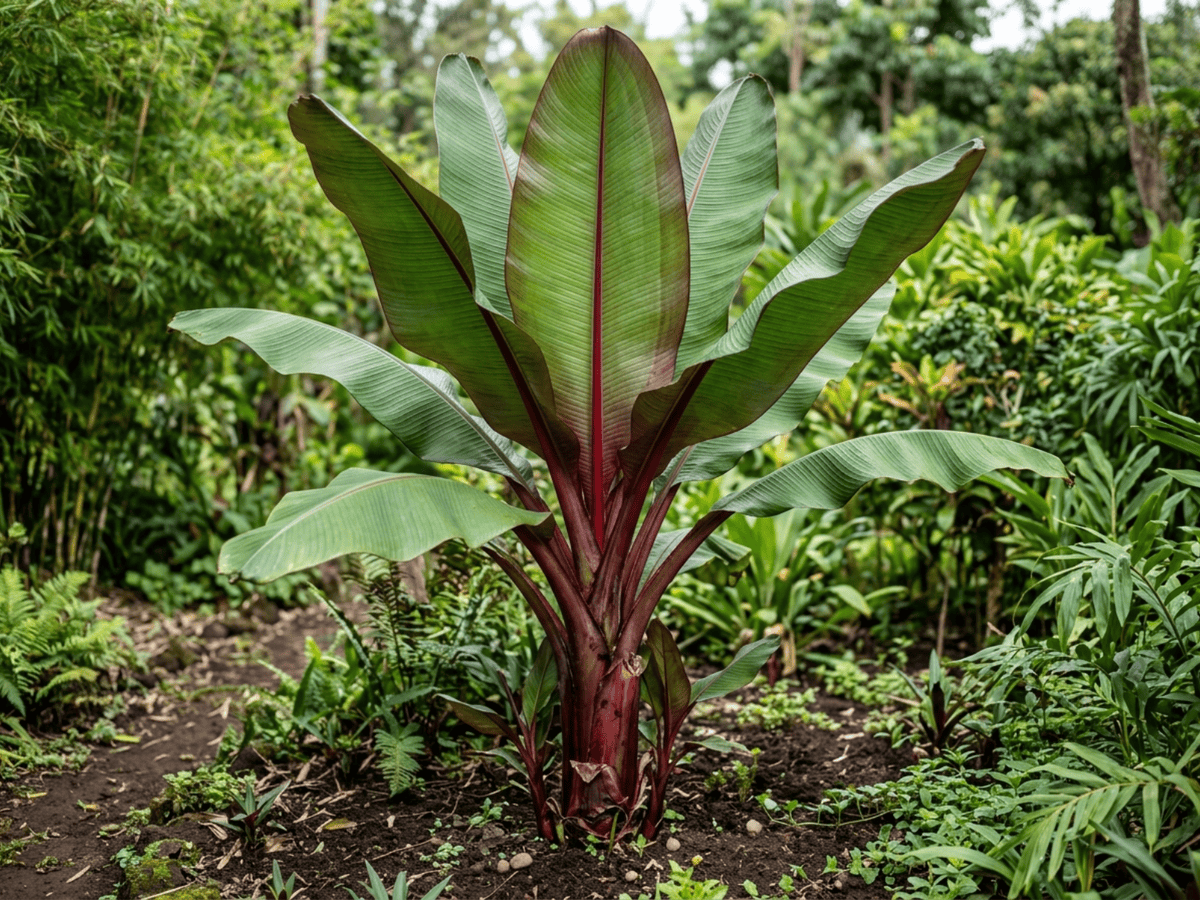
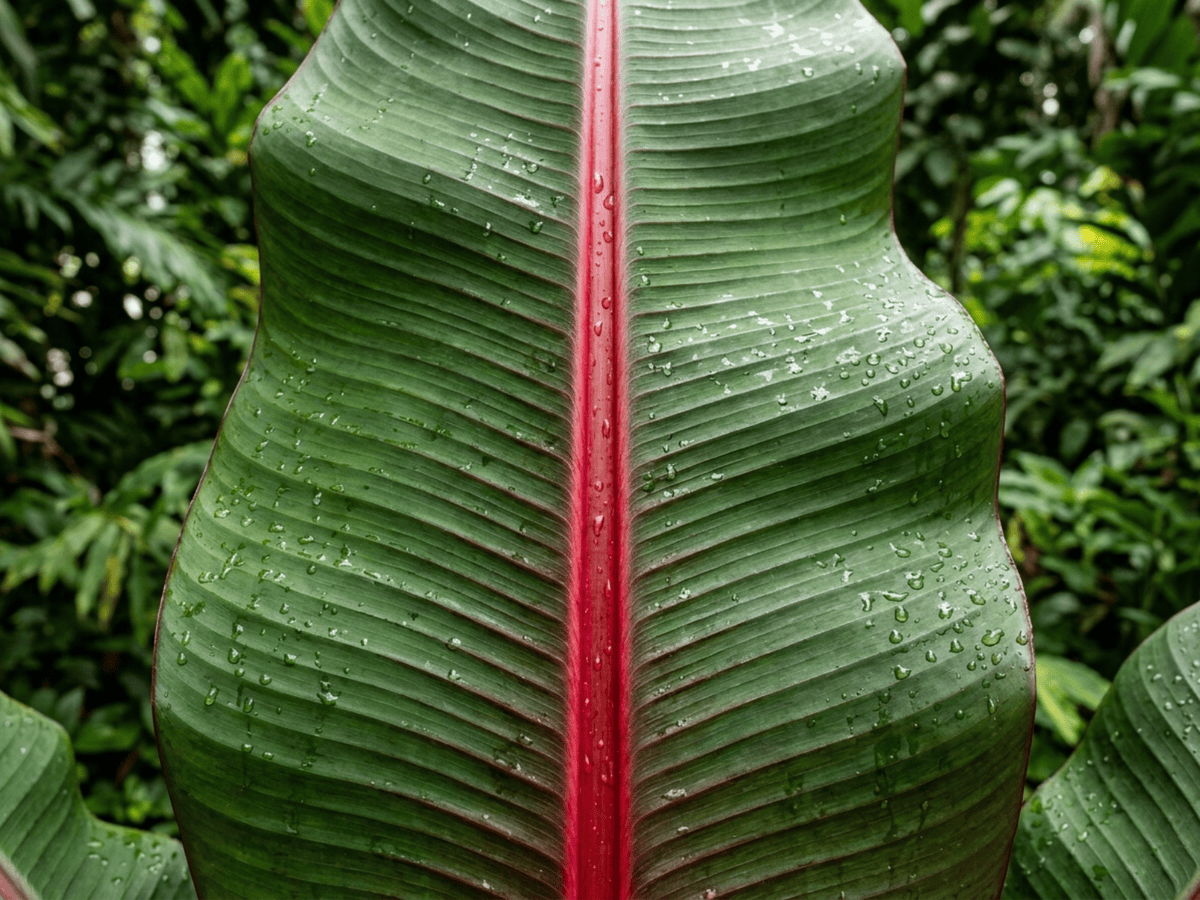
Ethiopian Banana, also known as the False Banana, is a massive monocarpic plant native to the highlands of East Africa. It resembles a true banana but belongs to a separate genus and does not produce edible fruit. Instead, its enormous value lies in its starchy pseudostem and corm, which are fermented to produce kocho — a staple food sustaining over 20 million people in southern Ethiopia. The plant is truly monumental, reaching 20 to 30 feet tall with paddle-shaped leaves up to 15 feet long and a distinctive swollen base. It grows for 5 to 8 years before producing a single massive flower spike, after which the plant dies. The ornamental red-leaved cultivar 'Maurelii' is widely grown in temperate summer gardens as a dramatic annual or overwintered specimen. Ensete requires rich, moist soil and full sun to achieve its impressive size. In colder regions it must be lifted and stored frost-free over winter or grown as a fast-growing seasonal accent.
- Tropical
How to care for Abyssinian Banana
Watering
- Springevery 3 days
- Summerevery 2 days
- Fallevery 5 days
- Winterevery 14 days
Soil · Well-draining
- Main mixLoam + bark + perlite 2:1:175%
- DrainageLECA25%
Bark keeps the mix from compacting under a heavy root ball.
FERTILIZER
Foliage Feed 24-8-16
Nitrogen leads so the plant spends its energy on dense green growth. Phosphorus and potassium follow just far enough to keep roots and stems up to speed.
- Nitrogen · Leaves
- Phosphorus · Roots + Blooms
- Potassium · Strength
- Springevery 30 days
- Summerevery 30 days
At a Glance
- NativeAfrica
- Height12–20 ft (3.7–6.1 m)
- Spread8–12 ft (2.4–3.7 m)
- Flower colorWhite, Cream
- Foliage colorGreen, Red, Bronze
- SoilMoisture-retentive, Rich, Loamy
- LocationsYard · Indoor · Balcony
Bloom time
BLOOM CYCLE
Peak bloom
Jun–Aug
Single massive flower spike after 5-8 years; plant dies after flowering
Fragrance
NO FRAGRANCE
No notable fragrance.
Toxicity
No toxicity has been reported for this plant. Still, it is wise to keep pets from chewing on any houseplant.
Educational information, not medical or veterinary advice. If exposure is suspected, contact a doctor or veterinarian.
DISTRIBUTION

- Native
- Introduced
- Africa
History
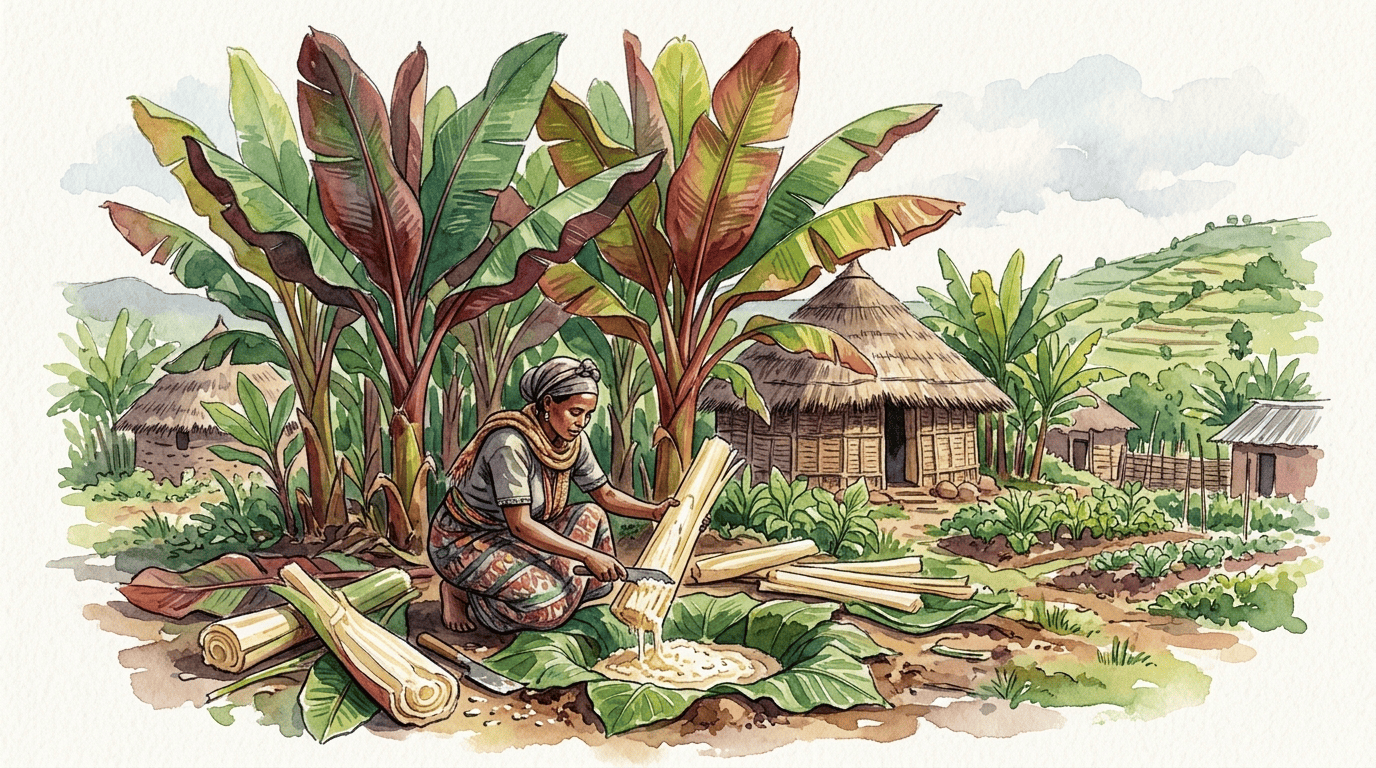
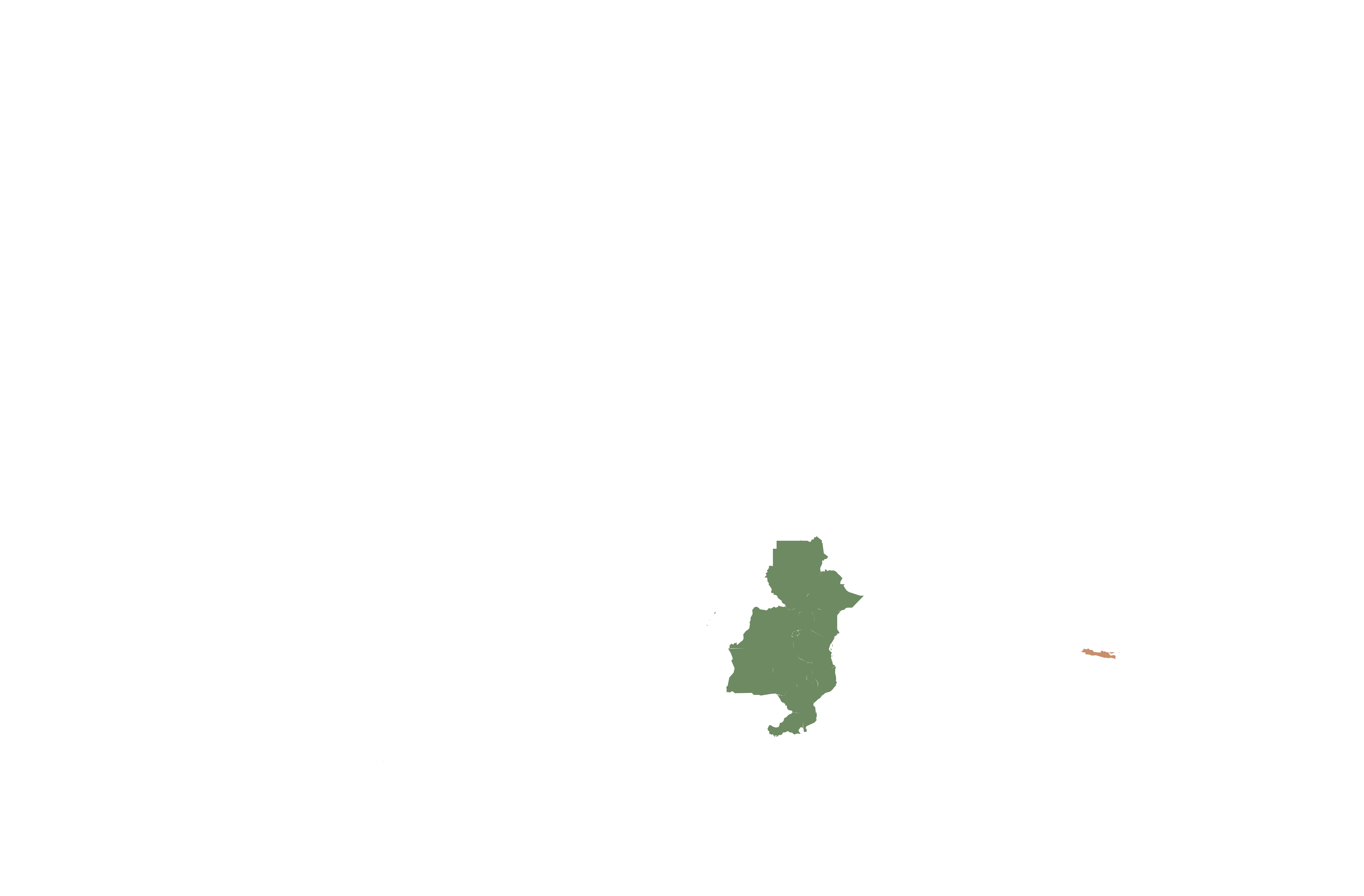
Ensete ventricosum is native to the highlands of East Africa, from Ethiopia south through Kenya, Uganda, Tanzania, and into southern Africa. In its most culturally central context, it is the staple carbohydrate crop of the Ethiopian Southern Nations, Nationalities, and Peoples' Region — particularly the Gurage, Sidama, Wolayta, and Hadiya peoples, who collectively constitute more than 20 million "enset farmers," making this one of the most regionally concentrated staple crops in the world. Unlike true bananas (Musa), Ensete fruit is dry, full of stony seeds, and inedible. Instead, the food crop is prepared from scraped starchy material inside the corm and pseudostem: the plant is harvested at 4-7 years old, the inner material is scraped out, pit-fermented with lactic-acid-bacteria starter for weeks or months, and the resulting pulp (called "kocho") is baked into flat-bread or made into porridge.
Enset can store fermented for years, giving it exceptional famine-insurance value — Ethiopian enset-region communities have historically weathered droughts that devastated grain-farming neighbors. The species was introduced to Western horticulture in the 19th century as an ornamental "Abyssinian banana," prized for its enormous paddle-shaped red-bronze-green leaves; the cultivar 'Maurelii' with wine-red leaves is particularly popular. Ensete ventricosum has been cultivated in the Ethiopian highlands for over 8,000 years, making it one of Africa's oldest domesticated crops.
The fermented pseudostem product, kocho, is the primary calorie source for over 20 million Ethiopians. The plant was brought to European attention by 19th-century explorers. The ornamental cultivar 'Maurelii,' with its dramatic red-flushed leaves, was discovered in the early 20th century and became a staple of Victorian-style tropical bedding schemes worldwide.
Symbolism & meaning
What It Symbolizes
The Abyssinian Banana evokes Abundance in the most literal sense — a single false-banana plant in the Ethiopian highlands can feed a family for months. It is the foundation of sustenance for some twenty million people, a plant that quietly underwrites whole regions. Each massive leaf is an emblem of food security made green.
- Abundance — feeds millions, symbolizing nature's generous provision
- Sustenance — represents food security and the foundation of life
Where the Name Comes From
'Ensete' comes from the Amharic name for the plant in Ethiopian language. 'Ventricosum' is Latin for pot-bellied, describing the characteristic swollen base of the pseudostem.
Uses & Fun Facts
- Massive paddle leaves create instant tropical centerpiece
- Pseudostem and corm processed into staple Ethiopian food
- Bold patio plant in oversized planters
Related plants
Plants with similar care
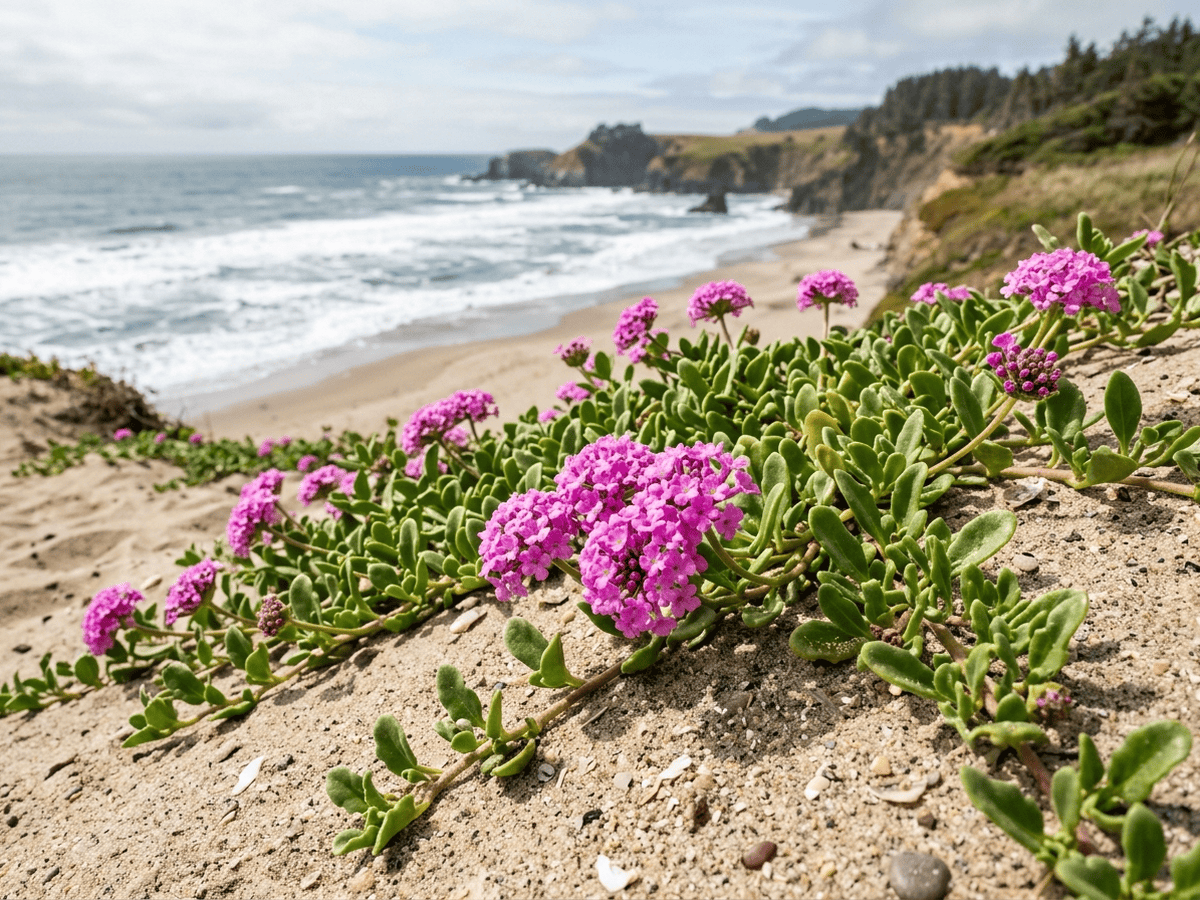 Pink Sand VerbenaAbronia umbellata
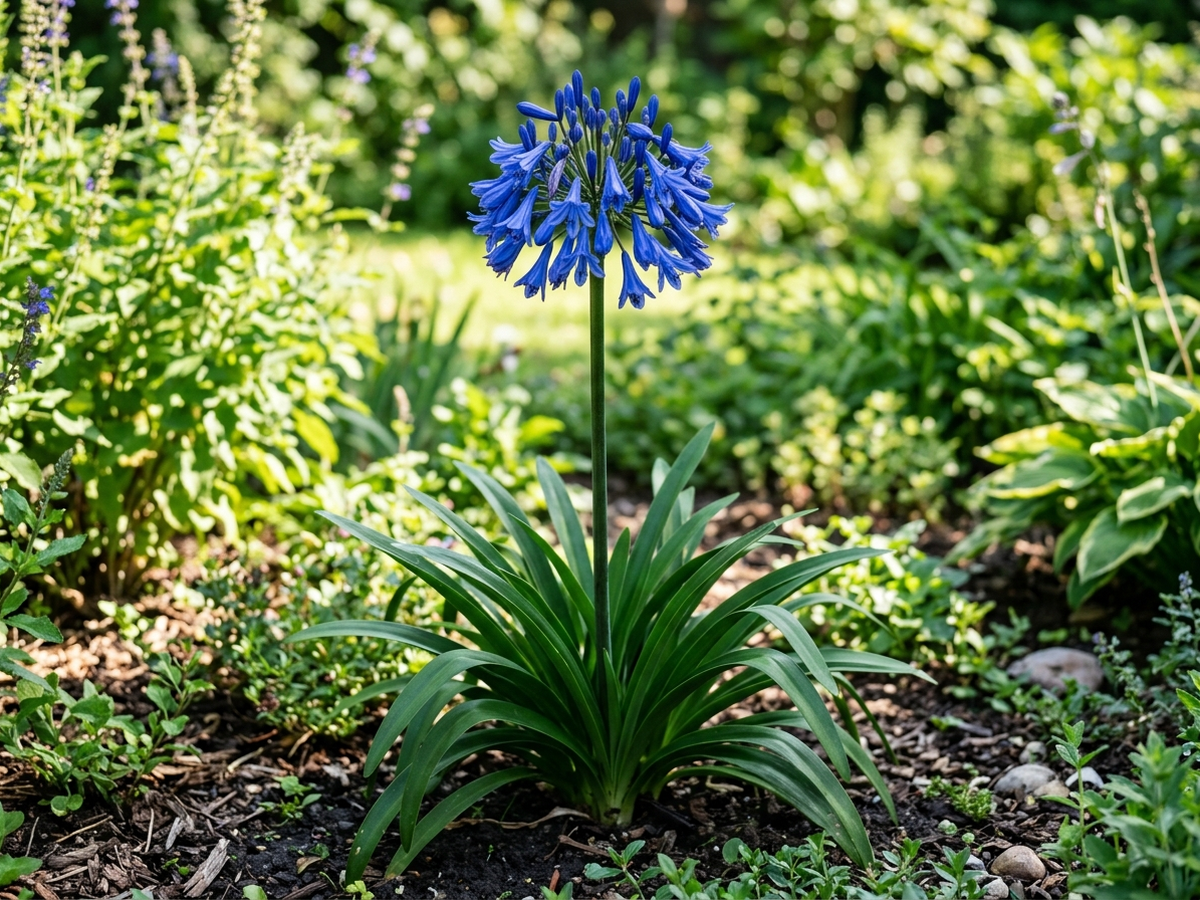 Drooping AgapanthusAgapanthus inapertus
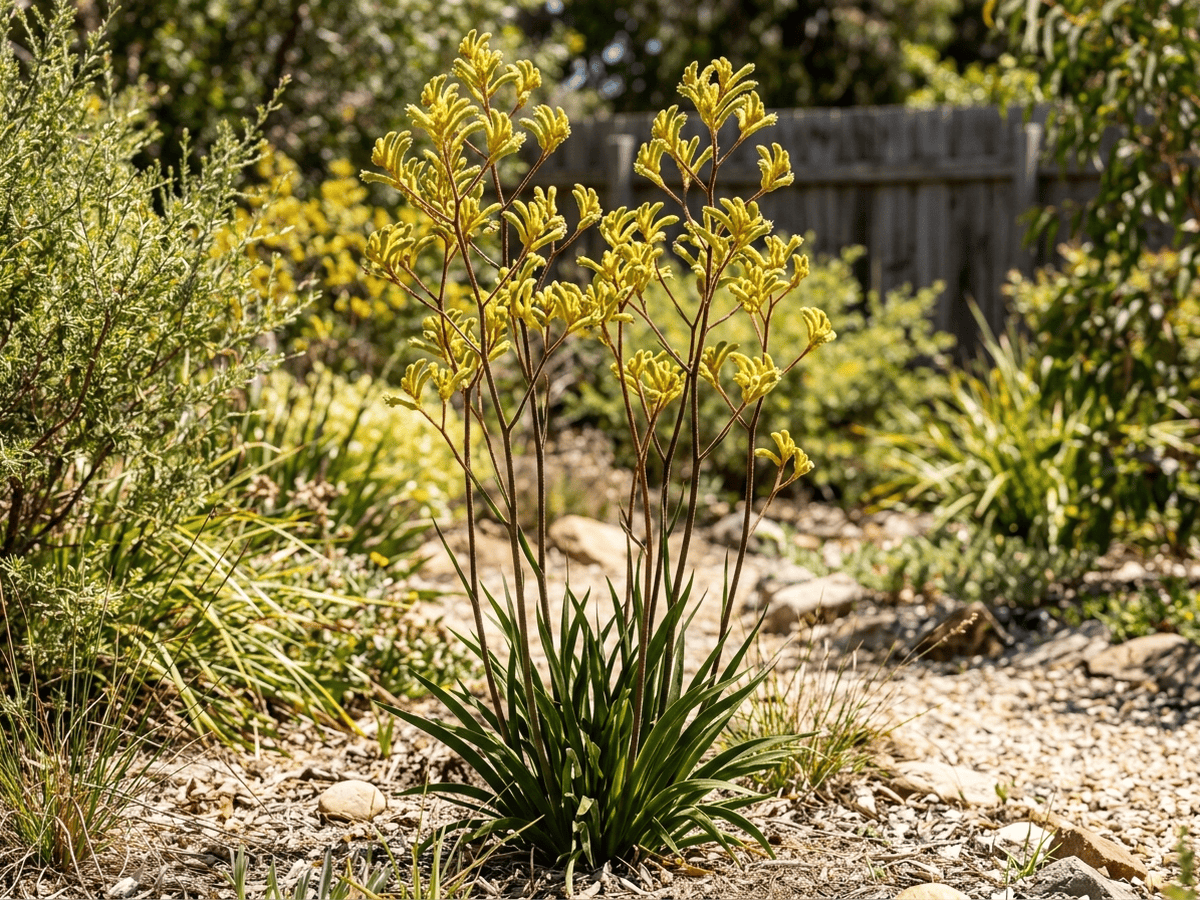 Tall Kangaroo PawAnigozanthos flavidus
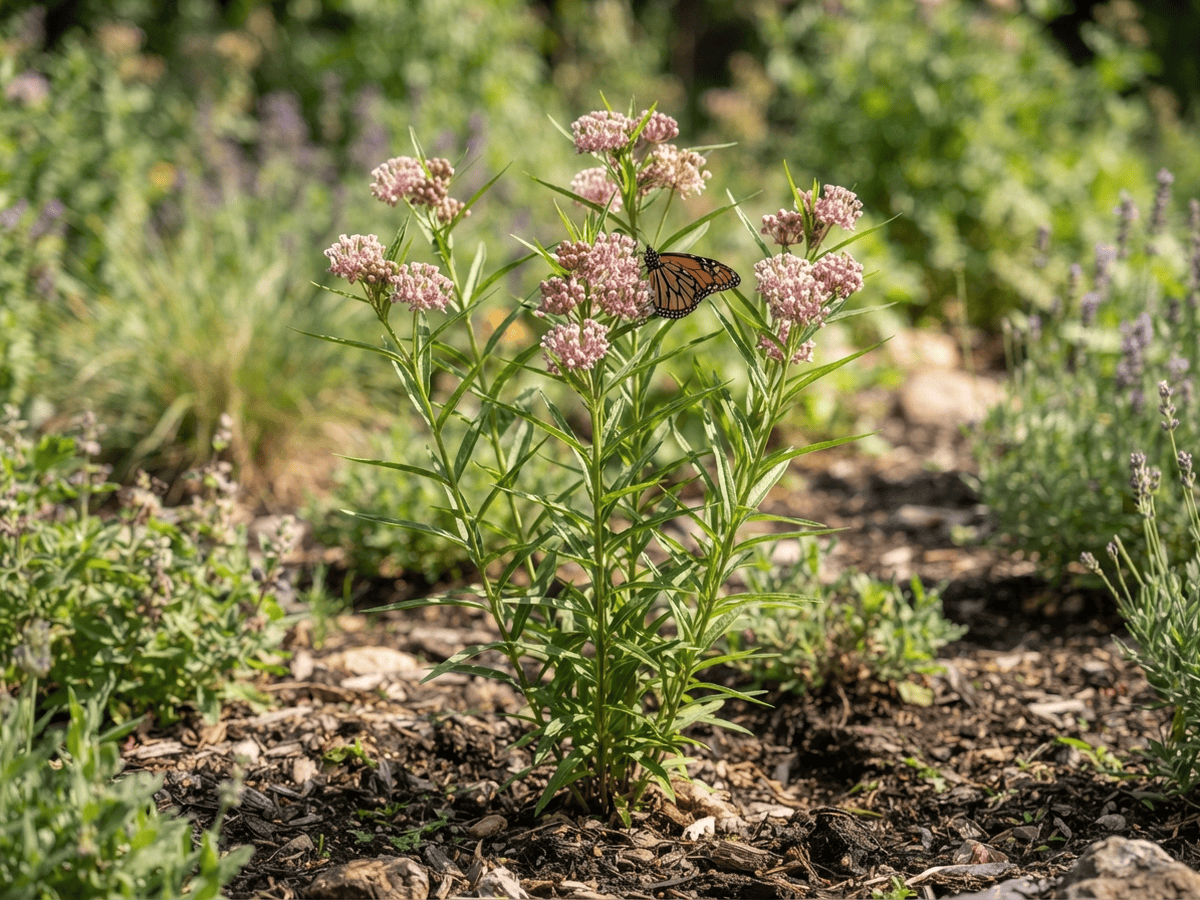 Narrowleaf MilkweedAsclepias fascicularis
Frequently asked questions
How often should I water Abyssinian Banana?
In summer, water about every 2 days; in winter, about every 14 days. Adjust for heat, pot size and drainage.
How much light does Abyssinian Banana need?
Full sun: 6+ hrs direct. Watch the leaves — scorching or stretching means the light needs adjusting.
Is Abyssinian Banana toxic to cats or dogs?
No toxicity has been reported for this plant. Still, it is wise to keep pets from chewing on any houseplant. Educational information, not medical or veterinary advice. If exposure is suspected, contact a doctor or veterinarian.
Is Abyssinian Banana easy to grow?
It is considered challenging and rewards experienced growers.
Can Abyssinian Banana be grown indoors?
Yes, it adapts well to indoor growing given the right light.
When does Abyssinian Banana bloom?
It typically blooms Jun–Aug in the Northern Hemisphere.
YardMate
Identify any plant in seconds
Snap a photo — YardMate names the plant, diagnoses problems, and reminds you when to water.
Download on the App Store