 YardMate


Summer Savory
Satureja hortensis
Easy · Beginner friendlyAbout Summer Savory
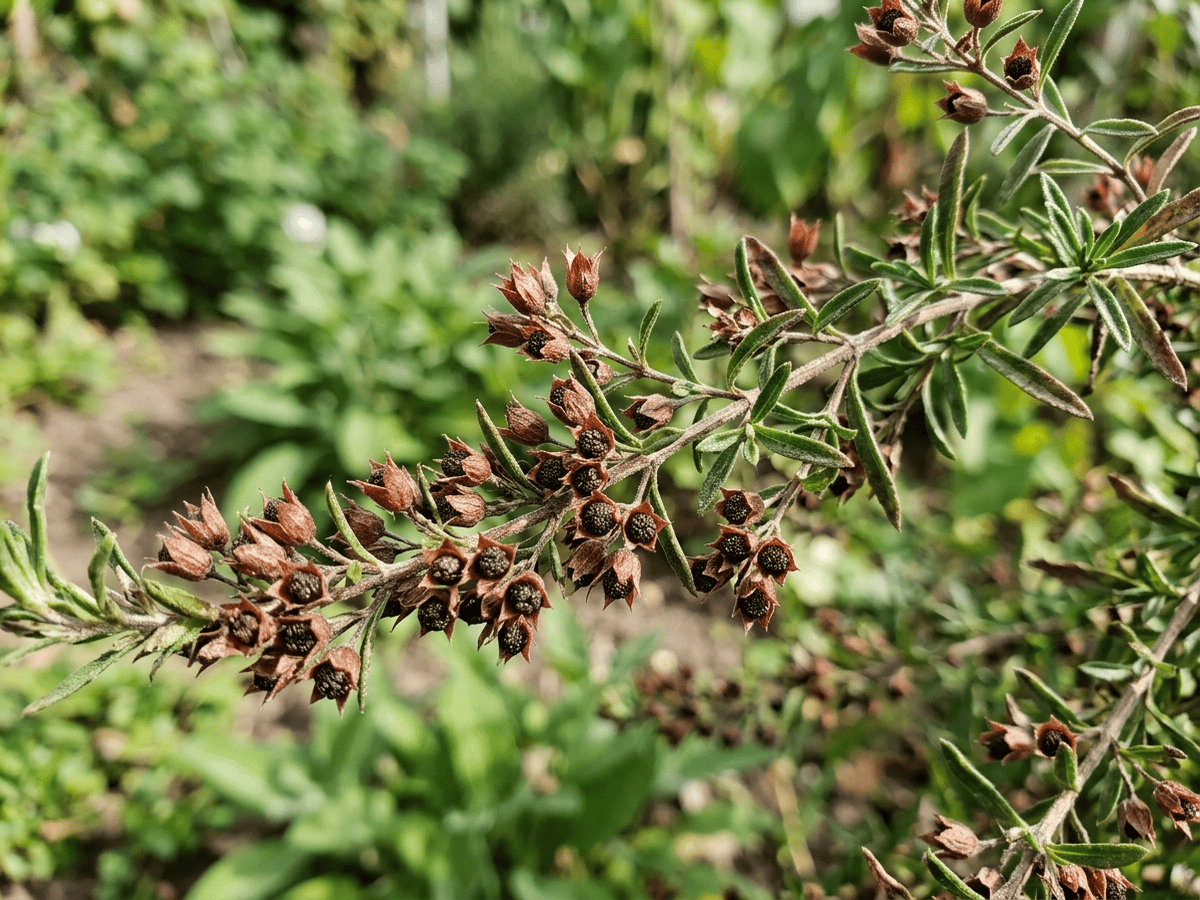
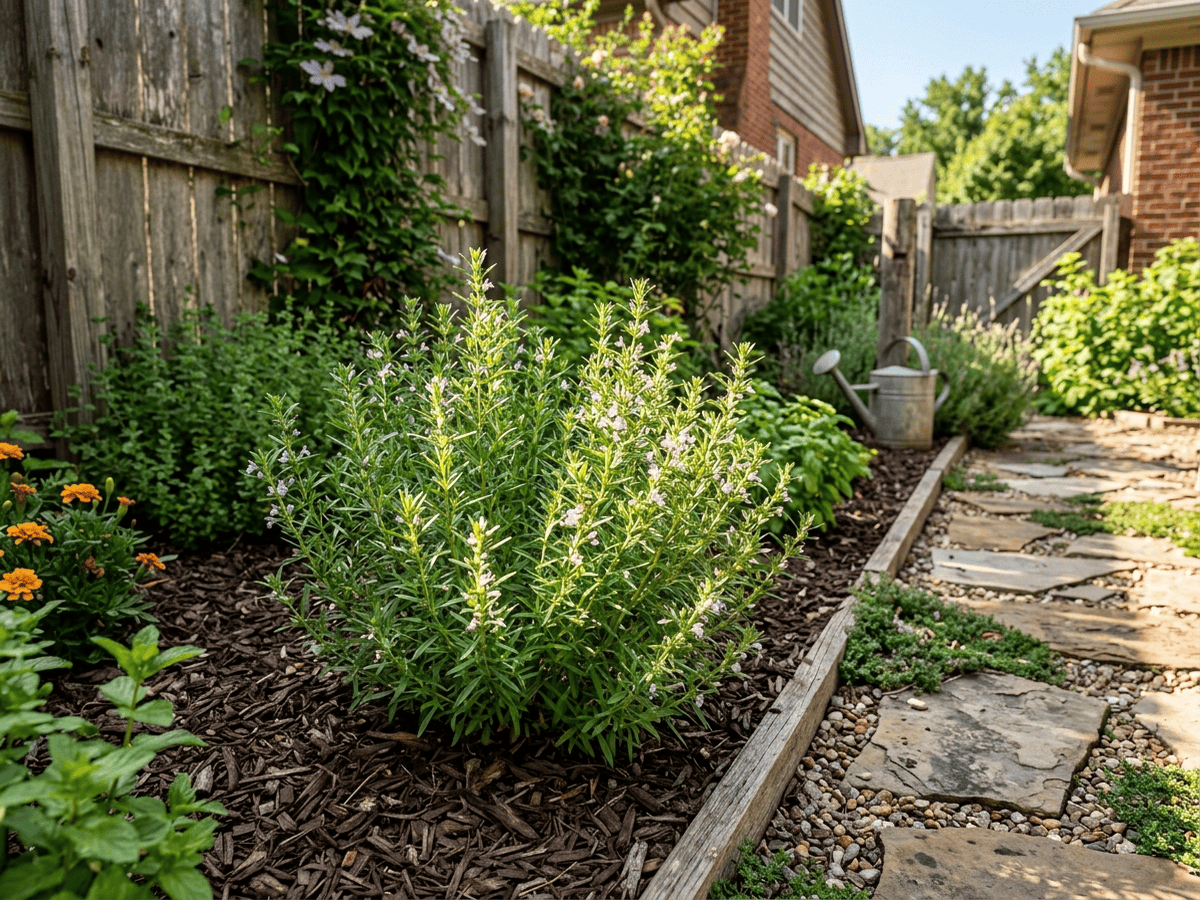
Satureja hortensis, or summer savory, is an annual herb in the Lamiaceae family native to the eastern Mediterranean and Caucasus region. It grows 30–45 cm tall with slender, linear leaves and tiny white to pale pink flowers that appear in summer. The plant has a warm, peppery, thyme-like flavour that is more delicate than its perennial cousin, winter savory (S. montana).
Summer savory is straightforward to grow in full sun and average, well-drained soil. It germinates quickly from direct-sown seed after the last frost and is ready to harvest in about 60 days. The plant performs well in containers and window boxes, making it accessible to apartment gardeners. It rarely suffers from pests or diseases.
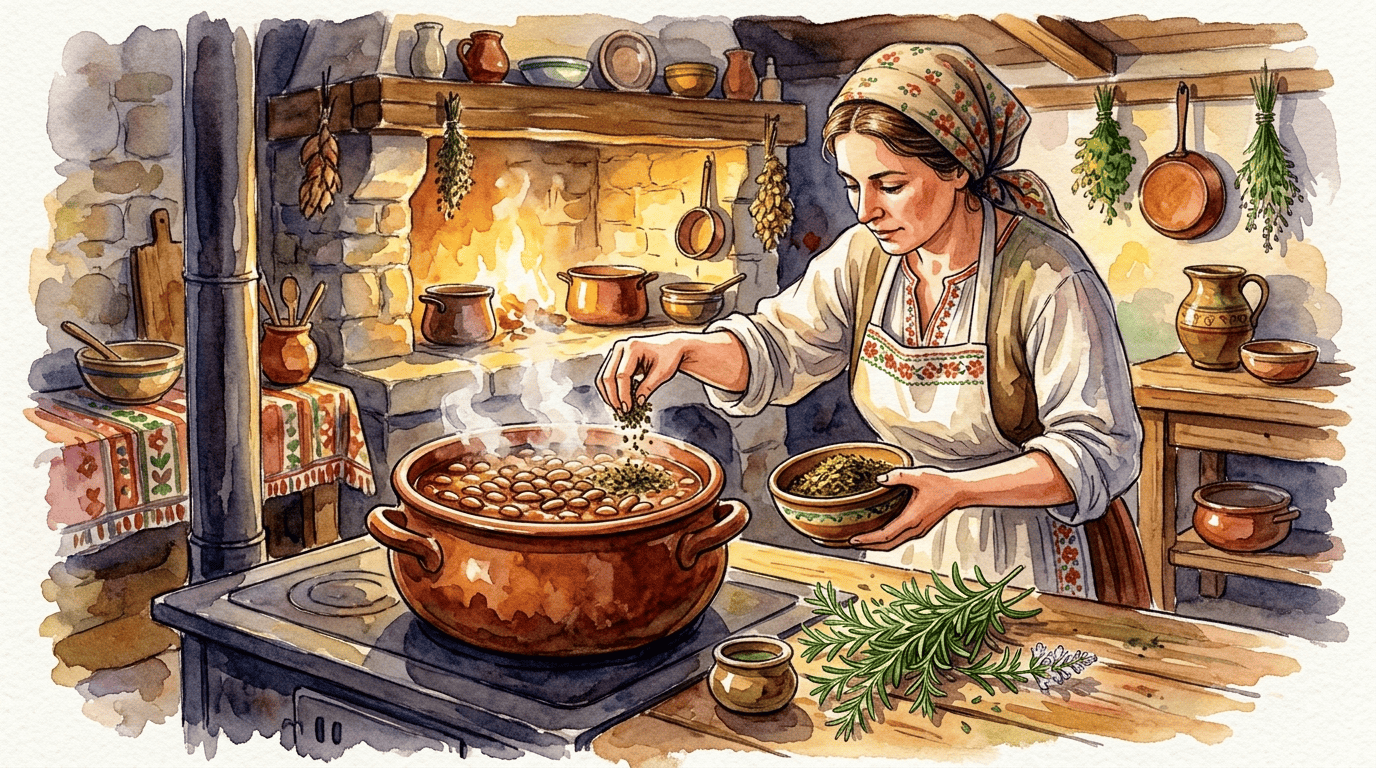
Culinarily, summer savory is called the 'bean herb' in Germany (Bohnenkraut) because it is the traditional seasoning for green and broad beans—both for flavour and because it is believed to reduce gas. It complements eggs, lentils, sausages, and herb butter. In Bulgarian cuisine, it is known as 'chubritsa' and appears on nearly every table alongside paprika and salt. The plant was also a traditional strewing herb, scattered on floors for its pleasant scent. Its ease of cultivation and quick harvest make it an ideal herb for children's gardens.
- Edible
- Fragrant
- Fast-growing
How to care for Summer Savory
Watering
- Springevery 3 days
- Summerevery 2 days
- Fallevery 4 days
- Winterevery 7 days
Soil · Rich & well-draining
- Top dressingCompost10%
- Main mixPotting soil + compost 3:180%
- DrainageGravel10%
Top up the compost layer each season.
FERTILIZER
Balanced Feed 14-14-14
An even feed covers all three needs at once, keeping leaves, roots and blooms moving together with nothing pushed out of balance.
- Nitrogen · Leaves
- Phosphorus · Roots + Blooms
- Potassium · Strength
- Springevery 21 days
- Summerevery 21 days
- Fallevery 30 days
At a Glance
- NativeMediterranean
- Height1–1.5 ft (0.3–0.5 m)
- Spread0.5–1 ft (0.2–0.3 m)
- Flower colorWhite, Pink, Purple
- Foliage colorGreen
- SoilLoamy, Well-drained
- LocationsYard · Indoor · Balcony
Bloom time
BLOOM CYCLE
Peak bloom
Jun–Aug
Pinch flower buds to prolong leaf harvest; or let flowers bloom for bee forage.
Fragrance
STRONG FRAGRANCE
The foliage has a peppery thyme-oregano aroma.
Toxicity
Pets Safe
carvacrol and thymol
Not reported
EXPOSURE No exposure route is reported.
EFFECT Culinary herb and no significant toxicity.
NOTE No human toxicity is reported in this catalog; avoid eating ornamental plants unless confirmed edible.
Safe
EXPOSURE No exposure route is reported.
EFFECT Not listed as toxic.
NOTE Listed as non-toxic for dogs; avoid eating ornamental plants unless confirmed edible.
Safe
EXPOSURE No exposure route is reported.
EFFECT No toxic effect is reported.
NOTE Listed as non-toxic for cats; avoid eating ornamental plants unless confirmed edible.
Educational information, not medical or veterinary advice. If exposure is suspected, contact a doctor or veterinarian.
DISTRIBUTION

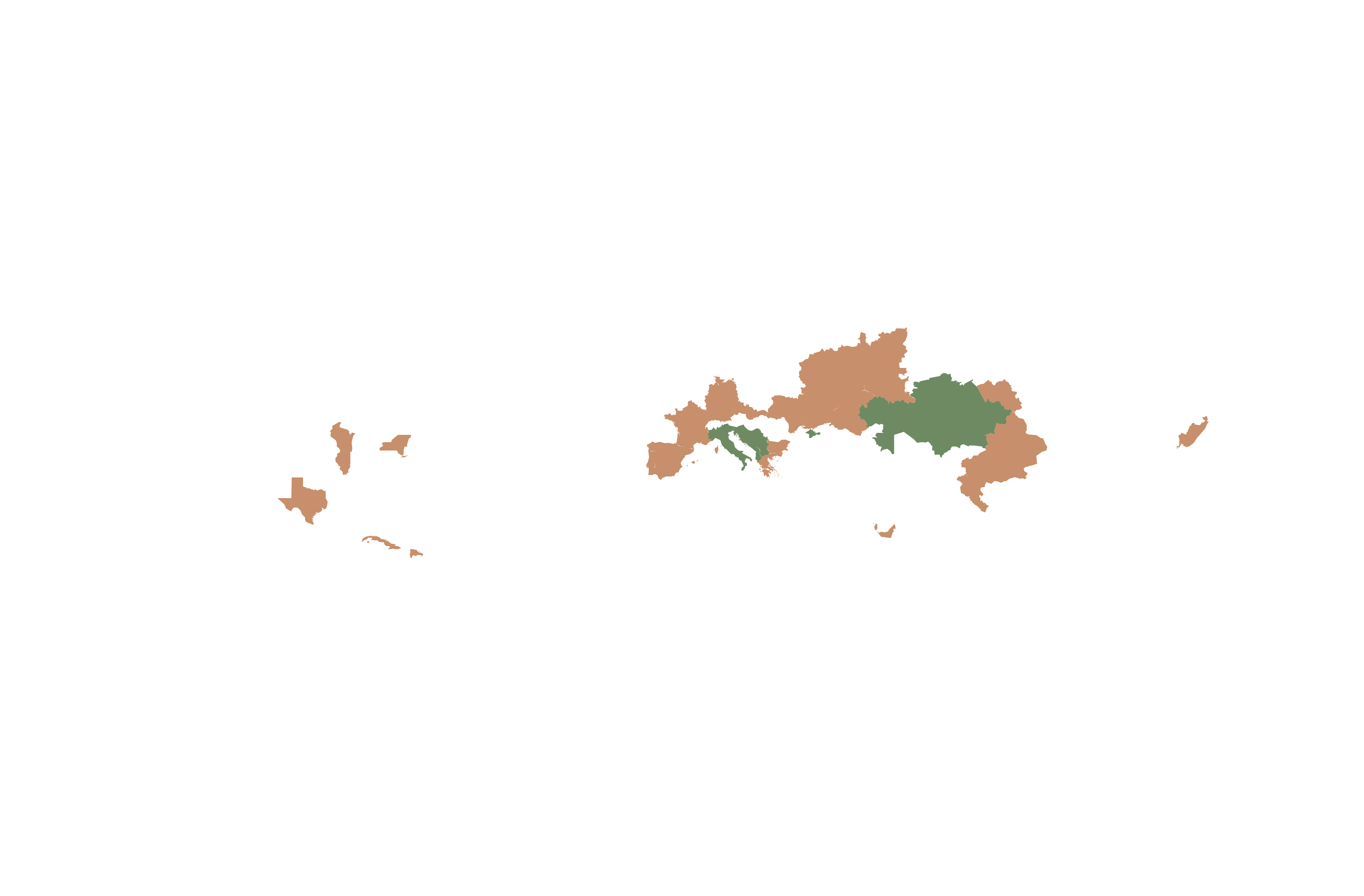
- Native
- Introduced
- Mediterranean
History
Satureja hortensis is native to southern Europe and the Mediterranean. The genus name "Satureja" — according to Pliny the Elder — derives from "satyr," reflecting the classical reputation of summer savory as an aphrodisiac herb sacred to the lustful satyrs of Greek mythology. Ancient Romans used it extensively in cuisine and in the garum fish-sauce condiment.
Medieval European monks allegedly avoided it in monastery gardens for its stimulating reputation; regardless, it spread across Europe as a kitchen herb. It is the defining herb of Bulgarian cuisine, where "chubritsa" is the table condiment equivalent to pepper, and central to Romanian cuisine as "cimbru."
Traditional use for bean dishes is so strong in central and southern Europe that German calls it "Bohnenkraut" (bean herb) — the essential oil contains carvacrol and thymol, which help reduce the flatulence associated with beans. Perennial winter savory (Satureja montana) is a related species with similar uses. It was among the first herbs brought to the New World by colonists.
Symbolism & meaning
What It Symbolizes
Summer Savory can symbolize warmth, its peppery flavor and association with hearty bean dishes weaving the herb into a long European tradition of comfort and hospitality. Another layer is passion, drawn from classical mythology where satureja was linked to satyrs and gave the plant an enduring connection to desire. In the kitchen garden, satureja hortensis is the small fire of the herb bed, a plant whose meaning runs from the family table all the way back to the wilder edges of antique imagination.
- Warmth — Its peppery flavor and association with hearty, warming foods symbolize comfort and hospitality
- Passion — Classical associations with satyrs gave savory an enduring link to desire
Where the Name Comes From
Satureja possibly from Latin 'satureia', linked to 'satyrus' (satyr) due to supposed aphrodisiac properties; 'hortensis' means 'of the garden'.
Uses & Fun Facts
- Summer savory leaves season beans, sausages, and stews
- Peppery thyme-like aroma when foliage is crushed
Related plants
Plants with similar care
 Chinese AbeliaAbelia chinensis
 Fragrant AbeliaAbelia mosanensis
 Large-Flowered AbeliaAbelia uniflora
 Glossy AbeliaAbelia x grandiflora
Frequently asked questions
How often should I water Summer Savory?
In summer, water about every 2 days; in winter, about every 7 days. Adjust for heat, pot size and drainage.
How much light does Summer Savory need?
Full sun: 6+ hrs direct. Watch the leaves — scorching or stretching means the light needs adjusting.
Is Summer Savory toxic to cats or dogs?
Pets Safe (Dogs Safe · Cats Safe) Educational information, not medical or veterinary advice. If exposure is suspected, contact a doctor or veterinarian.
Is Summer Savory easy to grow?
Yes — it is considered an easy, beginner-friendly plant.
Can Summer Savory be grown indoors?
Yes, it adapts well to indoor growing given the right light.
When does Summer Savory bloom?
It typically blooms Jun–Aug in the Northern Hemisphere.
YardMate
Identify any plant in seconds
Snap a photo — YardMate names the plant, diagnoses problems, and reminds you when to water.
Download on the App Store