 YardMate


Fava Bean
Vicia faba
Easy · Beginner friendlyAbout Fava Bean
Vicia faba, the broad bean or fava bean, is a robust annual legume in the Fabaceae family, native to the Near East and one of the oldest cultivated food plants in the Old World—with archaeological evidence dating to 6000 BC. The plant grows 60–180 cm tall with stout, upright, hollow stems, large compound leaves, and clusters of fragrant white flowers with distinctive black-spotted wings.
Broad beans are cool-season champions, thriving at 15–20°C and tolerating frost down to -5°C once established. In mild climates they are sown in autumn for an early spring harvest; in cold climates, they are among the first crops planted in spring. They are one of the few nitrogen-fixing cover crops suitable for winter growing, making them doubly valuable in the vegetable garden.
Young pods can be eaten whole, but the large beans are typically shelled and often double-peeled to reveal bright green cotyledons. They are a cornerstone of Mediterranean, Middle Eastern, and Chinese cuisines—starring in Egyptian ful medames, Italian vignarola, Sicilian macco, and Chinese dou ban jiang (chilli bean paste). Note: a genetic condition called G6PD deficiency (favism) causes potentially serious reactions to fava beans in susceptible individuals, particularly common in Mediterranean populations.
- Edible
- Cold-hardy
How to care for Fava Bean
Watering
- Springevery 3 days
- Summerevery 2 days
- Fallevery 4 days
- Winterevery 7 days
Soil · Rich & well-draining
- Top dressingCompost10%
- Main mixPotting soil + compost 3:180%
- DrainageGravel10%
Top up the compost layer each season.
FERTILIZER
Balanced Feed 14-14-14
An even feed covers all three needs at once, keeping leaves, roots and blooms moving together with nothing pushed out of balance.
- Nitrogen · Leaves
- Phosphorus · Roots + Blooms
- Potassium · Strength
- Springevery 21 days
- Summerevery 21 days
At a Glance
- Height3–5 ft (0.9–1.5 m)
- Spread1–2 ft (0.3–0.6 m)
- Flower colorWhite
- Foliage colorGreen, Blue-green
- Fruit colorGreen
- SoilLoamy, Moisture-retentive, Rich
- LocationsYard
Bloom time
BLOOM CYCLE
Peak bloom
Jun–Aug
Fragrant black-and-white flowers attract bumble bees; pinch out growing tips when lowest pods set to discourage blackfly.
Fragrance
MODERATE FRAGRANCE
Sweet scent, heavier than pea.
Toxicity
Humans Toxic · Pets Slight
vicine and convicine
Toxic
- Seed
- Ingestion
EXPOSURE Eating seeds.
EFFECT Favism: acute hemolytic anemia in G6PD-deficient individuals, potentially fatal within 24-48 hours.
NOTE Safe for most, but G6PD-deficient individuals (~400 million people globally, concentrated in Mediterranean, African, South Asian populations) must avoid fava beans.
Slight
- Seed
- Ingestion
EXPOSURE Eating seeds.
EFFECT Mild GI upset.
NOTE Safe for most, but G6PD-deficient individuals (~400 million people globally, concentrated in Mediterranean, African, South Asian populations) must avoid fava beans.
Slight
- Seed
- Ingestion
EXPOSURE Eating seeds.
EFFECT Mild GI upset.
NOTE Safe for most, but G6PD-deficient individuals (~400 million people globally, concentrated in Mediterranean, African, South Asian populations) must avoid fava beans.
Educational information, not medical or veterinary advice. If exposure is suspected, contact a doctor or veterinarian.
DISTRIBUTION

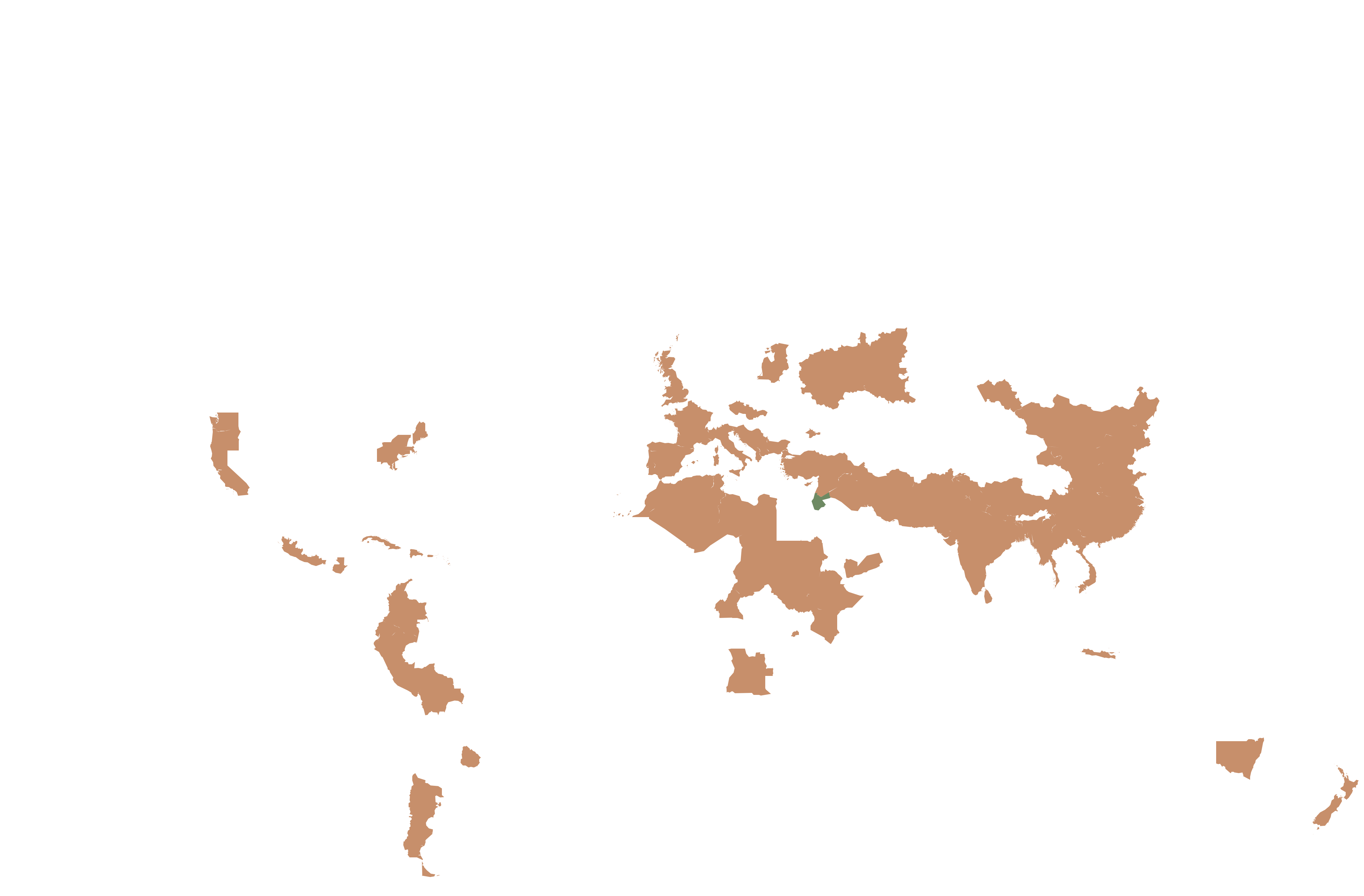
- Native
- Introduced
History
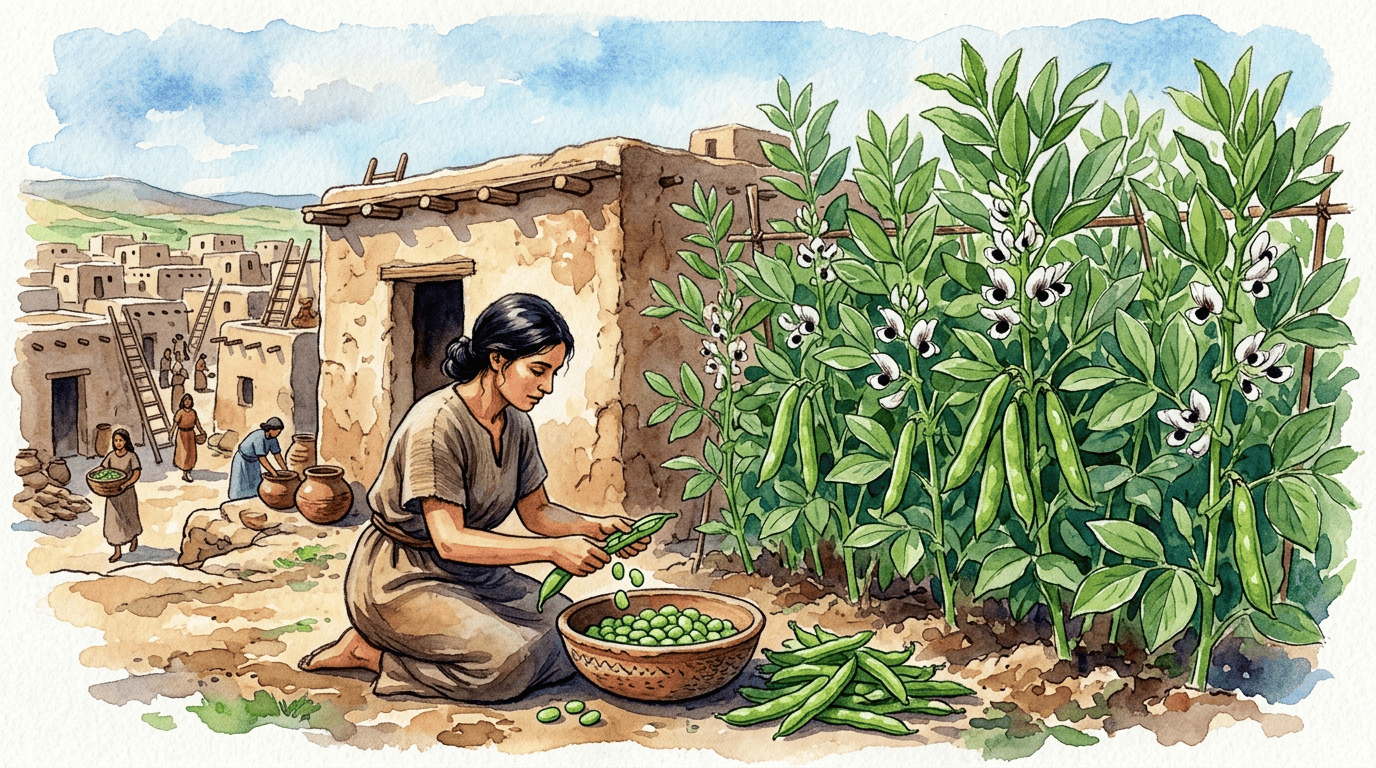
Vicia faba was domesticated in the Near East during the early Neolithic, with archaeological remains from sites in Israel, Syria, and Iraq dated to around 8000 BCE. It remained the primary bean crop of Europe, North Africa, and the Mediterranean Middle East until New World Phaseolus beans displaced it in many regions after 1500. The Greek philosopher Pythagoras (6th century BCE) famously forbade his followers from eating fava beans, a prohibition whose origin has been debated for centuries.
One prominent modern explanation is favism — a hemolytic response to fava bean consumption caused by glucose-6-phosphate dehydrogenase (G6PD) deficiency, which is elevated in Mediterranean populations as an evolutionary response to malaria. Severe favism can cause life-threatening hemolytic anemia within 24-48 hours of eating fava beans. The species remains central to Egyptian cuisine (ful medames), Italian cuisine (fave e pecorino), and Levantine cuisine (falafel was originally made with fava in Egypt before spreading as chickpea-based in the Levant).
One of the earliest cultivated crops in the Old World, with remains at Jericho dating to 6000 BC. Ancient Egyptians, Greeks, and Romans all relied on broad beans as a dietary staple. Egyptian ful medames, made from dried favas, may be the world's oldest continuously prepared dish.
Symbolism & meaning
What It Symbolizes
The Fava Bean embodies heritage as one of humanity's oldest cultivated foods, sharing the long agricultural traditions of the Mediterranean, North Africa, and the Near East for nearly ten thousand years. Sown in autumn and harvested in late spring, it also carries renewal, its cycle echoing the ancient pattern of death and rebirth celebrated at the spring feasts. It is often read as a flower of returning bread, a legume whose meaning is the unbroken thread between ancient farmers and the modern table.
- Heritage — As one of humanity's oldest cultivated foods, the broad bean represents deep agricultural tradition
- Renewal — Sown in autumn and harvested in spring, favas symbolize the cycle of death and rebirth
Where the Name Comes From
Vicia from Latin 'vincire' (to bind), referring to the tendrils; 'faba' is simply the Latin word for bean.
Uses & Fun Facts
- Ancient broad bean eaten fresh, dried, or in stews
- Nitrogen-fixing cover crop and animal fodder
- Black-spotted flowers favored by bumblebees and honeybees
Related plants
Plants with similar care
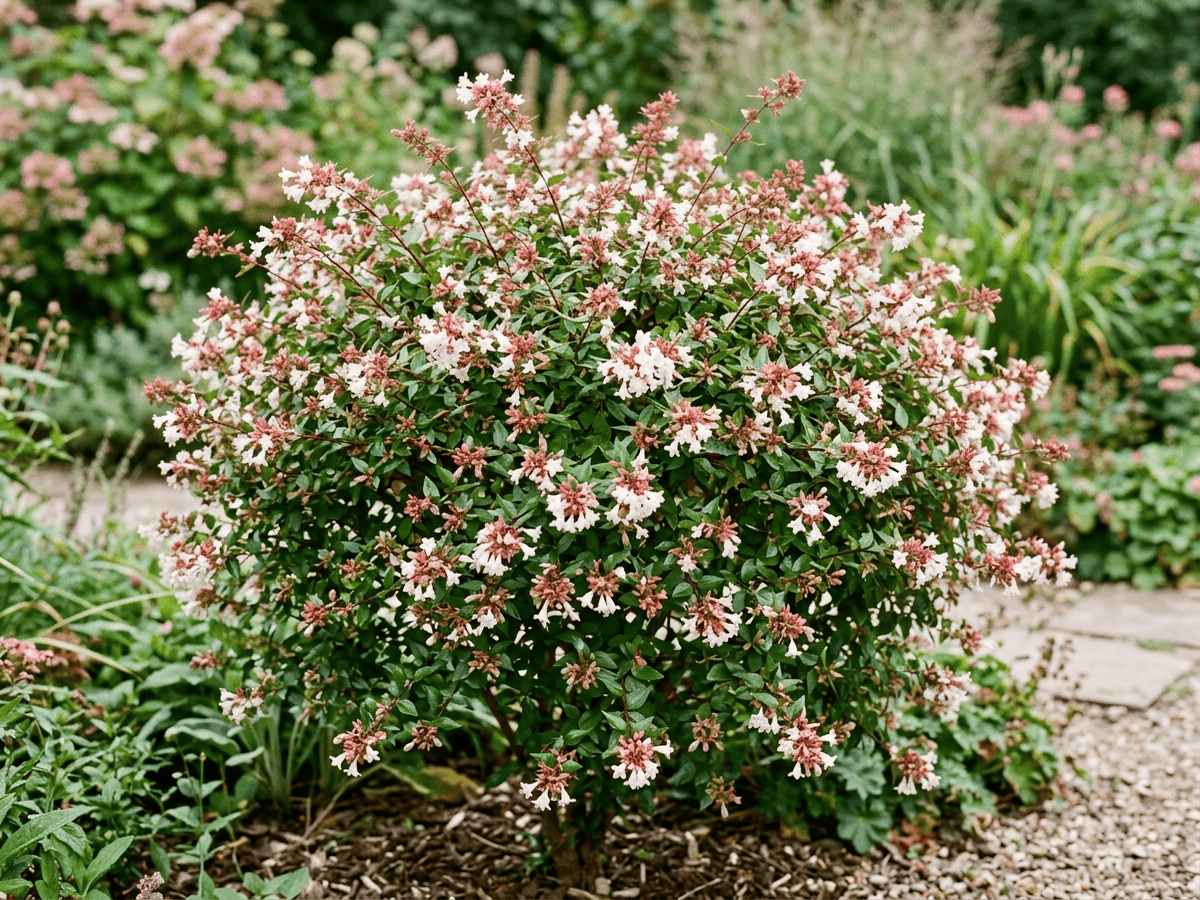 Chinese AbeliaAbelia chinensis
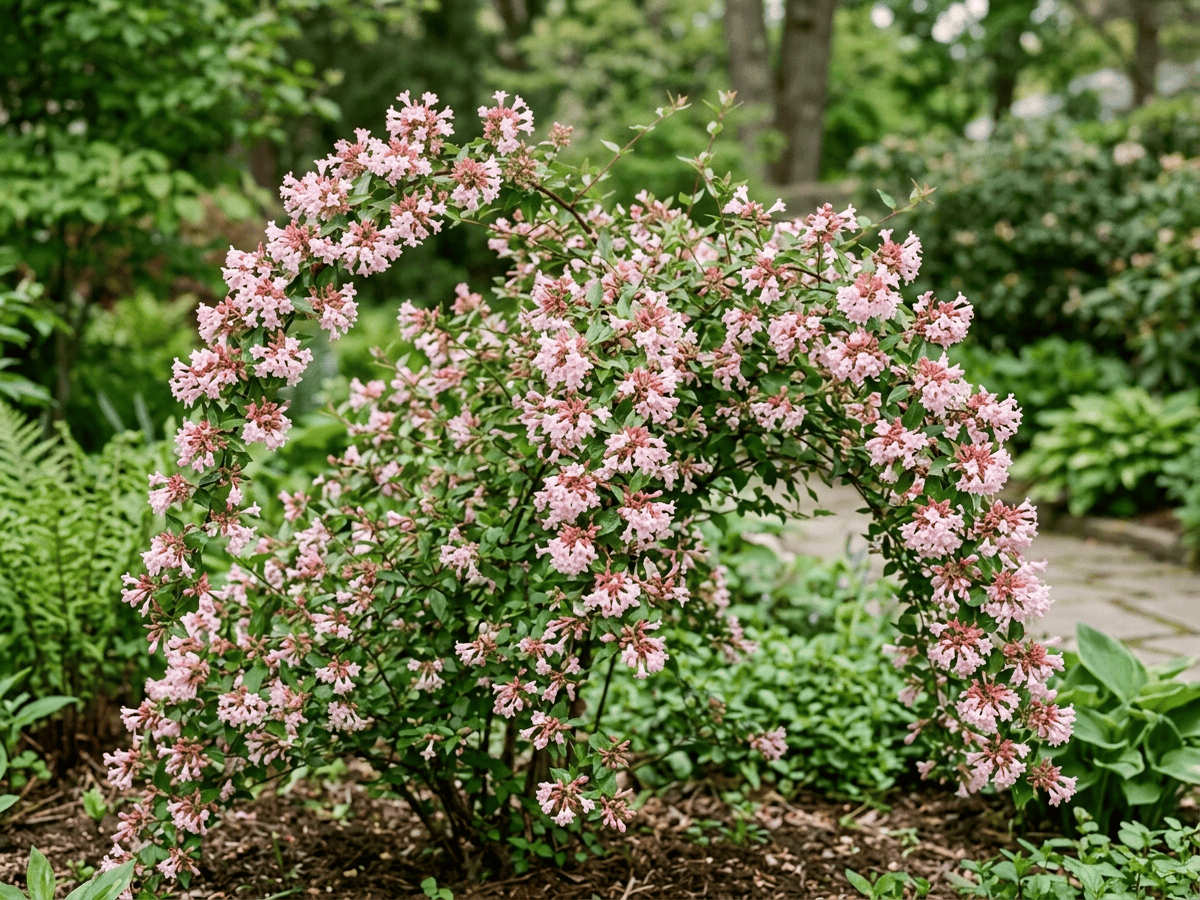 Fragrant AbeliaAbelia mosanensis
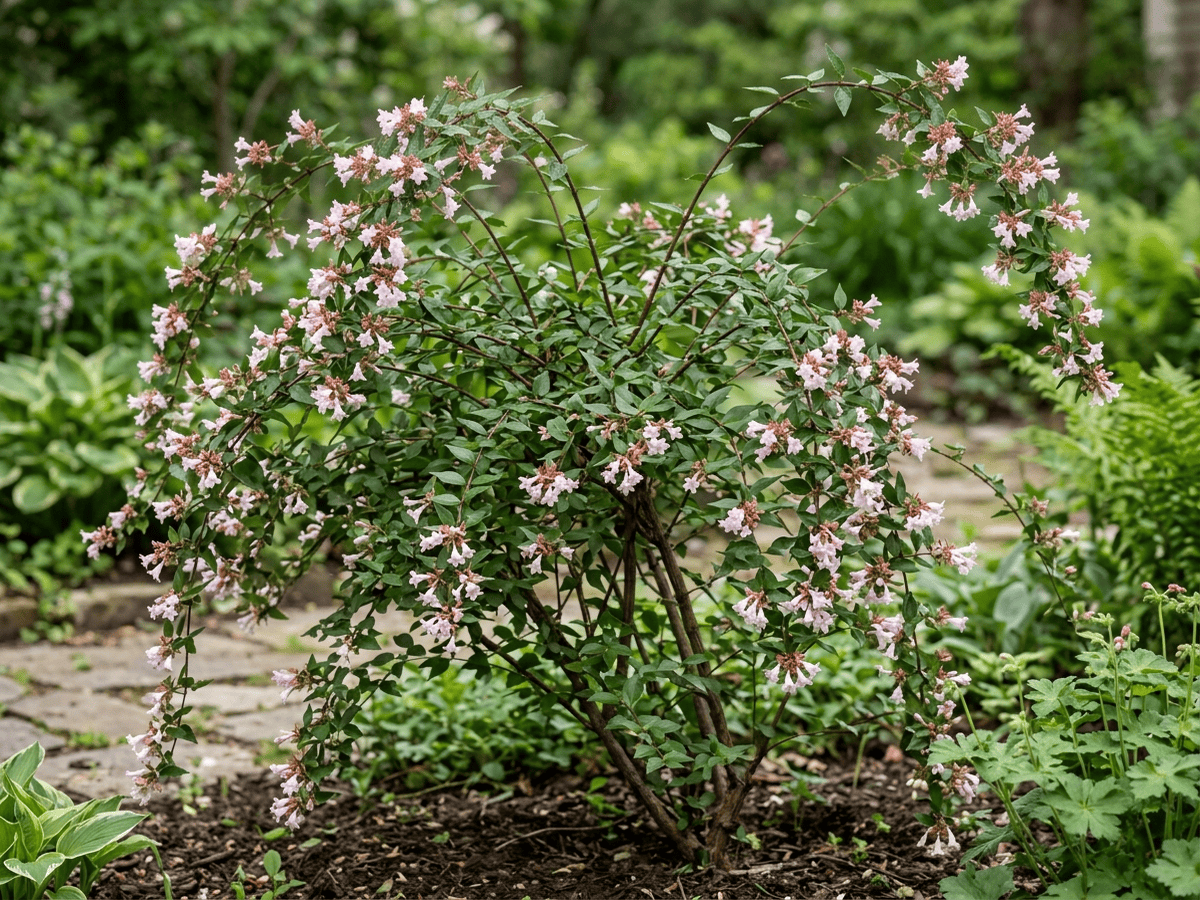 Large-Flowered AbeliaAbelia uniflora
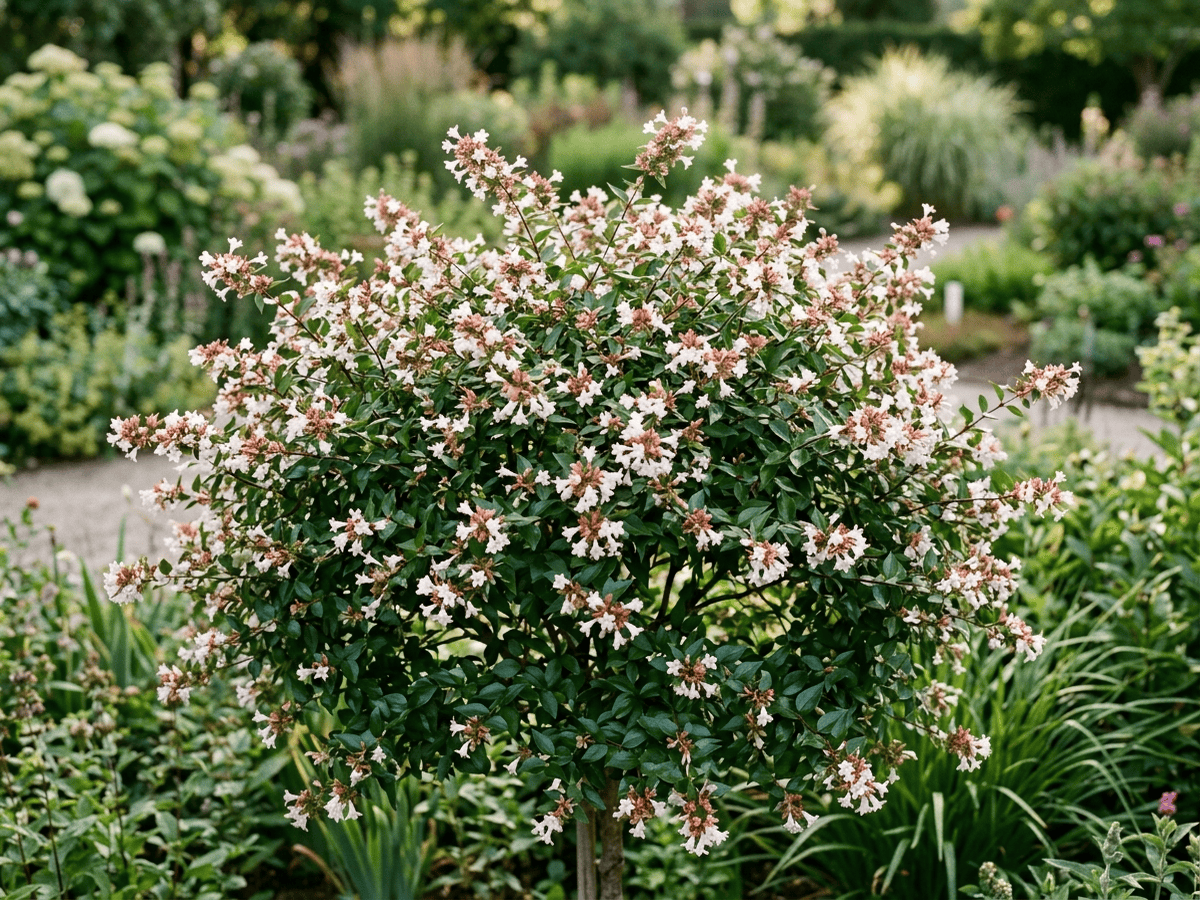 Glossy AbeliaAbelia x grandiflora
Frequently asked questions
How often should I water Fava Bean?
In summer, water about every 2 days; in winter, about every 7 days. Adjust for heat, pot size and drainage.
How much light does Fava Bean need?
Full sun: 6+ hrs direct. Watch the leaves — scorching or stretching means the light needs adjusting.
Is Fava Bean toxic to cats or dogs?
Pets Slight (Dogs Slight · Cats Slight) Educational information, not medical or veterinary advice. If exposure is suspected, contact a doctor or veterinarian.
Is Fava Bean easy to grow?
Yes — it is considered an easy, beginner-friendly plant.
When does Fava Bean bloom?
It typically blooms Jun–Aug in the Northern Hemisphere.
YardMate
Identify any plant in seconds
Snap a photo — YardMate names the plant, diagnoses problems, and reminds you when to water.
Download on the App Store