 YardMate


Broccoli
Brassica oleracea var. botrytis
Hard · Experienced growersAbout Broccoli
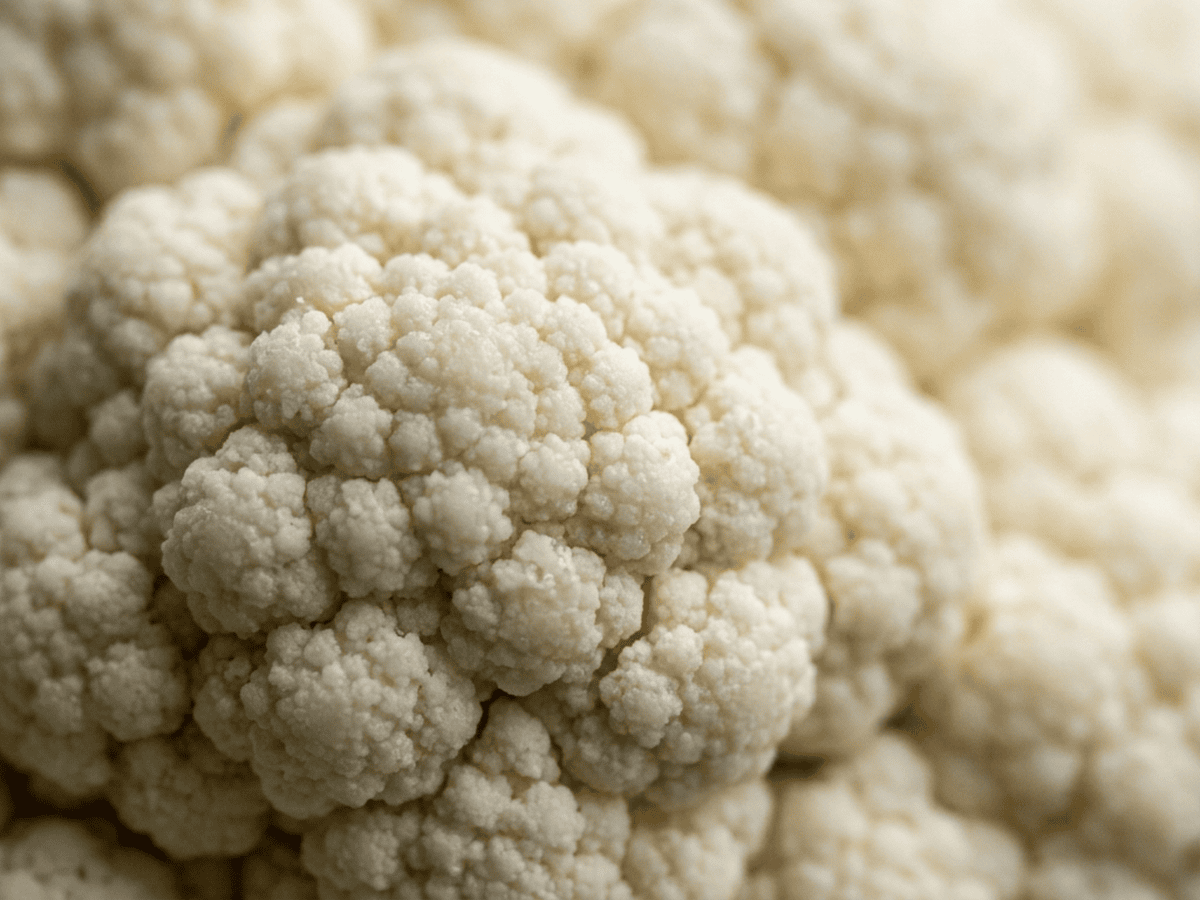
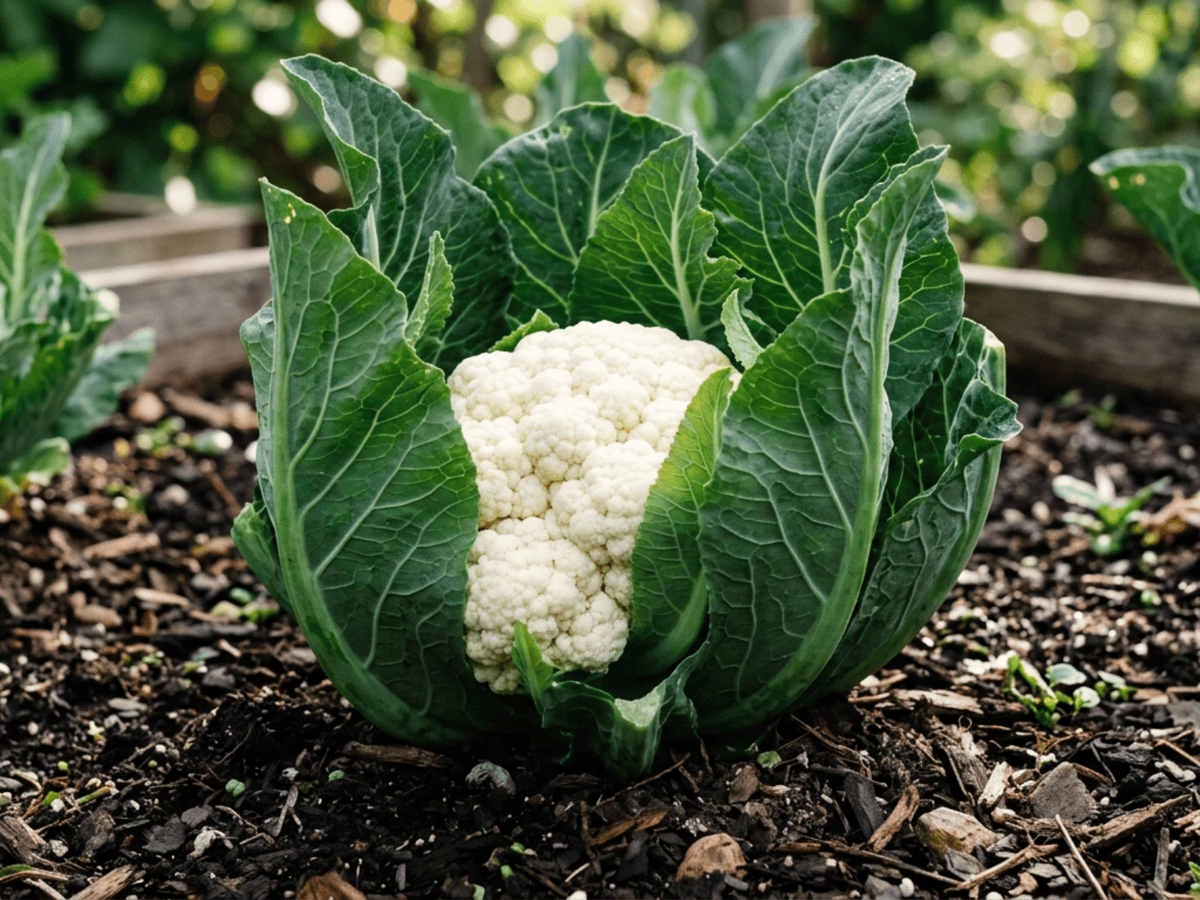
Brassica oleracea var. botrytis, cauliflower, is a cool-season annual in the Brassicaceae family, closely related to broccoli but developed for its dense, white, undeveloped flower head called the curd. The compact head is surrounded by thick blue-green leaves that are often tied over the curd to blanch it and maintain its white colour, though self-blanching and coloured varieties (purple, green, orange) now exist.
Cauliflower is one of the more demanding garden vegetables, requiring consistently cool temperatures (15–20°C), rich soil, even moisture, and patience. Heat stress, drought, or nutrient deficiency causes 'buttoning'—premature formation of tiny, unusable heads. It thrives in USDA zones 2–10 during cool seasons and takes 55–80 days from transplant to harvest depending on variety.
Despite its fussy reputation, cauliflower rewards effort with exceptional versatility. It has become the darling of low-carb cooking: cauliflower 'rice,' pizza crust, mashed 'potato,' and 'steak' are now mainstream. Nutritionally it provides vitamin C, vitamin K, folate, and the same cancer-fighting glucosinolates found in broccoli. Romanesco broccoli—technically a cauliflower—displays a stunning natural fractal spiral that makes it one of the most mathematically beautiful objects in nature.
- Edible
How to care for Broccoli
Watering
- Springevery 2 days
- Summerevery 1 days
- Fallevery 3 days
- Winterevery 5 days
Soil · Rich & well-draining
- Top dressingCompost10%
- Main mixPotting soil + compost 3:180%
- DrainageGravel10%
Top up the compost layer each season.
FERTILIZER
Bloom Booster 10-52-10
A phosphorus-forward feed fuels abundant blooms, with just enough nitrogen and potassium to keep foliage and roots steady.
- Nitrogen · Leaves
- Phosphorus · Roots + Blooms
- Potassium · Strength
- Springevery 14 days
- Summerevery 14 days
- Fallevery 14 days
At a Glance
- NativeMediterranean
- Height1–2 ft (0.3–0.6 m)
- Spread1–2 ft (0.3–0.6 m)
- Flower colorYellow
- Foliage colorGreen, Blue-green
- SoilLoamy, Moisture-retentive, Rich
- LocationsYard
Bloom time
BLOOM CYCLE
Peak bloom
Jun–Aug
Tie outer leaves over the curd when it reaches fist-size to blanch it white. Coloured varieties don't need blanching.
Fragrance
NO FRAGRANCE
No notable fragrance.
Toxicity
Pets Slight
glucosinolates
Safe
EXPOSURE No exposure route is reported.
EFFECT Widely consumed and generally safe.
NOTE Listed as non-toxic for humans; avoid eating ornamental plants unless confirmed edible.
Slight
- All
- Ingestion
EXPOSURE Eating any part of the plant.
EFFECT Large quantities cause gas.
NOTE Generally regarded as safe.
Slight
- All
- Ingestion
EXPOSURE Eating any part of the plant.
EFFECT Large quantities cause gas.
NOTE Generally regarded as safe.
Educational information, not medical or veterinary advice. If exposure is suspected, contact a doctor or veterinarian.
DISTRIBUTION


- Native
- Introduced
- Mediterranean
History

Brassica oleracea var. botrytis (cauliflower) was developed during the medieval period, probably in Cyprus or the Levantine eastern Mediterranean, from broccoli-like B. oleracea ancestors. The name derives from Latin "caulis" (stem, cabbage) + "floris" (flower), referring to the dense head of arrested flower buds. Arab travellers including Ibn al-Awwam (12th century) recorded Levantine cauliflower cultivation, and it spread to Spain via the Moors.
Italy adopted it in the 16th century as "cavolfiore," and French, English, and German cuisine followed during the 17th-18th centuries. The white color of traditional cauliflower heads is produced by "blanching" — tying the outer leaves over the developing head to exclude sunlight, which prevents chlorophyll formation and preserves whiteness. Modern self-blanching cultivars fold leaves naturally.
Modern cultivars include orange ("Cheddar"), purple ("Graffiti," "Sicilian purple"), green ("Romanesco" with fractal patterns), and the traditional white. India is the largest global producer, with cauliflower fundamental to gobi subzi, aloo gobi, and many traditional dishes. Mark Twain in "Pudd'nhead Wilson" (1894) famously quipped: "Cauliflower is nothing but cabbage with a college education." Mark Twain called it 'cabbage with a college education.' The low-carb diet trend of the 2010s transformed cauliflower from a neglected vegetable into a billion-dollar food industry ingredient.
Symbolism & meaning
What It Symbolizes
Romanesco's perfect fractal spirals make Broccoli a quiet emblem of precision, mathematical elegance arriving on a dinner plate. Its cousin cauliflower, reborn as pizza crust and rice substitute, can symbolize transformation, the humble vegetable continually reinvented for new appetites. Together they represent the unassuming brilliance of plants that solve geometry without trying, and adapt themselves to whatever shape the table requires.
- Precision — The Romanesco's perfect fractal spirals symbolize mathematical elegance in nature
- Transformation — From plain vegetable to pizza crust, cauliflower represents creative reinvention
Where the Name Comes From
Brassica from Celtic 'bresic'; 'botrytis' from Greek 'botrys' (grape cluster), describing the bunched appearance of the curd. 'Cauliflower' from Latin 'caulis' (cabbage) + 'floris' (flower).
Uses & Fun Facts
- White curd roasted, riced, pickled, or made into soups
Related plants
More Brassica plants
 Brown MustardBrassica juncea
 Acephala GroupBrassica oleracea var. acephala
 Shetland CabbageBrassica oleracea var. capitata
 Kohl-RabiBrassica oleracea var. gongylodes
Plants with similar care
 Pink Sand VerbenaAbronia umbellata
 Drooping AgapanthusAgapanthus inapertus
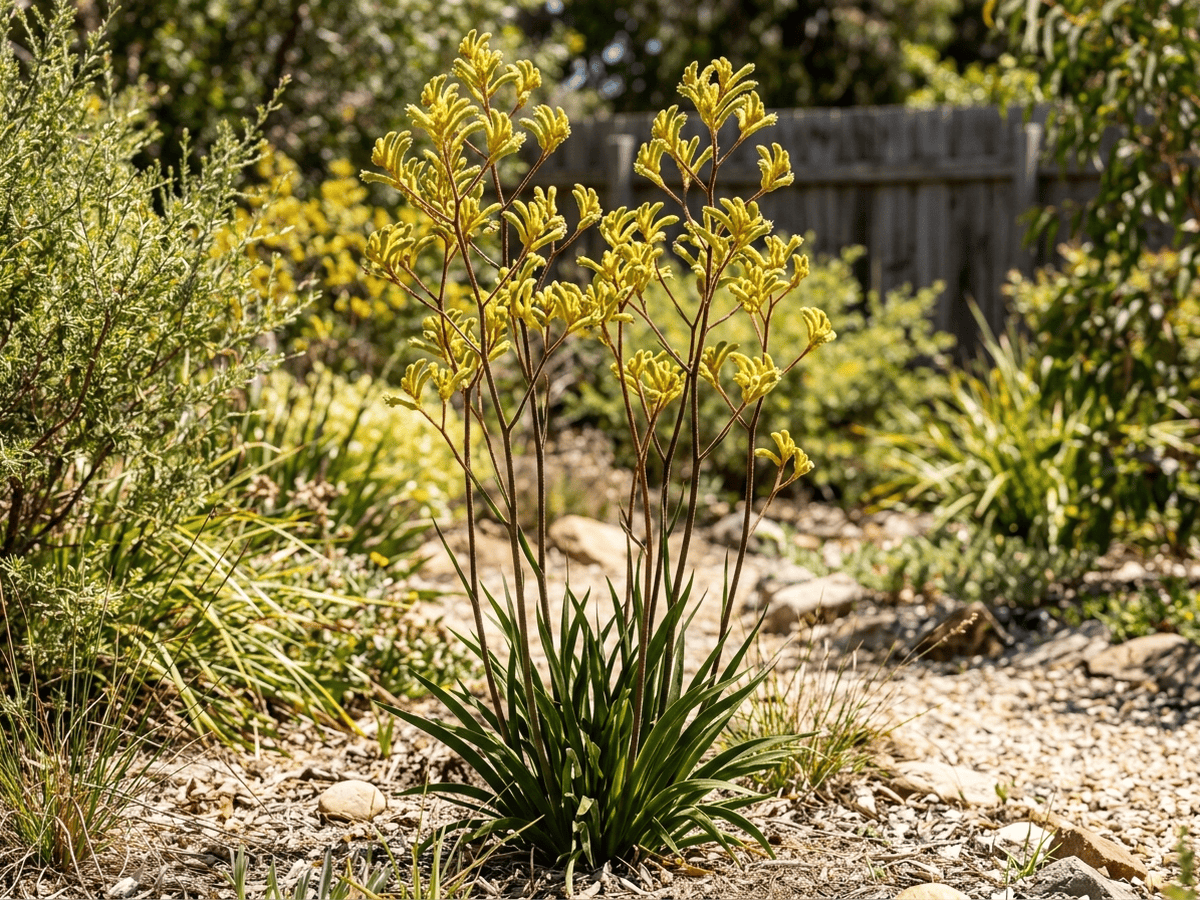 Tall Kangaroo PawAnigozanthos flavidus
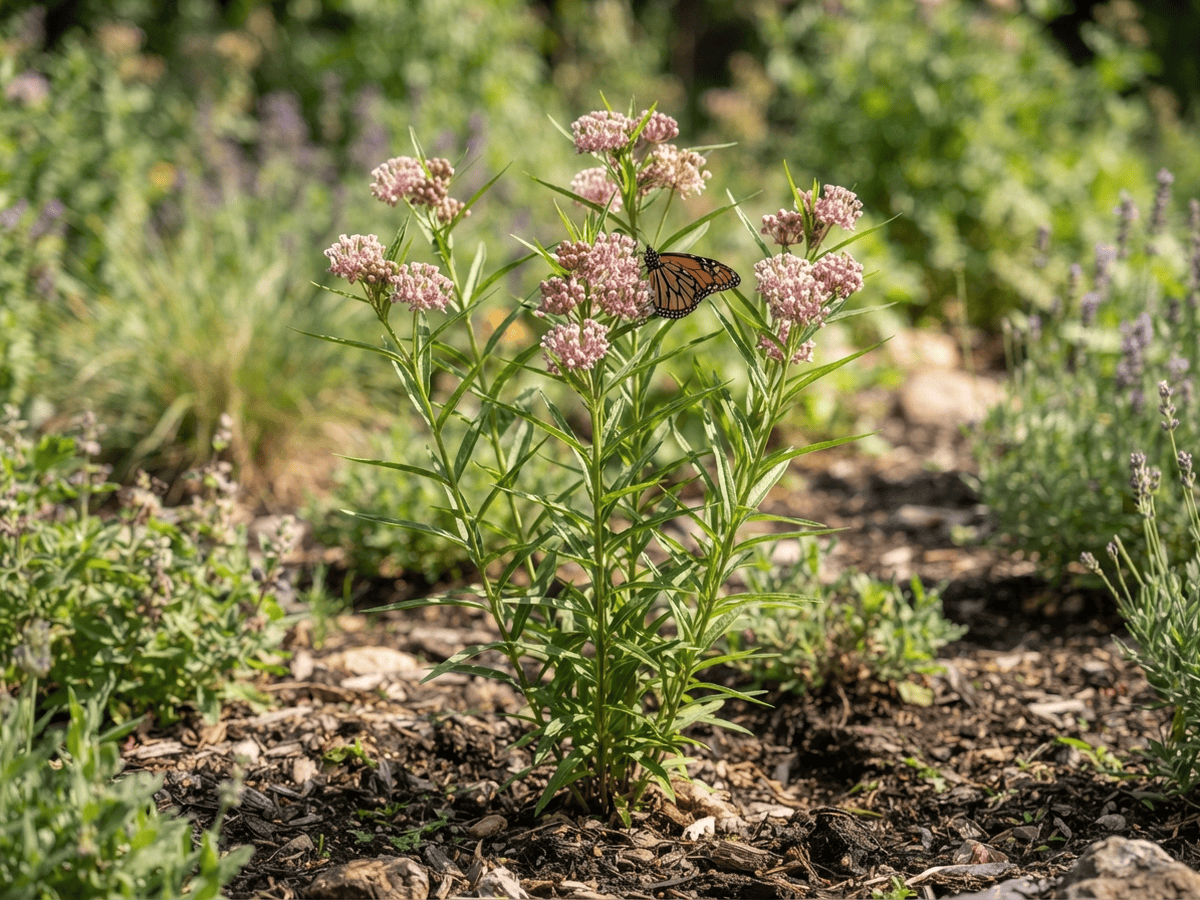 Narrowleaf MilkweedAsclepias fascicularis
Frequently asked questions
How often should I water Broccoli?
In summer, water about every 1 days; in winter, about every 5 days. Adjust for heat, pot size and drainage.
How much light does Broccoli need?
Full sun: 6+ hrs direct. Watch the leaves — scorching or stretching means the light needs adjusting.
Is Broccoli toxic to cats or dogs?
Pets Slight (Dogs Slight · Cats Slight) Educational information, not medical or veterinary advice. If exposure is suspected, contact a doctor or veterinarian.
Is Broccoli easy to grow?
It is considered challenging and rewards experienced growers.
When does Broccoli bloom?
It typically blooms Jun–Aug in the Northern Hemisphere.
YardMate
Identify any plant in seconds
Snap a photo — YardMate names the plant, diagnoses problems, and reminds you when to water.
Download on the App Store