 YardMate


Acephala Group
Brassica oleracea var. acephala
Easy · Beginner friendlyAbout Acephala Group
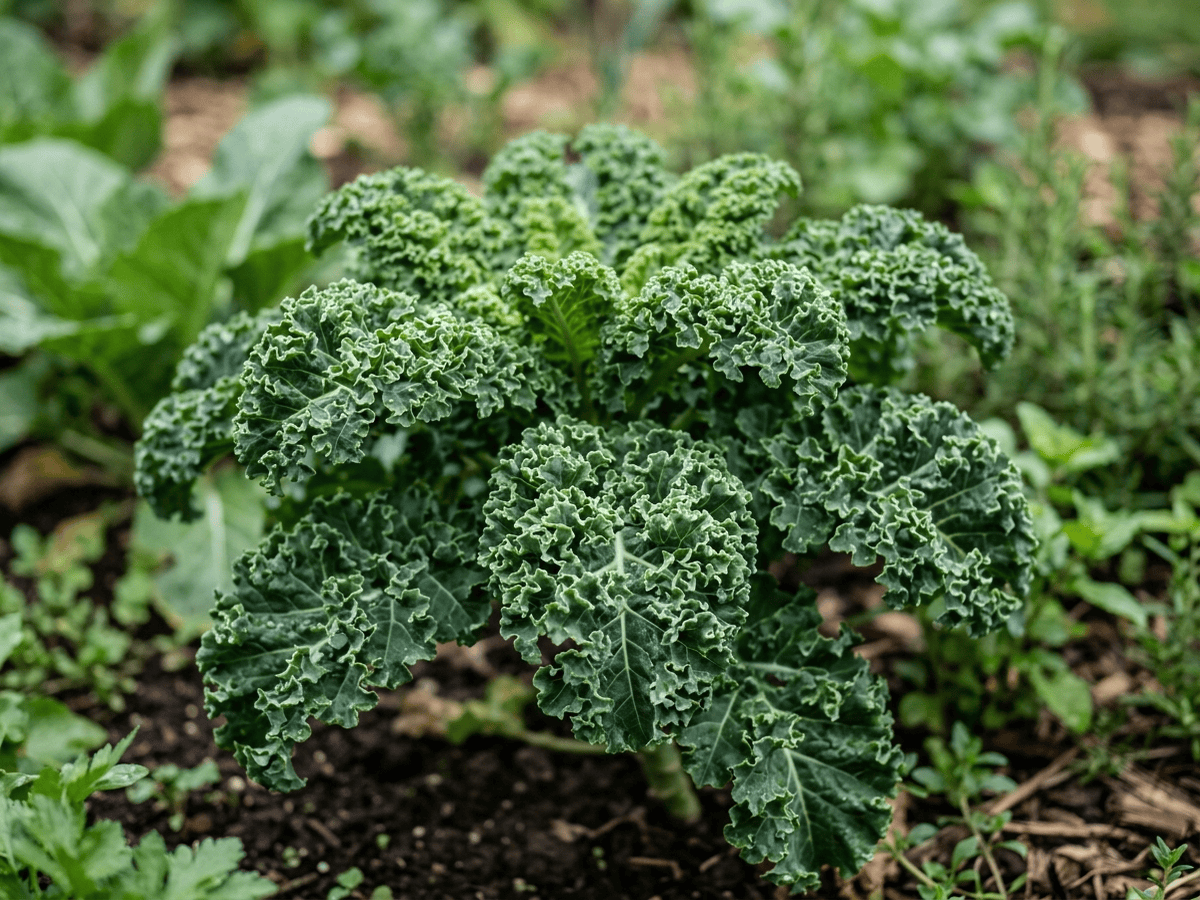
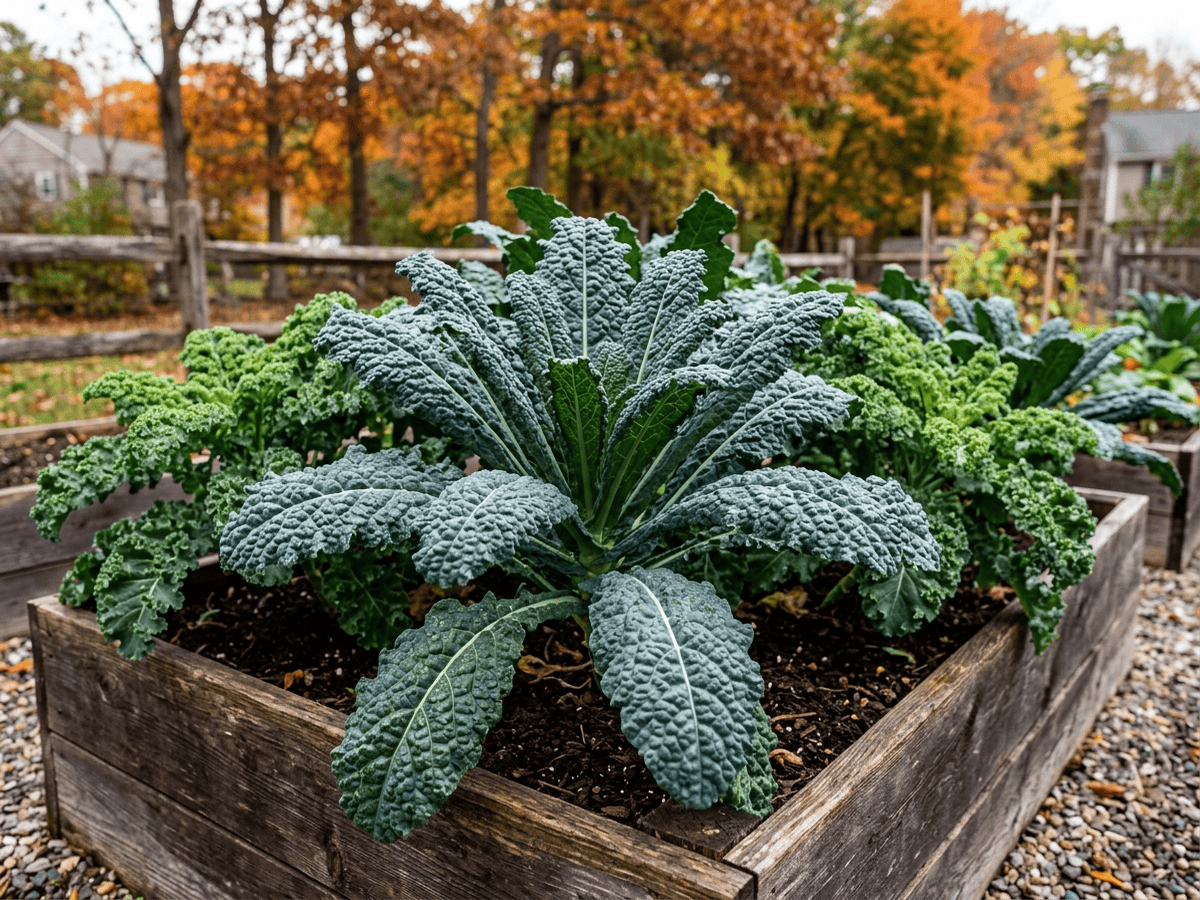
Kale or Collards is a cultivated form of wild cabbage reaching 18-36 inches tall, with thick blue-green or purple leaves on sturdy upright stems. Encompasses both kale (curly Scottish, lacinato/dinosaur, Russian red) and collards (Southern American flat-leaf form). Rich in vitamins and famously nutritious, it became the defining superfood vegetable of the 2010s American food scene. Cold-hardy and frost-sweetened, providing harvests through winter in mild climates.
- Edible
- Cold-hardy
How to care for Acephala Group
Watering
- Springevery 3 days
- Summerevery 3 days
- Fallevery 5 days
- Winterevery 7 days
Soil · Rich & well-draining
- Top dressingCompost10%
- Main mixPotting soil + compost 3:180%
- DrainageGravel10%
Top up the compost layer each season.
FERTILIZER
Balanced Feed 14-14-14
An even feed covers all three needs at once, keeping leaves, roots and blooms moving together with nothing pushed out of balance.
- Nitrogen · Leaves
- Phosphorus · Roots + Blooms
- Potassium · Strength
- Springevery 30 days
- Summerevery 30 days
- Fallevery 30 days
At a Glance
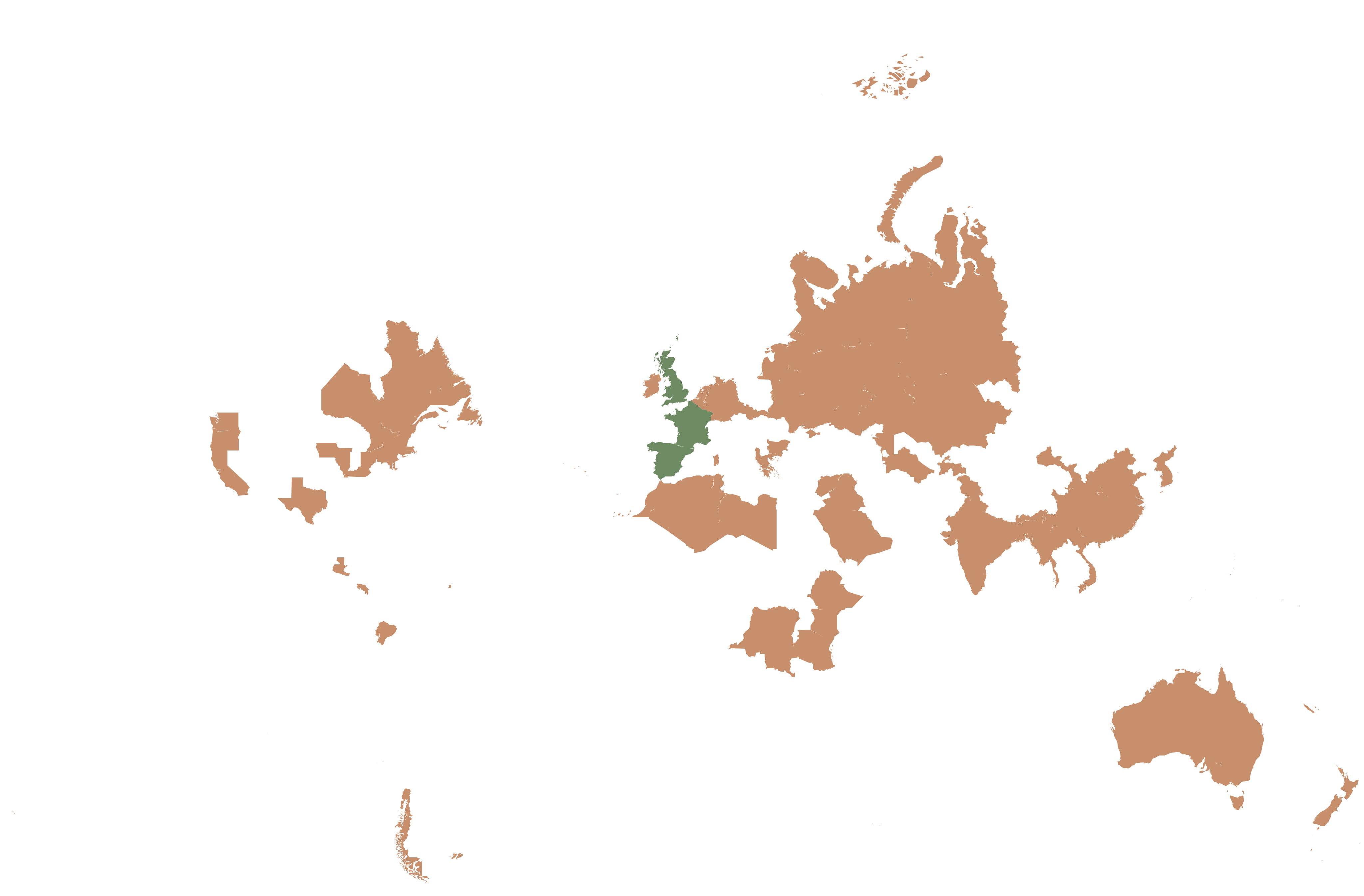
- NativeEurope
- Height2–3 ft (0.6–0.9 m)
- Spread2–3 ft (0.6–0.9 m)
- Flower colorYellow
- Foliage colorGreen, Blue-green, Purple
- SoilLoamy, Rich
- LocationsYard · Balcony
Bloom time
BLOOM CYCLE
Peak bloom
Jun–Aug
Yellow cruciferous flowers in second year
Toxicity
Pets Slight
glucosinolates
Safe
EXPOSURE No exposure route is reported.
EFFECT No toxic effect is reported.
NOTE Listed as non-toxic for humans; avoid eating ornamental plants unless confirmed edible.
Slight
- Leaf
- Ingestion
EXPOSURE Eating leaves.
EFFECT Gastrointestinal upset (large amounts).
NOTE Culinary vegetable; non-toxic. Very large amounts can cause GI effects in pets.
Slight
- Leaf
- Ingestion
EXPOSURE Eating leaves.
EFFECT Gastrointestinal upset (large amounts).
NOTE Culinary vegetable; non-toxic. Very large amounts can cause GI effects in pets.
Educational information, not medical or veterinary advice. If exposure is suspected, contact a doctor or veterinarian.
DISTRIBUTION

- Native
- Introduced
- Europe
History
Brassica oleracea var. acephala, commonly called kale and collard greens (collectively, many variants), are the non-heading leafy forms of the wild cabbage Brassica oleracea, the species from which virtually all European cole crops derive. Swiss botanist Augustin Pyramus de Candolle formally described the variety in 1821. The epithet acephala means headless, distinguishing these forms from the heading capitata (cabbages).
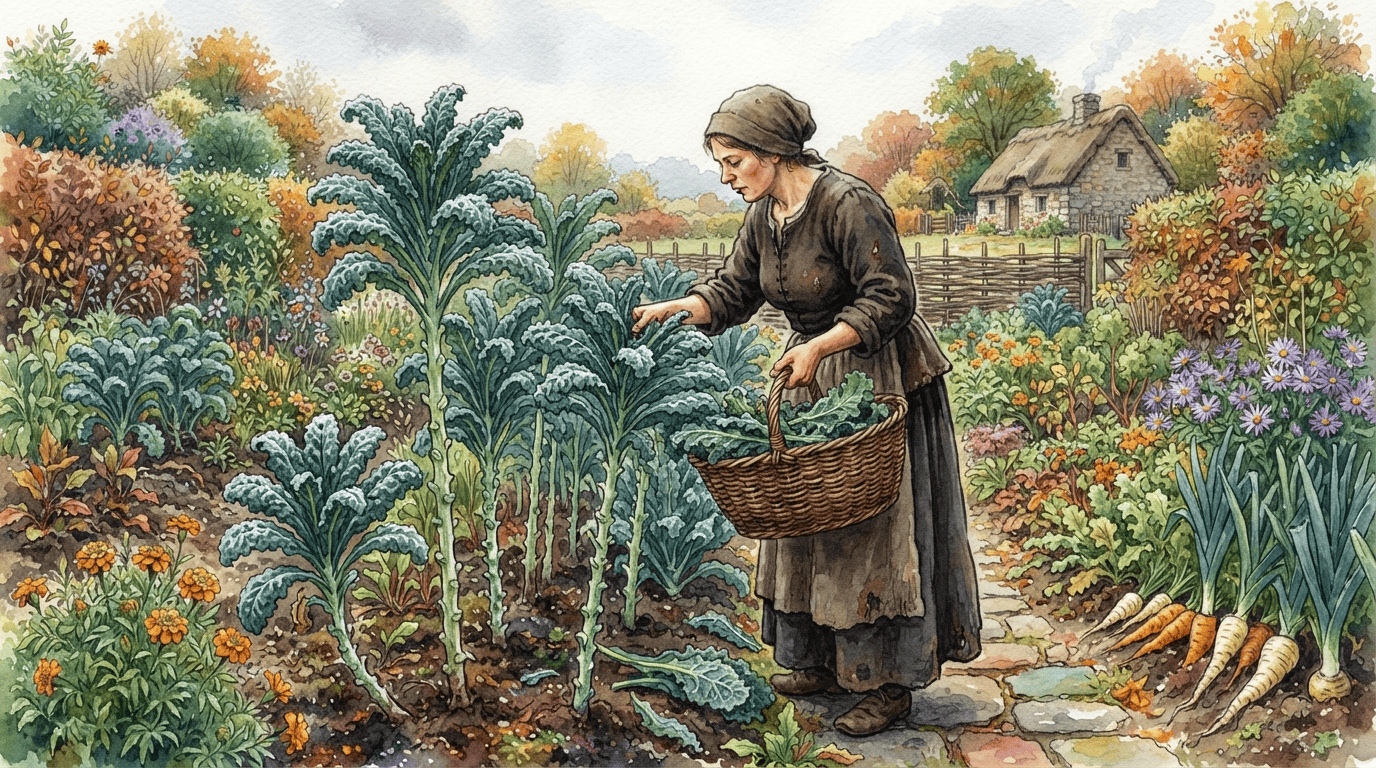
Wild Brassica oleracea is native to the limestone sea cliffs of coastal western and southern Europe. Archaeological and textual evidence shows these leafy forms were among the first to be domesticated, cultivated for at least 2000-4000 years as a staple vegetable across Europe, the Mediterranean, and North Africa—kale was the dominant leafy green of medieval and early-modern European peasant cuisine before cabbage-heading forms spread.
Long a staple of European peasant cooking and Southern American cuisine (collard greens with smoked meat). Surged to mainstream popularity as the defining American superfood vegetable of the 2010s, with kale chips, kale salads, and dinosaur kale becoming iconic. Many cultivar groups exist: curly/Scotch kale, lacinato/Tuscan/cavolo nero/dinosaur kale (Italian heirloom), Russian/Siberian kale (with red-purple midribs), marrowstem cabbage, Portuguese walking-stick cabbage, and the broad-leaved collard greens of Southern US soul-food tradition.
Symbolism & meaning
What It Symbolizes
Kale is the plant of nourishment, lifted from peasant fields into modern superfood status without losing any of its honest, leafy substance. Its heritage stretches from European cottage plots to Southern American kitchens where collards simmer for hours. To grow it is to honor both its long working-class past and its present role as one of the most steadfast greens in the garden.
- Nourishment — iconic superfood for modern American wellness
- Heritage — ancient European peasant and Southern American staple
Where the Name Comes From
'Acephala' from Greek meaning headless—distinguishing kale and collards from heading cabbages.
Uses & Fun Facts
- Nutritious blue-green leaves used in salads, soups, and chips
- Frilled rosettes color cool-season borders and edging
Related plants
More Brassica plants
 Brown MustardBrassica juncea
 BroccoliBrassica oleracea var. botrytis
 Shetland CabbageBrassica oleracea var. capitata
 Kohl-RabiBrassica oleracea var. gongylodes
Plants with similar care
 Chinese AbeliaAbelia chinensis
 Fragrant AbeliaAbelia mosanensis
 Large-Flowered AbeliaAbelia uniflora
 Glossy AbeliaAbelia x grandiflora
Frequently asked questions
How often should I water Acephala Group?
In summer, water about every 3 days; in winter, about every 7 days. Adjust for heat, pot size and drainage.
How much light does Acephala Group need?
Full sun: 6+ hrs direct. Watch the leaves — scorching or stretching means the light needs adjusting.
Is Acephala Group toxic to cats or dogs?
Pets Slight (Dogs Slight · Cats Slight) Educational information, not medical or veterinary advice. If exposure is suspected, contact a doctor or veterinarian.
Is Acephala Group easy to grow?
Yes — it is considered an easy, beginner-friendly plant.
When does Acephala Group bloom?
It typically blooms Jun–Aug in the Northern Hemisphere.
YardMate
Identify any plant in seconds
Snap a photo — YardMate names the plant, diagnoses problems, and reminds you when to water.
Download on the App Store