 YardMate


Shetland Cabbage
Brassica oleracea var. capitata
Medium · Some experienceAbout Shetland Cabbage
Brassica oleracea var. capitata, the cabbage, is a biennial vegetable in the Brassicaceae family grown as an annual for its dense, leafy head. Native to coastal western Europe, cabbage has been cultivated for over 4,000 years and is one of the world's most important and widely grown vegetables, produced on every inhabited continent.
Cabbage thrives in cool weather (15–20°C) in USDA zones 1–10, preferring full sun and rich, well-drained soil with a slightly alkaline pH. Green, red (purple), and savoy types are available, with heads ranging from 0.5 to over 7 kg. The plants are hardy, tolerating frost, which actually improves sweetness by converting starch to sugar. Spring and autumn crops are most successful; summer heat causes bolting and bitter flavour.
Cabbage is a nutritional heavyweight: rich in vitamin C (which prevented scurvy on long sea voyages), vitamin K, and cancer-fighting glucosinolates. Its greatest culinary contribution may be fermentation—sauerkraut (German), kimchi (Korean), and curtido (Salvadoran) are among the world's great fermented foods, rich in probiotics. Fresh cabbage stars in coleslaw, stir-fries, soups, stuffed cabbage rolls, and Irish colcannon. It stores for months in cool root cellars, making it a crucial winter food throughout history.
- Edible
- Cold-hardy
How to care for Shetland Cabbage
Watering
- Springevery 2 days
- Summerevery 1 days
- Fallevery 3 days
- Winterevery 5 days
Soil · Rich & well-draining
- Top dressingCompost10%
- Main mixPotting soil + compost 3:180%
- DrainageGravel10%
Top up the compost layer each season.
FERTILIZER
Balanced Feed 14-14-14
An even feed covers all three needs at once, keeping leaves, roots and blooms moving together with nothing pushed out of balance.
- Nitrogen · Leaves
- Phosphorus · Roots + Blooms
- Potassium · Strength
- Springevery 14 days
- Summerevery 14 days
- Fallevery 14 days
At a Glance
- NativeMediterranean
- Height1–1.5 ft (0.3–0.5 m)
- Spread1.5–2 ft (0.5–0.6 m)
- Flower colorYellow
- Foliage colorGreen, Red, Purple, Variegated
- SoilLoamy, Rich, Moisture-retentive
- LocationsYard
Bloom time
BLOOM CYCLE
Peak bloom
Jun–Aug
Biennial — won't flower in the first season. If it bolts in heat, harvest immediately.
Fragrance
NO FRAGRANCE
No notable fragrance.
Toxicity
Pets Slight
glucosinolates
Safe
EXPOSURE No exposure route is reported.
EFFECT Widely consumed and goitrogens in very large raw quantities can affect thyroid in iodine-deficient individuals.
NOTE Listed as non-toxic for humans; avoid eating ornamental plants unless confirmed edible.
Slight
- Leaf
- Ingestion
EXPOSURE Eating leaves.
EFFECT Large ingestion may cause gas and mild GI upset.
NOTE Generally regarded as safe.
Slight
- Leaf
- Ingestion
EXPOSURE Eating leaves.
EFFECT Large ingestion may cause gas and mild GI upset.
NOTE Generally regarded as safe.
Educational information, not medical or veterinary advice. If exposure is suspected, contact a doctor or veterinarian.
DISTRIBUTION

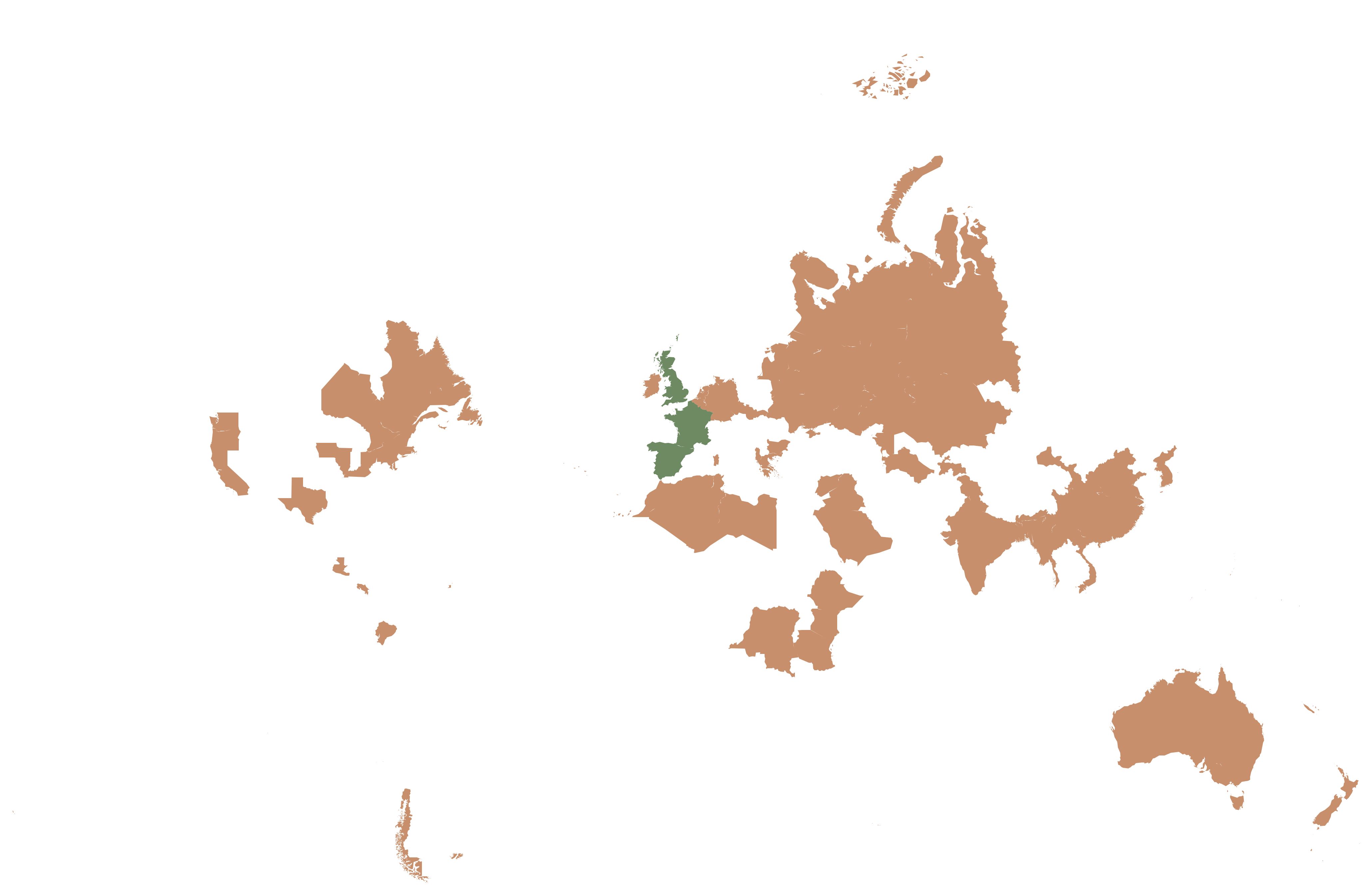
- Native
- Introduced
- Mediterranean
History
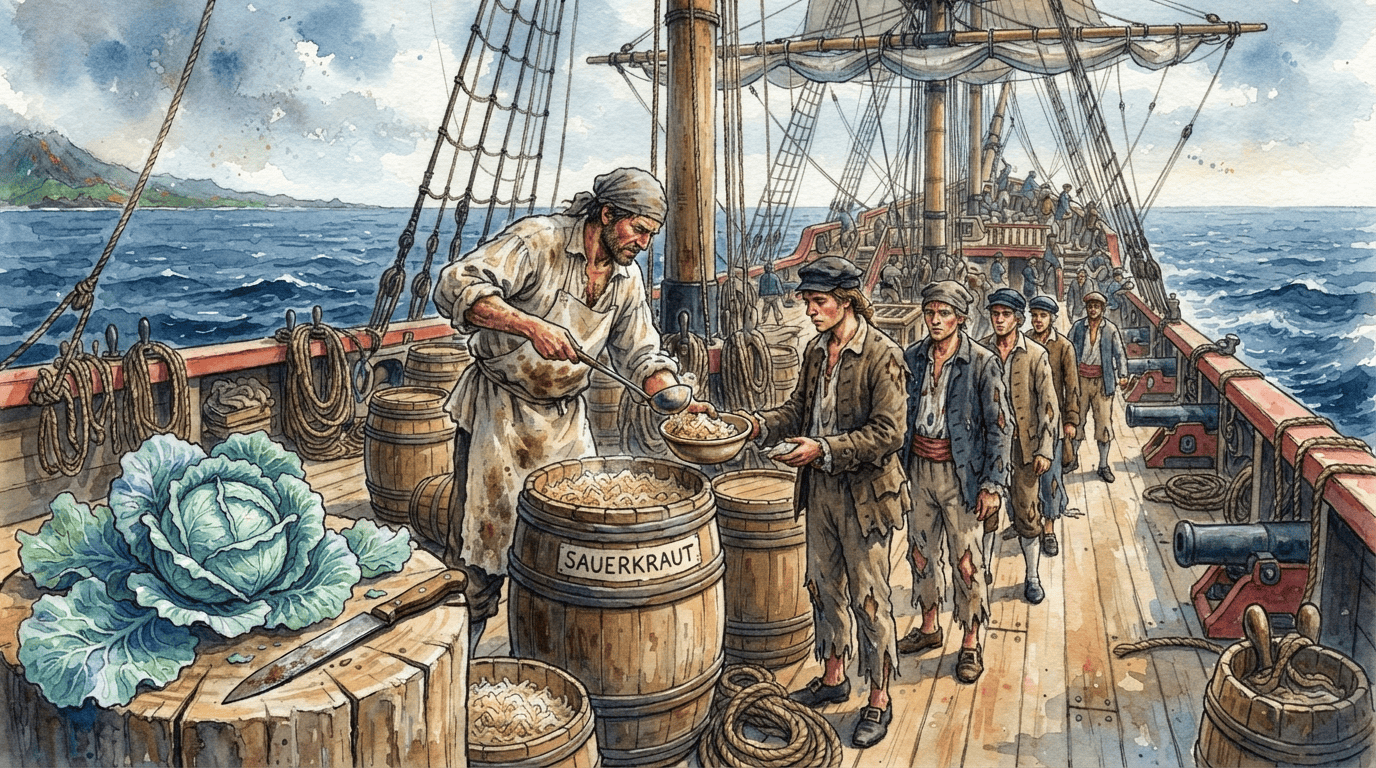
Brassica oleracea is native to the coastal cliffs of the Mediterranean and Atlantic Europe, with wild "wild cabbage" (B. oleracea var. oleracea) still found on sea cliffs from Britain to Gibraltar. It is among the most horticulturally variable species on earth, having been selected into seven distinct vegetable crops: cabbage (var. capitata), kale and collards (var. acephala), broccoli (var. italica), cauliflower (var. botrytis), Brussels sprouts (var. gemmifera), kohlrabi (var. gongylodes), and Chinese kale/gai lan (var. alboglabra). Ancient Greeks and Romans cultivated kale-like forms; the tight-head cabbage was selected during the early Middle Ages in northern Europe, where its storage capacity under cool winter conditions and its suitability for sauerkraut-style fermentation made it foundational to peasant survival cuisine from Ireland to Russia.
Sauerkraut was prescribed by Captain James Cook to prevent scurvy on his 18th-century Pacific voyages, reportedly reducing crew scurvy to near zero. Modern production exceeds 70 million tonnes globally.
Cultivated since at least 2000 BC along the European Atlantic coast. Cato the Elder devoted a chapter of De Agri Cultura to cabbage. German immigrants brought sauerkraut to America; Korean kimchi was designated a UNESCO intangible cultural heritage in 2013.
Symbolism & meaning
What It Symbolizes
Shetland Cabbage expresses endurance, frost-hardy and storing through long northern winters when little else feeds a household. Its tightly folded leaves carry an older symbolism too — in many cultures, eating cabbage on New Year's Day brings prosperity, the leaves resembling folded banknotes packed close. A humble vegetable holding both survival and the hope of plenty.
- Endurance — Frost-hardy and storing through winter, cabbage symbolizes survival and resilient provision
- Prosperity — In many cultures, eating cabbage on New Year's Day brings wealth — the leaves resemble folded banknotes
Where the Name Comes From
Brassica from Celtic 'bresic' (cabbage); 'oleracea' means vegetable garden plant; 'capitata' from Latin 'caput' (head), describing the dense head formation.
Uses & Fun Facts
- Leafy heads eaten raw, fermented, braised, and stuffed
Related plants
More Brassica plants
 Brown MustardBrassica juncea
 Acephala GroupBrassica oleracea var. acephala
 BroccoliBrassica oleracea var. botrytis
 Kohl-RabiBrassica oleracea var. gongylodes
Plants with similar care
 Mexican AbeliaAbelia floribunda
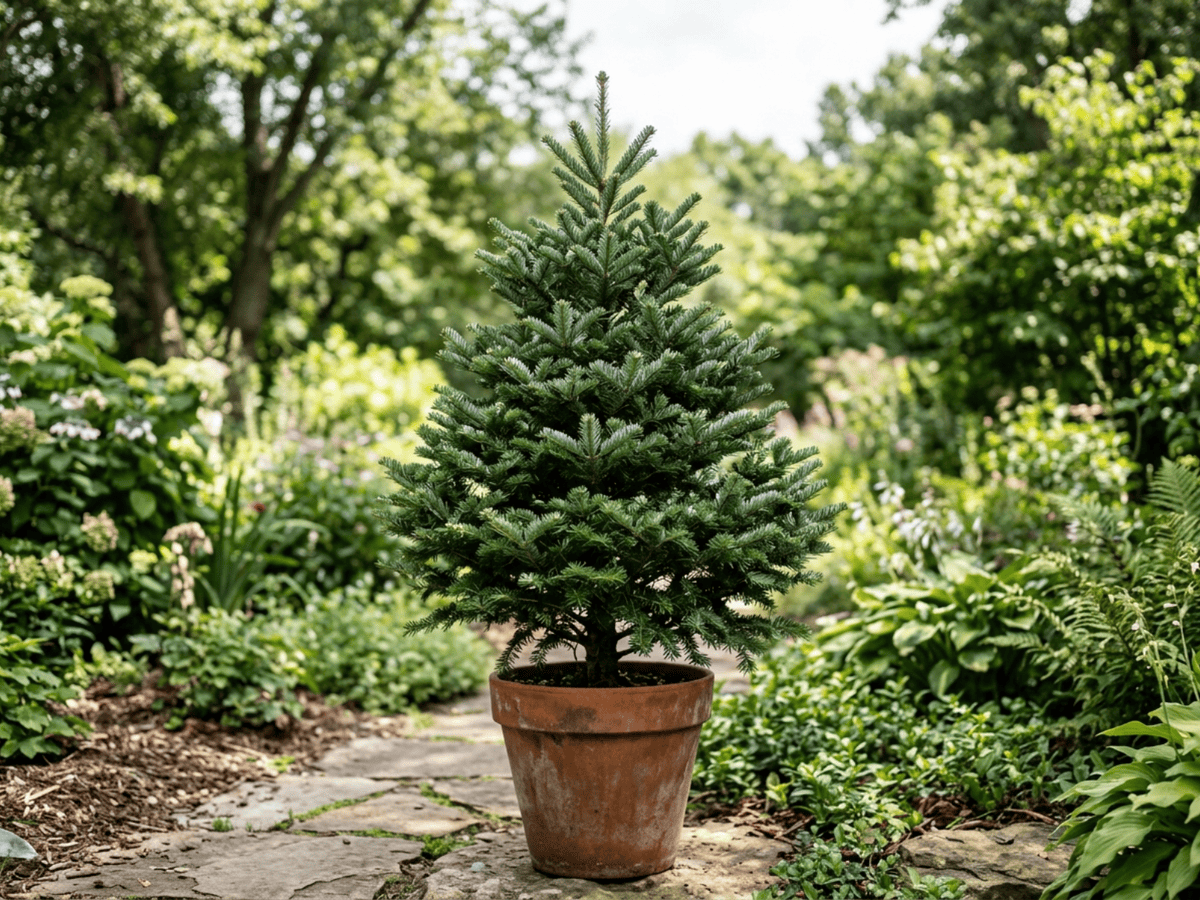 Fraser FirAbies fraseri
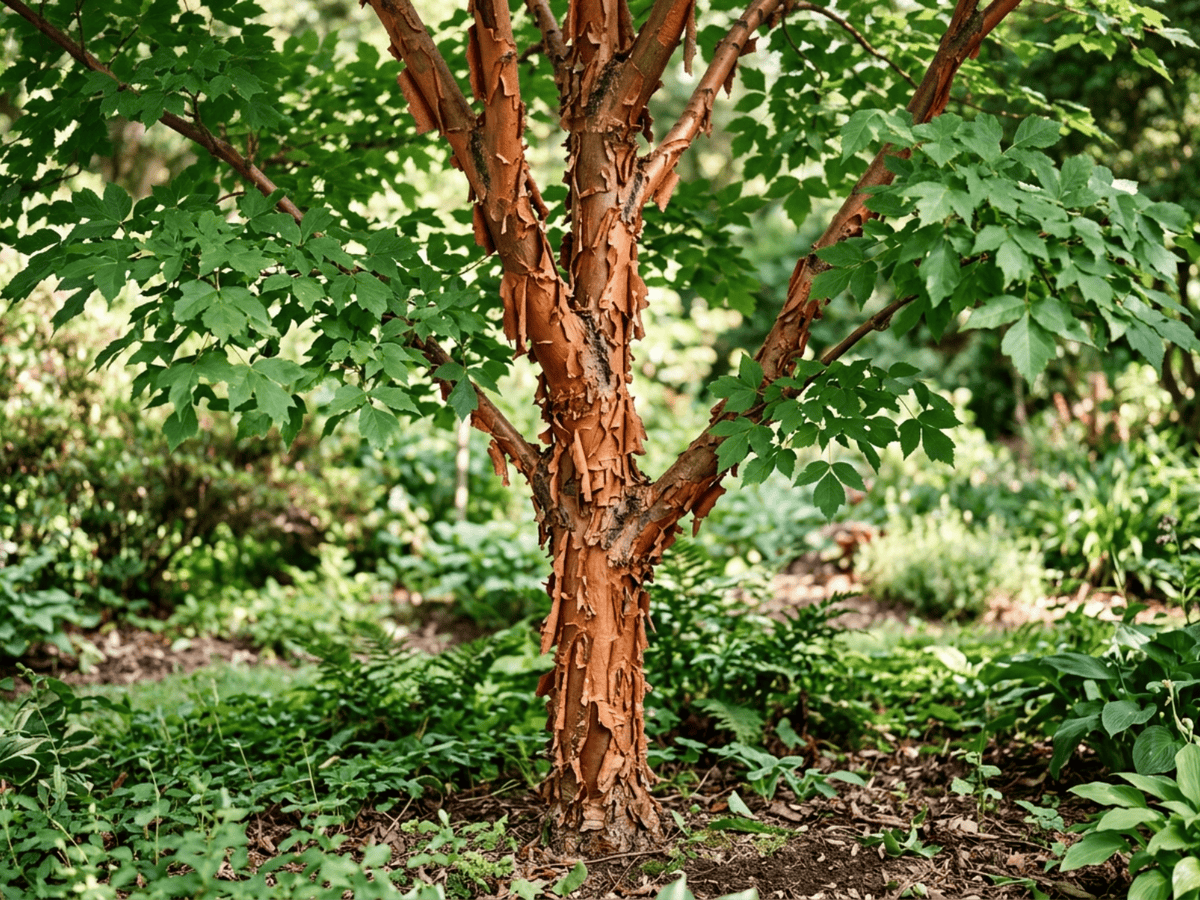 Paperbark MapleAcer griseum
 Sugar MapleAcer saccharum
Frequently asked questions
How often should I water Shetland Cabbage?
In summer, water about every 1 days; in winter, about every 5 days. Adjust for heat, pot size and drainage.
How much light does Shetland Cabbage need?
Full sun: 6+ hrs direct. Watch the leaves — scorching or stretching means the light needs adjusting.
Is Shetland Cabbage toxic to cats or dogs?
Pets Slight (Dogs Slight · Cats Slight) Educational information, not medical or veterinary advice. If exposure is suspected, contact a doctor or veterinarian.
Is Shetland Cabbage easy to grow?
It is moderately demanding: a good choice once you have a little experience.
When does Shetland Cabbage bloom?
It typically blooms Jun–Aug in the Northern Hemisphere.
YardMate
Identify any plant in seconds
Snap a photo — YardMate names the plant, diagnoses problems, and reminds you when to water.
Download on the App Store