 YardMate


Brown Mustard
Brassica juncea
Easy · Beginner friendlyAbout Brown Mustard
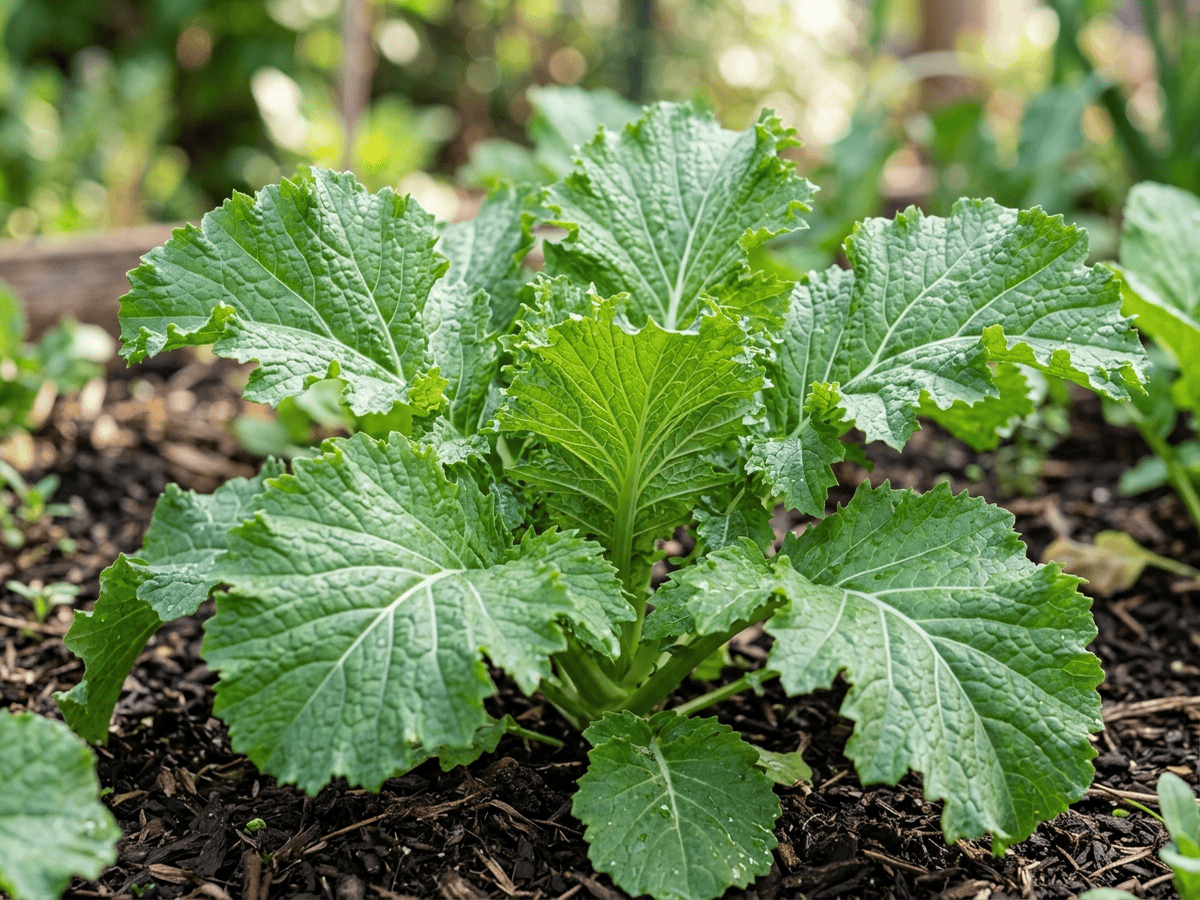
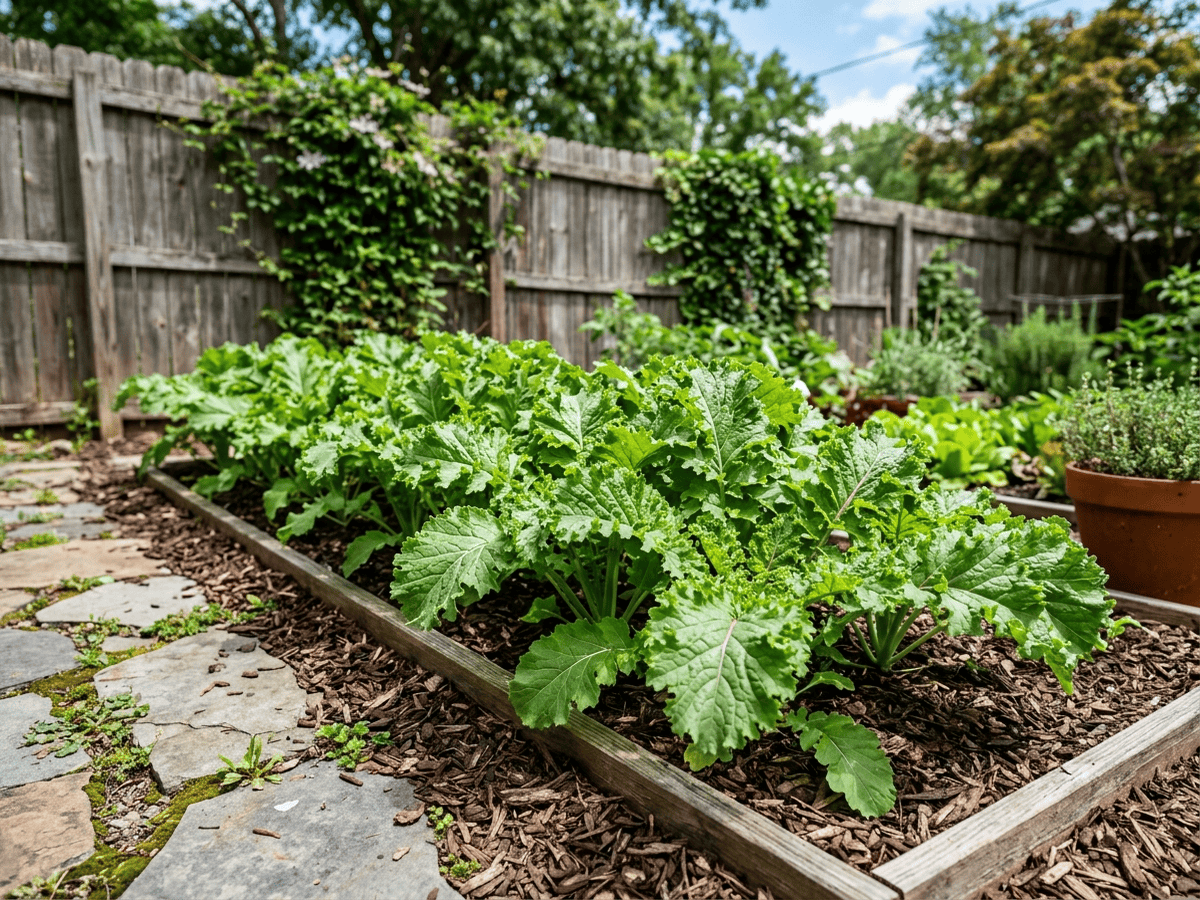
Mustard Greens or Indian Mustard is an Asian-origin annual leafy vegetable reaching 12-36 inches tall, with broad green or purple leaves and a sharp peppery-mustard flavor. A staple green of Southern American (collards-and-mustard tradition), Chinese (mustard greens), Indian (sarson ka saag), and Japanese (takana) cuisines. Quick-growing and cold-hardy, it provides nutritious cool-season greens across American kitchen gardens.
- Edible
- Fast-growing
How to care for Brown Mustard
Watering
- Springevery 3 days
- Summerevery 3 days
- Fallevery 5 days
- Winterevery 7 days
Soil · Rich & well-draining
- Top dressingCompost10%
- Main mixPotting soil + compost 3:180%
- DrainageGravel10%
Top up the compost layer each season.
FERTILIZER
Balanced Feed 14-14-14
An even feed covers all three needs at once, keeping leaves, roots and blooms moving together with nothing pushed out of balance.
- Nitrogen · Leaves
- Phosphorus · Roots + Blooms
- Potassium · Strength
- Springevery 30 days
- Summerevery 30 days
- Fallevery 30 days
At a Glance
- NativeEast Asia
- Height1–3 ft (0.3–0.9 m)
- Spread1–2 ft (0.3–0.6 m)
- Flower colorYellow
- Foliage colorGreen, Purple
- SoilLoamy, Moisture-retentive, Rich
- LocationsYard · Balcony
Bloom time
BLOOM CYCLE
Peak bloom
Jun–Aug
Yellow cruciferous flowers if bolted
Fragrance
MODERATE FRAGRANCE
Sharp mustardy aroma when cut.
Toxicity
Pets Slight
sinigrin and allyl isothiocyanate
Safe
EXPOSURE No exposure route is reported.
EFFECT No toxic effect is reported.
NOTE Listed as non-toxic for humans; avoid eating ornamental plants unless confirmed edible.
Slight
- Leaf
- Seed
- Ingestion
EXPOSURE Eating leaves and seeds.
EFFECT Gastrointestinal upset (large amounts).
NOTE Culinary vegetable; non-toxic at normal amounts. Very large quantities can cause GI upset in pets.
Slight
- Leaf
- Seed
- Ingestion
EXPOSURE Eating leaves and seeds.
EFFECT Gastrointestinal upset (large amounts).
NOTE Culinary vegetable; non-toxic at normal amounts. Very large quantities can cause GI upset in pets.
Educational information, not medical or veterinary advice. If exposure is suspected, contact a doctor or veterinarian.
DISTRIBUTION


- Native
- East Asia
History
Brassica juncea, commonly called mustard greens, brown mustard, Indian mustard, or leaf mustard, is a highly variable cultivated species in the cabbage family (Brassicaceae) derived from ancient natural hybridization between Brassica nigra (the U genome parent, black mustard) and Brassica rapa (the A genome parent, turnip), forming the allotetraploid AABB genome—one of the classic examples in the Triangle of U describing Brassica genome evolution published by Woo Jang-choon in 1935. Carl Linnaeus originally described it as Sinapis juncea in Species Plantarum in 1753; Ukrainian botanist Vasily Matveevich Czernajew transferred it to Brassica in 1859. The species has been independently selected into three major cultivated forms: (1) Indian and Chinese oilseed mustard, a major world oilseed crop especially in India and Canada, producing pungent mustard oil; (2) Asian leafy vegetable mustards including gai choy, mustard greens, takana, mizuna, komatsuna; (3) condiment mustards—the source of most European 'brown' or 'dijon' mustards.
Cultivated for at least 3000 years in both China and South Asia. Originated in the Himalayan region from a hybrid of Brassica nigra and Brassica rapa.
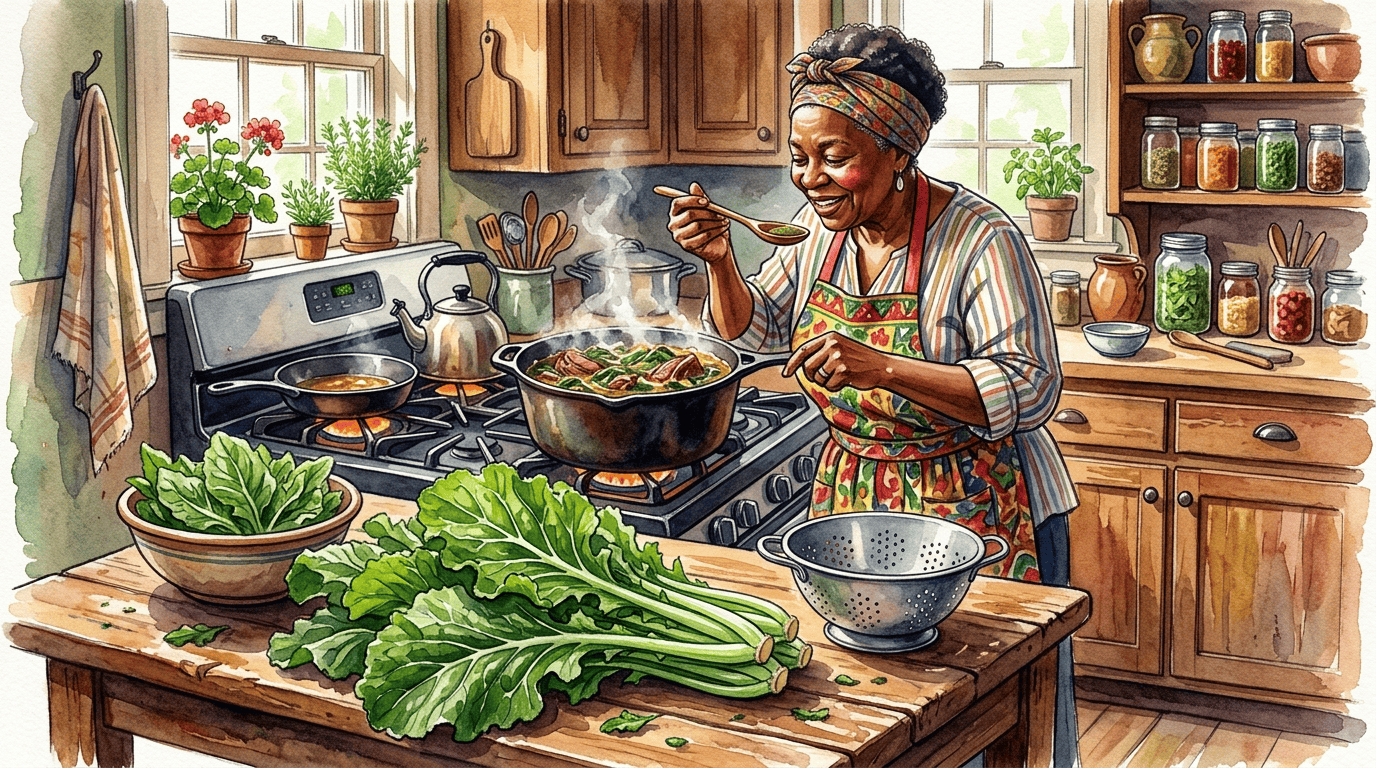
Brought to the American South where it became a defining green alongside collards and turnip greens in Southern cuisine.
Symbolism & meaning
What It Symbolizes
Brown Mustard makes visible strength, its peppery leaves and bold seeds carrying robust nutrition into kitchens across continents. From Southern American greens simmered with smoked meat to Indian sarson ka saag and the fiery condiments of East Asia, this brassica is a heritage crop that bridges cultures. To grow mustard is to plant a green that has fed working hands and family tables for many centuries.
- Strength — robust nutrition and bold flavor
- Heritage — essential green across Southern American, Indian, and Asian cuisines
Where the Name Comes From
'Brassica' is the classical Latin name for cabbage; 'juncea' means rush-like.
Uses & Fun Facts
- Peppery mustard leaves are harvested young for salads, stir-fries, and pickles
Related plants
More Brassica plants
 Acephala GroupBrassica oleracea var. acephala
 BroccoliBrassica oleracea var. botrytis
 Shetland CabbageBrassica oleracea var. capitata
 Kohl-RabiBrassica oleracea var. gongylodes
Plants with similar care
 Chinese AbeliaAbelia chinensis
 Fragrant AbeliaAbelia mosanensis
 Large-Flowered AbeliaAbelia uniflora
 Glossy AbeliaAbelia x grandiflora
Frequently asked questions
How often should I water Brown Mustard?
In summer, water about every 3 days; in winter, about every 7 days. Adjust for heat, pot size and drainage.
How much light does Brown Mustard need?
Full sun: 6+ hrs direct. Watch the leaves — scorching or stretching means the light needs adjusting.
Is Brown Mustard toxic to cats or dogs?
Pets Slight (Dogs Slight · Cats Slight) Educational information, not medical or veterinary advice. If exposure is suspected, contact a doctor or veterinarian.
Is Brown Mustard easy to grow?
Yes — it is considered an easy, beginner-friendly plant.
When does Brown Mustard bloom?
It typically blooms Jun–Aug in the Northern Hemisphere.
YardMate
Identify any plant in seconds
Snap a photo — YardMate names the plant, diagnoses problems, and reminds you when to water.
Download on the App Store