 YardMate

Asparagus Broccoli
Brassica oleracea var. italica
Medium · Some experienceAbout Asparagus Broccoli
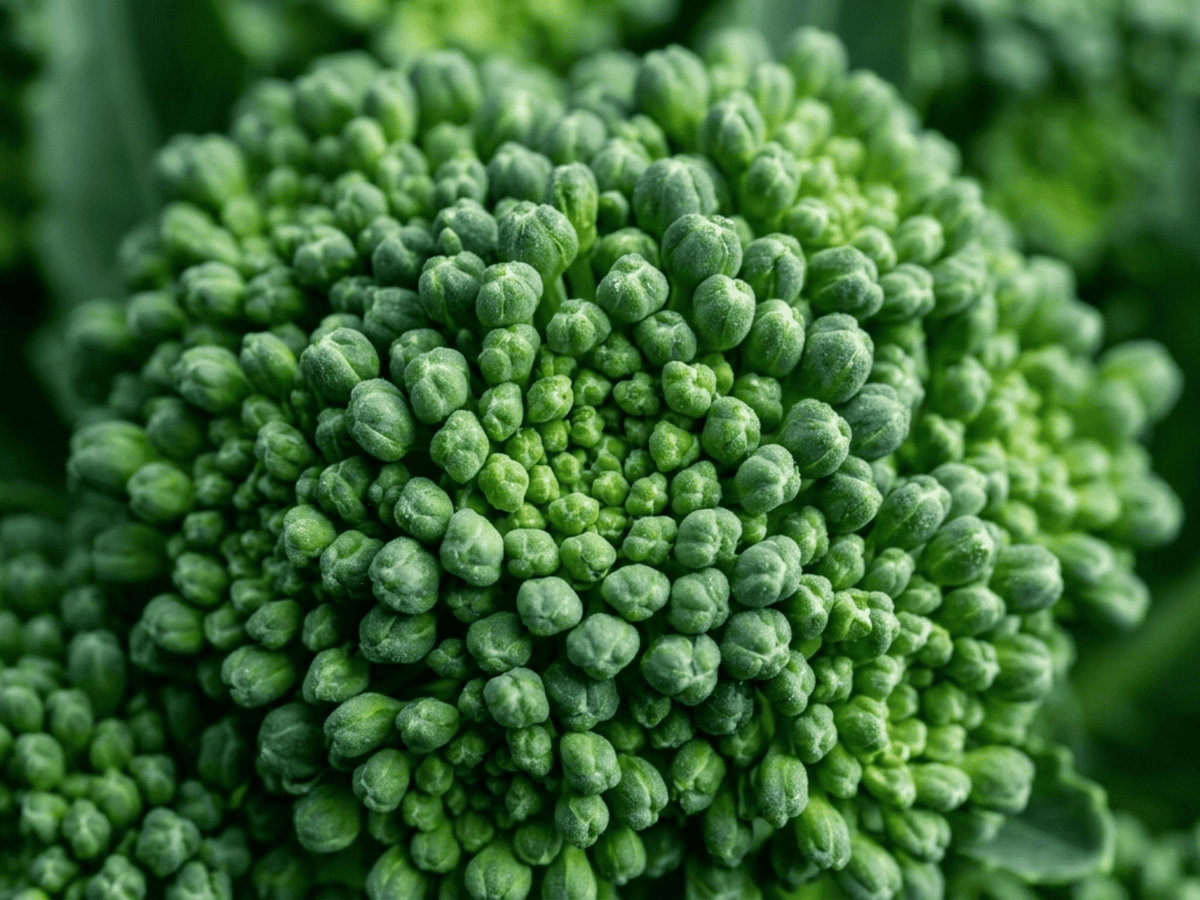
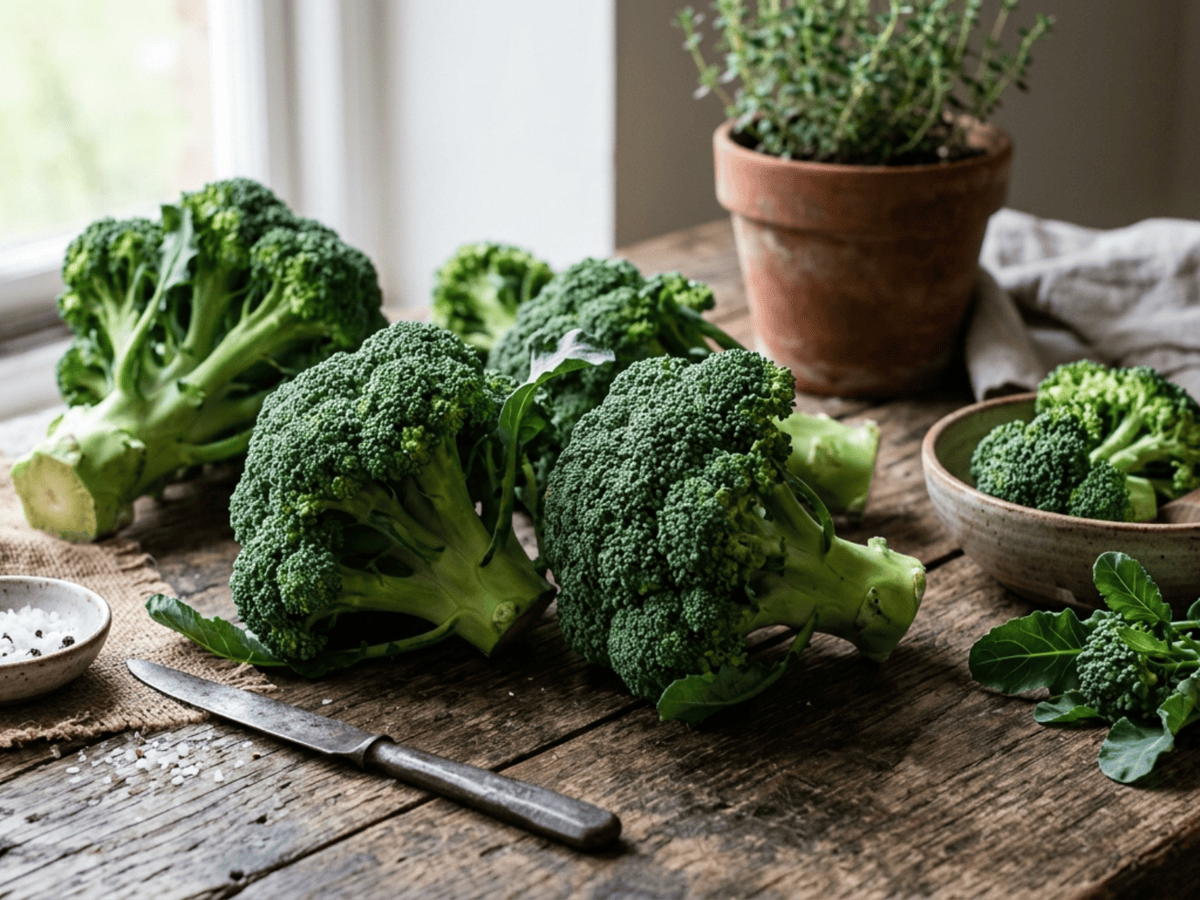
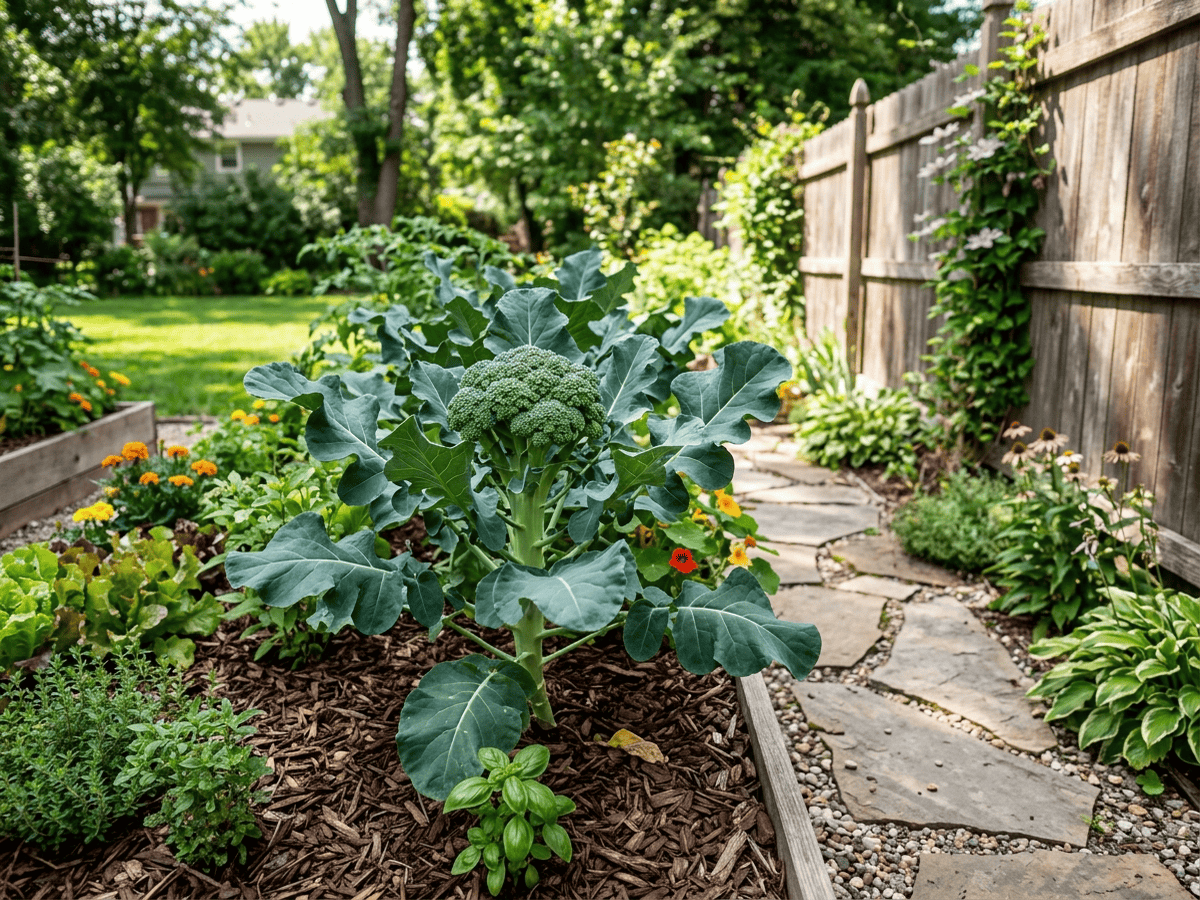
Brassica oleracea var. italica, broccoli, is a cool-season vegetable developed in southern Italy from wild cabbage. The edible head is a cluster of unopened flower buds on a thick stalk, with side shoots extending the harvest after the main head is cut. Broccoli prefers cool weather, full sun, rich moisture-retentive soil, and steady watering; heat quickly loosens the buds and reduces quality. It is valued for vitamins C and K, folate, fiber, and sulfur-rich compounds such as sulforaphane that have made cruciferous vegetables a major focus of nutrition research. Brief steaming preserves texture and flavor better than boiling. Today broccoli is a staple in American, Italian, Chinese, and Indian kitchens.
- Edible
How to care for Asparagus Broccoli
Watering
- Springevery 2 days
- Summerevery 1 days
- Fallevery 3 days
- Winterevery 5 days
Soil · Rich & well-draining
- Top dressingCompost10%
- Main mixPotting soil + compost 3:180%
- DrainageGravel10%
Top up the compost layer each season.
FERTILIZER
Balanced Feed 14-14-14
An even feed covers all three needs at once, keeping leaves, roots and blooms moving together with nothing pushed out of balance.
- Nitrogen · Leaves
- Phosphorus · Roots + Blooms
- Potassium · Strength
- Springevery 14 days
- Summerevery 14 days
- Fallevery 14 days
At a Glance
- NativeMediterranean
- Height2–3 ft (0.6–0.9 m)
- Spread1–2 ft (0.3–0.6 m)
- Flower colorYellow
- Foliage colorGreen, Blue-green
- SoilLoamy, Well-drained, Rich
- LocationsYard
Bloom time
BLOOM CYCLE
Peak bloom
Jun–Aug
Harvest central head before any yellow appears; side shoots continue producing for 4–6 weeks.
Fragrance
NO FRAGRANCE
No notable fragrance.
Toxicity
Pets Slight
glucosinolates and sulforaphane
Safe
EXPOSURE No exposure route is reported.
EFFECT Widely consumed and glucosinolates raise theoretical thyroid concerns only in iodine-deficient extreme consumption.
NOTE Listed as non-toxic for humans; avoid eating ornamental plants unless confirmed edible.
Slight
- All
- Ingestion
EXPOSURE Eating any part of the plant.
EFFECT Large quantities cause gas and GI irritation and isothiocyanates can be toxic in very large doses.
NOTE Generally regarded as safe in normal dietary amounts.
Slight
- All
- Ingestion
EXPOSURE Eating any part of the plant.
EFFECT Large quantities cause gas and GI irritation.
NOTE Generally regarded as safe in normal dietary amounts.
Educational information, not medical or veterinary advice. If exposure is suspected, contact a doctor or veterinarian.
DISTRIBUTION

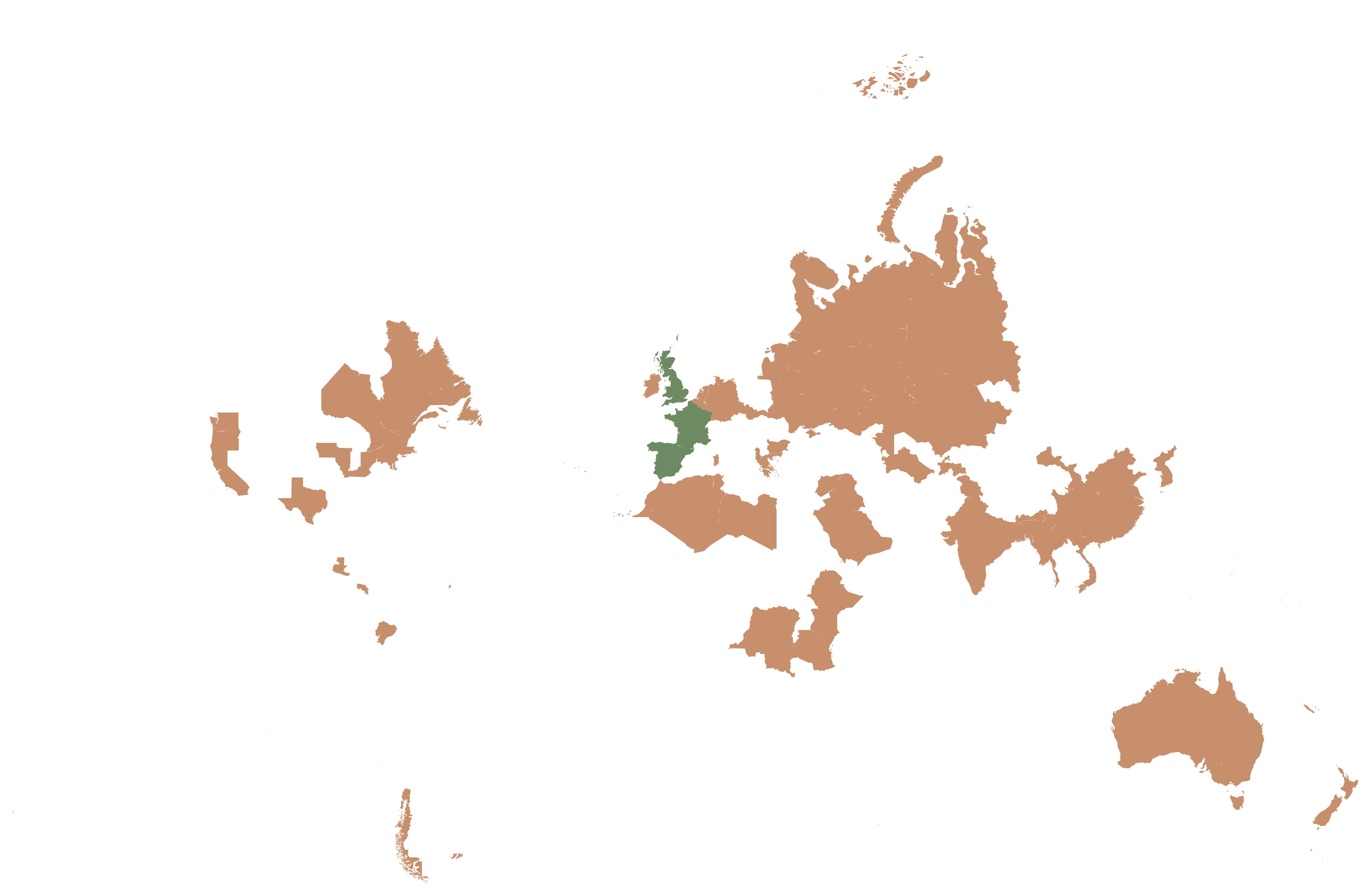
- Native
- Introduced
- Mediterranean
History
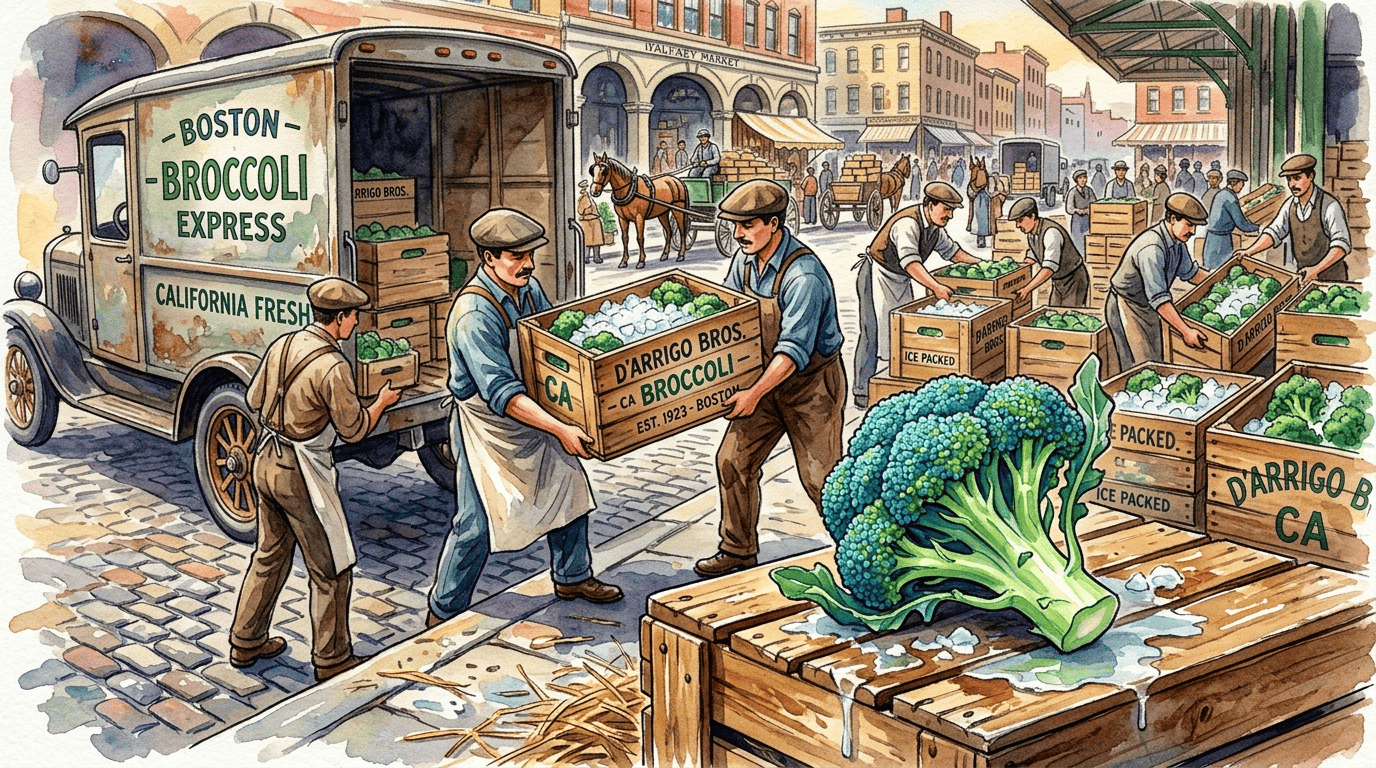
Brassica oleracea var. italica (broccoli) was developed in Italy, almost certainly during the Etruscan and Roman era, from the wild cabbage ancestor. The name derives from the Italian "broccolo" meaning "little branch" or "little sprout," the diminutive of "brocco" (stem). It was widely cultivated in Italy by the Roman period; Pliny the Elder wrote about it.
However, broccoli remained essentially unknown in English-speaking cuisine until Italian immigrants brought it to America in the early 20th century. The D'Arrigo Brothers, Italian immigrants to California, began cold-shipping broccoli to Boston's Italian market in 1923 under the "Andy Boy" label, triggering the plant's first serious commercial US distribution. Broccoli entered broader American cuisine only after World War II.
President George H.W. Bush famously banned broccoli from Air Force One in 1990, declaring: "I do not like broccoli. And I haven't liked it since I was a little kid and my mother made me eat it. I'm president of the United States and I'm not going to eat any more broccoli" — triggering a nationwide debate and a truckload of protest broccoli shipped to the White House by California farmers.
Symbolism & meaning
What It Symbolizes
Broccoli's tight green crowns and tree-like form make it a quiet emblem of wholeness — a single floret holds vitamins, minerals, fiber, and protein in remarkable balance. As a modern superfood it has come to stand for nourishment in its conscious sense: food chosen not just for hunger but for health. It stands for the everyday discipline of caring for the body through what we put on the plate.
- Wholeness — Broccoli's tree-like form and exceptional nutritional completeness symbolize well-rounded health
- Nourishment — As a modern superfood, it represents conscious, health-giving sustenance
Where the Name Comes From
Brassica from Celtic 'bresic'; 'oleracea' means of the vegetable garden; 'italica' acknowledges its Italian origin. 'Broccoli' from Italian 'broccolo' (flowering crest of a cabbage).
Uses & Fun Facts
- Tight green flower heads steamed, roasted, or stir-fried
Related plants
More Brassica plants
 Brown MustardBrassica juncea
 Acephala GroupBrassica oleracea var. acephala
 BroccoliBrassica oleracea var. botrytis
 Shetland CabbageBrassica oleracea var. capitata
Plants with similar care
 Mexican AbeliaAbelia floribunda
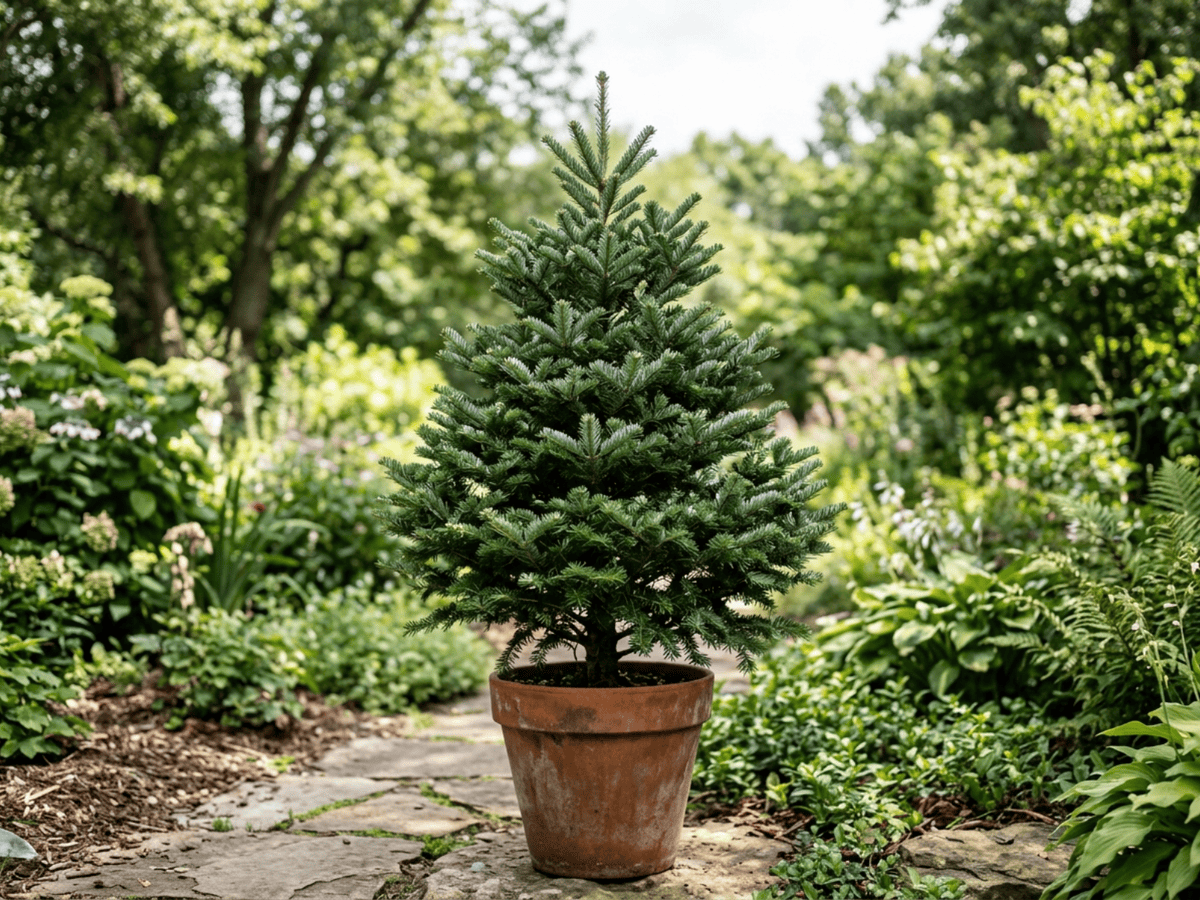 Fraser FirAbies fraseri
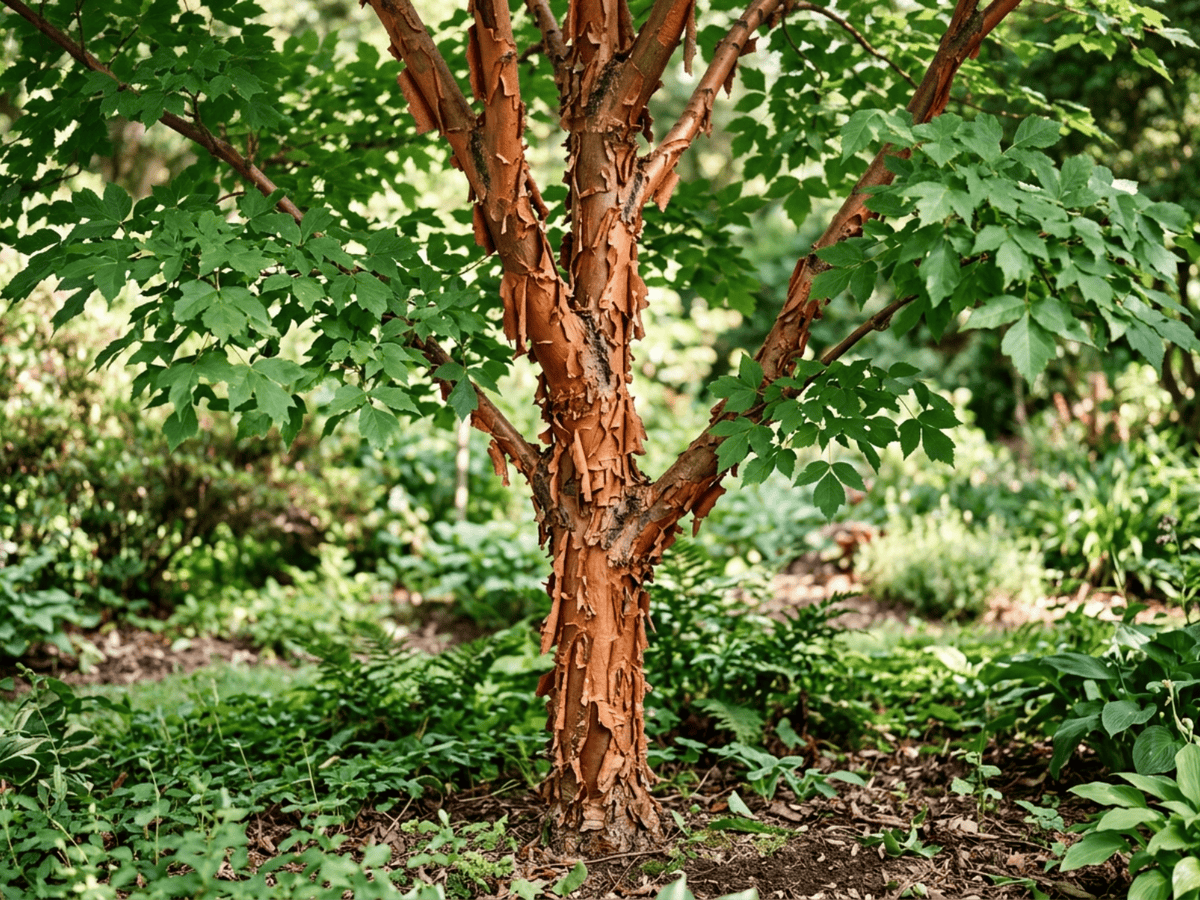 Paperbark MapleAcer griseum
 Sugar MapleAcer saccharum
Frequently asked questions
How often should I water Asparagus Broccoli?
In summer, water about every 1 days; in winter, about every 5 days. Adjust for heat, pot size and drainage.
How much light does Asparagus Broccoli need?
Full sun: 6+ hrs direct. Watch the leaves — scorching or stretching means the light needs adjusting.
Is Asparagus Broccoli toxic to cats or dogs?
Pets Slight (Dogs Slight · Cats Slight) Educational information, not medical or veterinary advice. If exposure is suspected, contact a doctor or veterinarian.
Is Asparagus Broccoli easy to grow?
It is moderately demanding: a good choice once you have a little experience.
When does Asparagus Broccoli bloom?
It typically blooms Jun–Aug in the Northern Hemisphere.
YardMate
Identify any plant in seconds
Snap a photo — YardMate names the plant, diagnoses problems, and reminds you when to water.
Download on the App Store