 YardMate


Lemon Grass
Cymbopogon citratus
Medium · Some experienceAbout Lemon Grass
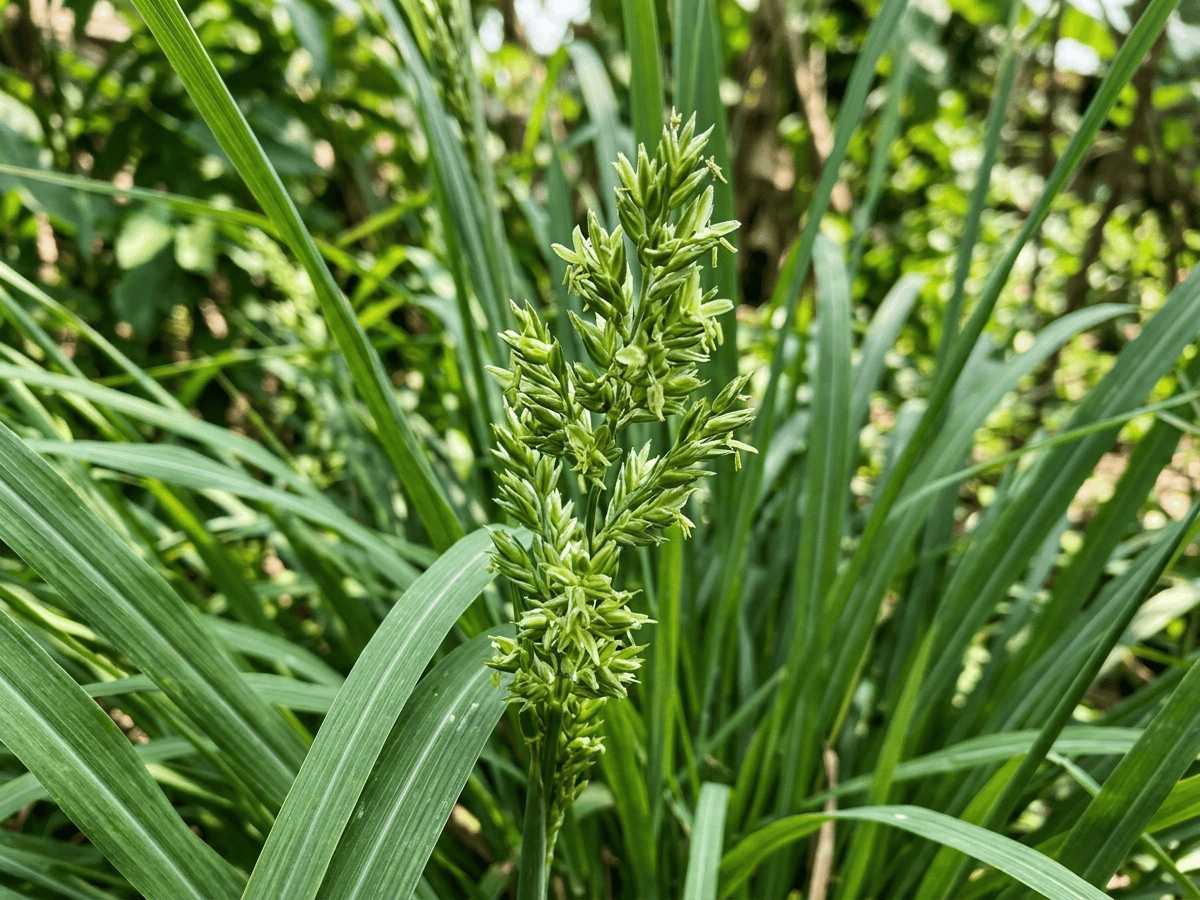
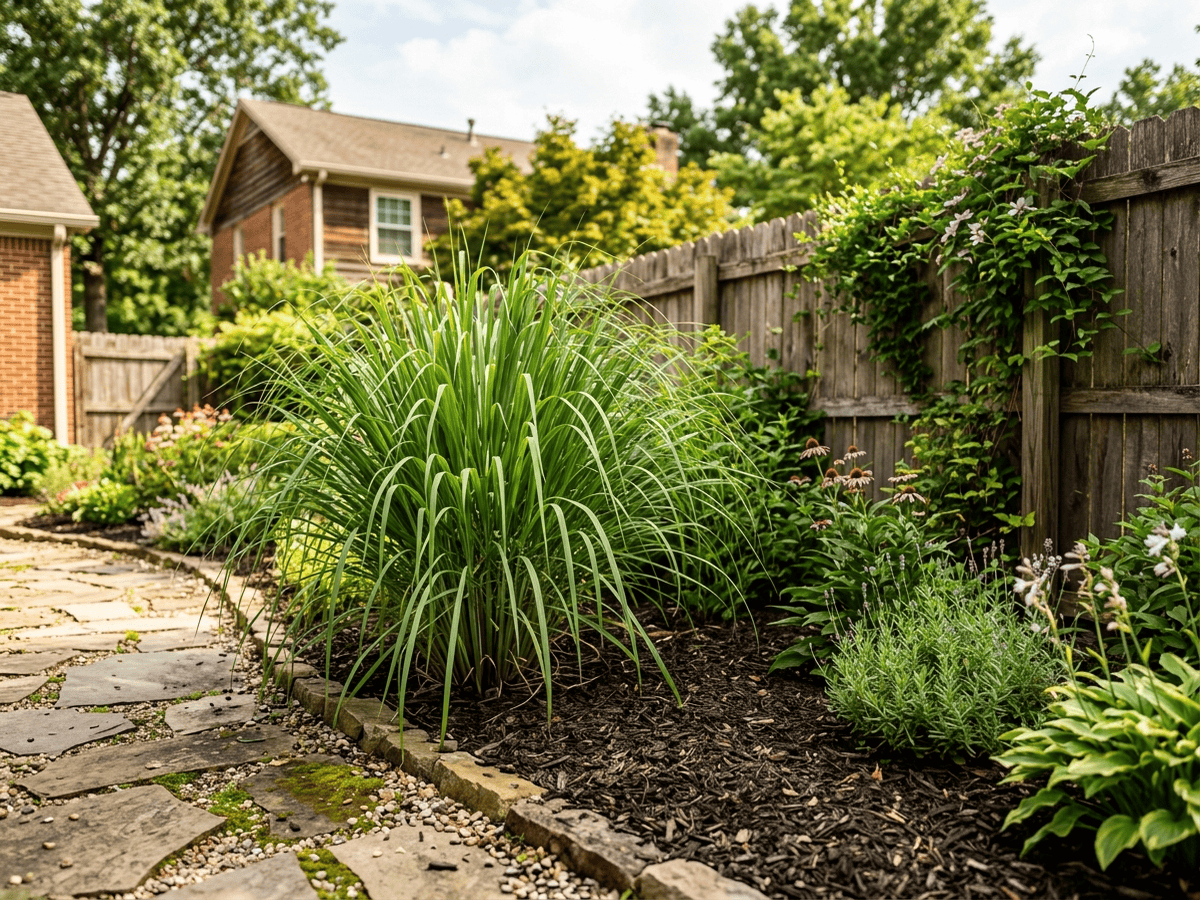
Cymbopogon citratus, lemongrass, is a tropical grass forming dense clumps of long, aromatic, lemon-scented leaves used extensively in Southeast Asian cuisine. Growing 1–1.5 meters tall, the thick, bulbous stem bases are the primary culinary part — essential in Thai tom yum soup, Vietnamese pho, and Indonesian rendang. The leaves make a refreshing tea. Native to South and Southeast Asia, it requires warmth and moisture. In temperate climates, it grows well as a summer container plant. The essential oil is used as a natural insect repellent.
- Edible
- Fragrant
How to care for Lemon Grass
Watering
- Springevery 3 days
- Summerevery 2 days
- Fallevery 4 days
- Winterevery 7 days
Soil · Rich & well-draining
- Top dressingCompost10%
- Main mixPotting soil + compost 3:180%
- DrainageGravel10%
Top up the compost layer each season.
FERTILIZER
Foliage Feed 24-8-16
Nitrogen leads so the plant spends its energy on dense green growth. Phosphorus and potassium follow just far enough to keep roots and stems up to speed.
- Nitrogen · Leaves
- Phosphorus · Roots + Blooms
- Potassium · Strength
- Springevery 21 days
- Summerevery 21 days
- Fallevery 30 days
At a Glance
- NativeEast Asia
- Height3–5 ft (0.9–1.5 m)
- Spread2–4 ft (0.6–1.2 m)
- Flower colorGreen
- Foliage colorGreen
- SoilLoamy, Well-drained, Rich
- LocationsYard · Balcony
Bloom time
BLOOM CYCLE
Rarely flowers in cultivation; harvest stems when 1cm thick at base
Fragrance
STRONG FRAGRANCE
Intense fresh lemon citrus aroma from citral content.
Toxicity
Pets Moderate
citral, geraniol, and myrcene
Not reported
EXPOSURE No exposure route is reported.
EFFECT Culinary herb and tea and no significant toxicity.
NOTE No human toxicity is reported in this catalog; avoid eating ornamental plants unless confirmed edible.
Slight
- All
- Ingestion
EXPOSURE Eating any part of the plant.
EFFECT Large ingestion causes GI upset and essential oil more hazardous (per ASPCA).
NOTE ASPCA lists Cymbopogon as toxic to dogs and cats due to essential oils; culinary stalk use is low-risk.
Moderate
- All
- Ingestion
EXPOSURE Eating any part of the plant.
EFFECT GI upset and essential oils toxic to cats.
NOTE ASPCA lists Cymbopogon as toxic to dogs and cats due to essential oils; culinary stalk use is low-risk.
Educational information, not medical or veterinary advice. If exposure is suspected, contact a doctor or veterinarian.
DISTRIBUTION


- Native
- Introduced
- East Asia
History

Cymbopogon citratus is native to South and Southeast Asia, probably originating in peninsular Malaysia or Sri Lanka. It has been cultivated across tropical Asia for centuries as both a culinary herb and a medicinal plant. It is foundational to Thai cuisine (tom yum, tom kha), Vietnamese (bò kho, marinades), Indonesian and Malaysian (rendang, soto), Indian (particularly Keralan), and Caribbean cuisines, where the stalk bases provide a distinctive citrus-ginger aroma without acidity.
Commercial essential-oil production accelerated in the early 20th century after chemist C.R. Schimmel showed lemongrass oil as a major source of citral, the aldehyde used to synthesize ionones (the core "violet" perfume compounds) and vitamin A. India became the world's largest producer; Madagascar, Haiti, and Guatemala followed. The closely related Cymbopogon nardus and C. winterianus are the citronella species used in insect repellents. Lemongrass is one of Southeast Asia's most important culinary plants — a single Thai kitchen might use a kilo per week.
The lemony flavor comes from citral, the same compound in lemon peel. Lemongrass oil is one of the most effective natural mosquito repellents — studies show it provides 2–3 hours of protection, though less than DEET. In traditional Ayurvedic medicine, lemongrass tea is prescribed for fever, cold, and digestive complaints. Brazil grows vast commercial plantations for essential oil production. nardus (citronella grass), produces citronella oil used in candles and outdoor torches.
Symbolism & meaning
What It Symbolizes
Lemongrass is openness in scent form — its clean, bright citrus fragrance feels like a window thrown wide on a stale morning. Used across Thai, Vietnamese, and Sri Lankan kitchens to lift heavier flavors, it symbolizes clarity of mind and the fresh perspective that comes with a deep breath. It is the herb that reminds you the air can taste new.
- Openness — Its clean, bright fragrance represents clarity of mind and fresh perspectives
Where the Name Comes From
The name Lemon Grass describes its grasslike foliage. Cymbopogon from Greek 'kymbe' (boat) and 'pogon' (beard), for the boat-shaped flower spathes. Citratus means 'citrus-like.'
Uses & Fun Facts
- Bulbous stems flavor Thai tom yum and Vietnamese pho
- Lemon-scented leaves brewed for herbal tea and essential oil
- Traditional remedy for digestion and as natural insect repellent
Related plants
Plants with similar care
 Mexican AbeliaAbelia floribunda
 Fraser FirAbies fraseri
 Paperbark MapleAcer griseum
 Sugar MapleAcer saccharum
Frequently asked questions
How often should I water Lemon Grass?
In summer, water about every 2 days; in winter, about every 7 days. Adjust for heat, pot size and drainage.
How much light does Lemon Grass need?
Full sun: 6+ hrs direct. Watch the leaves — scorching or stretching means the light needs adjusting.
Is Lemon Grass toxic to cats or dogs?
Pets Moderate (Dogs Slight · Cats Moderate) Educational information, not medical or veterinary advice. If exposure is suspected, contact a doctor or veterinarian.
Is Lemon Grass easy to grow?
It is moderately demanding: a good choice once you have a little experience.
YardMate
Identify any plant in seconds
Snap a photo — YardMate names the plant, diagnoses problems, and reminds you when to water.
Download on the App Store