 YardMate


Beefsteak Plant
Perilla frutescens
Easy · Beginner friendlyAbout Beefsteak Plant
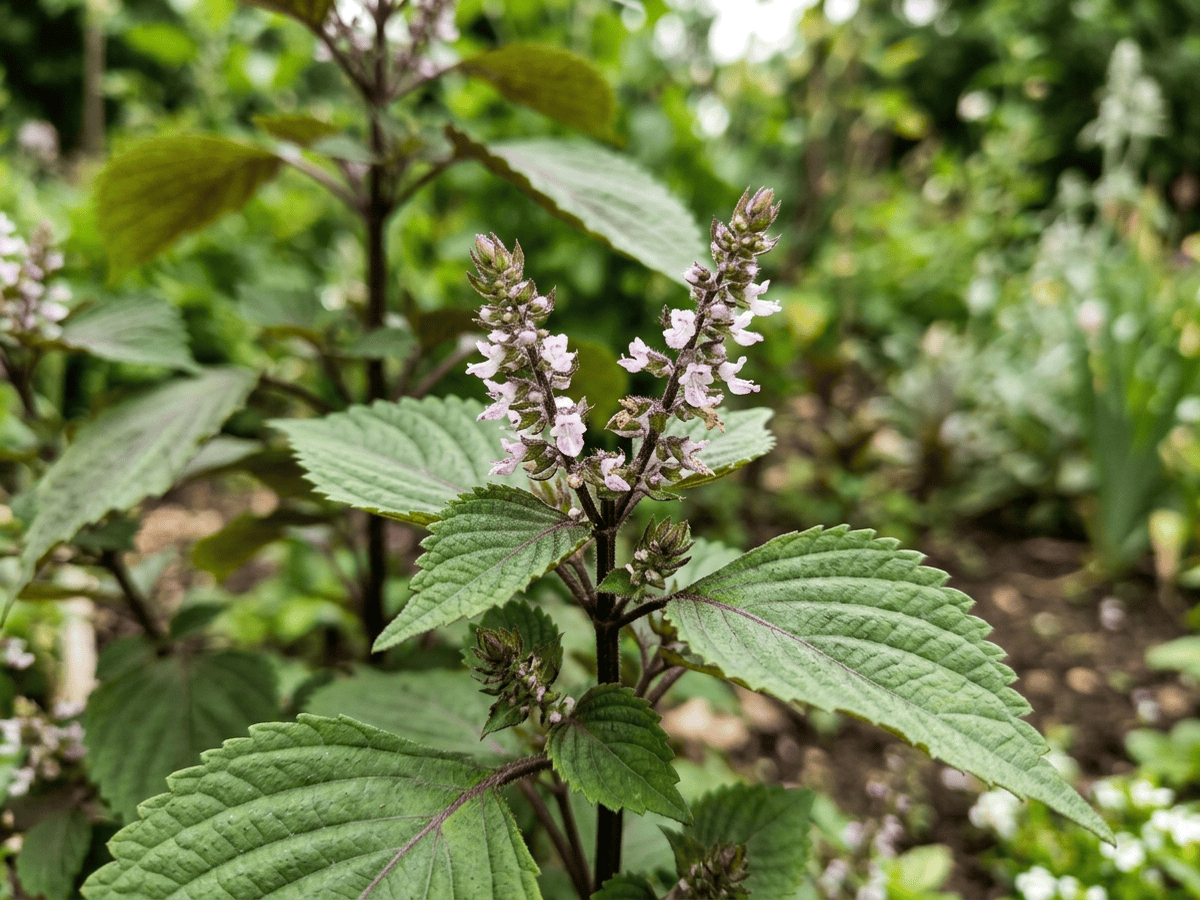
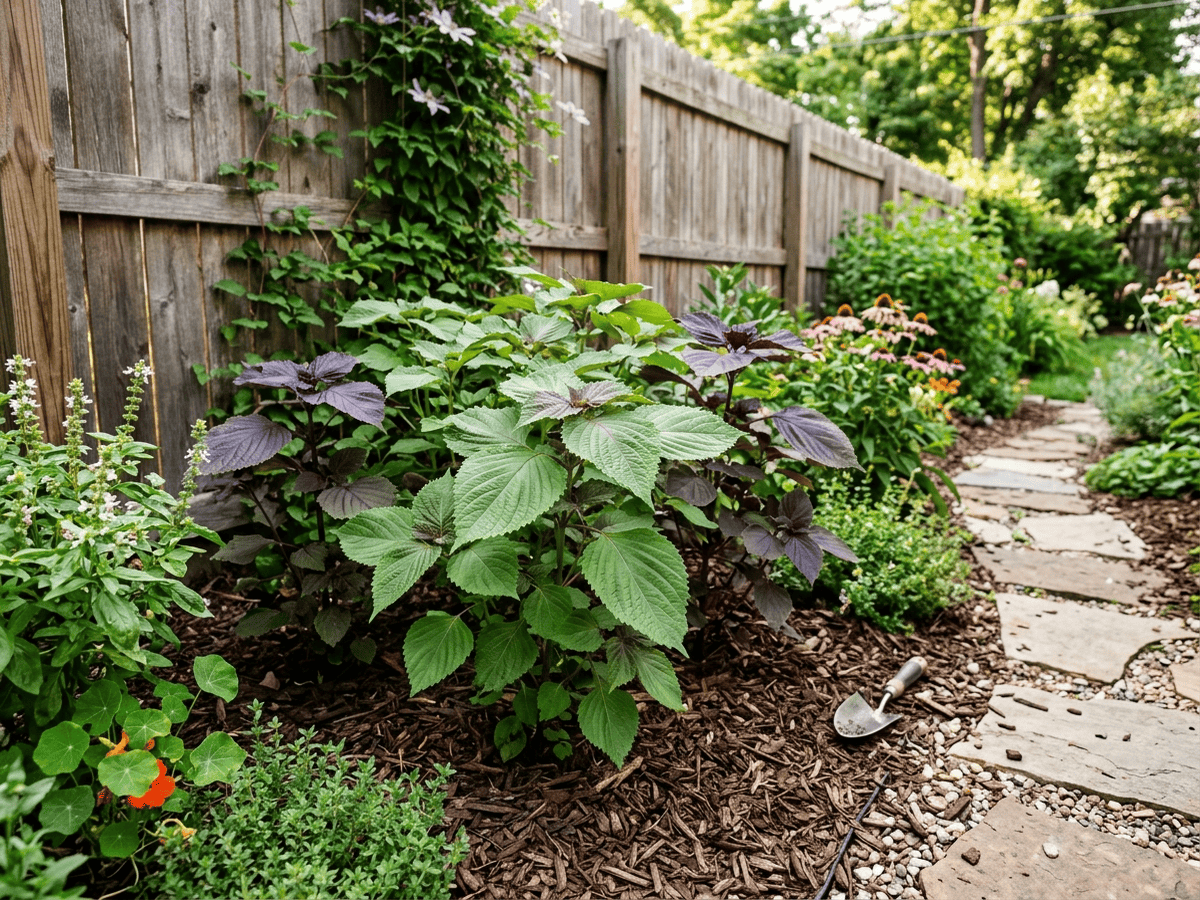
Perilla or Shiso is an East Asian annual herb reaching 2-3 feet tall with aromatic green or purple leaves and flavors blending mint, basil, and anise. A staple of Korean (kkaennip), Japanese (shiso), and Vietnamese cuisine—used as a wrap, garnish, pickle, or seasoning. Increasingly grown in American gardens as Asian cuisines become mainstream. Self-seeds readily and has naturalized as a weed in some southeastern states—deadhead to prevent spread.
- Edible
- Fragrant
How to care for Beefsteak Plant
Watering
- Springevery 3 days
- Summerevery 3 days
- Fallevery 5 days
- Winterpause watering
Soil · Rich & well-draining
- Top dressingCompost10%
- Main mixPotting soil + compost 3:180%
- DrainageGravel10%
Top up the compost layer each season.
FERTILIZER
Balanced Feed 14-14-14
An even feed covers all three needs at once, keeping leaves, roots and blooms moving together with nothing pushed out of balance.
- Nitrogen · Leaves
- Phosphorus · Roots + Blooms
- Potassium · Strength
- Springevery 30 days
- Summerevery 30 days
At a Glance
- NativeEast Asia, South Asia
- Height1.5–3 ft (0.5–0.9 m)
- Spread1–2 ft (0.3–0.6 m)
- Flower colorPink, White, Purple
- Foliage colorGreen, Purple
- SoilLoamy, Well-drained
- LocationsYard · Balcony
Bloom time
BLOOM CYCLE
Peak bloom
Jun–Nov
Small white-pink flower spikes in late summer to fall
Fragrance
STRONG FRAGRANCE
Distinctive anise-cinnamon-basil aroma with citrus notes.
Toxicity
Pets Moderate
perilla ketone (PA-ketones) and perillaldehyde
Not reported
EXPOSURE No exposure route is reported.
EFFECT No toxic effect is reported.
NOTE No human toxicity is reported in this catalog; avoid eating ornamental plants unless confirmed edible.
Moderate
- Leaf
- Flower
- Ingestion
EXPOSURE Eating leaves and flowers.
EFFECT Gastrointestinal upset and possible respiratory effects at high dose.
NOTE Fatal to cattle from PA-ketone-induced pulmonary edema; ASPCA lists as toxic to pets but culinary-safe for humans.
Moderate
- Leaf
- Flower
- Ingestion
EXPOSURE Eating leaves and flowers.
EFFECT Gastrointestinal upset.
NOTE Fatal to cattle from PA-ketone-induced pulmonary edema; ASPCA lists as toxic to pets but culinary-safe for humans.
Educational information, not medical or veterinary advice. If exposure is suspected, contact a doctor or veterinarian.
DISTRIBUTION

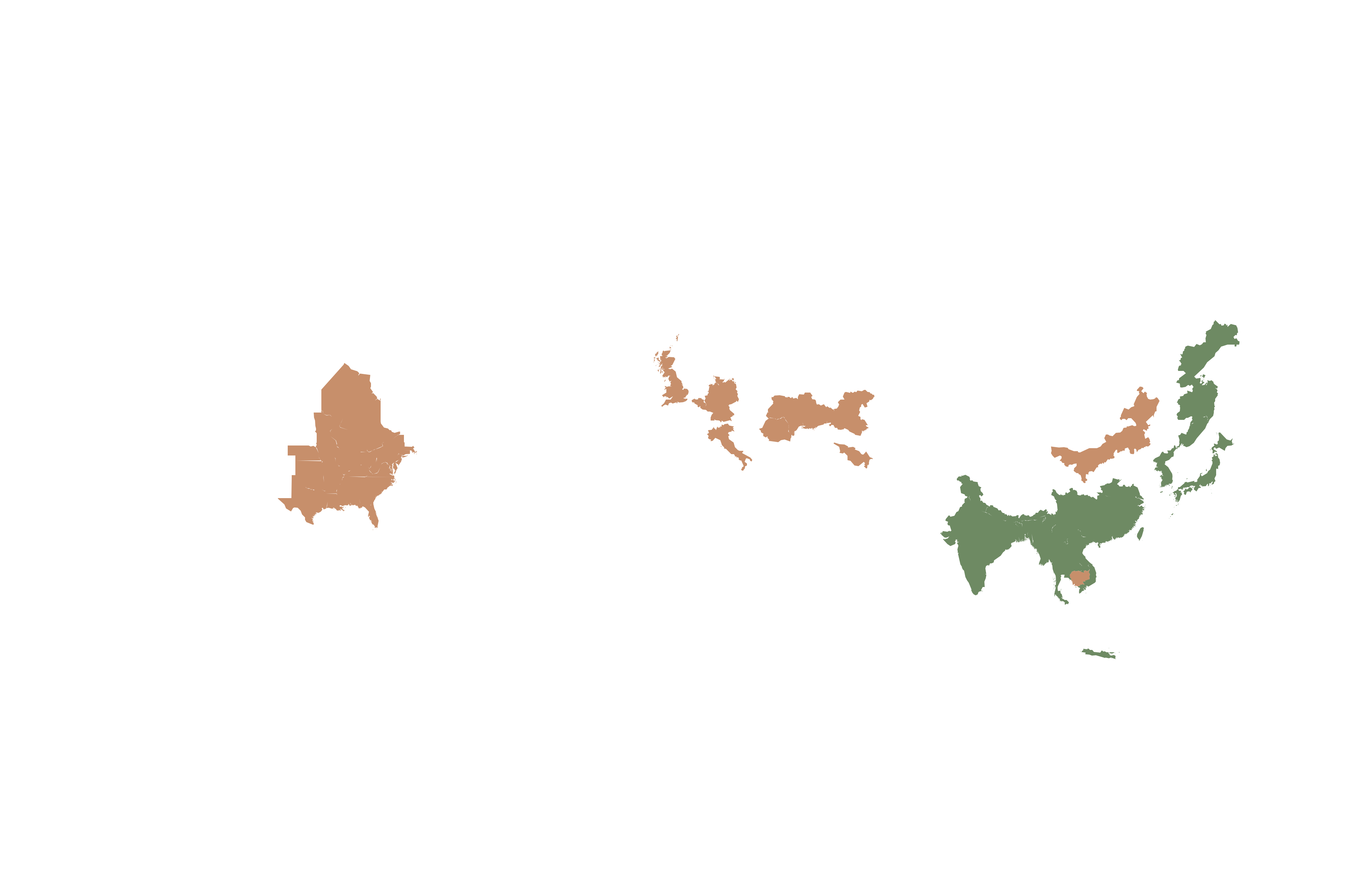
- Native
- Introduced
- East Asia
- South Asia
History
Perilla frutescens, commonly called shiso in Japan, deulkkae in Korea, tía tô in Vietnam, and sometimes beefsteak plant in English, is an annual aromatic herb in the mint family (Lamiaceae) native to the region of the Himalayas through central and southern China, Korea, Japan, and Southeast Asia. Carl Linnaeus originally described it as Ocimum frutescens in Species Plantarum in 1753; American botanist Nathaniel Lord Britton transferred it to Perilla in 1894. The species has been cultivated in East Asia for over 2000 years.
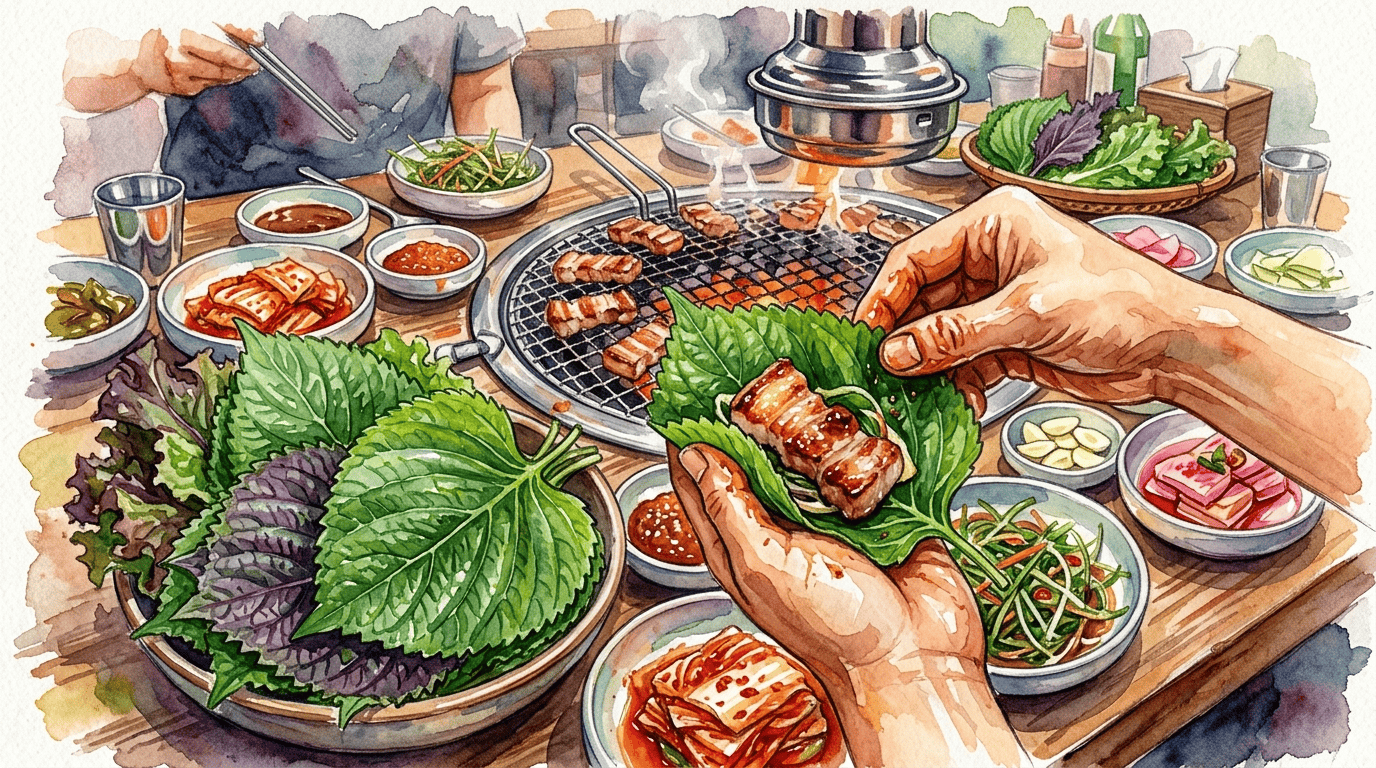
Plants grow 60-120 cm tall with wrinkled ovate strongly-scented leaves that vary between varieties: var. crispa (Japanese shiso) has ruffled edges in green ao-jiso or deep purple aka-jiso forms used for tempura, pickled plum umeboshi, and sashimi garnish; var. frutescens (Korean deulkkae) has smoother larger leaves used as wraps for samgyeopsal grilled pork. Seeds of var. frutescens are pressed for perilla oil, a Korean cooking oil.
Small pink-to-white flowers appear late summer. Naturalized as a weed across the southeastern United States but has become a sought-after ingredient as Korean BBQ and Japanese cuisine grow in American popularity. Contains perillaldehyde and PA-ketones—the latter cause acute lung toxicity in cattle but are not problematic for culinary use.
Symbolism & meaning
What It Symbolizes
Beefsteak Plant is contradiction in leaf form. Its purple-red foliage can look culinary, ornamental, or almost theatrical depending on where it is grown. In East Asian gardens and kitchens it carries the symbolism of bold flavor and bold color together, a plant that refuses to separate taste from appearance.
- Heritage — ancient East Asian culinary tradition
- Versatility — wraps, pickles, garnishes, seasonings, and oils
Where the Name Comes From
'Perilla' is from a vernacular name; 'frutescens' means shrubby.
Uses & Fun Facts
- Shiso leaves wrap sushi, garnish soups, and pickle umeboshi plums
- Crushed leaves release distinctive cumin-cinnamon-anise aroma
- Iconic Japanese and Korean culinary herb in regional cuisine
Related plants
Plants with similar care
 Chinese AbeliaAbelia chinensis
 Fragrant AbeliaAbelia mosanensis
 Large-Flowered AbeliaAbelia uniflora
 Glossy AbeliaAbelia x grandiflora
Frequently asked questions
How often should I water Beefsteak Plant?
Water about every 3 days during the growing season, and always let excess water drain away.
How much light does Beefsteak Plant need?
Full sun: 6+ hrs direct. Watch the leaves — scorching or stretching means the light needs adjusting.
Is Beefsteak Plant toxic to cats or dogs?
Pets Moderate (Dogs Moderate · Cats Moderate) Educational information, not medical or veterinary advice. If exposure is suspected, contact a doctor or veterinarian.
Is Beefsteak Plant easy to grow?
Yes — it is considered an easy, beginner-friendly plant.
When does Beefsteak Plant bloom?
It typically blooms Jun–Nov in the Northern Hemisphere.
YardMate
Identify any plant in seconds
Snap a photo — YardMate names the plant, diagnoses problems, and reminds you when to water.
Download on the App Store