 YardMate


Peach
Prunus persica
Medium · Some experienceAbout Peach
Prunus persica, the peach, is a deciduous tree in the Rosaceae family originating in China, despite its misleading epithet 'persica' (of Persia). Growing 3–6 m tall, peach trees produce spectacular pink blossoms in early spring and fuzzy, aromatic fruit with sweet, juicy flesh surrounding a hard pit (stone). Yellow-fleshed and white-fleshed varieties exist, along with smooth-skinned nectarines (a naturally occurring mutation).
Peaches require 200–1000 chill hours (depending on variety) and thrive in USDA zones 5–9. They need full sun, well-drained soil, and protection from late spring frosts that damage blossoms. The trees are relatively short-lived (15–20 years) and require annual pruning to maintain an open-vase shape. Unlike apples and pears, most peach varieties are self-fertile.
A tree-ripened peach—warm from the sun, dripping with juice—is an unparalleled fruit experience and the main reason to grow your own; commercial peaches are picked rock-hard for shipping. Peaches are rich in vitamins A and C, potassium, and polyphenol antioxidants. They star in Southern US culture (Georgia is the 'Peach State'), Chinese art (symbol of immortality), and global cuisine: peach cobbler, Bellini cocktails, peach Melba, and Chinese peach buns.
- Edible
How to care for Peach
Watering
- Springevery 5 days
- Summerevery 4 days
- Fallevery 7 days
- Winterevery 14 days
Soil · Well-draining
- Top dressingPine bark mulch10%
- Main mixPotting soil + perlite 2:170%
- DrainageLECA / gravel20%
Never skip the drainage layer — standing water is the top cause of root rot.
FERTILIZER
Balanced Feed 14-14-14
An even feed covers all three needs at once, keeping leaves, roots and blooms moving together with nothing pushed out of balance.
- Nitrogen · Leaves
- Phosphorus · Roots + Blooms
- Potassium · Strength
- Springevery 30 days
- Summerevery 30 days
- Fallevery 45 days
At a Glance
- NativeEast Asia
- Height15–25 ft (4.6–7.6 m)
- Spread15–25 ft (4.6–7.6 m)
- Flower colorPink, White
- Foliage colorGreen
- Fruit colorOrange
- SoilLoamy, Well-drained
- LocationsYard
Bloom time
BLOOM CYCLE
Peak bloom
Mar–Apr
Gorgeous pink blossoms in early spring; protect from late frost with fabric covers if needed.
Fragrance
MODERATE FRAGRANCE
Sweet spring blossom scent; ripe fruit with iconic peach aroma from gamma-decalactone and other compounds.
Toxicity
Humans Slight · Pets Moderate
amygdalin
Slight
- Seed
- Leaf
- Ingestion
EXPOSURE Eating seeds and leaves.
EFFECT Seeds (in the stone) contain amygdalin releasing cyanide and flesh safe.
NOTE Documented concern for humans: Seeds (in the stone) contain amygdalin releasing cyanide and flesh safe.
Moderate
- Seed
- Leaf
- Stem
- Ingestion
EXPOSURE Eating seeds, leaves, and stems.
EFFECT Cyanogenic glycosides and also stone can cause intestinal obstruction.
NOTE ASPCA lists Prunus persica as toxic to pets (stones, leaves, stems). Flesh safe.
Moderate
- Seed
- Leaf
- Stem
- Ingestion
EXPOSURE Eating seeds, leaves, and stems.
EFFECT Cyanogenic glycosides.
NOTE ASPCA lists Prunus persica as toxic to pets (stones, leaves, stems). Flesh safe.
Educational information, not medical or veterinary advice. If exposure is suspected, contact a doctor or veterinarian.
DISTRIBUTION


- Native
- Introduced
- East Asia
History
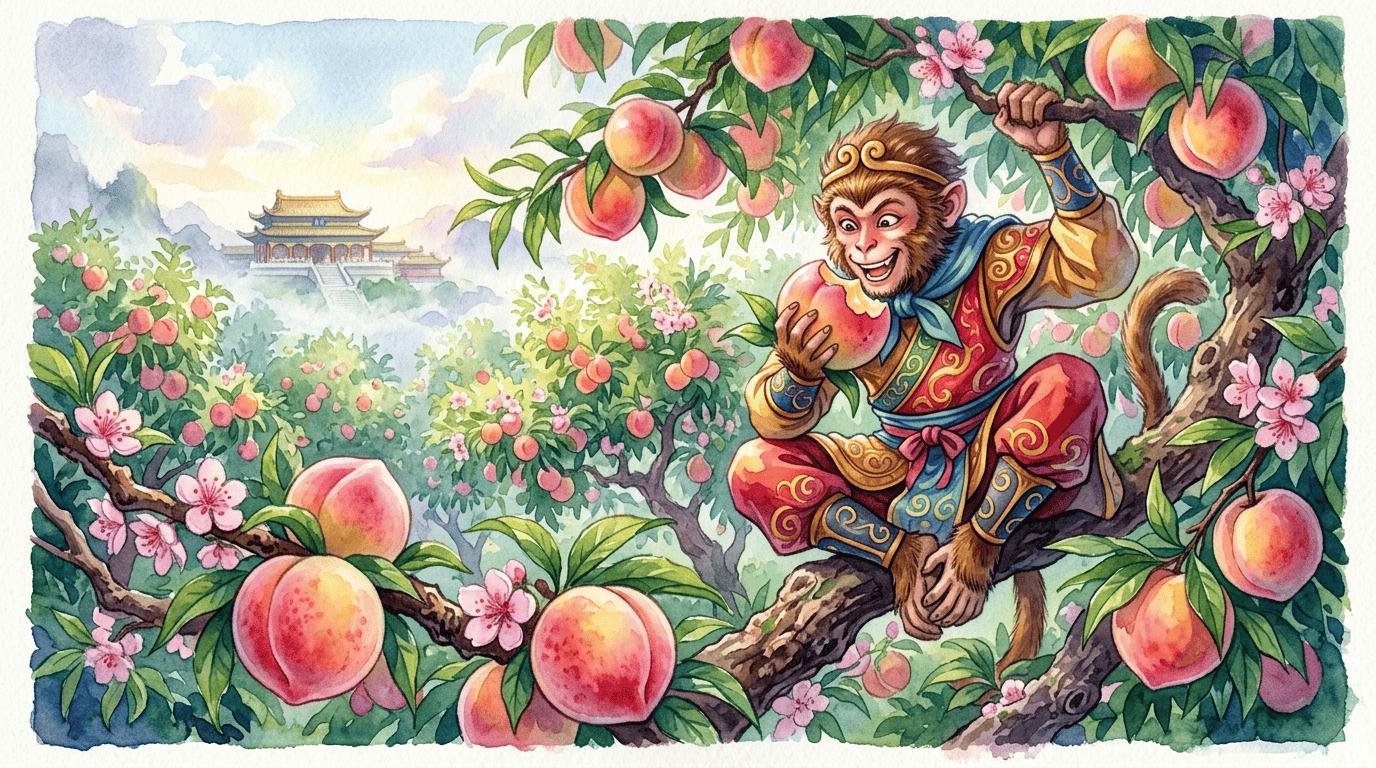
Prunus persica is native to China, not Persia, despite its scientific name. Archaeological evidence from the Yangtze River valley places peach cultivation in China at least 6,000 years ago, and modern genetic studies confirm Chinese origin. Peaches feature centrally in Chinese mythology — the Queen Mother of the West (Xi Wangmu) grows the peaches of immortality in her heavenly orchard, ripening only once every 3,000 years; Sun Wukong (the Monkey King) famously stole and ate them in the 16th-century novel Journey to the West. Peaches reached Persia via the Silk Road around the 1st century BCE, and from Persia to Greece around the time of Alexander.
Roman authors including Pliny the Elder named the plant "Persian apple" (malum persicum), believing Persia was the origin. This misidentification stuck in the Latin species name when Linnaeus codified it in 1753. Peaches reached the Americas via Spanish colonists in the 16th century.
Modern cultivation is dominated by China (over 60% of global production), with major production also in Italy, Spain, the US (Georgia, California), Greece, and Turkey. Domesticated in China 4,000+ years ago, the peach is a central symbol in Chinese art and mythology — the Peach of Immortality in the Jade Emperor's garden. It reached Persia via the Silk Road (hence 'persica'), then Rome by 1st century AD. Spanish missionaries brought peaches to the Americas. Georgia became the 'Peach State' in the 19th century.
Symbolism & meaning
What It Symbolizes
Peach expresses immortality — in Chinese mythology, the Peach of Immortality grants eternal life, and peaches widely symbolize longevity and vitality at birthdays and New Year. It also carries sensuality, the soft, fragrant, juicy fruit long standing for earthly pleasure and beauty. Few fruits balance the eternal and the deeply pleasurable quite so easily in the same bite.
- Immortality — In Chinese mythology, the Peach of Immortality grants eternal life — peaches symbolize longevity and vitality
- Sensuality — The soft, fragrant, juicy fruit has long symbolized earthly pleasure and beauty
Where the Name Comes From
Prunus is Latin for plum tree (the genus includes plums, cherries, and peaches); 'persica' means of Persia, a geographical misnomer — the tree originated in China.
Uses & Fun Facts
- Juicy Peaches eaten fresh, canned, baked, and preserved
- Pink spring blossoms carry a delicate sweet scent
- Profuse pink blossoms before leafout brighten spring gardens
- Symbol of longevity in Chinese mythology and art
Related plants
More Prunus plants

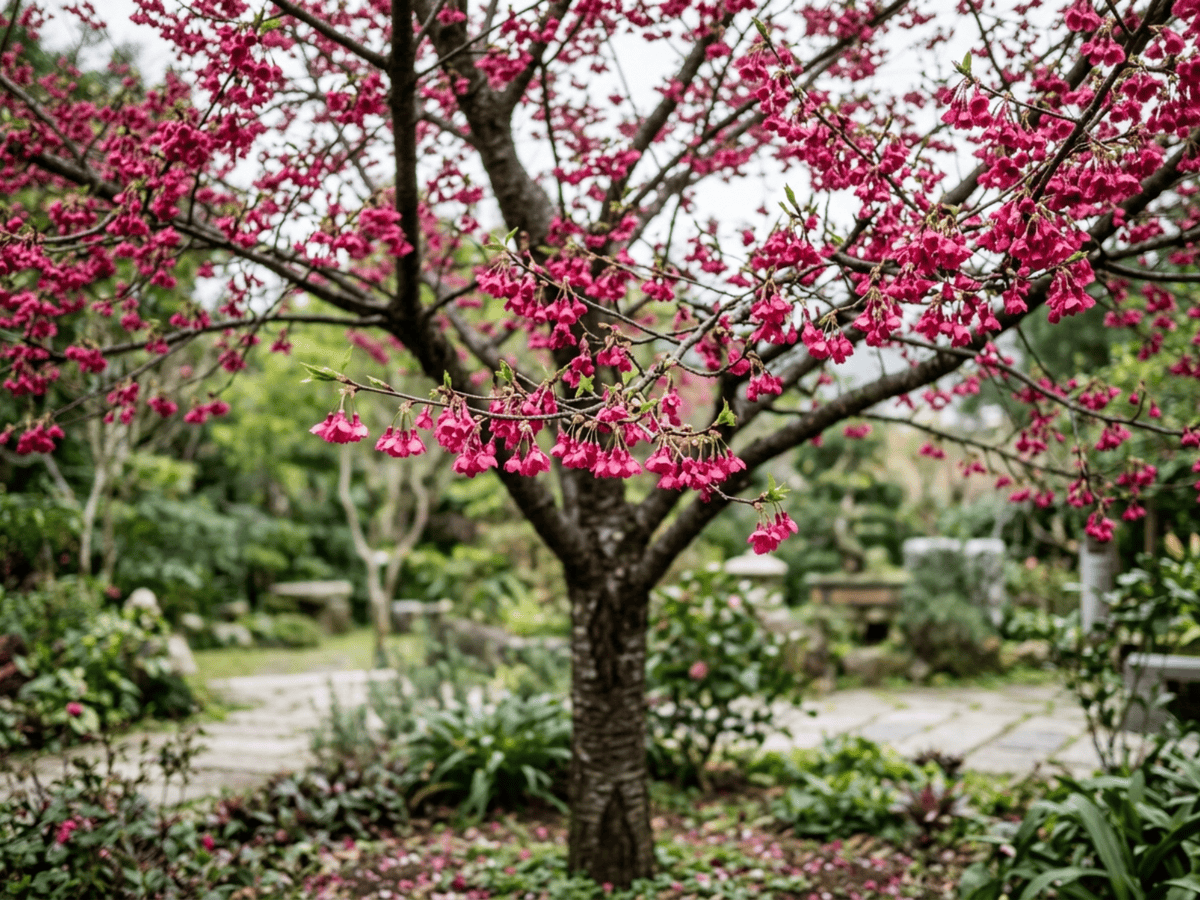


Plants with similar care
 Mexican AbeliaAbelia floribunda
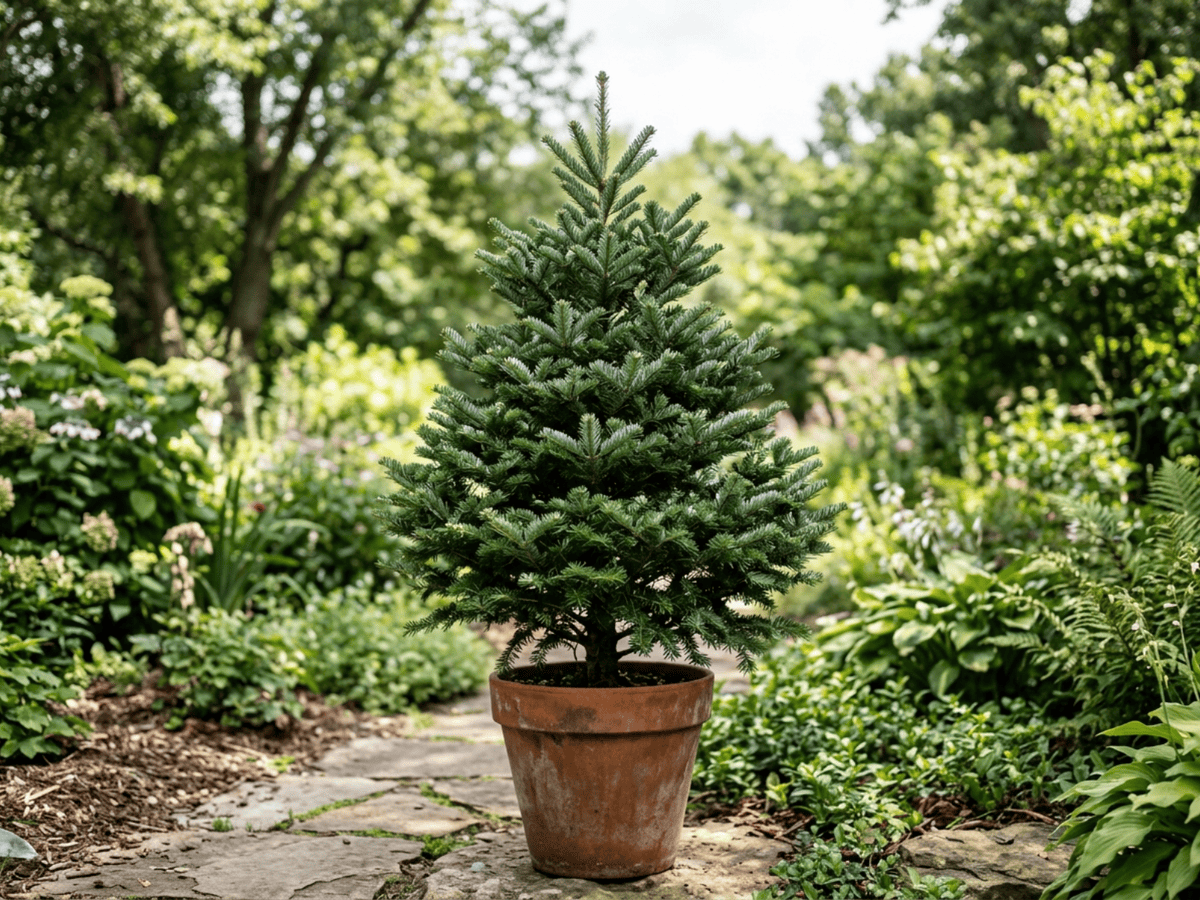 Fraser FirAbies fraseri
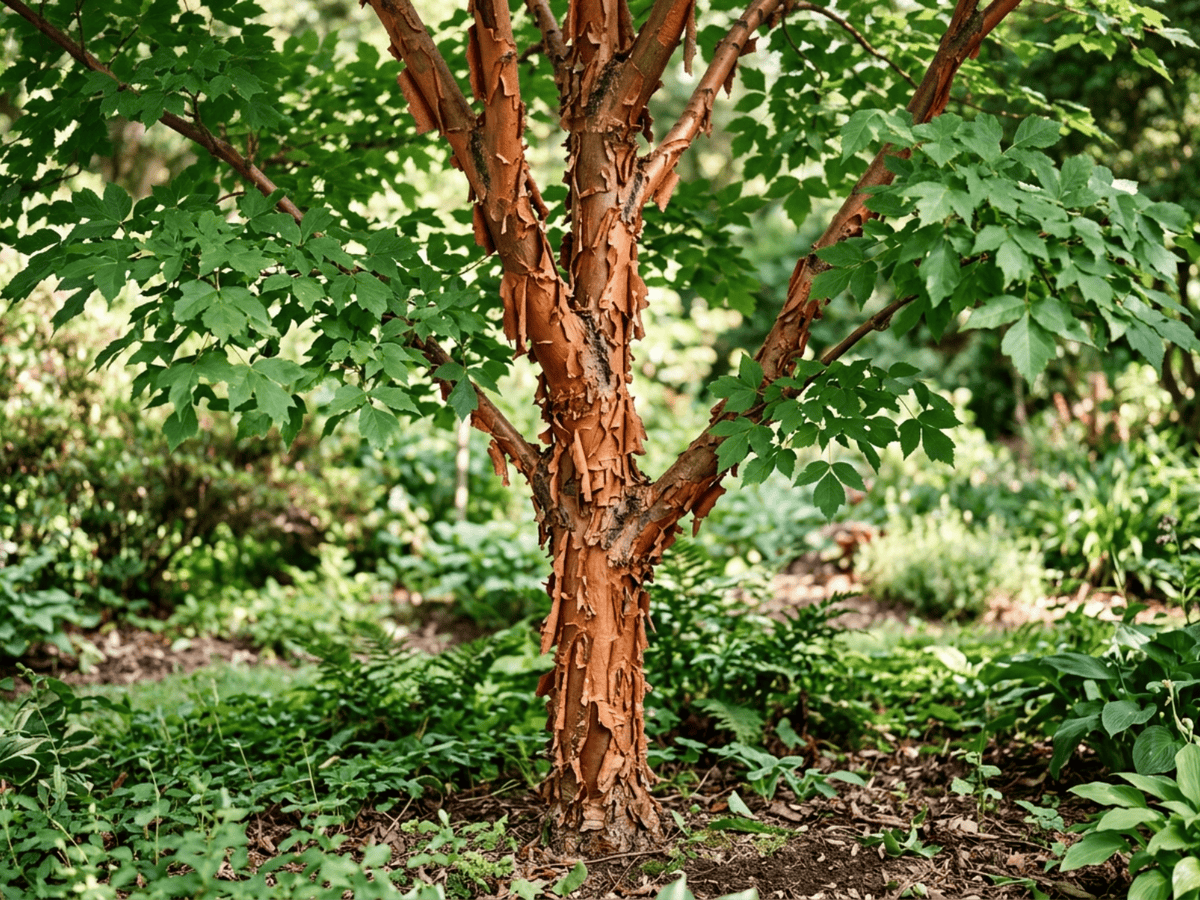 Paperbark MapleAcer griseum
 Sugar MapleAcer saccharum
Frequently asked questions
How often should I water Peach?
In summer, water about every 4 days; in winter, about every 14 days. Adjust for heat, pot size and drainage.
How much light does Peach need?
Full sun: 6+ hrs direct. Watch the leaves — scorching or stretching means the light needs adjusting.
Is Peach toxic to cats or dogs?
Pets Moderate (Dogs Moderate · Cats Moderate) Educational information, not medical or veterinary advice. If exposure is suspected, contact a doctor or veterinarian.
Is Peach easy to grow?
It is moderately demanding: a good choice once you have a little experience.
When does Peach bloom?
It typically blooms Mar–Apr in the Northern Hemisphere.
YardMate
Identify any plant in seconds
Snap a photo — YardMate names the plant, diagnoses problems, and reminds you when to water.
Download on the App Store