 YardMate


Endive
Cichorium endivia
Easy · Beginner friendlyAbout Endive
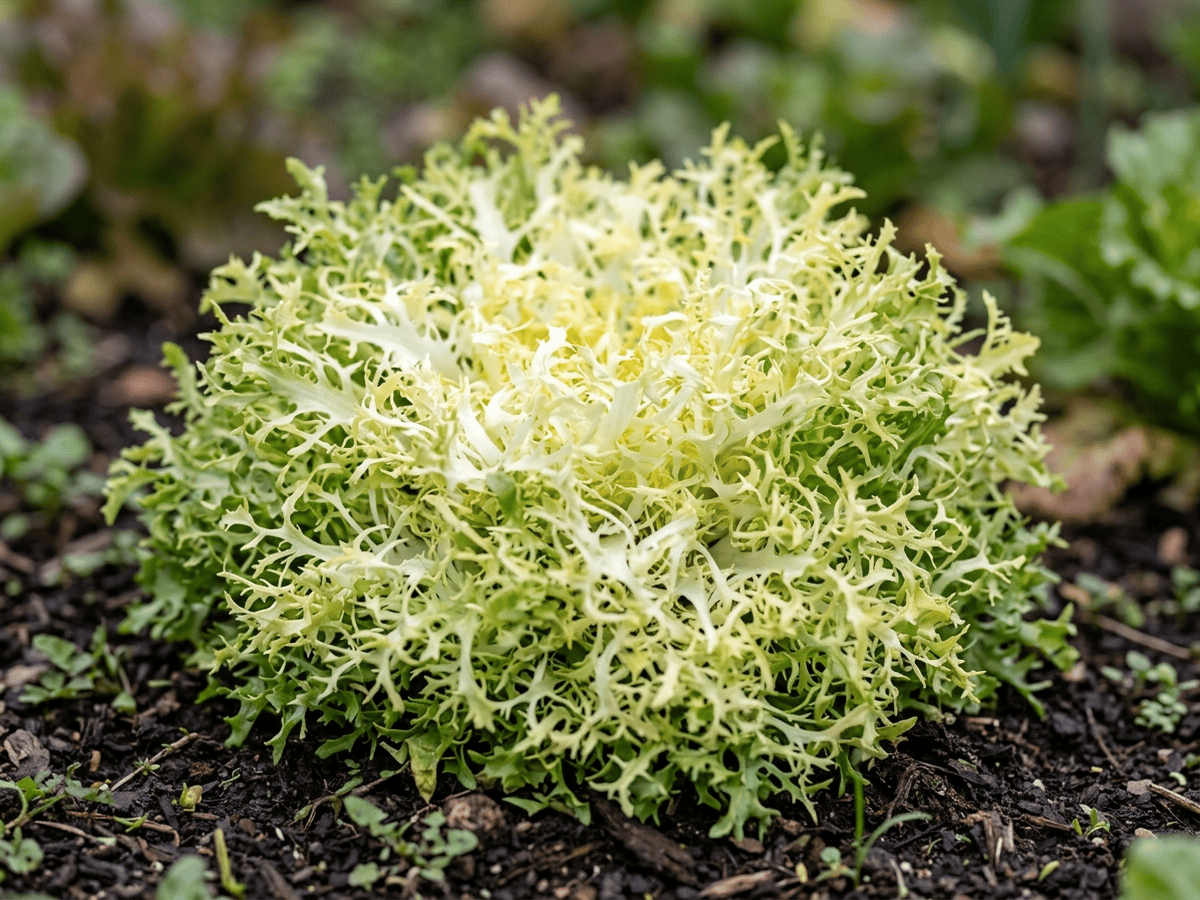
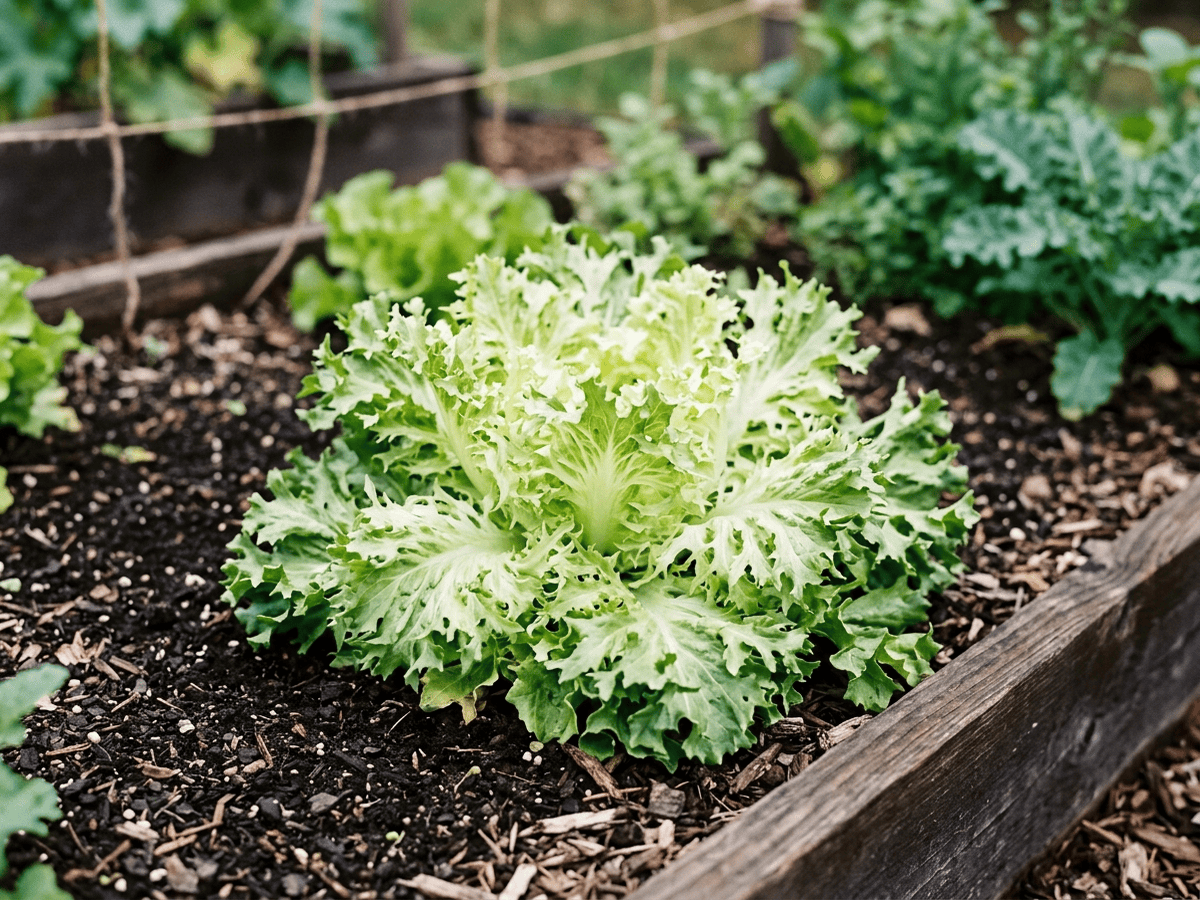
Endive or Escarole is a Mediterranean leafy vegetable closely related to chicory, grown as a cool-season annual. The narrow curly-leaved form 'frisée' and the broad-leaved 'escarole' are both popular in salads, stews, and Italian cuisine. Forms a low rosette of green leaves with a pleasantly bitter flavor that mellows when cooked. Increasingly grown in American gardens as part of the heirloom-vegetable revival and Mediterranean cooking trends.
- Edible
- Container-friendly
How to care for Endive
Watering
- Springevery 5 days
- Summerevery 5 days
- Fallevery 7 days
- Winterevery 14 days
Soil · Rich & well-draining
- Top dressingCompost10%
- Main mixPotting soil + compost 3:180%
- DrainageGravel10%
Top up the compost layer each season.
FERTILIZER
Balanced Feed 14-14-14
An even feed covers all three needs at once, keeping leaves, roots and blooms moving together with nothing pushed out of balance.
- Nitrogen · Leaves
- Phosphorus · Roots + Blooms
- Potassium · Strength
- Springevery 30 days
- Summerevery 30 days
At a Glance
- NativeMediterranean
- Height0.8–1.5 ft (0.2–0.5 m)
- Spread0.8–1.5 ft (0.2–0.5 m)
- Flower colorBlue
- Foliage colorGreen
- SoilLoamy, Well-drained, Rich
- LocationsYard · Balcony
Bloom time
BLOOM CYCLE
Peak bloom
Jun–Aug
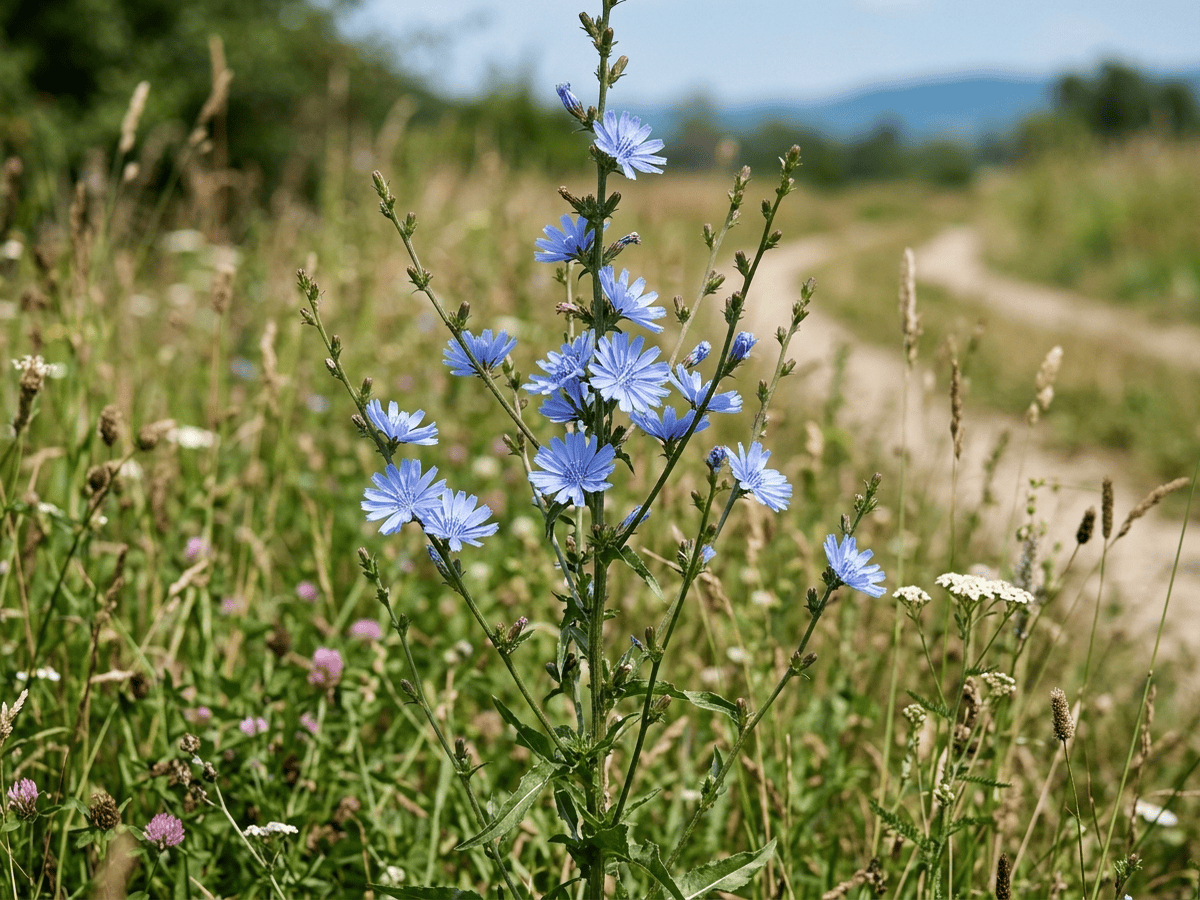
Blue flowers if allowed to bolt (typically harvested before)
Toxicity
Humans Safe · Pets Safe
None reported
Safe
EXPOSURE No exposure route is reported.
EFFECT No toxic effect is reported.
NOTE Listed as non-toxic for humans; avoid eating ornamental plants unless confirmed edible.
Safe
EXPOSURE No exposure route is reported.
EFFECT No toxic effect is reported.
NOTE Listed as non-toxic for dogs; avoid eating ornamental plants unless confirmed edible.
Safe
EXPOSURE No exposure route is reported.
EFFECT No toxic effect is reported.
NOTE Listed as non-toxic for cats; avoid eating ornamental plants unless confirmed edible.
Educational information, not medical or veterinary advice. If exposure is suspected, contact a doctor or veterinarian.
DISTRIBUTION


- Native
- Introduced
- Mediterranean
History

Cichorium endivia, commonly called endive and escarole (both referring to the same species in different leaf forms), is an annual or biennial salad chicory in the aster family (Asteraceae) native to the eastern Mediterranean and western Asia. Carl Linnaeus described it in Species Plantarum in 1753. The species differs from the closely related C. intybus in lacking the large taproot and producing rosettes of tender leaves suitable for salad use.
Two main botanical varieties are cultivated: var. crispum (curly endive, frisée, chicorée frisée) with narrow finely cut deeply serrated curly leaves forming loose rosettes with blanched pale inner hearts; and var. latifolium (escarole, scarole, chicorée scarole) with broader less divided paddle-shaped leaves forming larger tighter rosettes, also typically blanched at heart. Both varieties have been cultivated in the Mediterranean since antiquity—mentioned by Greek writers Theophrastus and Dioscorides, and described by Columella in the Roman agricultural treatise De Re Rustica. Modern cultivation thrives as cool-season crop; cold weather mellows the characteristic slight bitterness.
Key ingredient in escarole and bean soup, French salads, and Italian cuisine. The blanched curly 'frisée' form is essential in classic French salade lyonnaise; the broad escarole is a staple of Italian-American minestrone and braised greens. Increasingly grown in cool-season American kitchen gardens.
Symbolism & meaning
What It Symbolizes
Endive offers refinement on the plate, its pleasant bitterness the mark of a sophisticated palate trained beyond pure sweetness. Across France and Italy it carries deep culinary heritage — frisée in a Lyonnais salad, escarole in a Roman soup, the bitter green that anchors a meal. To choose its is to align with a long Mediterranean tradition that understands bitterness as a virtue, not a flaw.
- Refinement — pleasant bitterness for sophisticated palates
- Heritage — essential green of French and Italian cuisine
Where the Name Comes From
'Endivia' from medieval Latin, possibly from the Egyptian 'tybi'.
Uses & Fun Facts
- Bitter rosette leaves used in salads, soups, and Italian cooking
- Cool-season leafy crop fits raised beds and patio pots
Related plants
More Cichorium plants
Plants with similar care
 Chinese AbeliaAbelia chinensis
 Fragrant AbeliaAbelia mosanensis
 Large-Flowered AbeliaAbelia uniflora
 Glossy AbeliaAbelia x grandiflora
Frequently asked questions
How often should I water Endive?
In summer, water about every 5 days; in winter, about every 14 days. Adjust for heat, pot size and drainage.
How much light does Endive need?
Full sun: 6+ hrs direct. Watch the leaves — scorching or stretching means the light needs adjusting.
Is Endive toxic to cats or dogs?
Pets Safe (Dogs Safe · Cats Safe) Educational information, not medical or veterinary advice. If exposure is suspected, contact a doctor or veterinarian.
Is Endive easy to grow?
Yes — it is considered an easy, beginner-friendly plant.
When does Endive bloom?
It typically blooms Jun–Aug in the Northern Hemisphere.
YardMate
Identify any plant in seconds
Snap a photo — YardMate names the plant, diagnoses problems, and reminds you when to water.
Download on the App Store