 YardMate


Sweet Basil
Ocimum basilicum
Easy · Beginner friendlyAbout Sweet Basil
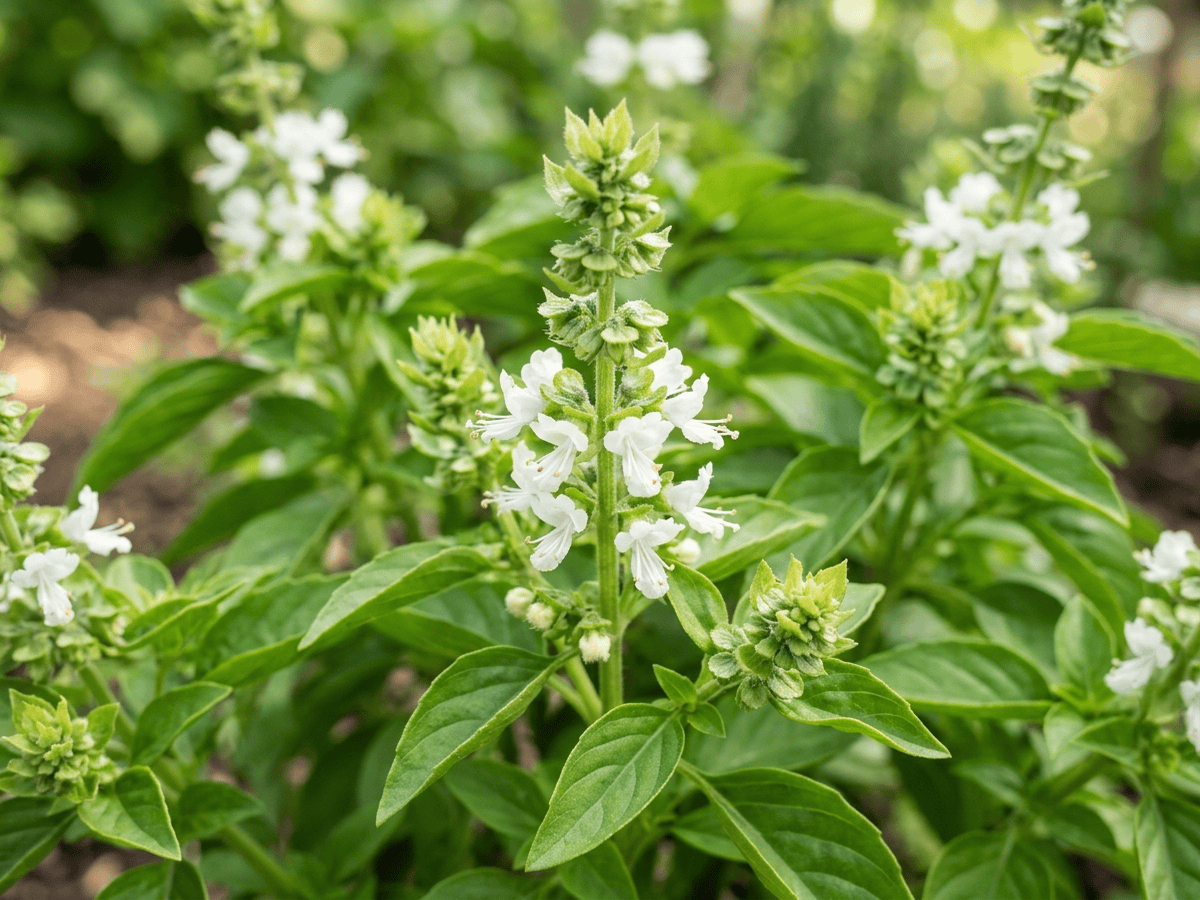
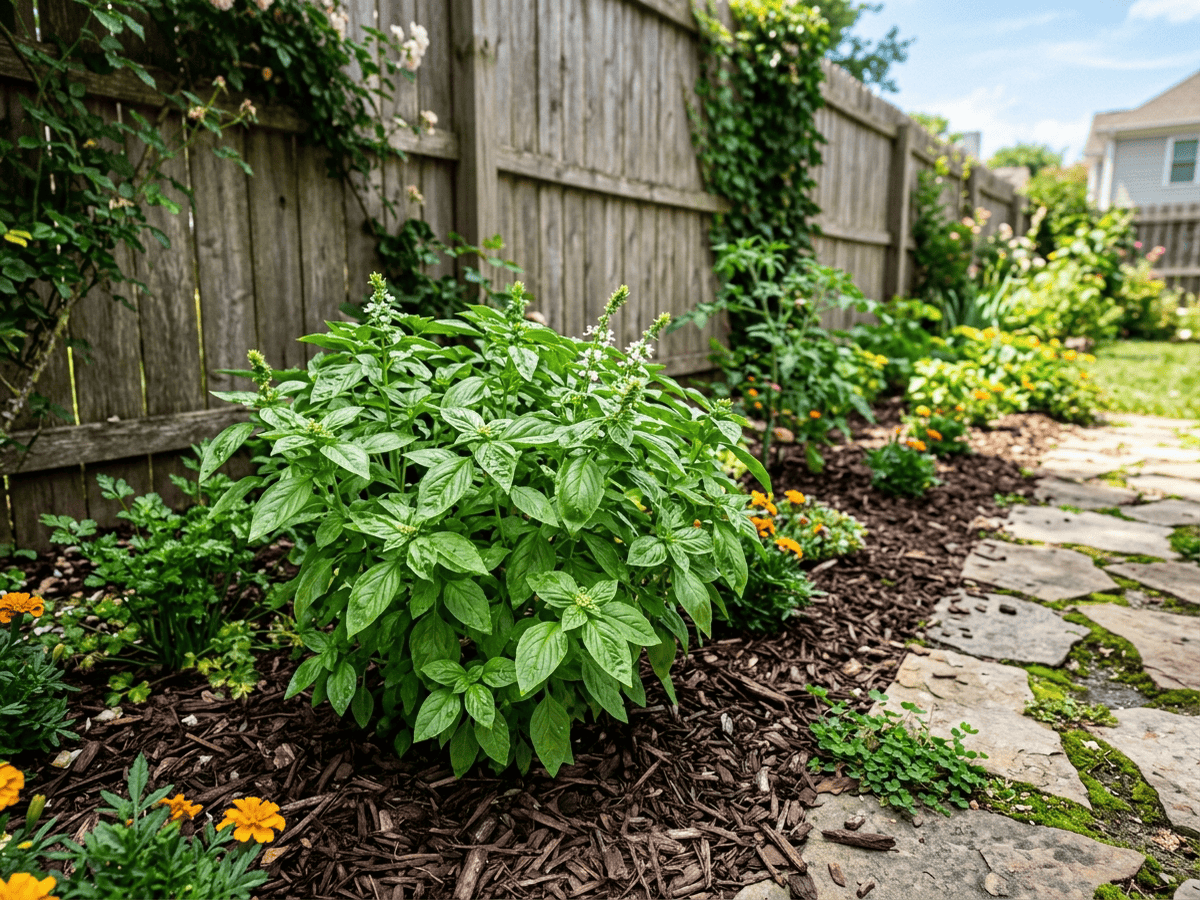
Sweet Basil is an aromatic herb from tropical Asia that has become indispensable in kitchens worldwide, especially in Italian and Thai cuisines. Its glossy green leaves release an intense, warm-spicy fragrance when brushed. Fast-growing in warm weather, it can go from seed to harvest in just six weeks. Pinching off flower buds keeps the plant bushy and prolongs the harvest of flavorful leaves throughout summer.
- Edible
- Fragrant
- Pollinator-friendly
How to care for Sweet Basil
Watering
- Springevery 2 days
- Summerevery 2 days
- Fallevery 3 days
- Winterevery 5 days
Soil · Rich & well-draining
- Top dressingCompost10%
- Main mixPotting soil + compost 3:180%
- DrainageGravel10%
Top up the compost layer each season.
FERTILIZER
Balanced Feed 14-14-14
An even feed covers all three needs at once, keeping leaves, roots and blooms moving together with nothing pushed out of balance.
- Nitrogen · Leaves
- Phosphorus · Roots + Blooms
- Potassium · Strength
- Springevery 14 days
- Summerevery 14 days
- Fallevery 21 days
At a Glance
- NativeSouth Asia, Southeast Asia, Africa
- Height1–2 ft (0.3–0.6 m)
- Spread0.5–1.5 ft (0.2–0.5 m)
- Flower colorWhite, Purple, Pink
- Foliage colorGreen, Purple
- SoilLoamy, Well-drained, Rich
- LocationsYard · Balcony · Indoor
Bloom time
BLOOM CYCLE
Peak bloom
Jun–Aug
Pinch to delay
Fragrance
STRONG FRAGRANCE
Iconic sweet-anise-clove aroma from leaves; central to Mediterranean and Southeast Asian cuisines.
Toxicity
Humans Safe · Pets Safe
methyl eugenol (in some cultivars) and linalool
Safe
EXPOSURE No exposure route is reported.
EFFECT Culinary herb consumed worldwide and no significant toxicity.
NOTE Listed as non-toxic for humans; avoid eating ornamental plants unless confirmed edible.
Safe
EXPOSURE No exposure route is reported.
EFFECT Not listed as toxic.
NOTE Listed as non-toxic for dogs; avoid eating ornamental plants unless confirmed edible.
Safe
EXPOSURE No exposure route is reported.
EFFECT Not listed as toxic.
NOTE Listed as non-toxic for cats; avoid eating ornamental plants unless confirmed edible.
Educational information, not medical or veterinary advice. If exposure is suspected, contact a doctor or veterinarian.
DISTRIBUTION

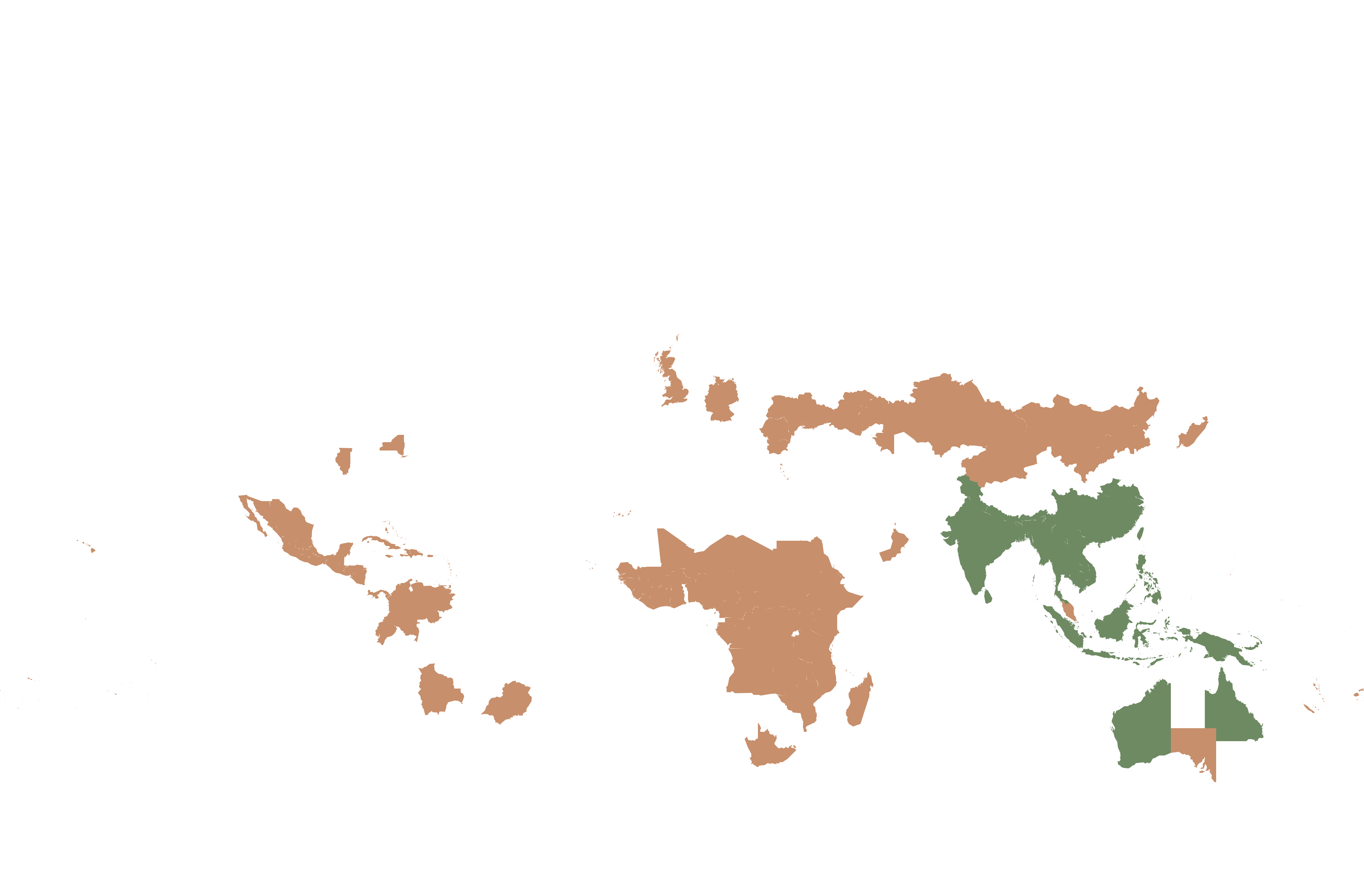
- Native
- Introduced
- South Asia
- Southeast Asia
- Africa
History
Ocimum basilicum is native to tropical regions from central Africa to Southeast Asia, with its domestication probably centered on India, where it has been cultivated for at least 5,000 years. It reached the Mediterranean via Persian and Arab trade routes, and by the classical Greek period (4th century BCE) it was widely grown around the eastern Mediterranean — though Greek tradition viewed it suspiciously, associating it with poverty and scorpions. Latin Christian tradition later reversed this perception: the name basilicum derives from Greek "basilikos" (royal), and medieval herbals associated it with kingship and holy water (basilica-blessing).
It became fundamental to Italian cuisine, particularly in Genovese pesto (documented mid-19th century) and Neapolitan tomato dishes. Thai, Vietnamese, Indian, and Indonesian cuisines use distinct cultivars — Thai basil, holy basil (tulsi, O. tenuiflorum), and lemon basil serving different culinary roles. Over 60 named cultivars are grown commercially.
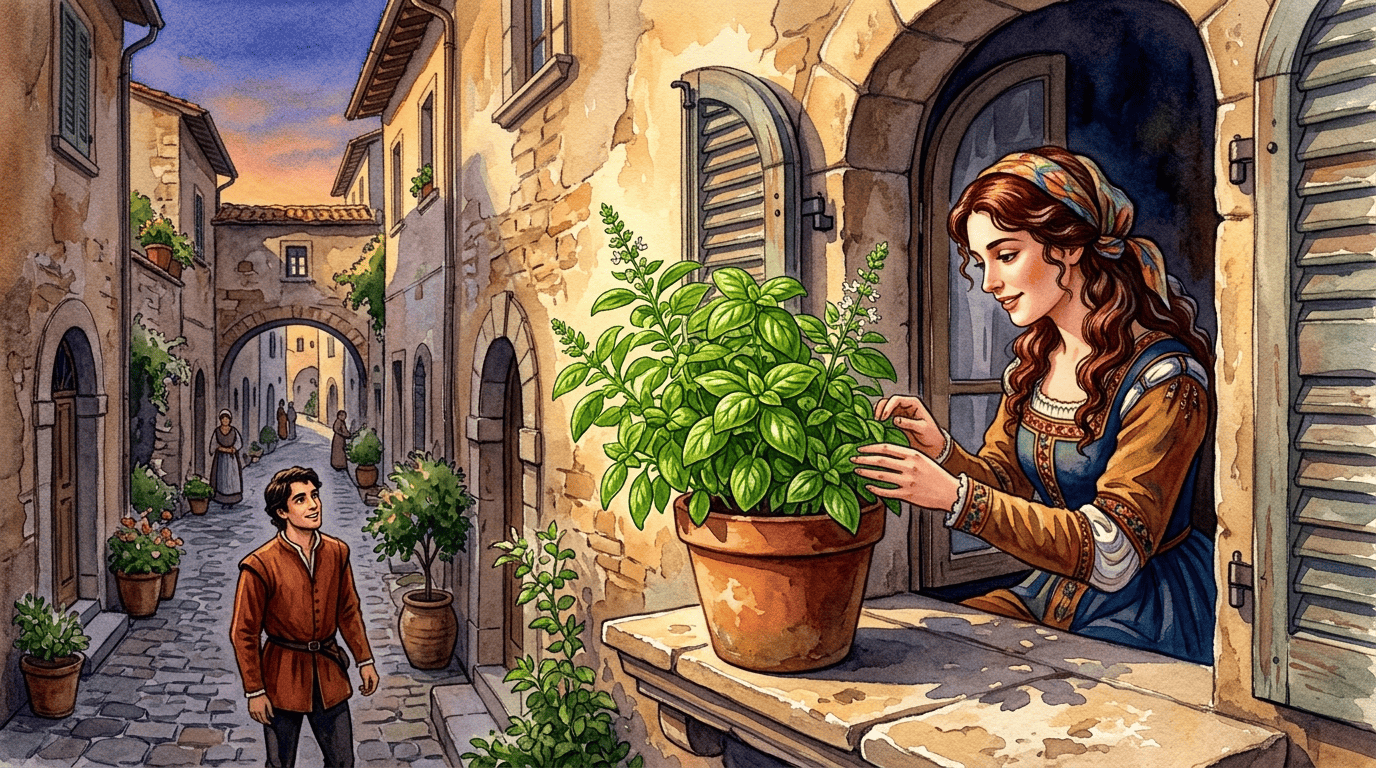
In Hindu tradition, basil (Tulsi) is sacred to Vishnu and is planted in every household as a symbol of divine protection. Ancient Egyptians used it in embalming. In Italy, basil placed on a windowsill signals a woman is ready to receive her suitor — a tradition from Renaissance courtship. The French call it 'herbe royale' (royal herb). In Greek, 'basilikon' means 'royal,' suggesting it was reserved for kings.
Symbolism & meaning
What It Symbolizes
Sweet basil is the herb of devotion, sacred in Hindu households as Tulsi, planted in courtyards and tended daily as an embodiment of faithful love and household blessing. Its very name reaches further: from the Greek basileus, meaning king — the herb of royalty, reserved historically for the elite. Few culinary plants carry this much sanctity into the everyday tomato sauce.
- Devotion — sacred herb representing faithful love in Hindu culture
- Royalty — name means 'king of herbs' — reserved for the elite
Where the Name Comes From
'Ocimum' from Greek 'okimon' meaning aromatic herb. 'Basilicum' from Greek 'basilikon' meaning royal or kingly — it was considered the king of herbs.
Uses & Fun Facts
- Aromatic leaves used fresh in pesto, caprese, and Thai dishes
- Sweet clove-anise scent released when foliage is brushed
- Small white flower spikes draw bees when plants bolt
- Productive culinary herb ideal for kitchen patio pots
Related plants
More Ocimum plants
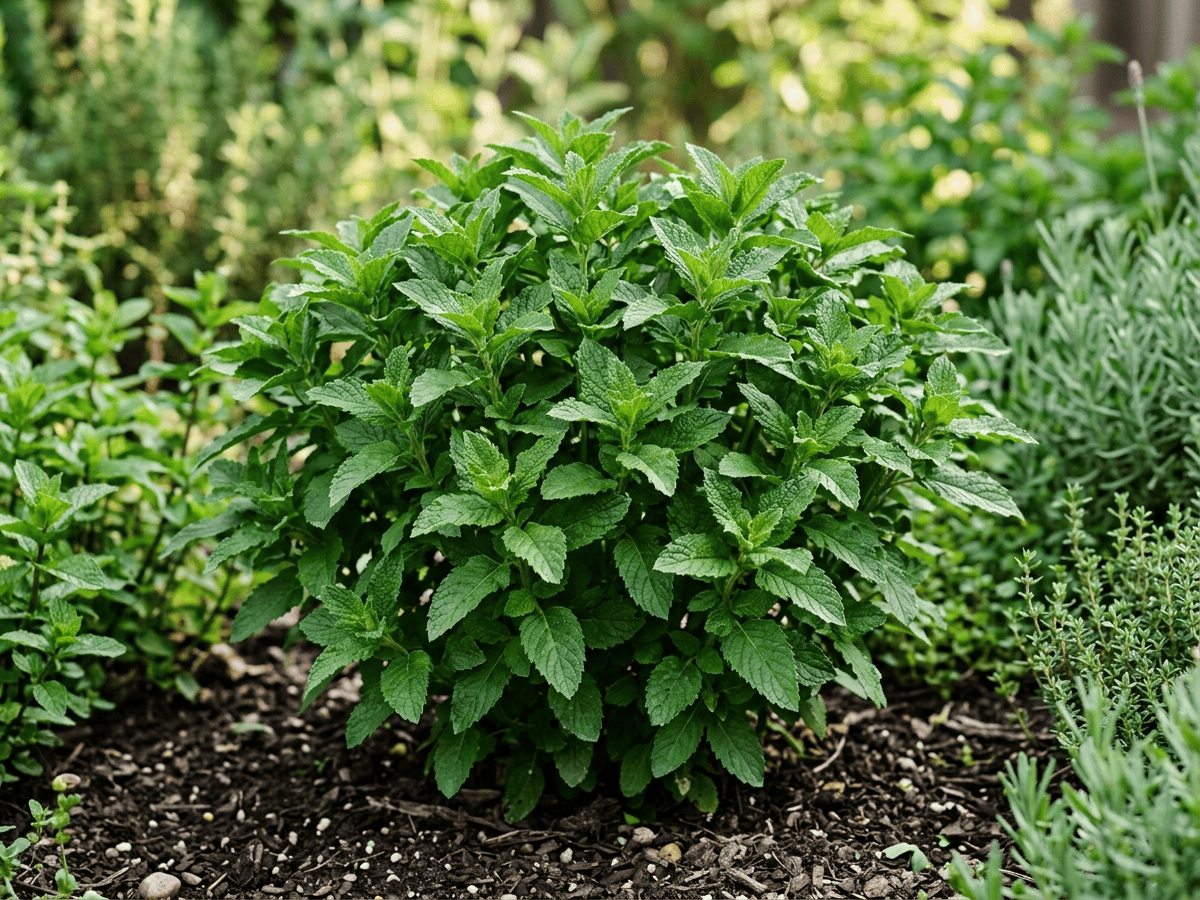
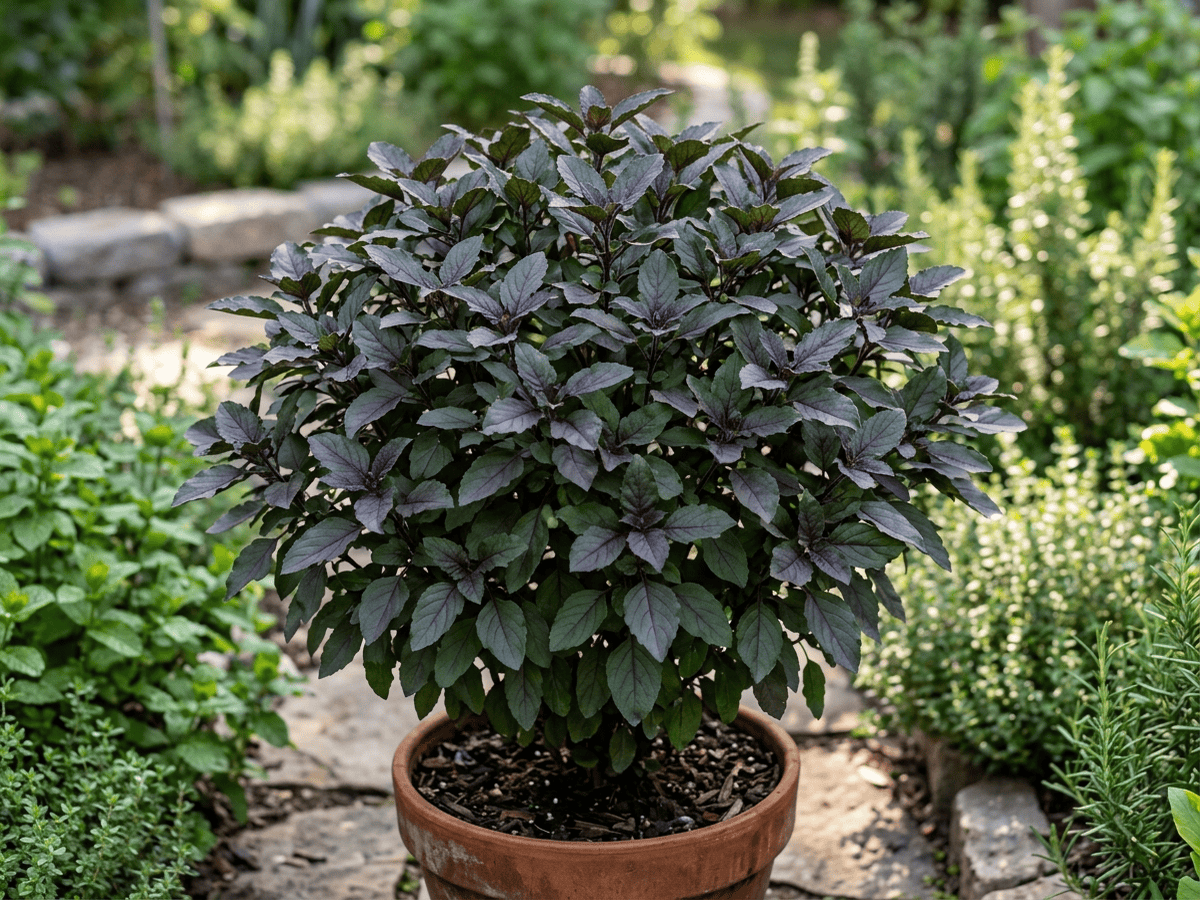
Plants with similar care
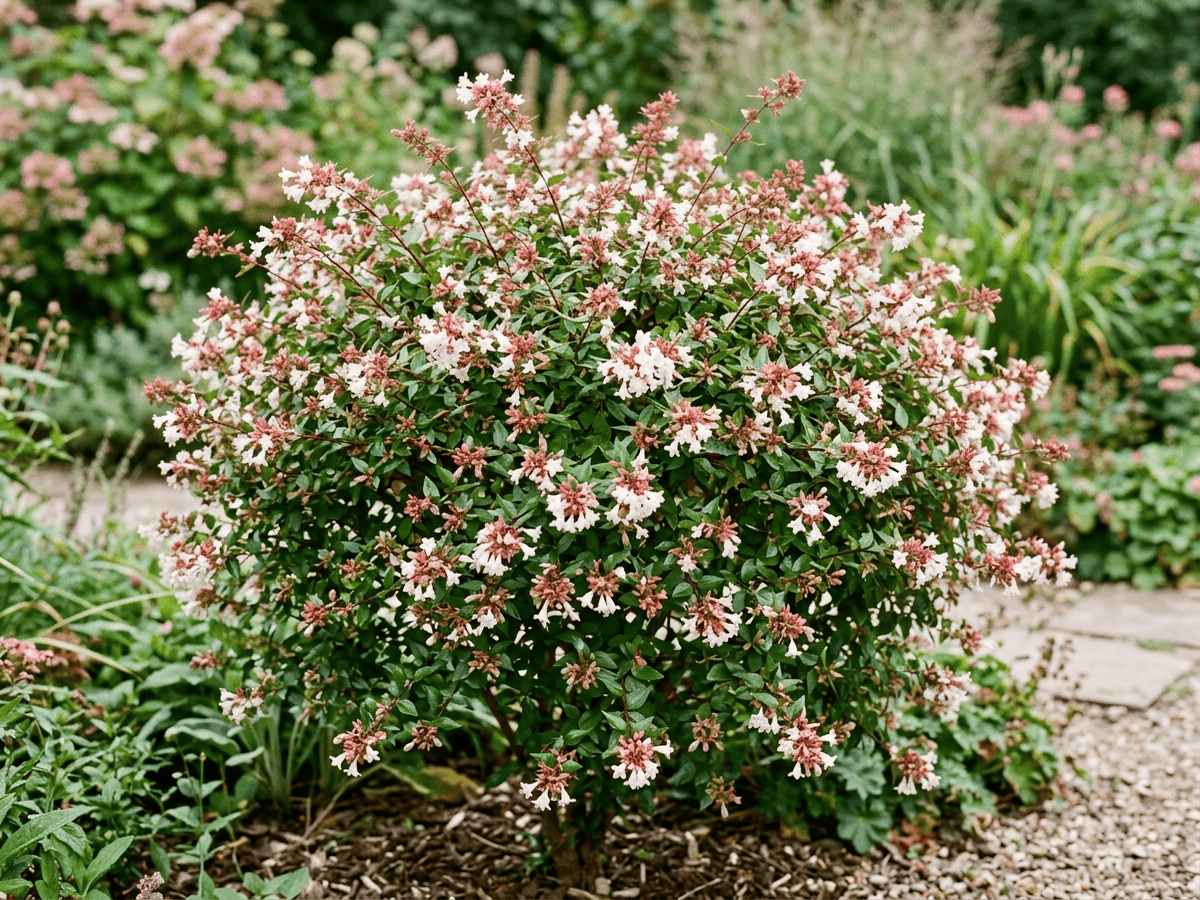 Chinese AbeliaAbelia chinensis
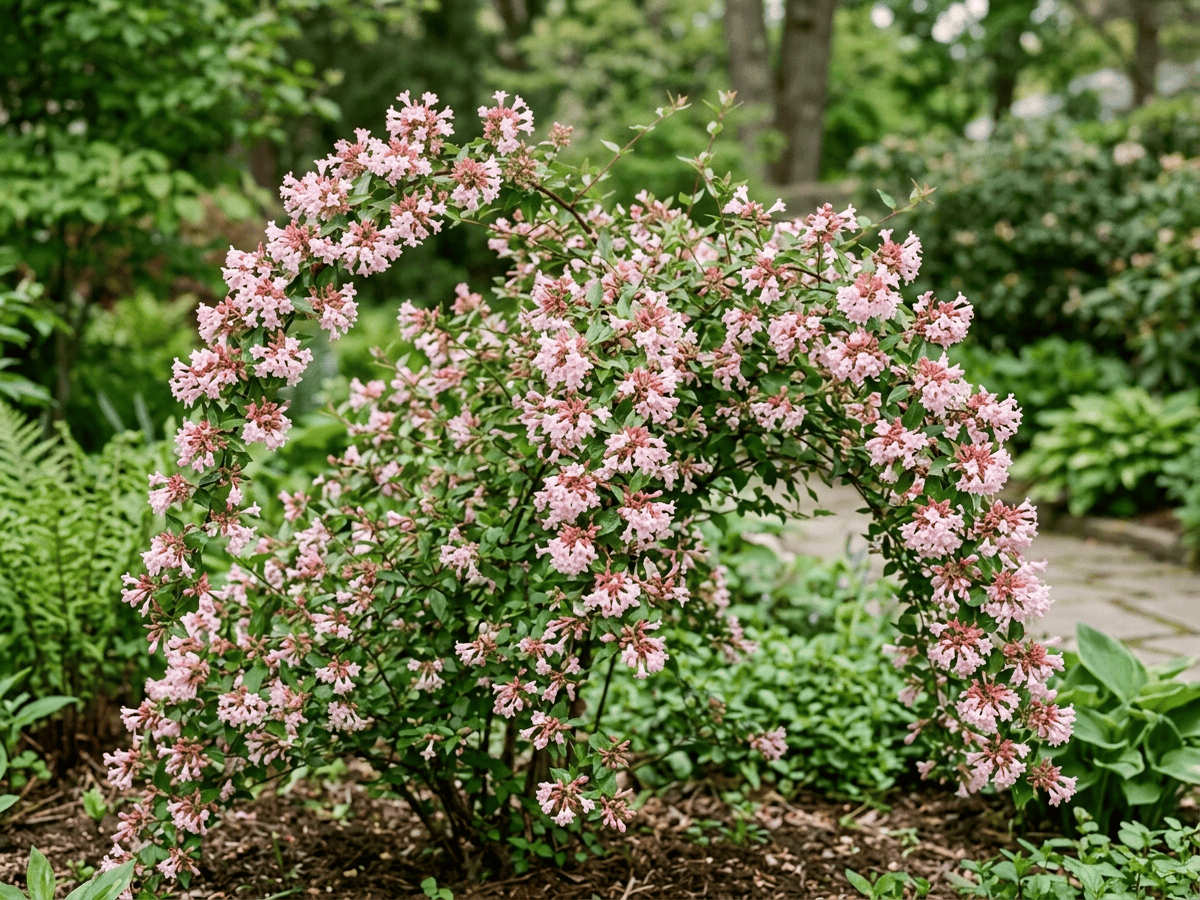 Fragrant AbeliaAbelia mosanensis
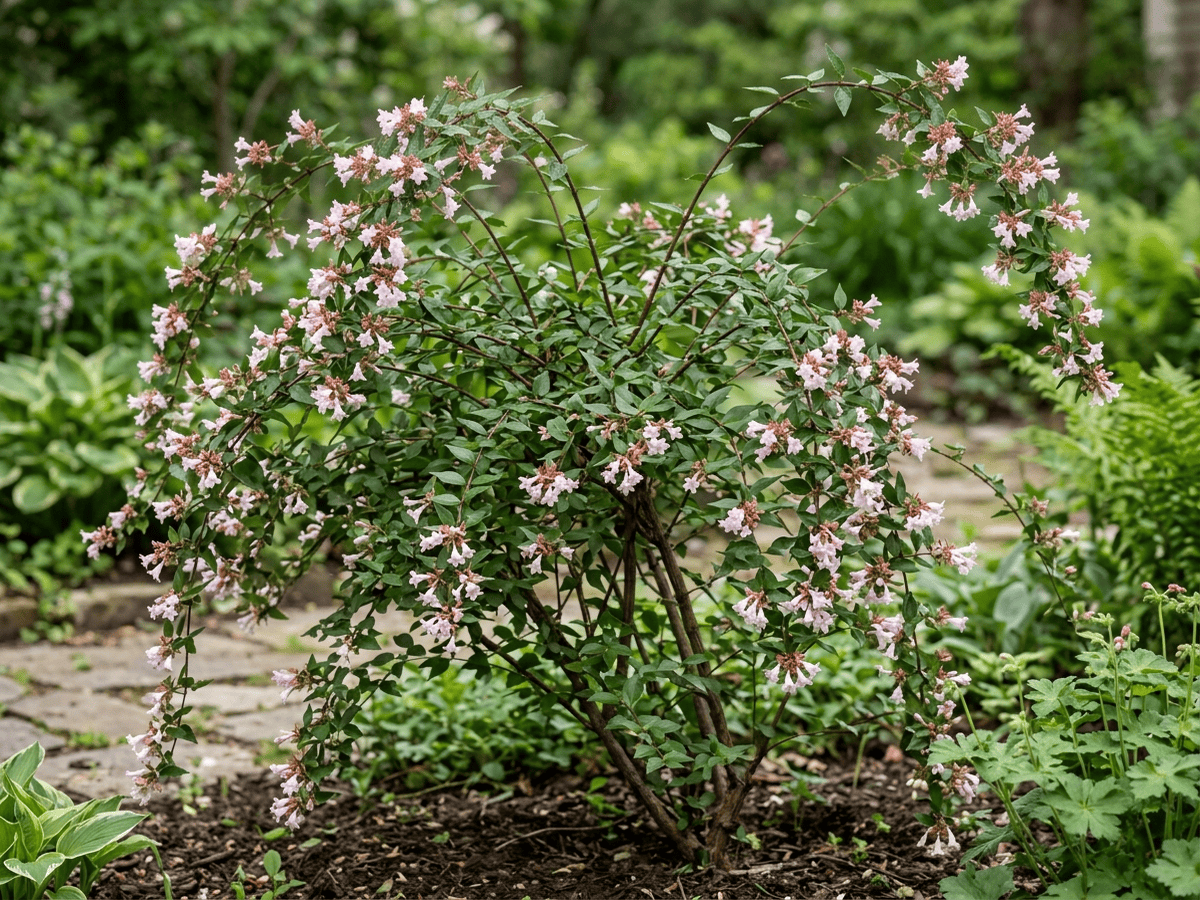 Large-Flowered AbeliaAbelia uniflora
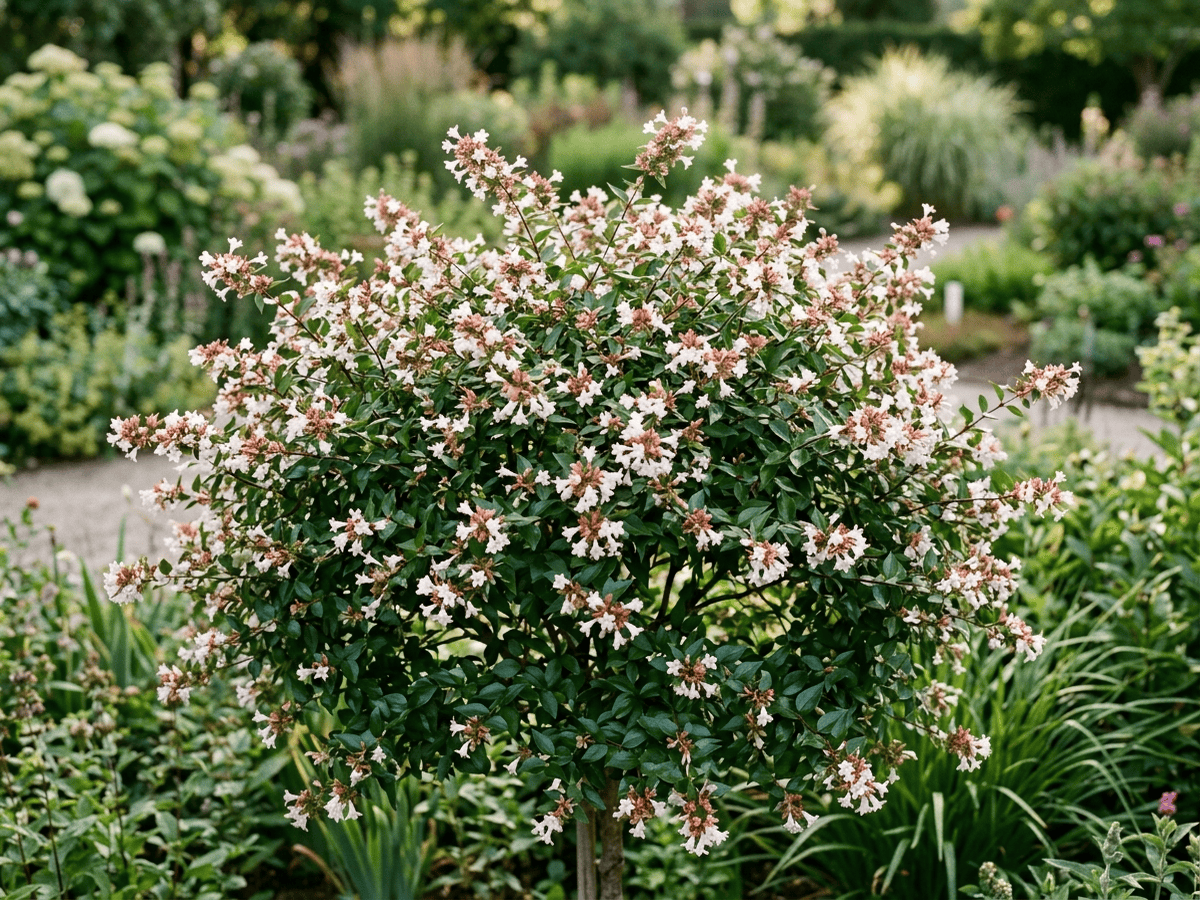 Glossy AbeliaAbelia x grandiflora
Frequently asked questions
How often should I water Sweet Basil?
In summer, water about every 2 days; in winter, about every 5 days. Adjust for heat, pot size and drainage.
How much light does Sweet Basil need?
Full sun: 6+ hrs direct. Watch the leaves — scorching or stretching means the light needs adjusting.
Is Sweet Basil toxic to cats or dogs?
Pets Safe (Dogs Safe · Cats Safe) Educational information, not medical or veterinary advice. If exposure is suspected, contact a doctor or veterinarian.
Is Sweet Basil easy to grow?
Yes — it is considered an easy, beginner-friendly plant.
Can Sweet Basil be grown indoors?
Yes, it adapts well to indoor growing given the right light.
When does Sweet Basil bloom?
It typically blooms Jun–Aug in the Northern Hemisphere.
YardMate
Identify any plant in seconds
Snap a photo — YardMate names the plant, diagnoses problems, and reminds you when to water.
Download on the App Store