 YardMate


Potato
Solanum tuberosum
Easy · Beginner friendlyAbout Potato
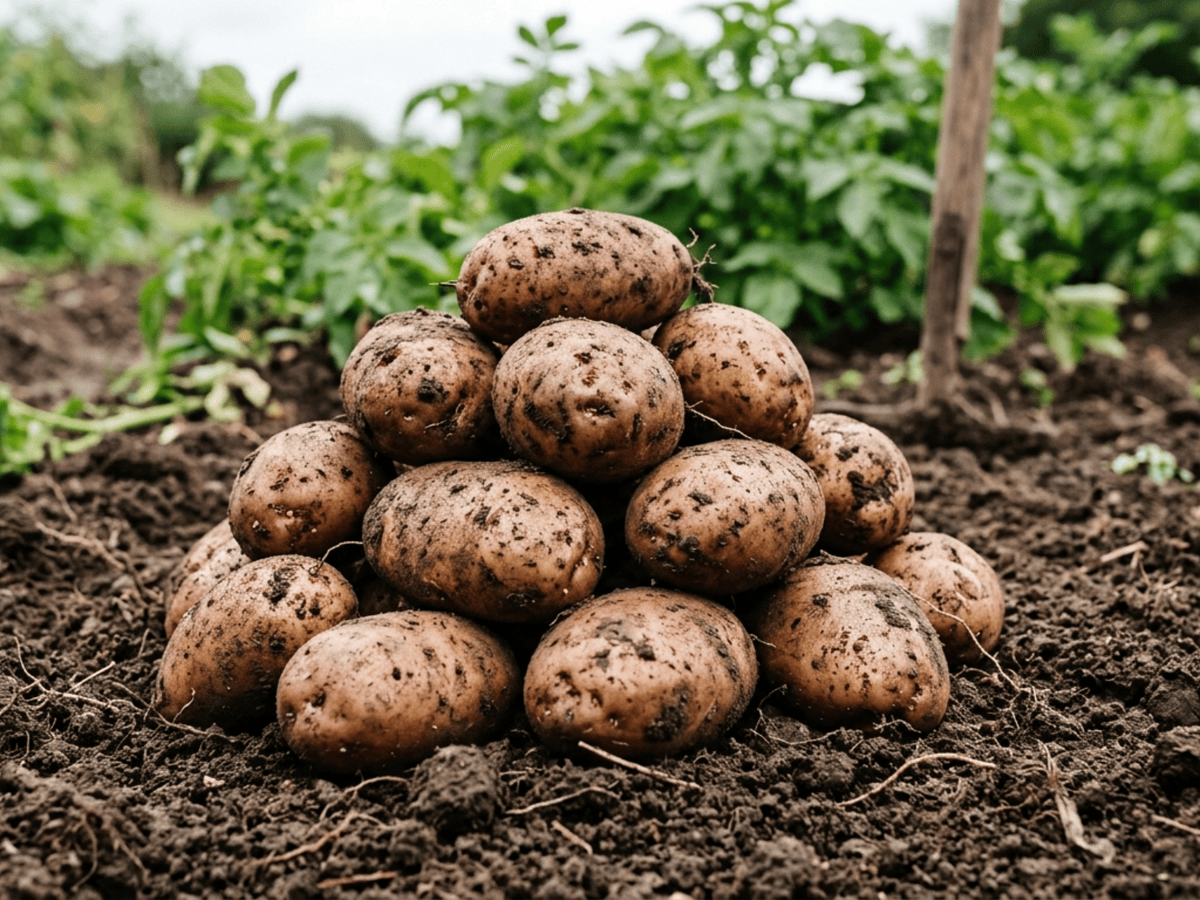
Solanum tuberosum, the potato, is a tuber-producing perennial in the Solanaceae family grown as an annual, native to the Andes of South America. It is the world's fourth most important food crop after rice, wheat, and maize, and the most important non-cereal. Thousands of cultivars exist, varying in skin colour (brown, red, purple, yellow), flesh colour, and cooking properties (waxy vs. starchy).
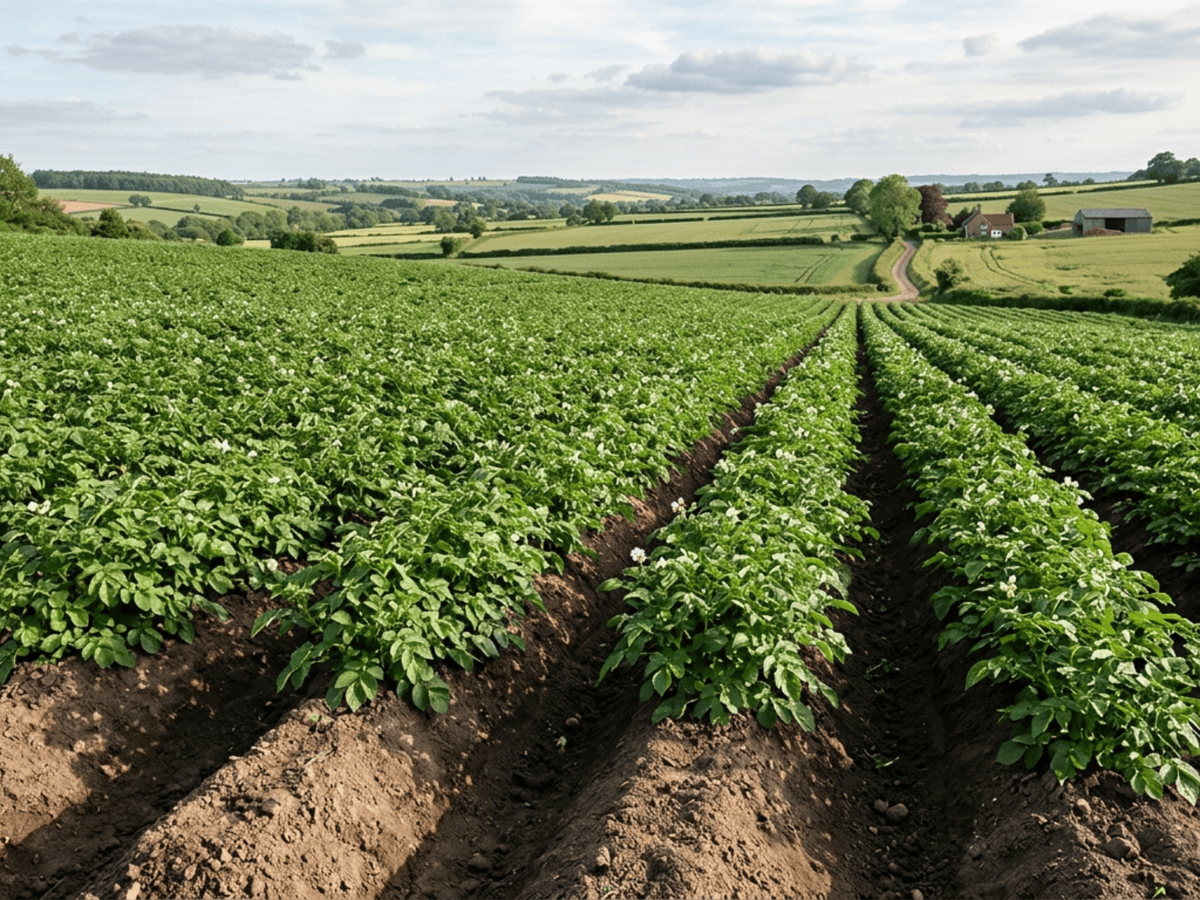
Potatoes grow in USDA zones 3–10, preferring cool growing conditions (15–20°C) and well-drained, slightly acidic soil. Tubers form on underground stolons; the practice of 'hilling'—mounding soil around stems—increases tuber production and prevents greening from sun exposure. Early varieties mature in 60–90 days, maincrop in 90–120 days. Potatoes are typically grown from 'seed potatoes' (small tubers or cut pieces), not true seed.
The potato's impact on world history is immense. After its introduction to Europe in the 16th century, it transformed agriculture and enabled population booms across northern Europe, particularly in Ireland, Germany, and Russia. The Irish Potato Famine (1845–52), caused by late blight (Phytophthora infestans), killed over a million people and triggered mass emigration. Today potatoes are the world's most versatile starch: baked, mashed, fried, roasted, in gnocchi, dumplings, and soups. They provide vitamin C, potassium, and complex carbohydrates.
- Edible
How to care for Potato
Watering
- Springevery 3 days
- Summerevery 2 days
- Fallevery 4 days
- Winterevery 7 days
Soil · Rich & well-draining
- Top dressingCompost10%
- Main mixPotting soil + compost 3:180%
- DrainageGravel10%
Top up the compost layer each season.
FERTILIZER
Balanced Feed 14-14-14
An even feed covers all three needs at once, keeping leaves, roots and blooms moving together with nothing pushed out of balance.
- Nitrogen · Leaves
- Phosphorus · Roots + Blooms
- Potassium · Strength
- Springevery 14 days
- Summerevery 14 days
- Fallevery 21 days
At a Glance
- NativeSouth America
- Height2–3 ft (0.6–0.9 m)
- Spread1–2 ft (0.3–0.6 m)
- Flower colorWhite, Purple, Pink
- Foliage colorGreen
- SoilLoamy, Well-drained, Acidic
- LocationsYard · Indoor · Balcony
Bloom time
BLOOM CYCLE
Peak bloom
Jun–Aug
Small white or purple flowers indicate tubers are forming; 'new' potatoes can be harvested now.
Fragrance
NO FRAGRANCE
No notable fragrance.
Toxicity
Humans Moderate · Pets Moderate
solanine and chaconine
Moderate
- Leaf
- Stem
- Green tuber
- Sprout
- Ingestion
EXPOSURE Eating leaves, stems, green tuber, and sprout.
EFFECT Solanine poisoning: vomiting, diarrhea, neurological symptoms and green potatoes and sprouting eyes contain highest solanine.
NOTE Cooked mature tubers safe; avoid green or sprouting potatoes.
Moderate
- Leaf
- Stem
- Green tuber
- Ingestion
EXPOSURE Eating leaves, stems, and green tuber.
EFFECT Solanine toxicity: vomiting, weakness, confusion (per ASPCA).
NOTE Cooked mature tubers safe; avoid green or sprouting potatoes.
Moderate
- Leaf
- Stem
- Green tuber
- Ingestion
EXPOSURE Eating leaves, stems, and green tuber.
EFFECT Solanine toxicity: vomiting, weakness, confusion.
NOTE Cooked mature tubers safe; avoid green or sprouting potatoes.
Educational information, not medical or veterinary advice. If exposure is suspected, contact a doctor or veterinarian.
DISTRIBUTION

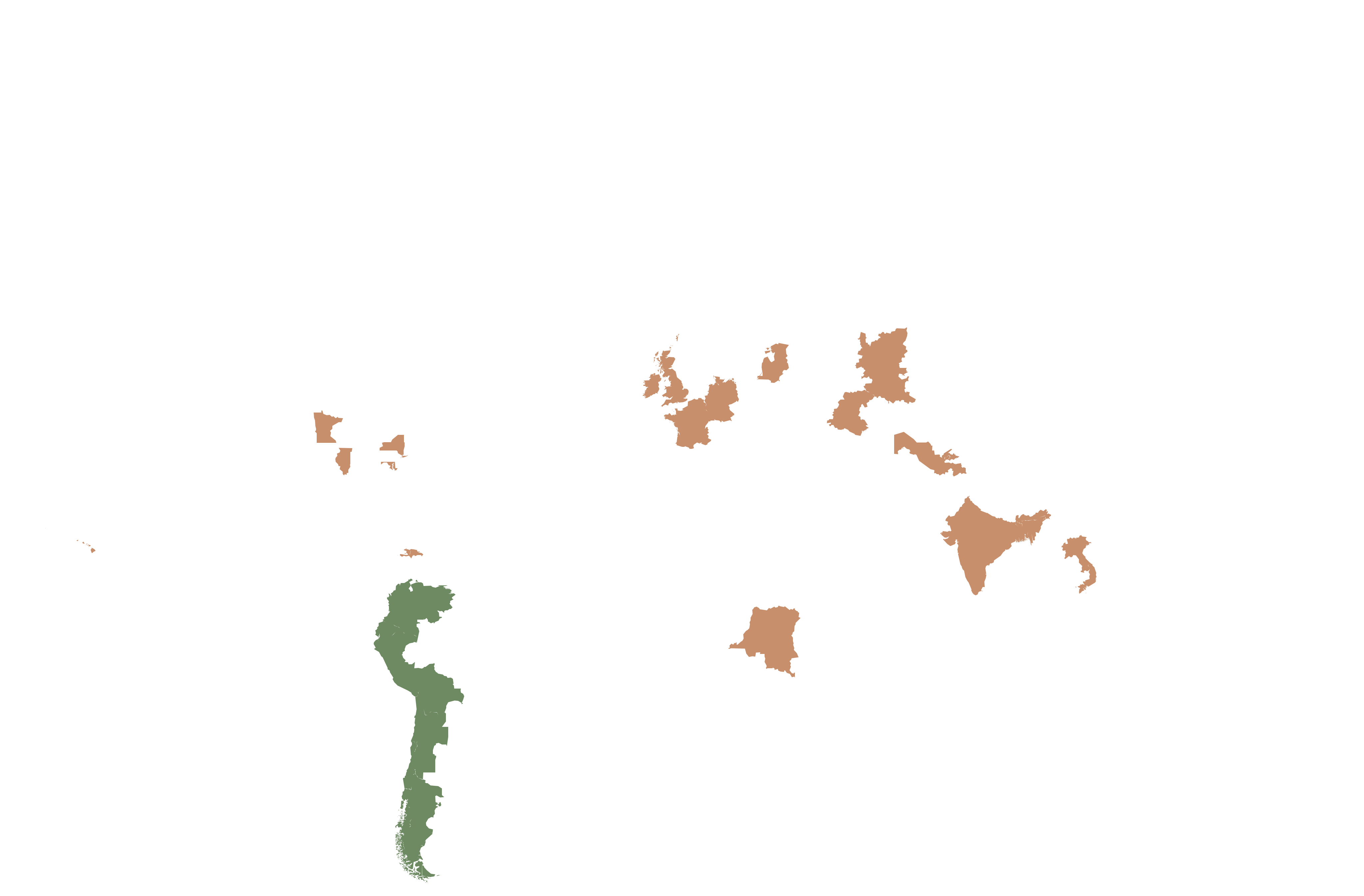
- Native
- Introduced
- South America
History
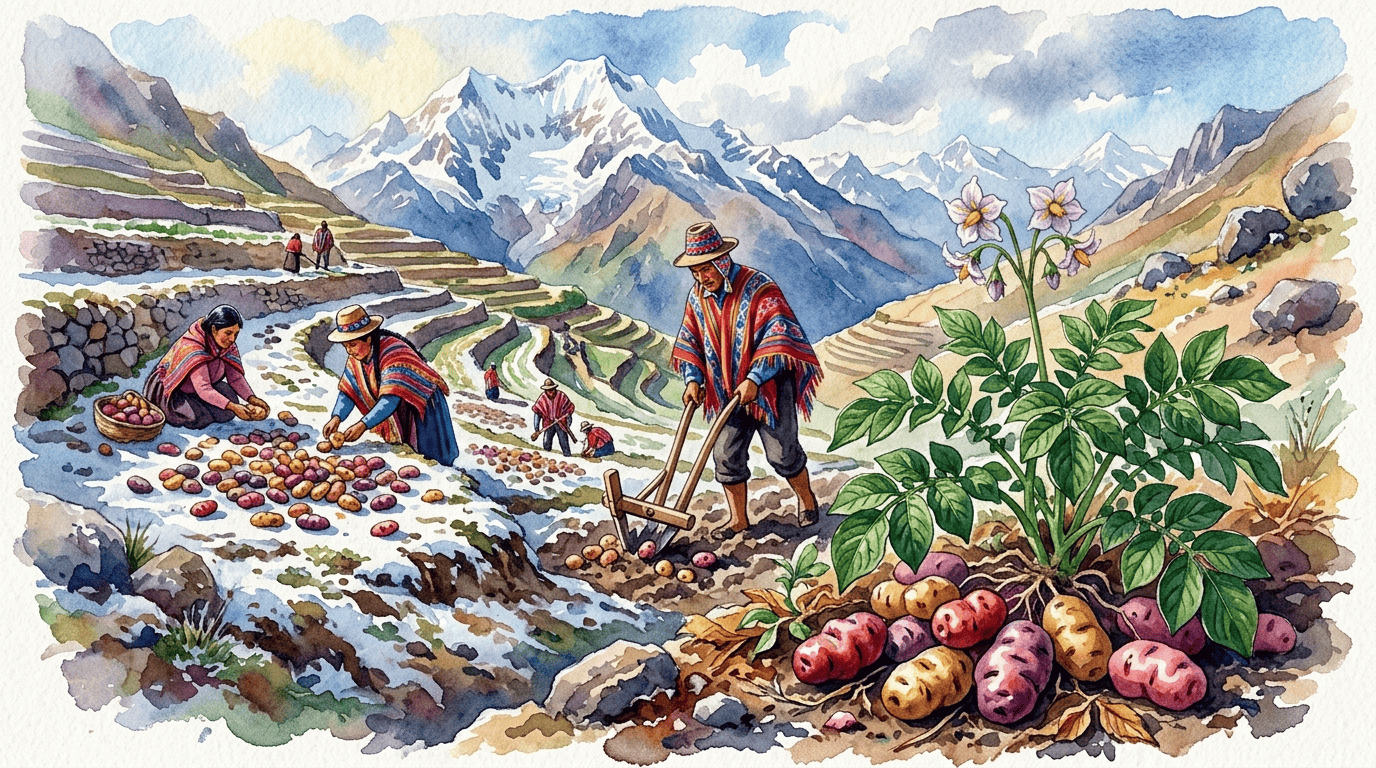
Solanum tuberosum was domesticated in the Andes of Peru and Bolivia at least 7,000 years ago from wild tuber-bearing Solanum species. Highland Andean cultures cultivated thousands of distinct cultivars at various altitudes and developed freeze-drying preservation (chuño). Spanish conquistadors encountered potatoes among the Inca in the 1530s and brought them to Europe around 1570.
European acceptance was slow — as a nightshade-family plant, potato foliage was suspected toxic (correctly, due to solanine), and the edible tuber was initially grown as a curiosity. Adoption accelerated in the 18th century when French agronomist Antoine-Augustin Parmentier and Prussian King Frederick the Great promoted potato cultivation for famine prevention. Historians including William McNeill argue that potato-based agriculture was a major driver of European population growth from 1750-1900.
Ireland's extreme dependence on a single potato variety ended catastrophically when the oomycete pathogen Phytophthora infestans arrived in 1845, causing the Great Famine that killed approximately 1 million and drove 1.5 million to emigrate. The Irish Famine remains a defining warning about monoculture vulnerability. Domesticated in Peru ~8,000 years ago at altitudes above 3,800 m, where over 4,000 native varieties still grow.
Symbolism & meaning
What It Symbolizes
The Potato carries sustenance, feeding billions across continents and standing as one of humanity's most fundamental and reliable sources of nourishment. Its resilience is just as remarkable, thriving in poor soil and harsh climates where grains will not, representing humble strength and adaptability. It is often read as a flower of underground generosity, a tuber whose meaning is the quiet plant that does not look like much above ground but holds entire winters of survival just below the surface.
- Sustenance — Feeding billions across continents, the potato symbolizes fundamental, reliable nourishment
- Resilience — Thriving in poor soil and harsh climates, potatoes represent humble strength and adaptability
Where the Name Comes From
Solanum from Latin 'solamen' (comfort); 'tuberosum' means tuber-bearing. 'Potato' from Spanish 'patata,' a conflation of Taino 'batata' (sweet potato) and Quechua 'papa' (potato).
Uses & Fun Facts
- World's fourth-most-important food crop, eaten in countless forms
- Tubers processed into starch and distilled into vodka
Related plants
More Solanum plants
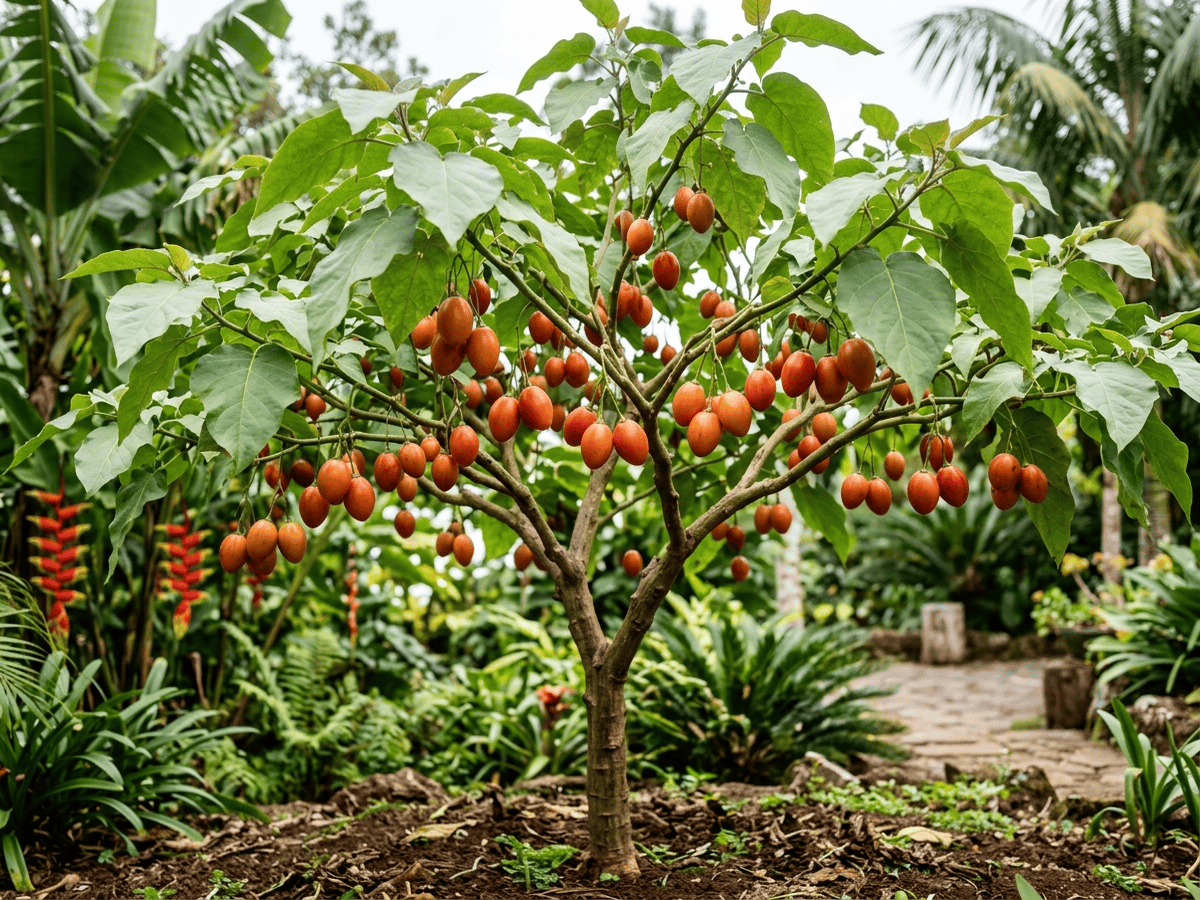 TamarilloSolanum betaceum
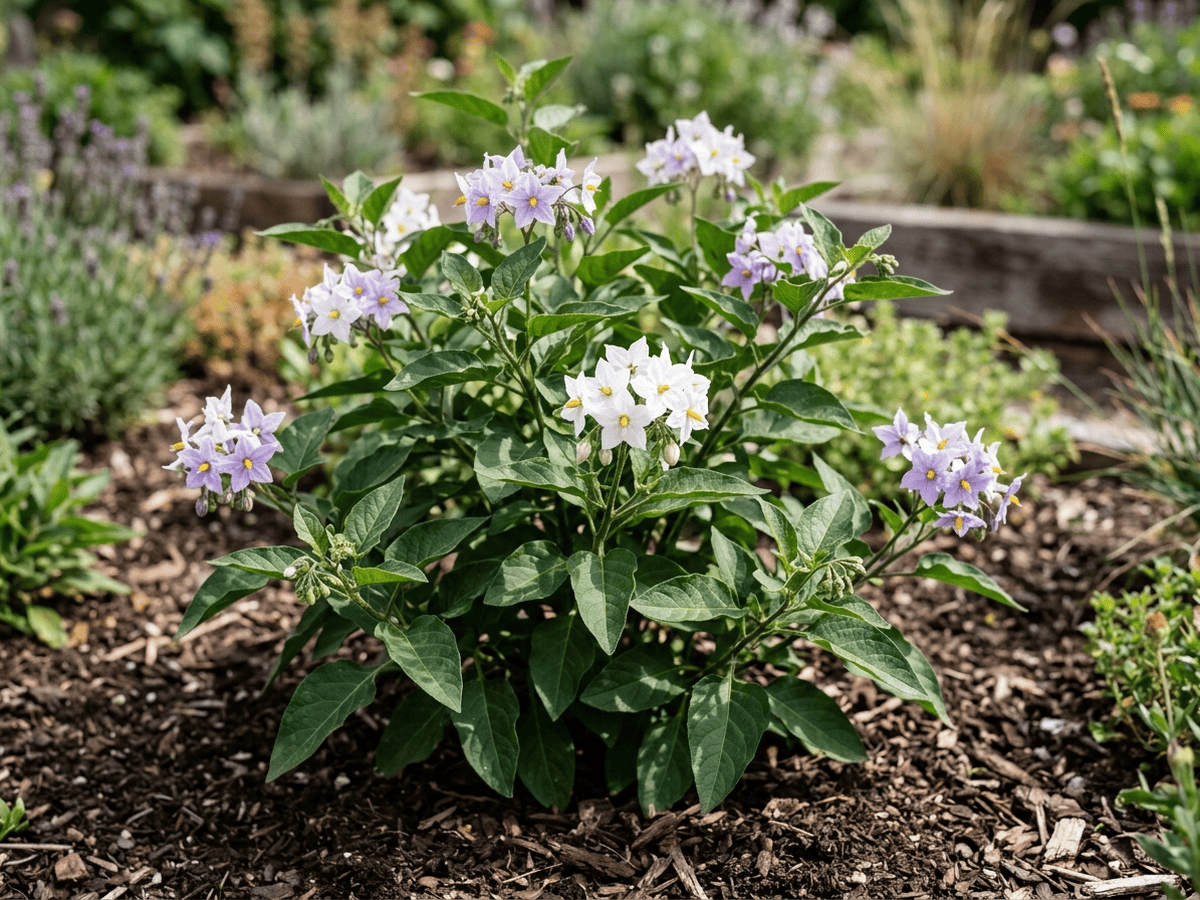 Buenos Aires NightshadeSolanum bonariense
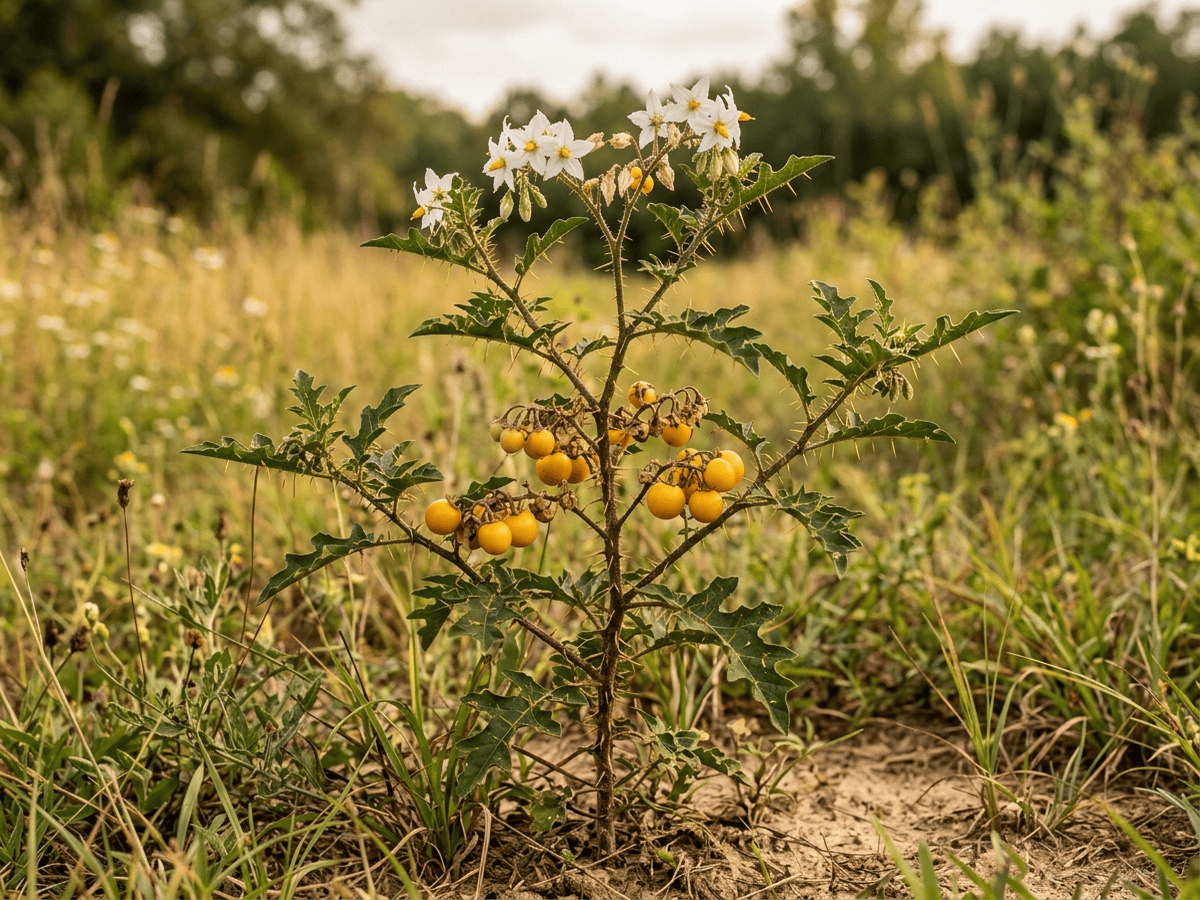 Carolina HorsenettleSolanum carolinense
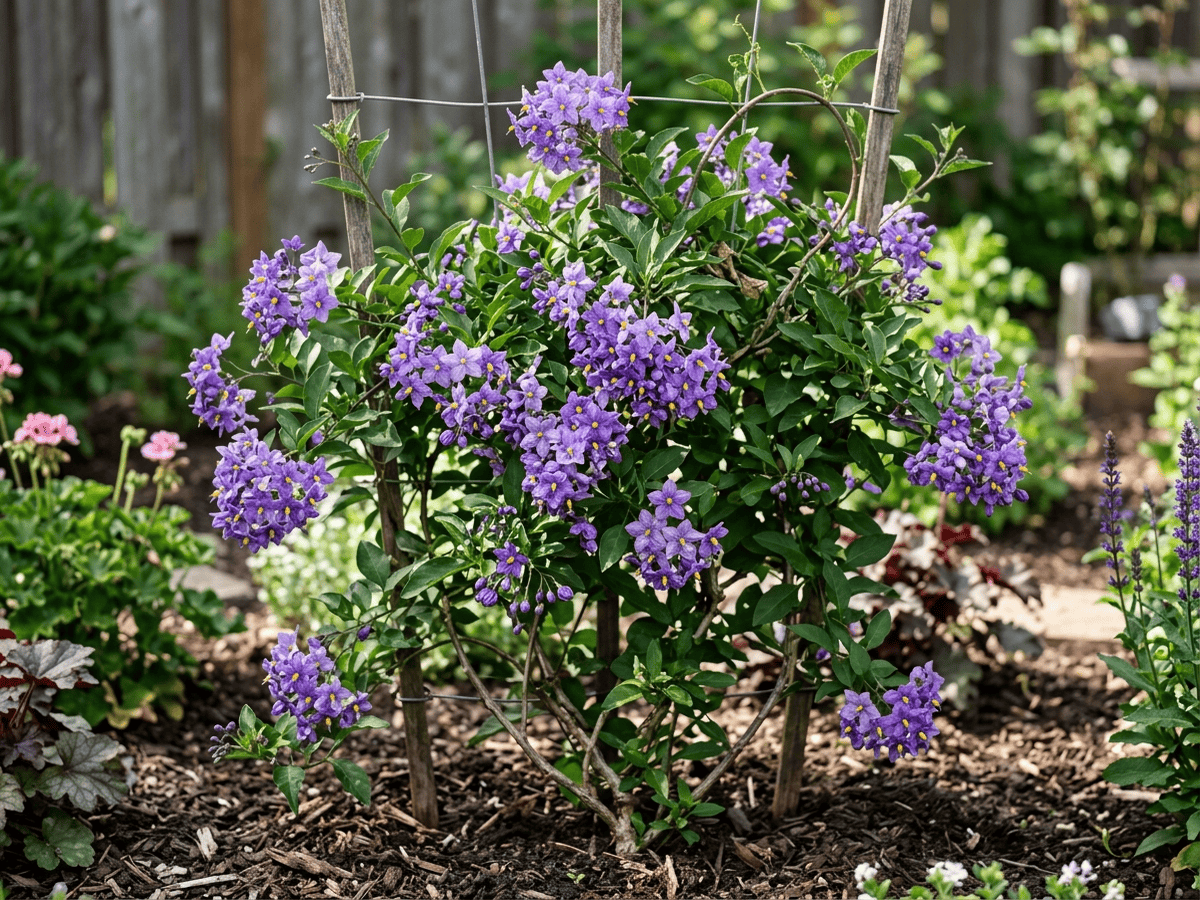 Chilean Potato VineSolanum crispum
Plants with similar care
 Chinese AbeliaAbelia chinensis
 Fragrant AbeliaAbelia mosanensis
 Large-Flowered AbeliaAbelia uniflora
 Glossy AbeliaAbelia x grandiflora
Frequently asked questions
How often should I water Potato?
In summer, water about every 2 days; in winter, about every 7 days. Adjust for heat, pot size and drainage.
How much light does Potato need?
Full sun: 6+ hrs direct. Watch the leaves — scorching or stretching means the light needs adjusting.
Is Potato toxic to cats or dogs?
Pets Moderate (Dogs Moderate · Cats Moderate) Educational information, not medical or veterinary advice. If exposure is suspected, contact a doctor or veterinarian.
Is Potato easy to grow?
Yes — it is considered an easy, beginner-friendly plant.
Can Potato be grown indoors?
Yes, it adapts well to indoor growing given the right light.
When does Potato bloom?
It typically blooms Jun–Aug in the Northern Hemisphere.
YardMate
Identify any plant in seconds
Snap a photo — YardMate names the plant, diagnoses problems, and reminds you when to water.
Download on the App Store