 YardMate


Chinese Cabbage
Brassica rapa subsp. pekinensis
Easy · Beginner friendlyAbout Chinese Cabbage
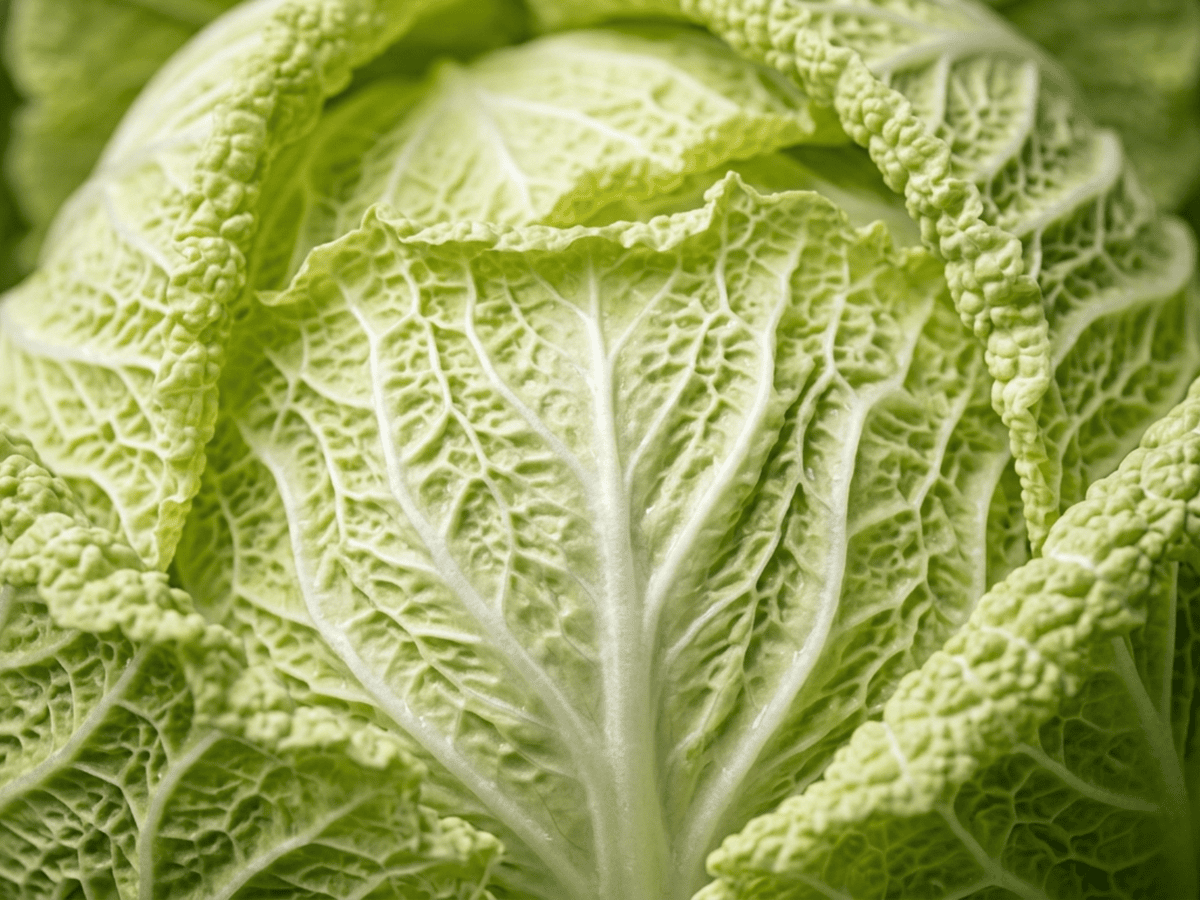
Brassica rapa subsp. pekinensis, Napa cabbage (Chinese cabbage), is a fast-growing annual in the Brassicaceae family, originating in China where it has been cultivated for over 1,500 years. It forms tall, barrel-shaped or cylindrical heads of pale green, crinkled leaves with wide, white, juicy midribs. The heads are lighter and more tender than Western cabbage, with a mild, slightly sweet flavour.
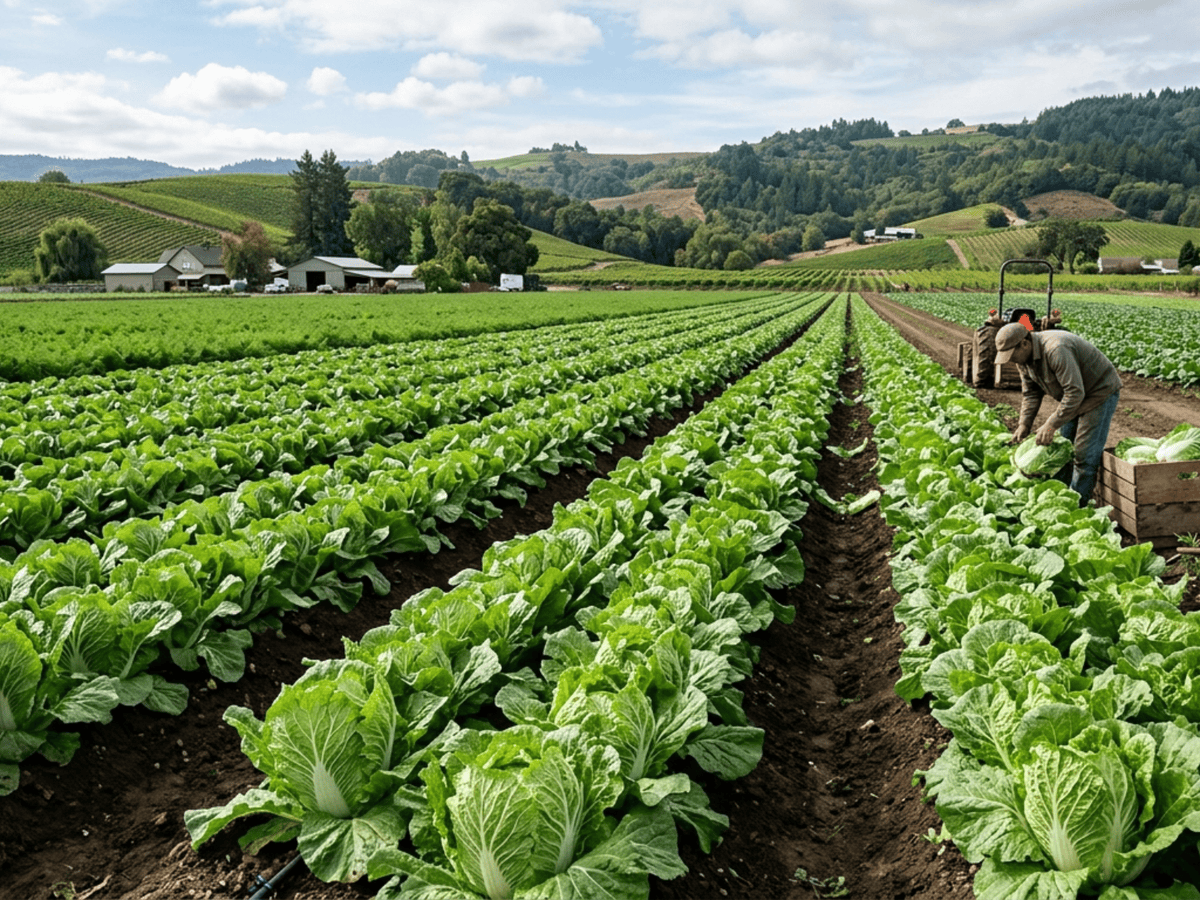
Napa cabbage thrives in cool weather (13–18°C) and is best grown as an autumn crop in USDA zones 4–10—spring planting often leads to premature bolting. It matures quickly (60–70 days) in full sun to light shade and rich, well-watered soil. The plants need consistent moisture and prefer slightly acidic soil (pH 6.0–6.5).
This is the indispensable vegetable of East Asian cuisine. It is the primary ingredient in Korean kimchi—Korea's national dish and one of the world's great fermented foods. In Chinese cooking it appears in stir-fries, hot pot, dumplings, and soups. Japanese hakusai is used in nabe (hot pot) and pickled as tsukemono. The vegetable is low in calories, high in vitamin C and folate, and stores well in the refrigerator for weeks. Its versatility and mild flavour make it one of the most approachable Asian vegetables for Western gardeners.
- Edible
- Fast-growing
How to care for Chinese Cabbage
Watering
- Springevery 2 days
- Summerevery 1 days
- Fallevery 3 days
- Winterevery 5 days
Soil · Rich & well-draining
- Top dressingCompost10%
- Main mixPotting soil + compost 3:180%
- DrainageGravel10%
Top up the compost layer each season.
FERTILIZER
Balanced Feed 14-14-14
An even feed covers all three needs at once, keeping leaves, roots and blooms moving together with nothing pushed out of balance.
- Nitrogen · Leaves
- Phosphorus · Roots + Blooms
- Potassium · Strength
- Springevery 14 days
- Summerevery 14 days
- Fallevery 14 days
At a Glance
- NativeEast Asia
- Height1–1.5 ft (0.3–0.5 m)
- Spread1–1.5 ft (0.3–0.5 m)
- Flower colorYellow
- Foliage colorGreen, Variegated
- SoilMoisture-retentive, Rich, Loamy
- LocationsYard · Indoor · Balcony
Bloom time
BLOOM CYCLE
Peak bloom
Mar, Apr, May, Sep, Oct, Nov
Bolt-prone in spring; grow as an autumn crop for best results. Harvest entire head at maturity.
Fragrance
NO FRAGRANCE
No notable fragrance.
Toxicity
Pets Slight
glucosinolates
Safe
EXPOSURE No exposure route is reported.
EFFECT Widely consumed.
NOTE Listed as non-toxic for humans; avoid eating ornamental plants unless confirmed edible.
Slight
- All
- Ingestion
EXPOSURE Eating any part of the plant.
EFFECT Large quantities cause gas.
NOTE Generally regarded as safe.
Slight
- All
- Ingestion
EXPOSURE Eating any part of the plant.
EFFECT Large quantities cause gas.
NOTE Generally regarded as safe.
Educational information, not medical or veterinary advice. If exposure is suspected, contact a doctor or veterinarian.
DISTRIBUTION

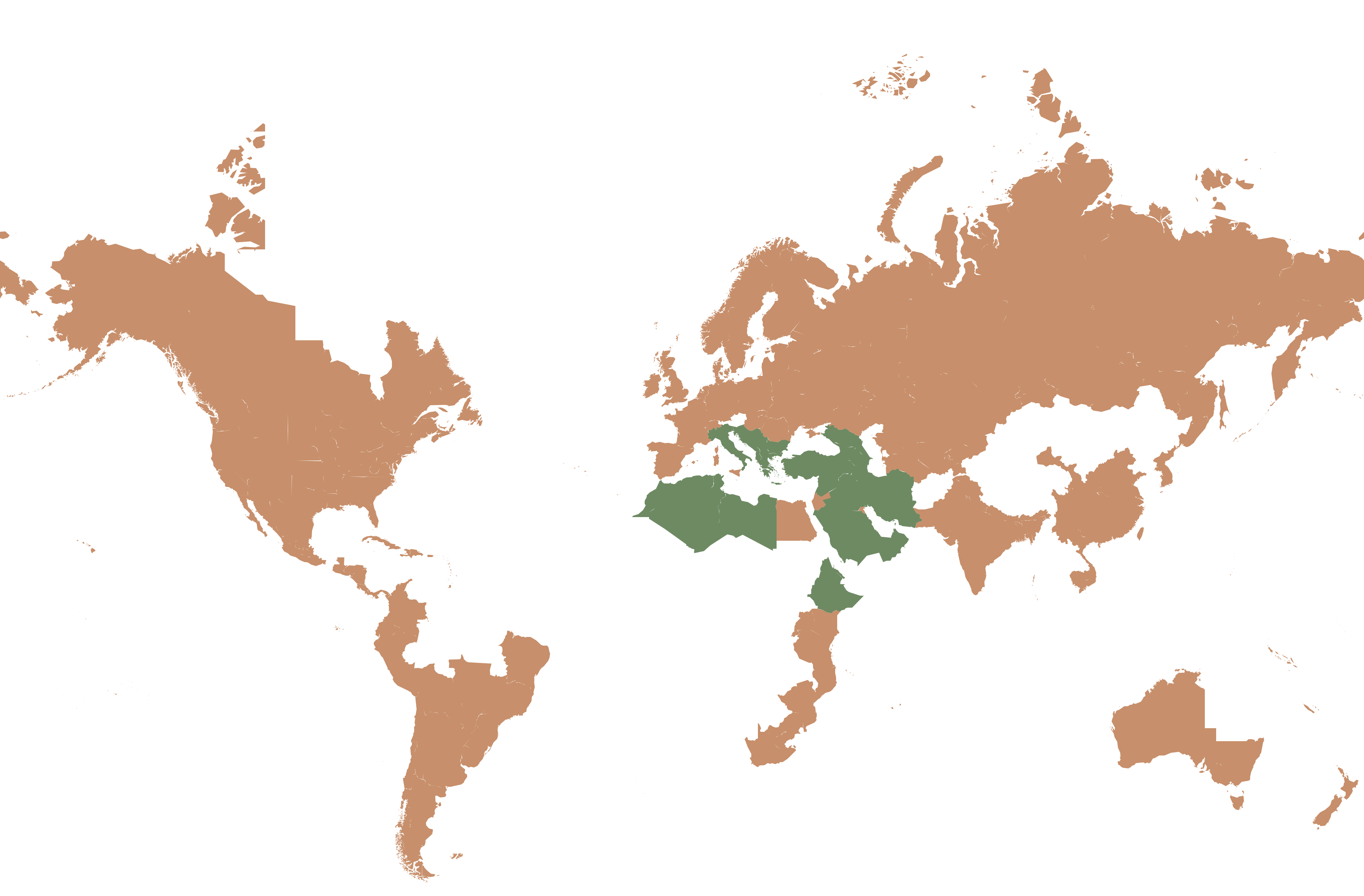
- Native
- Introduced
- East Asia
History
Brassica rapa subsp. pekinensis (napa cabbage, Chinese cabbage, da bai cai in Mandarin) was developed in northern China during the 15th-16th century Ming dynasty. Genetic evidence suggests it arose from hybridization between bok choy (B. rapa subsp. chinensis), native to central China and cultivated since at least the 5th century, and turnip-like B. rapa forms. The name "napa" comes from Japanese "nappa" meaning leafy vegetable.
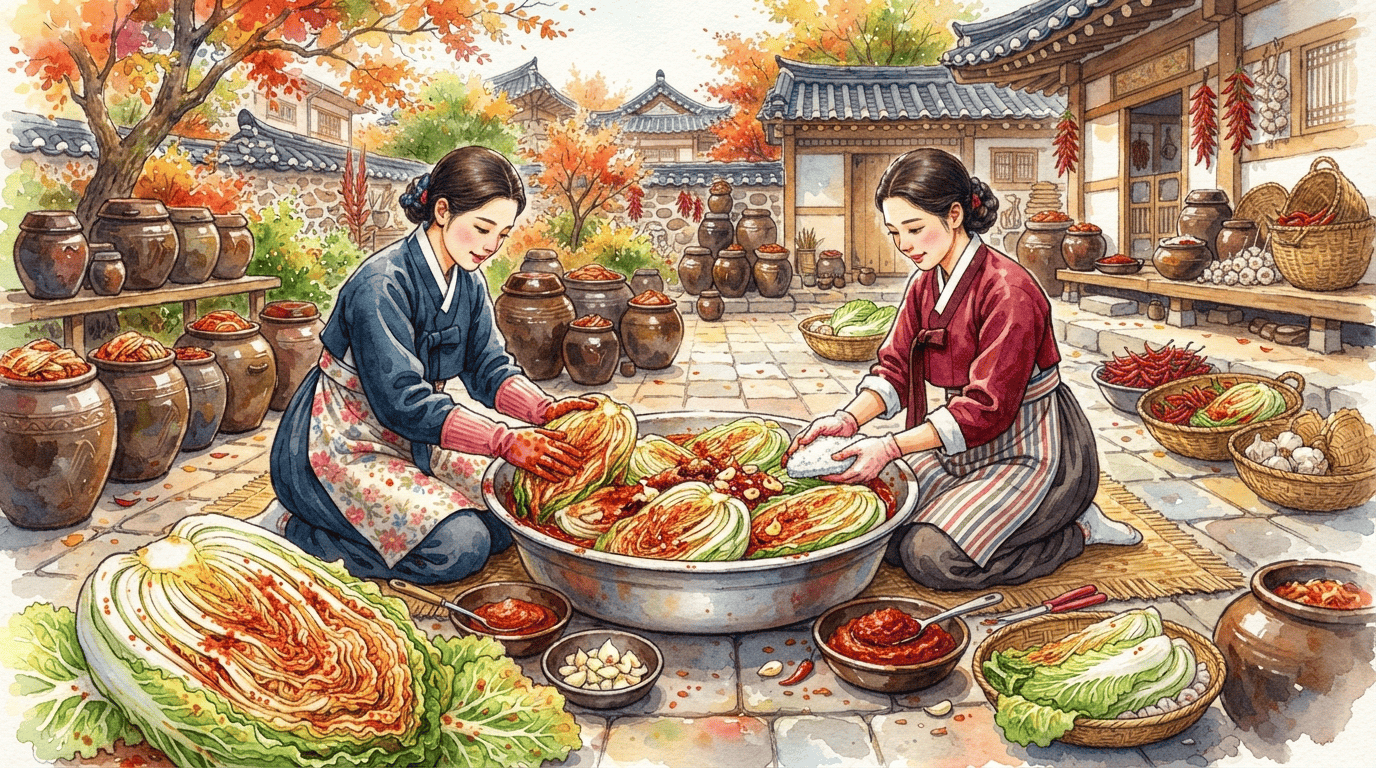
Distinct from European head cabbages, the napa cabbage forms tall cylindrical heads with white midribs and pale green leaves, a texture especially suited to rapid stir-fry cooking and to fermentation. Its most prominent global role is as the primary ingredient in Korean kimchi — baechu kimchi — introduced to Korea from China probably in the 13th-14th century. Modern Korean kimchi consumption, based on chili-pepper-spiced fermentation of napa cabbage (the chili addition came only after the 17th-century arrival of Capsicum from the Americas), represents roughly 1.5 million tonnes annually.
Chinese cabbage is also fundamental to Chinese hot pot, potsticker fillings, and Japanese nabe dishes. Cultivated in China since at least the 5th century AD, Napa cabbage spread to Korea where it became the backbone of kimchi culture. Korean kimchi-making traditions were designated a UNESCO Intangible Cultural Heritage in 2013. The vegetable reached the West in the 19th century and is now widely available globally.
Symbolism & meaning
What It Symbolizes
Chinese Cabbage expresses Harmony — its mild, balanced flavor symbolizing the quiet art of blending rather than dominating. It also carries deep Tradition as the heart of kimchi, fermented in clay jars across Korean winters and shared at family tables. Each tight pale head is part of a centuries-long conversation between household, season, and community.
- Harmony — The gentle, balanced flavor of Napa cabbage symbolizes subtlety and harmonious blending
- Tradition — As the heart of kimchi, it represents deep cultural heritage and community food traditions
Where the Name Comes From
The name Chinese Cabbage points to China. 'Napa' from Japanese 'nappa' (greens/leaves); Brassica rapa means turnip-related brassica; 'pekinensis' references Beijing, a major growing region.
Uses & Fun Facts
- Crisp tightly-packed heads central to East Asian cuisine
- Used in folk diets for digestion and vitamin content
Related plants
More Brassica plants
 Brown MustardBrassica juncea
 Acephala GroupBrassica oleracea var. acephala
 BroccoliBrassica oleracea var. botrytis
 Shetland CabbageBrassica oleracea var. capitata
Plants with similar care
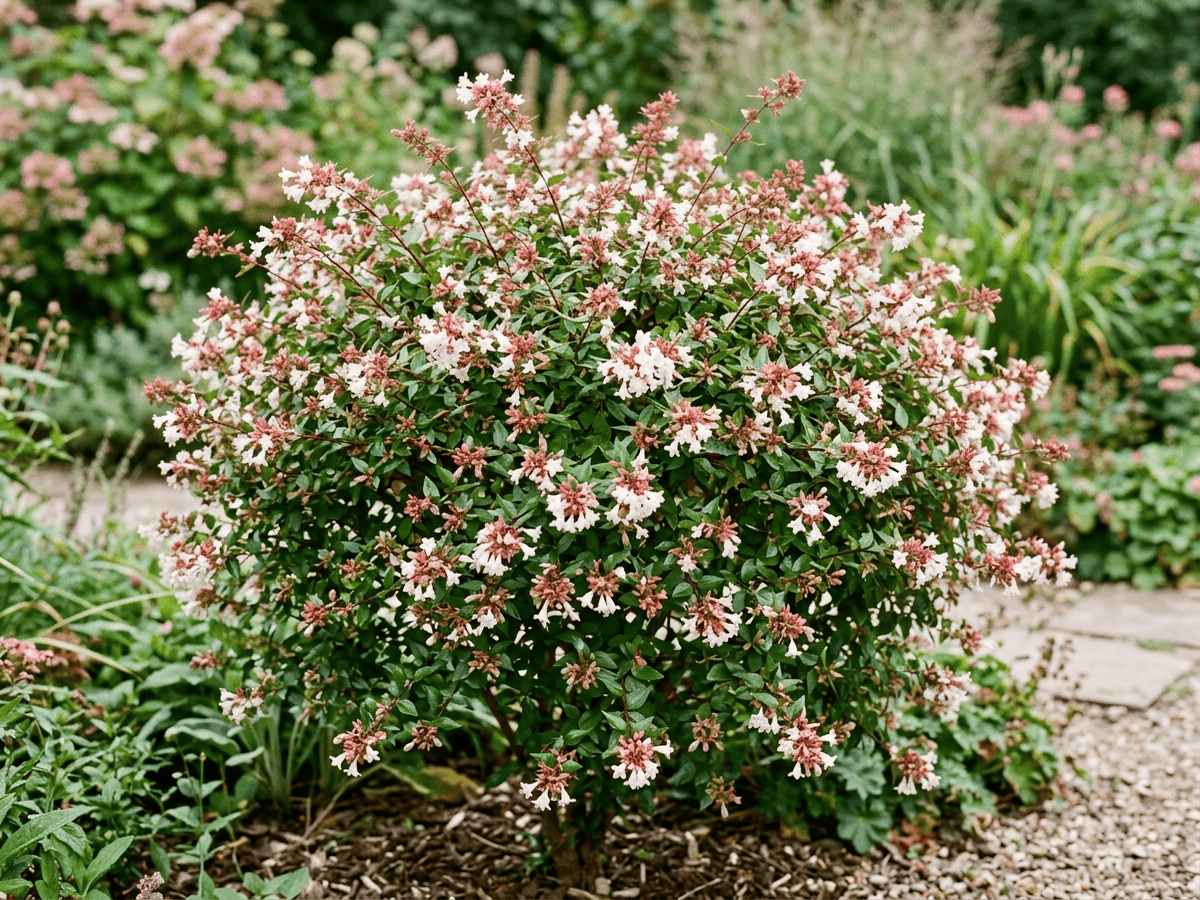 Chinese AbeliaAbelia chinensis
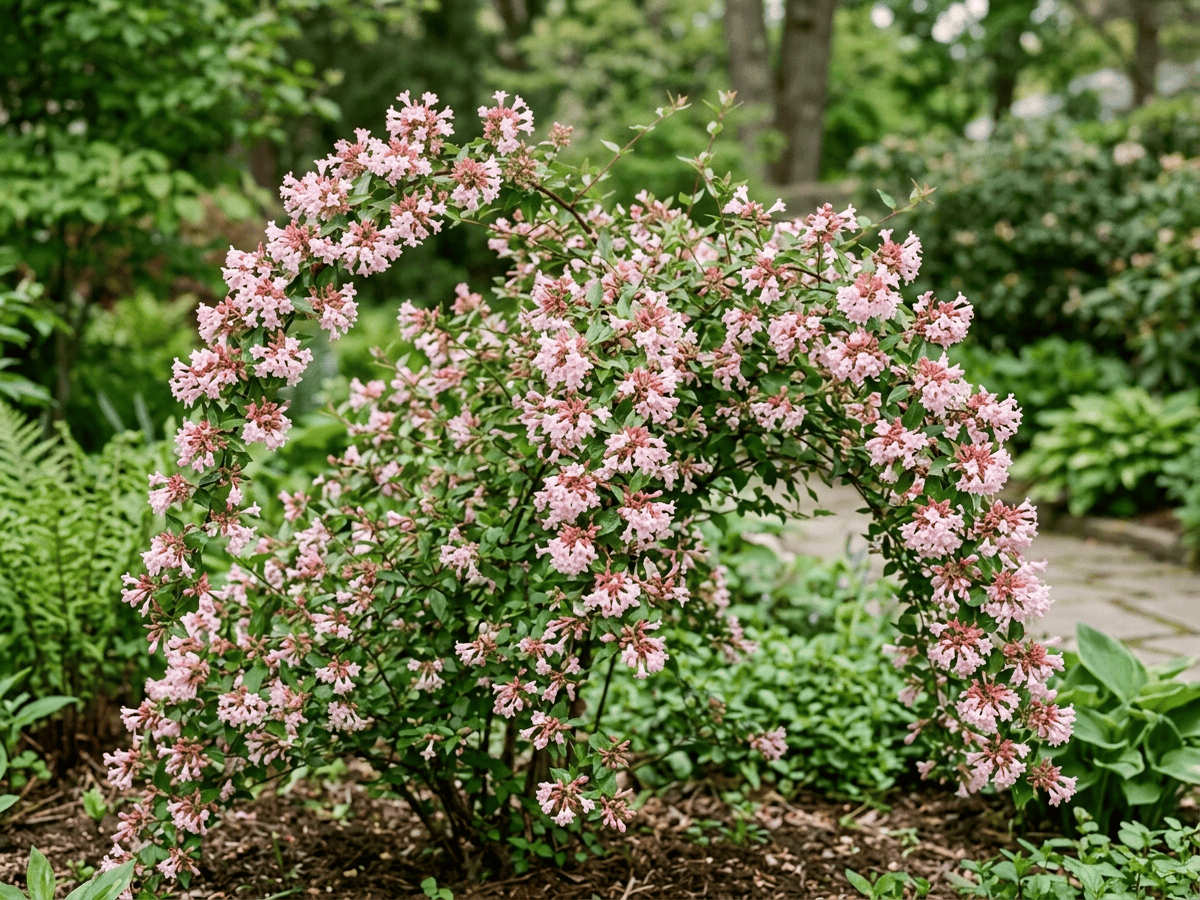 Fragrant AbeliaAbelia mosanensis
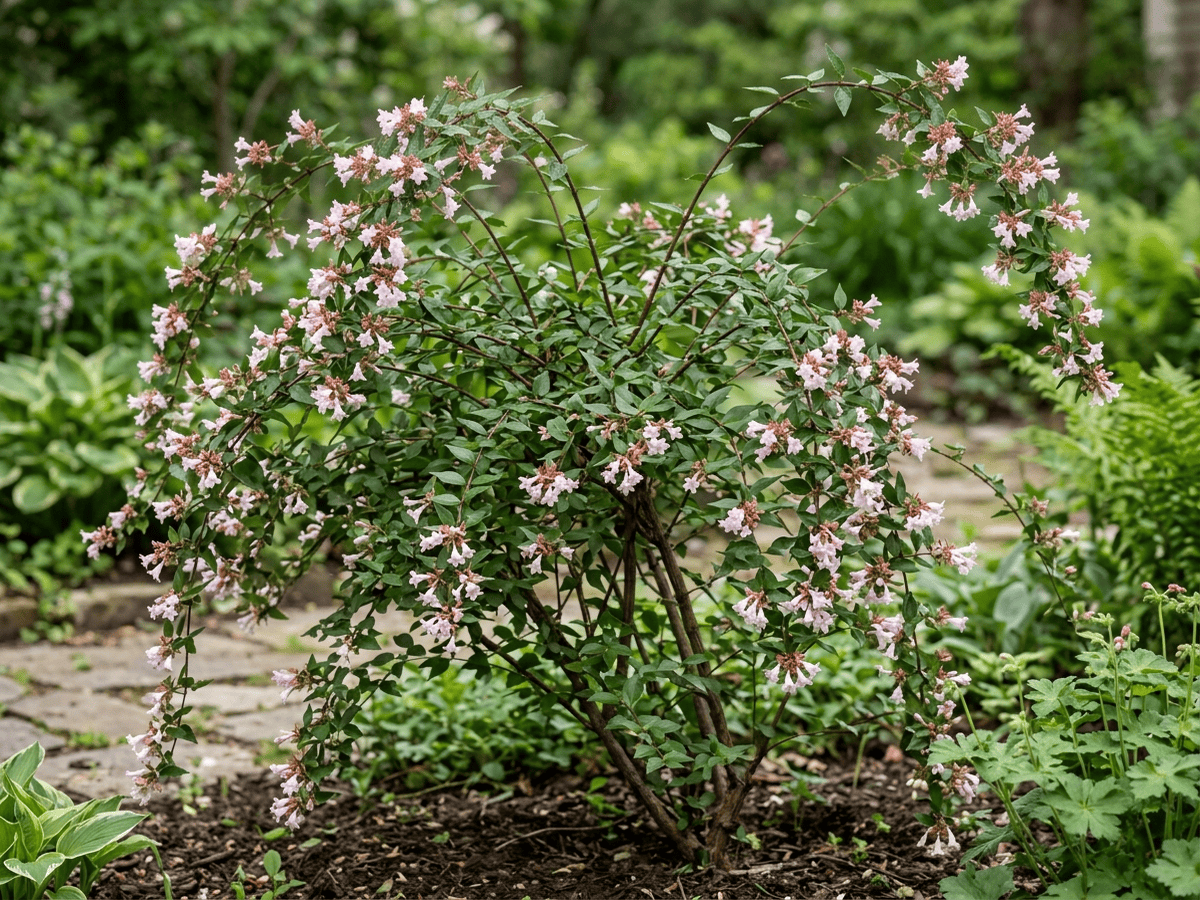 Large-Flowered AbeliaAbelia uniflora
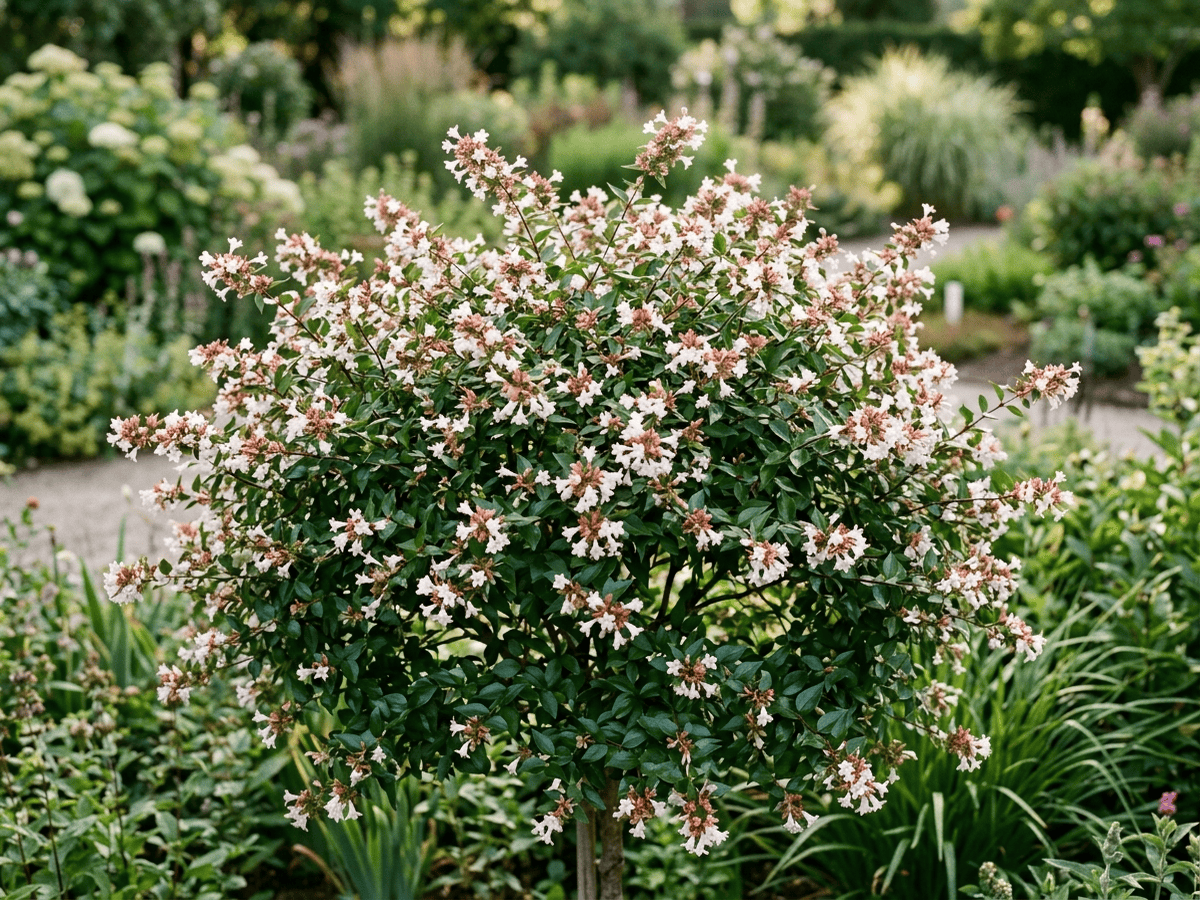 Glossy AbeliaAbelia x grandiflora
Frequently asked questions
How often should I water Chinese Cabbage?
In summer, water about every 1 days; in winter, about every 5 days. Adjust for heat, pot size and drainage.
How much light does Chinese Cabbage need?
Full sun: 6+ hrs direct. Watch the leaves — scorching or stretching means the light needs adjusting.
Is Chinese Cabbage toxic to cats or dogs?
Pets Slight (Dogs Slight · Cats Slight) Educational information, not medical or veterinary advice. If exposure is suspected, contact a doctor or veterinarian.
Is Chinese Cabbage easy to grow?
Yes — it is considered an easy, beginner-friendly plant.
Can Chinese Cabbage be grown indoors?
Yes, it adapts well to indoor growing given the right light.
When does Chinese Cabbage bloom?
It typically blooms Mar, Apr, May, Sep, Oct, Nov in the Northern Hemisphere.
YardMate
Identify any plant in seconds
Snap a photo — YardMate names the plant, diagnoses problems, and reminds you when to water.
Download on the App Store